Today I dive deep into the French publishers who, especially during the interwar period (1920s–1930s), produced BDSM- and flagellation-related books. This niche was remarkably prominent in Paris’s clandestine and semi-clandestine erotica markets. These works typically focused on flagellation with whips and birches, strict school or institutional settings, dominance and submission, humiliation, and occasionally more extreme forms of torment.
Books were printed in limited editions, often featuring exquisite illustrations by artists such as Luc Lafnet (Jim Black), Louis Malteste, Pierre Noël (Léon Pierre), Gaston Smit (Georges Topfer), Martin van Maele, Wighead, and others. They circulated discreetly via mail order and specialist booksellers, catering to a dedicated audience of fetishists and bibliophiles
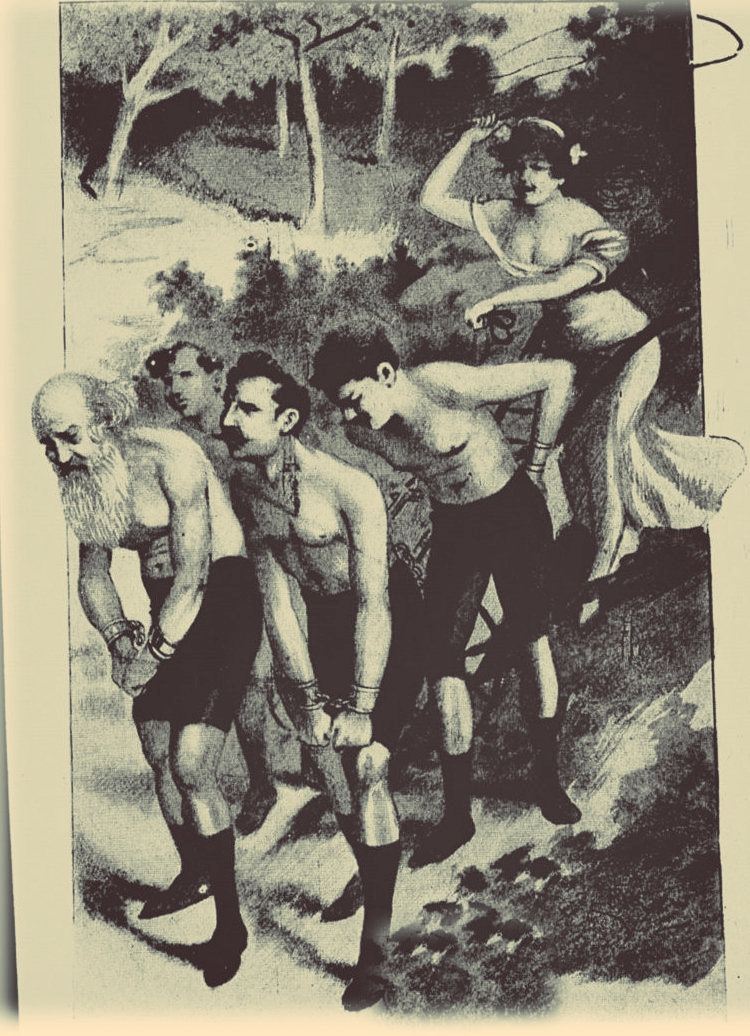
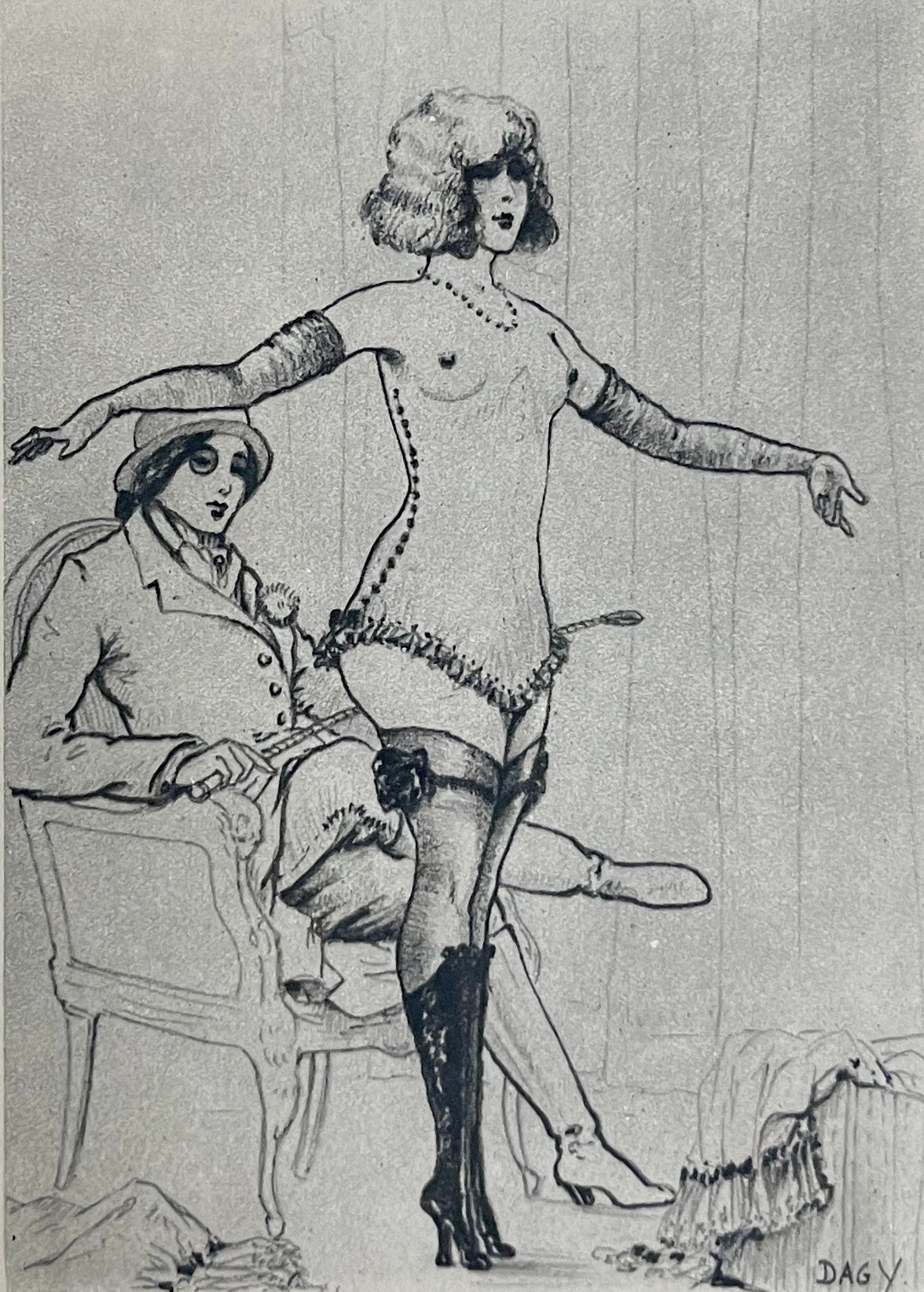
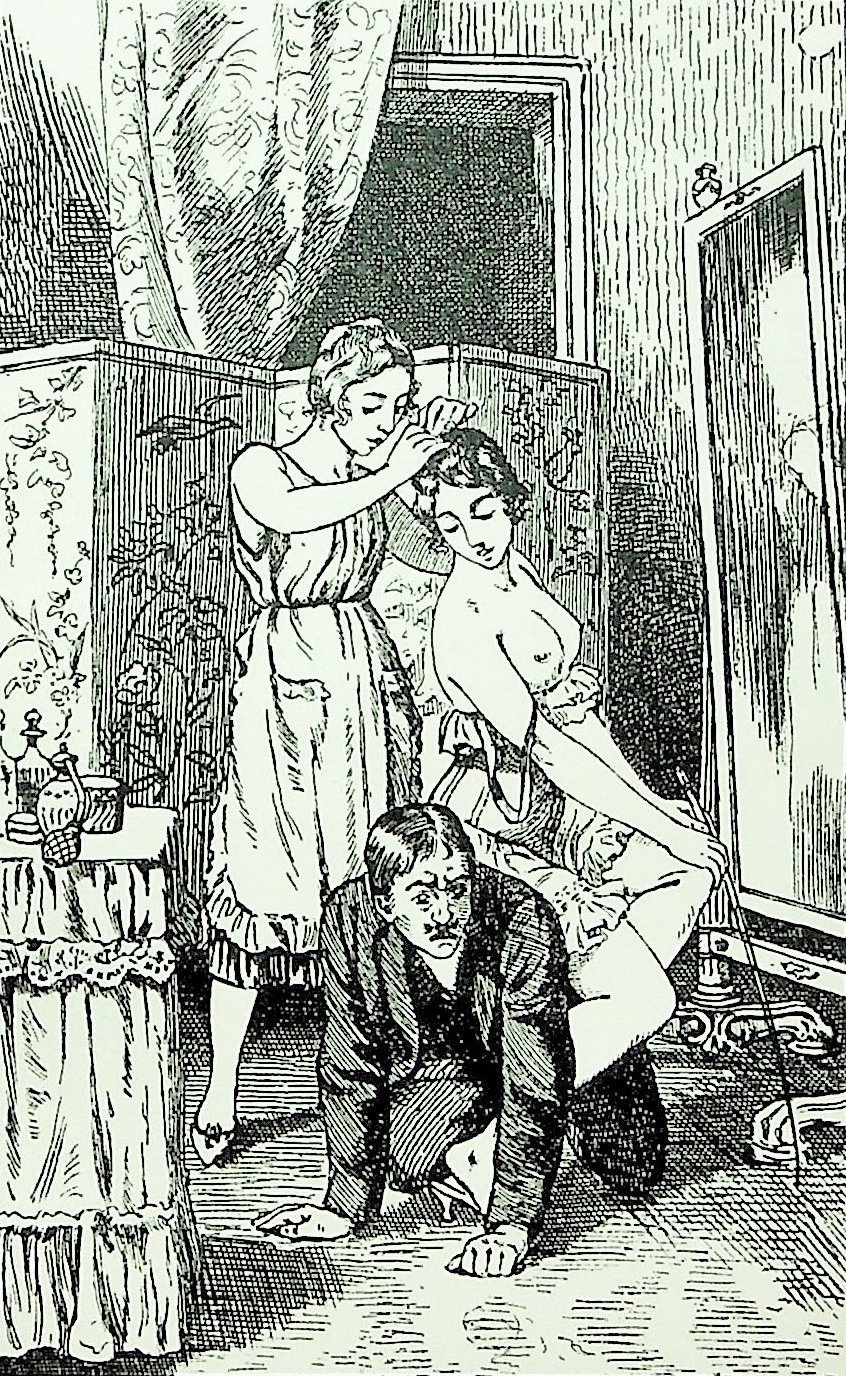
Collection des Orties Blanches (Jean Fort)
Jean Fort (1883–1968) stands as one of the most significant figures in this scene. Around 1921–1925, he launched the Collection des Orties Blanches, which became the most famous and longest-running series of sadomasochistic and flagellation novels. Common themes included schoolgirls, governesses, stern aunts, and institutional discipline.
Pierre Mac Orlan (under pseudonyms like Sadie Blackeyes or Pierre Dumarchey) was a key author for the series. Fort operated from addresses including Rue de Chabrol and later 79 Rue de Vaugirard. He collaborated with top illustrators such as Malteste, Lafnet, and others, and maintained additional imprints like Librairie du Bon Vieux Temps. His productions were generally of higher quality than many competitors, issued in limited runs (often 500–1,000 copies). Fort remained active until World War II.
Jean Fort… began a career of clandestine publishing before specializing openly in the production of works of a sado-masochistic character, and creating the celebrated Collection des Orties Blanches…
Scissors and Paste


Les Éditions du Couvre-Feu (Victor Vidal)
Victor Vidal (sometimes associated with related names in the trade) was a central (and notorious) publisher who dominated the flagellation and submission market in the 1930s, building on the success of Orties Blanches.
The Couvre-Feu imprint released numerous titles exploring slavery, whipping scenes, and dominance, such as À genoux, esclave and Caresses infernales. Illustrations frequently came from artists like Wighead. Vidal had previously taken over a lingerie business from L. Richard (better known as Yva Richard), linking fetish fashion directly to publishing.
He built a small “empire” with multiple imprints and labels. Compared to more luxurious editions, Couvre-Feu leaned toward a broader, mass-market appeal while maintaining strong fetish content.


Jardin d’Eros
Located at 6 Rue de Tracy in Paris, Jardin d’Eros was active in the 1930s and specialized in more extreme content. Its books emphasized humiliation, lustful torment, and darker torture elements, distinctly “twisted” compared to the lighter, often smiling flagellation scenes found elsewhere.
Notable examples include J. Van Styck’s Épouvantes Voluptueuses (1935, with Wighead illustrations) and titles by Jean d’Ayeud such as Croupes Sanglantes and La Fesseuse Passionnée. This publisher pushed boundaries within the genre.


Select-Bibliothèque (Sceaux, often linked to Massy)
Unlike purely underground operations, Select-Bibliothèque published openly and specialized in fetish and flagellation material. The series ran for decades, starting in the early 20th century, and featured long-running authors such as Don Brennus Aléra, Roland Brévannes, and Bernard Valonnes (which were all pseudonyms for Paul Gueárd).
Popular titles included Les Asservies and Le Journal d’une flagellée. Stories frequently revolved around school and institutional settings, leather, whips, and strict discipline. Illustrations named were Esbey, Tack, and Selby, also connected to Paul Gueárd. Its accessibility and consistent output made it a cornerstone of early 20th-century fetish literature.


Éditions Prima
Another major player in the 1930s flagellation boom, Éditions Prima (with an address on Rue Servan, among others) produced numerous titles characterized by a lighter, more playful tone. The characters being spanked or dominated often appeared to be enjoying themselves, in contrast to publications that portrayed suffering more intensely.
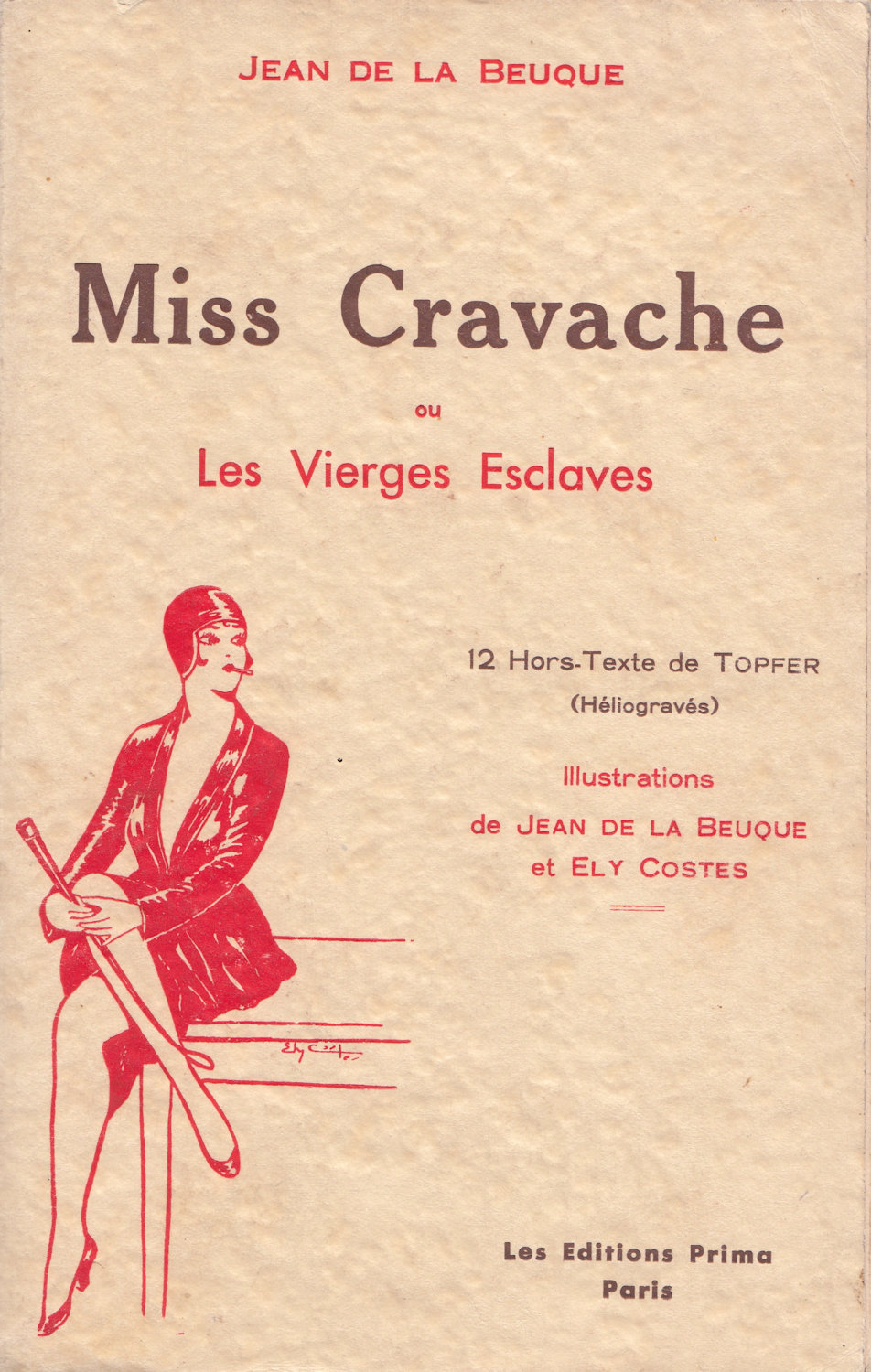
Key examples: Armand du Loup’s La Volupté du Fouet (1938, illustrations by R. Fanny/Étienne Le Rallic), Gaston Vincennes’ L’Amour fouetté, and Jean de la Beuque’s Miss Cravache ou Les Vierges Esclaves.
Its accessible style helped broaden the genre’s reach.

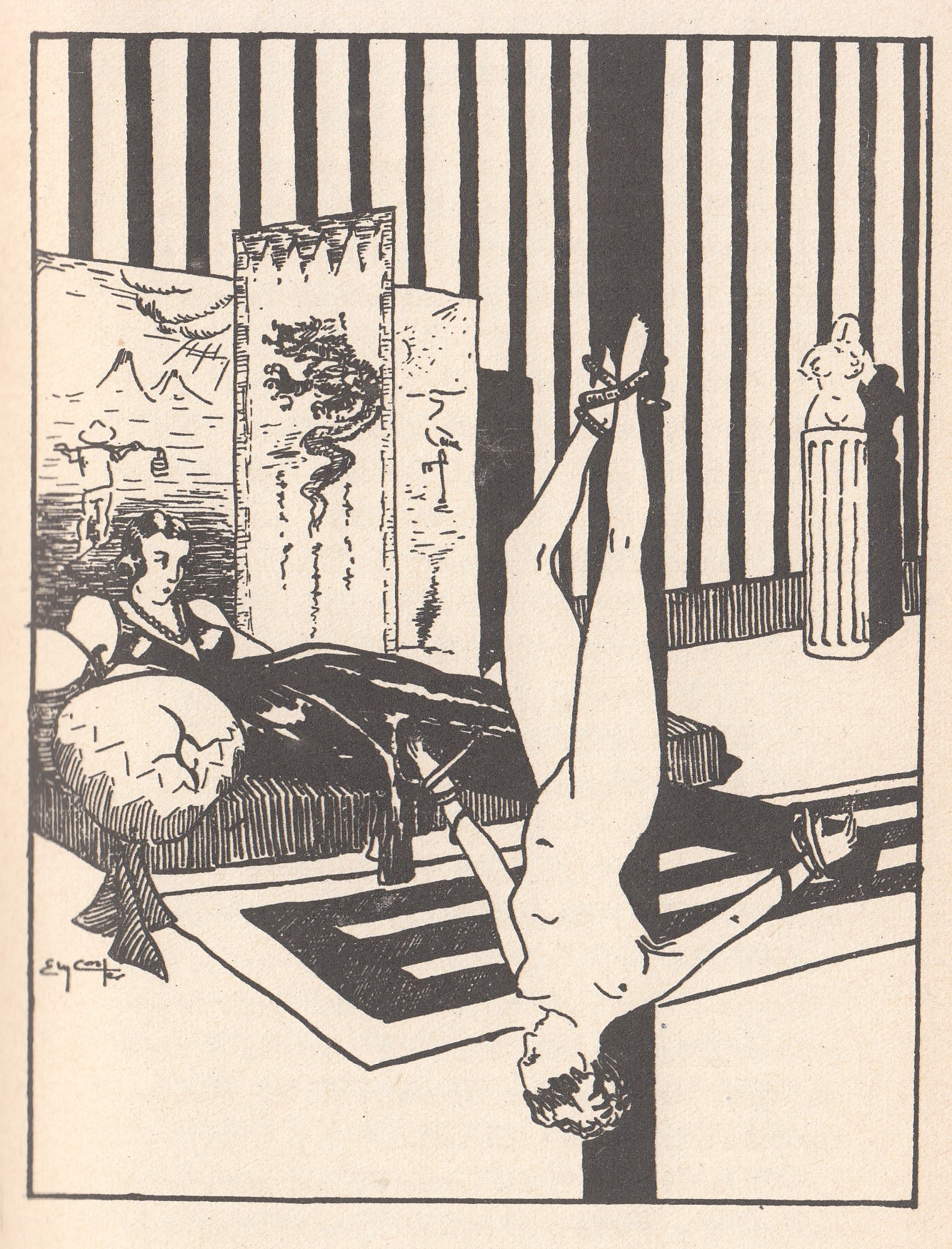
Librairie Artistique et Éditions Parisiennes Réunies (Paul Brenet)
Paul Brenet’s Librairie Artistique et Éditions Parisiennes Réunies was another key imprint dedicated to fetish and flagellation erotica. Like Select-Bibliothèque, it operated relatively openly and contributed a steady stream of specialized titles that catered directly to enthusiasts of corporal punishment and dominance themes. It formed part of the broader network of Paris-based publishers keeping this niche vibrant throughout the period.
Conclusion: A Lasting Legacy
The interwar years represented a golden age for French flagellation and BDSM-related publishing. Publishers like Jean Fort, Victor Vidal, and the houses behind Jardin d’Eros, Select-Bibliothèque, and Prima created a rich, visually striking body of work that continues to fascinate collectors and historians today. These books blended fantasy, fetish, and high-quality production values, leaving an indelible mark on erotic literature.
Many titles remain sought-after rarities, offering a window into the desires and subcultures of early 20th-century Europe.
Recommended
Vintage Bdsm Art – search for artists mentioned in this article
Scissors and Paste
Wikipedia Jean Fort
Honest Erotica
Paris Olympia Press