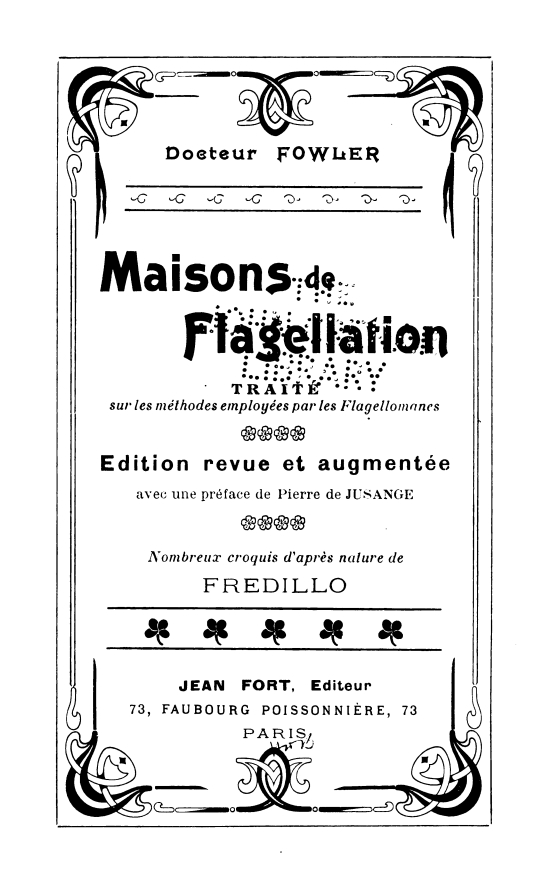
Traité sur les méthodes employées par les flagellomanes (c. 1911)
Maisons de Flagellation is one of the rarer French erotic treatises from the early 20th century. Presented as a practical and semi-scientific study, the book claims to examine the psychology and techniques of flagellomania (the erotic compulsion for flagellation) while paying particular attention to the “maisons de flagellation”: specialized establishments where professional dominatrices offered corporal punishment services to clients.
These “houses” were the French equivalent of the famous English “flagellation brothels” of the 18th and 19th centuries. The text describes in detail the interior layout, the variety of instruments used (birches, whips, martinets, straps, and specialized furniture), the different styles of sessions (from mild correction to severe discipline), and the psychological dynamics between the mistress and her clients. It portrays these maisons as semi-secret institutions catering to a wealthy and often respectable clientele seeking structured corporal punishment in a controlled, professional environment.
The author goes beyond simple description by attempting to categorize different types of flagellomaniacs, their preferred methods, and the supposed therapeutic or erotic benefits they derived from the practice, a common rhetorical device in this genre to give the work a pseudo-medical legitimacy while delivering highly erotic content.

1. Le Tawse écossais. → The Scottish tawse.
2. La verge de bouleau. → The birch rod.
3. Le gant de massage. → The massage glove.
4. Le martinet. → The martinet.
5. La cravache. → The riding crop.
6. La canne de bambou. → The bamboo cane.
7. Le knout. → The knout.
8. La discipline des moines (Cordeliers). → The monastic discipline (Cordeliers).
Published in Paris (with some copies carrying a false Prague imprint, a common practice at the time to avoid censorship), the work mixes pseudo-medical and historical observations with highly detailed erotic descriptions. It stands as a typical example of the sophisticated clandestine literature that flourished in France during the late Belle Époque and pre-WWI period.
The Illustrations
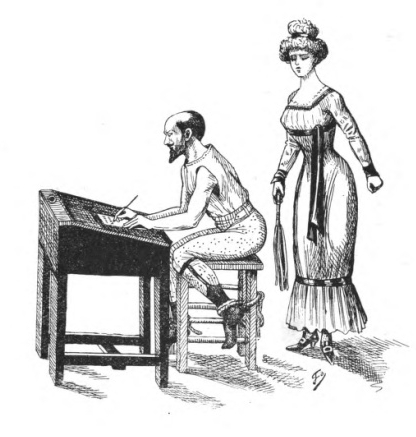
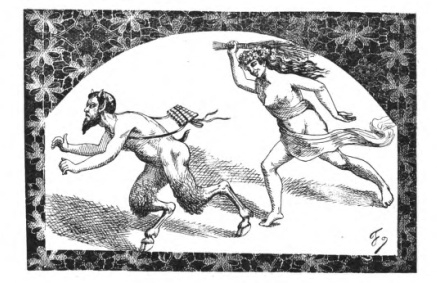
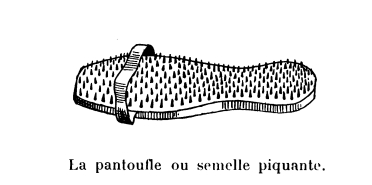
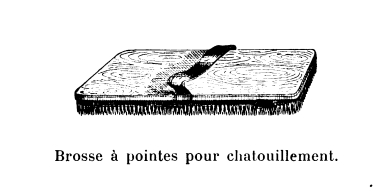
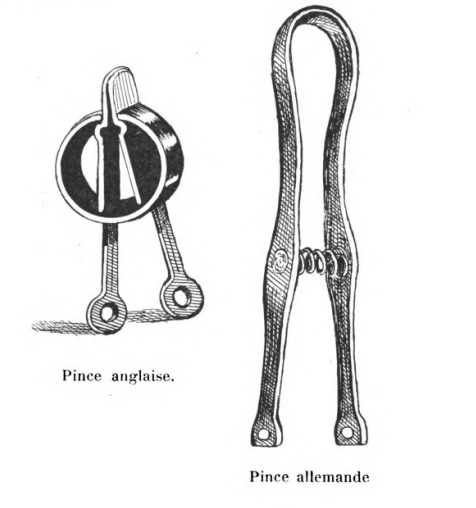
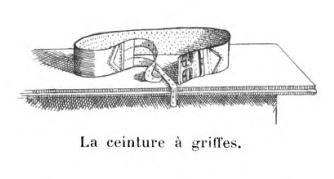
The book is particularly valued for its plates, which depict a wide range of flagellation scenes, implements (whips, birches, martinets, etc.), positions, and interior views of maisons de flagellation. The artwork shows a characteristic early 20th-century French erotic style, elegant yet explicit, with attention to atmosphere, furniture, and the psychological dynamic between dominant and submissive figures.
The book is illustrated with numerous plates by Fŕedillo, a regular artist for Jean Fort’s publications.
Historical connection
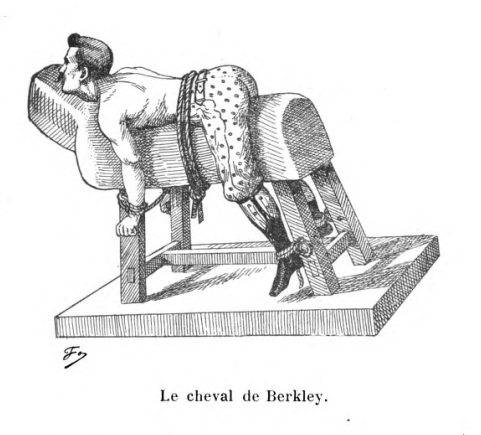
Several illustrations in Maisons de Flagellation show clear thematic and compositional links to earlier English flagellation traditions. Notably, one plate strongly echoes the famous Berkley Horse apparatus, the iconic flogging machine designed by or associated with Theresa Berkley in early 19th-century London. This visual reference makes the book an important link between Victorian English flagellation culture and its French successors in the 20th century.
Like many works of its kind, Maisons de Flagellation was printed in limited numbers and circulated discreetly. Surviving copies are rare, and the combination of text and original illustrations gives it lasting value for researchers and collectors interested in the material culture and visual history of BDSM practices.
A complete scanned version can be viewed here.