Charles Carrington (the publishing name of Paul Harry Ferdinando, 1867 – 1921) was one of the most important British publishers of erotica in late-19th- and early-20th-century Europe. Born in the working-class district of Bethnal Green in London’s East End, he grew up in poverty. By the age of thirteen he was already working as an office boy; a few years later he was selling books from a street barrow in Farringdon Market. Those early years in the rough-and-tumble book trade shaped the shrewd, entrepreneurial publisher he would later become.
From London to Paris
Around 1895 Carrington left London for Paris, a move that allowed him to escape Britain’s increasingly severe obscenity laws. He first set up shop at 32 rue Drouot and soon settled at the address that became synonymous with his name: 13 Faubourg Montmartre. From there he built a remarkable dual catalogue. On the one hand he issued classical and literary works: the first English translation of Aristophanes’ comedies, editions of Oscar Wilde’s The Picture of Dorian Gray, books by Anatole France, and Petronius’ Satyricon, that gave his business an air of respectability. On the other hand he specialised in erotic literature, with a clear emphasis on flagellation and sexual discipline.
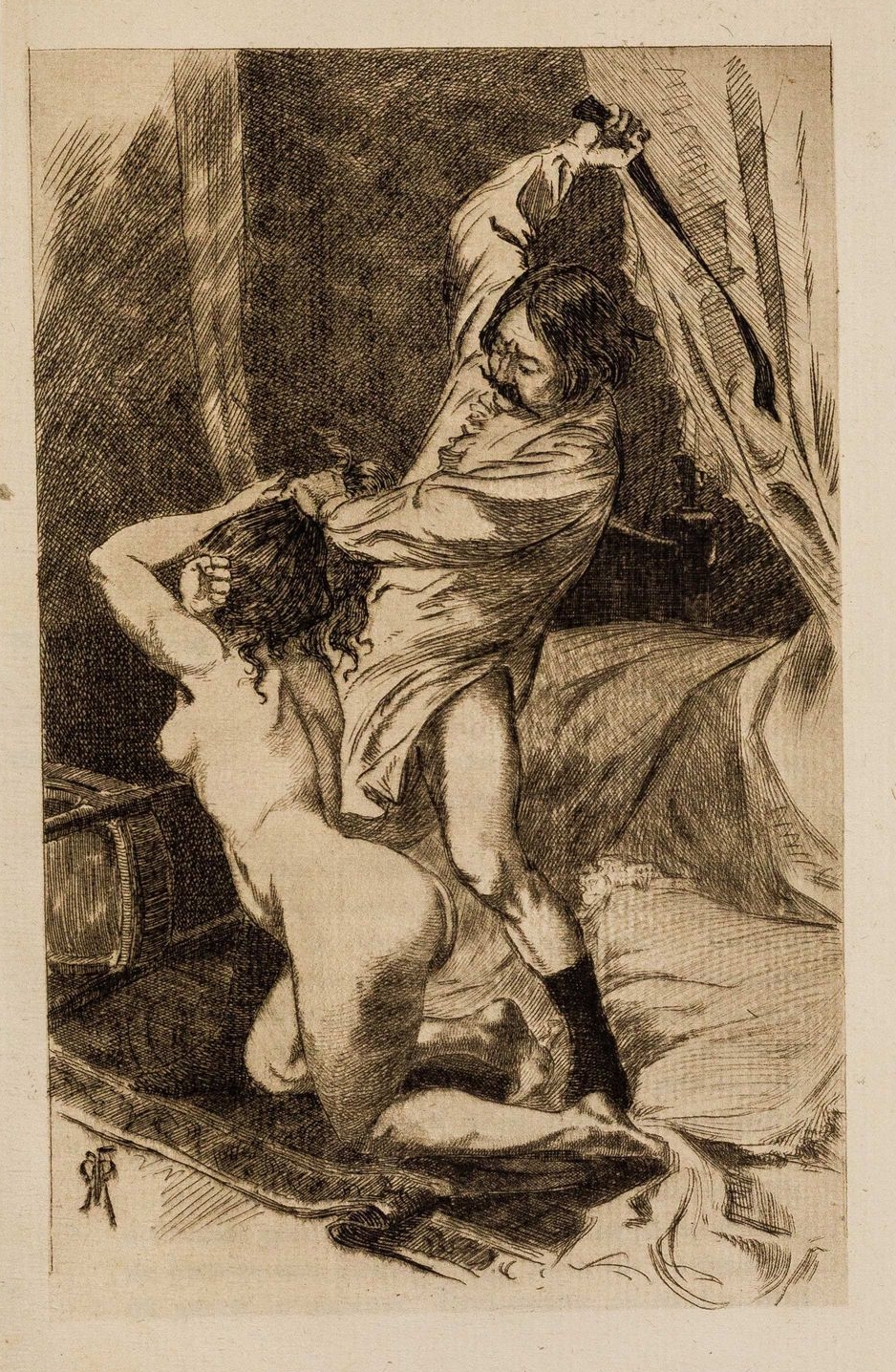
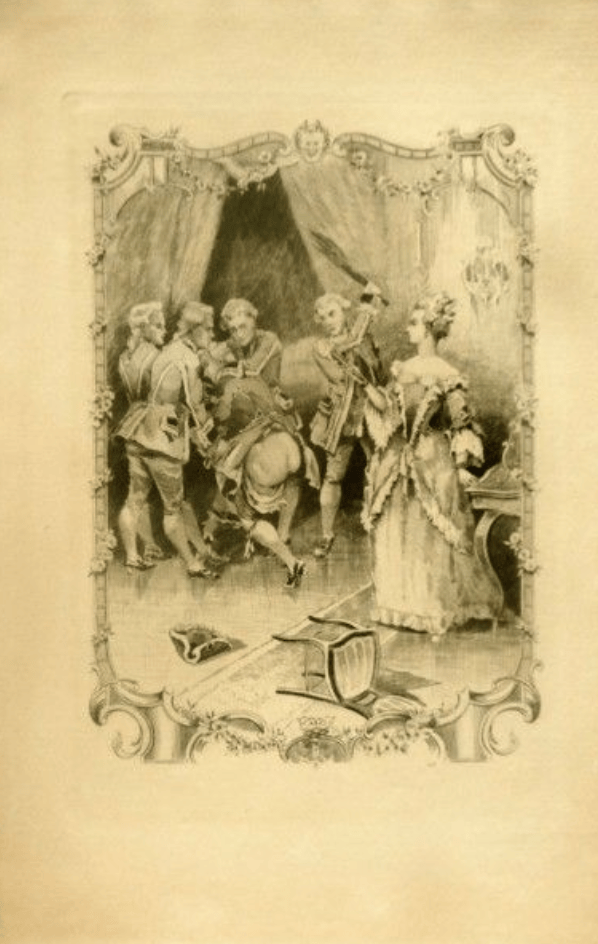
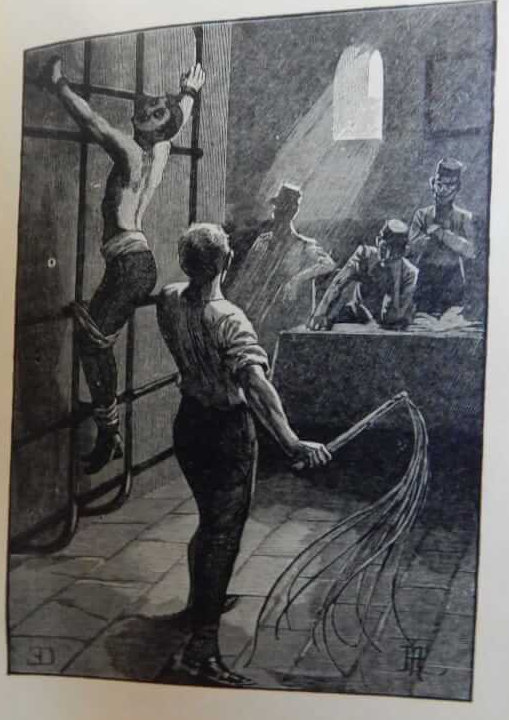
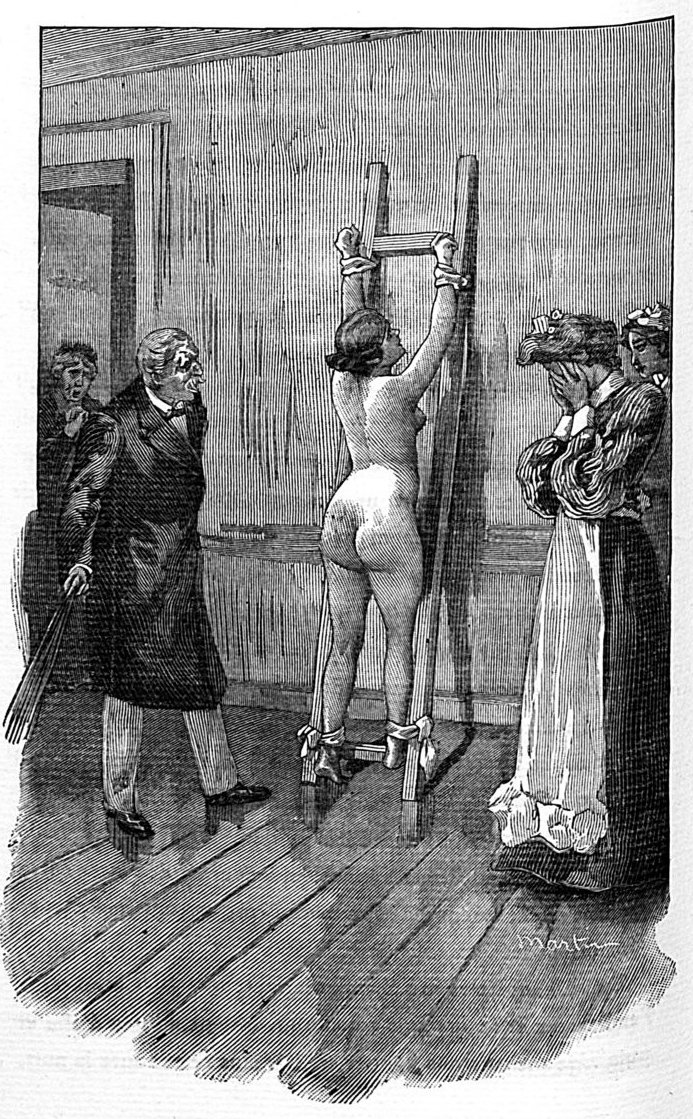
In roughly twenty-six years he published nearly three hundred titles. Many appeared in luxurious limited editions of only 100 to 500 copies, printed on fine papers and sold by private subscription. He worked under a variety of imprints, Librairie des Bibliophiles, Society of British Bibliophiles, Erotica Biblion Society, and others, to keep the more sensitive titles discreet. Artists such as Martin van Maële and Paul Avril provided the illustrations that still define the visual language of that era’s spanking literature.




Flagellation as Speciality
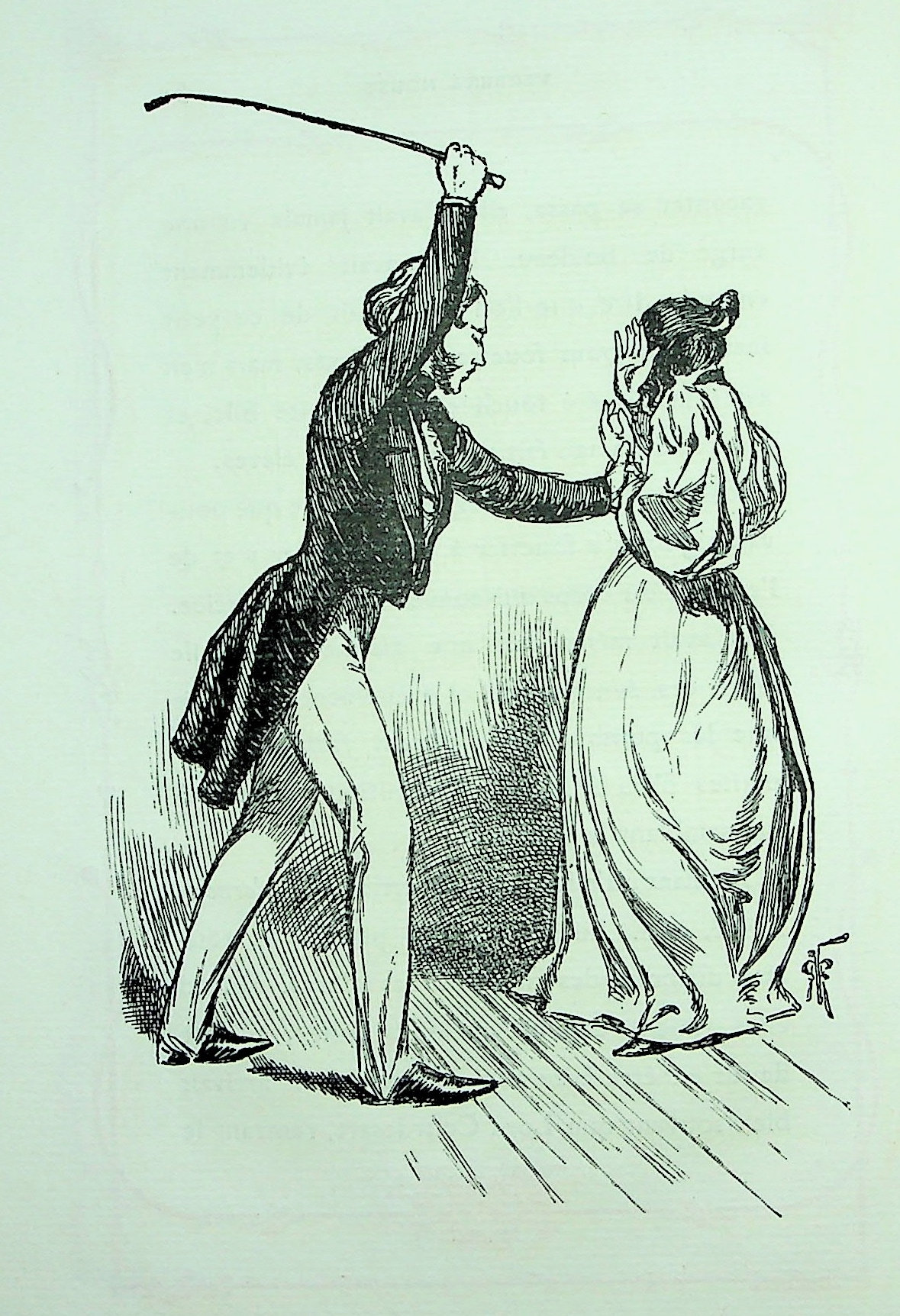
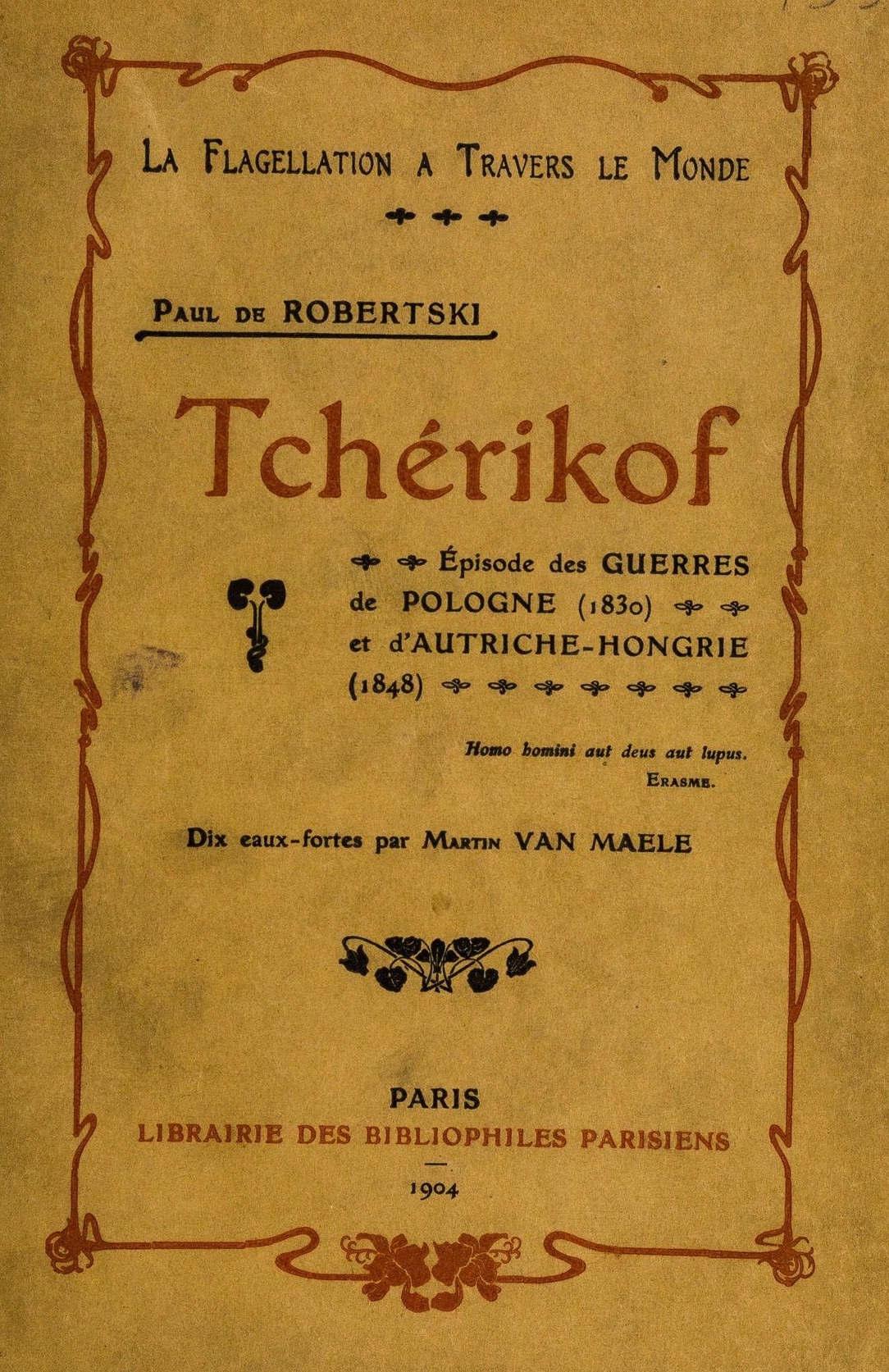
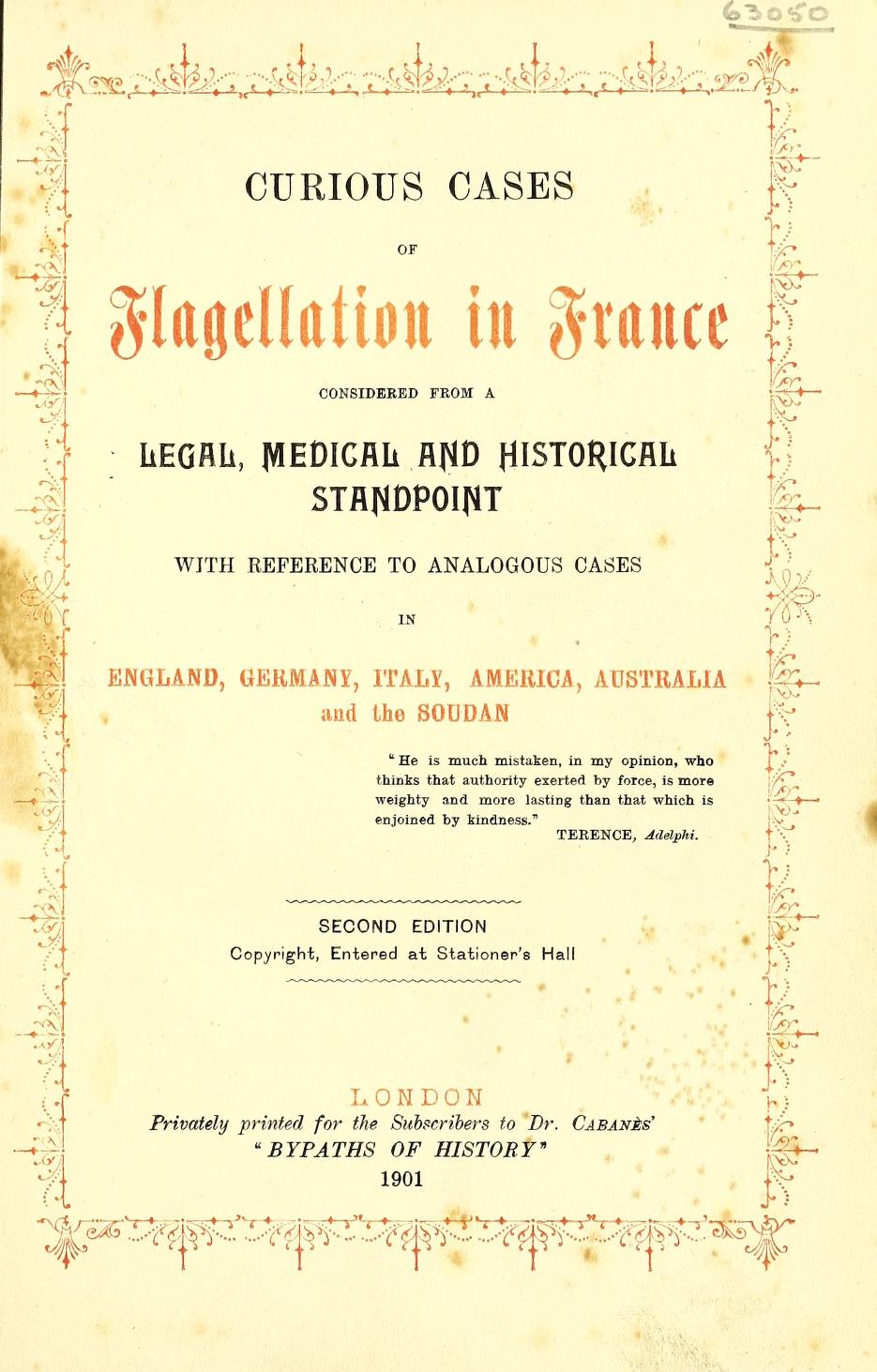
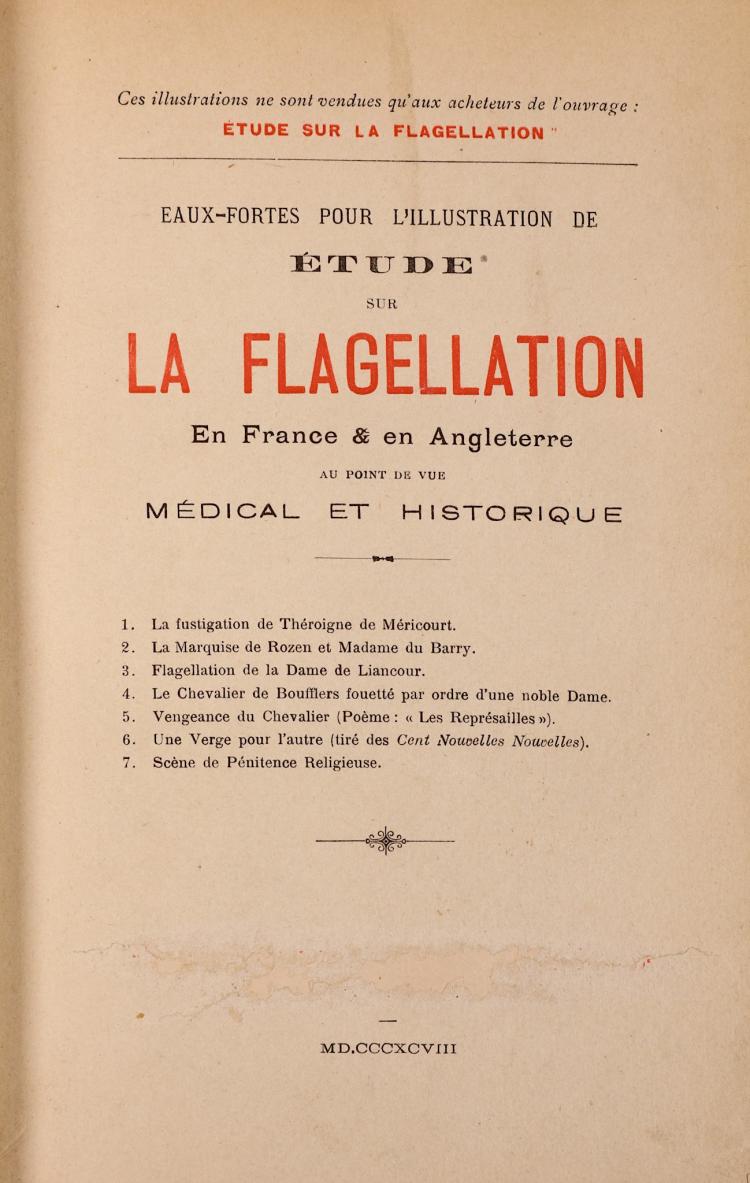
Carrington’s greatest contribution to the history of erotic publishing was his sustained focus on flagellation. He issued the French series La Flagellation à Travers le Monde, presenting the love of the rod as a particularly English passion. Among his best-known titles are The Memoirs of Dolly Morton (1899), Nell in Bridewell (1900), Woman and Her Master (1904), and The Beautiful Flagellants of New York (1907). He also published pseudo-scholarly works such as Flagellation in France from a Medical and Historical Standpoint and Untrodden Fields of Anthropology, which mixed genuine curiosity with material clearly aimed at collectors of the forbidden.
In 1902, under the pseudonym “An Old Bibliophile,” he brought out Forbidden Books: Notes and Gossip on Tabooed Literature. In it he defended the right to publish and read banned books, summing up his own position with the memorable line:
It is not often that a man of the world is a bibliophile, or a bibliophile a man of the world.
Charles Carrington, Forbidden Books: Notes and Gossip on Tabooed Literature (1902)
In the same volume he catalogues and comments on the very works (many of them his own) that the authorities sought to suppress, turning a sales catalogue into a quiet manifesto for the right to read and publish the forbidden.

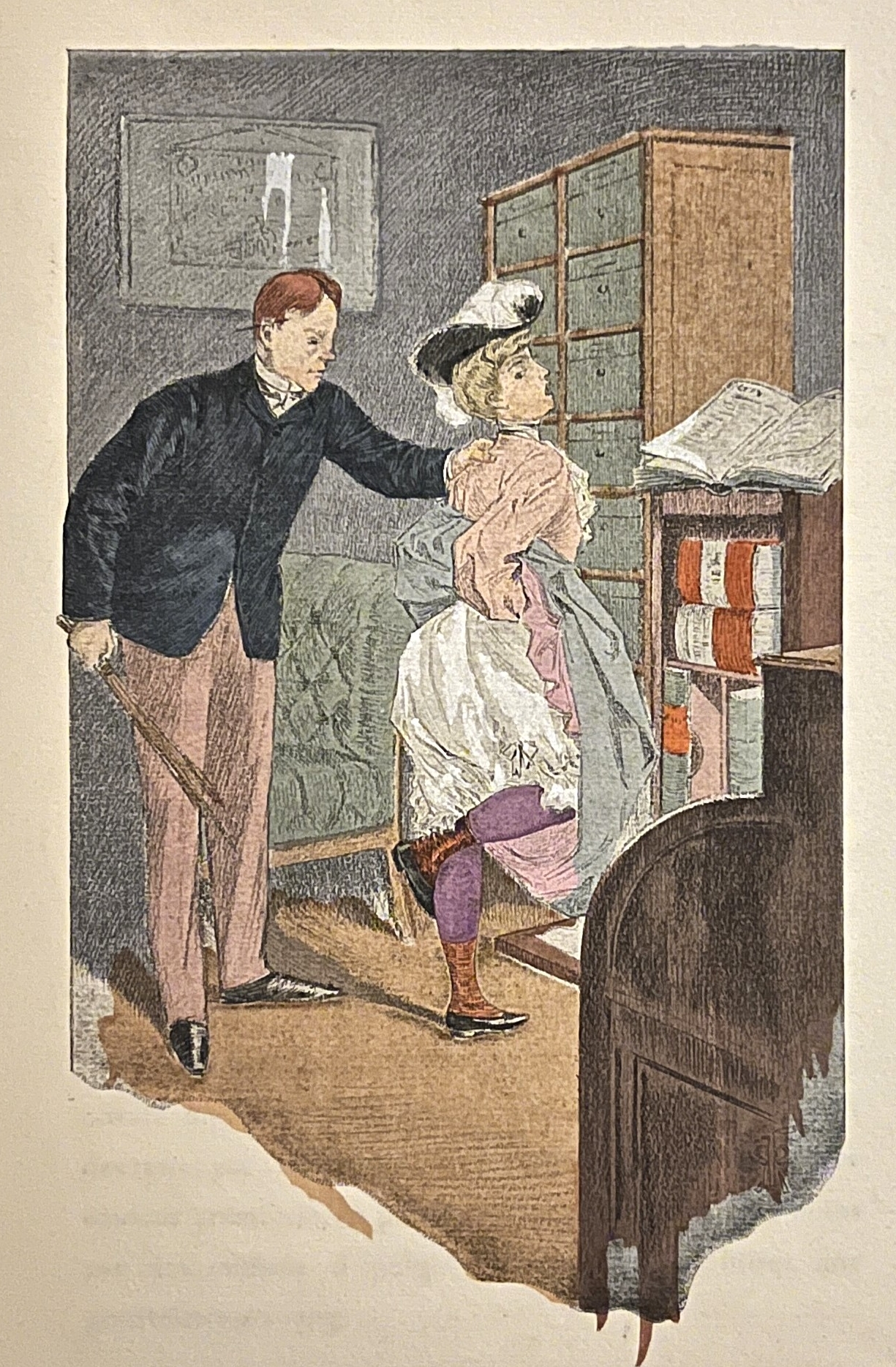
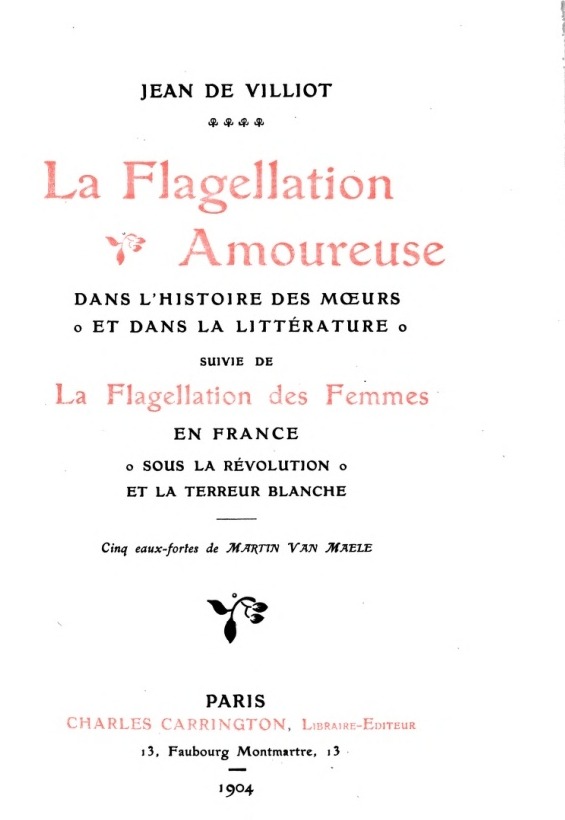
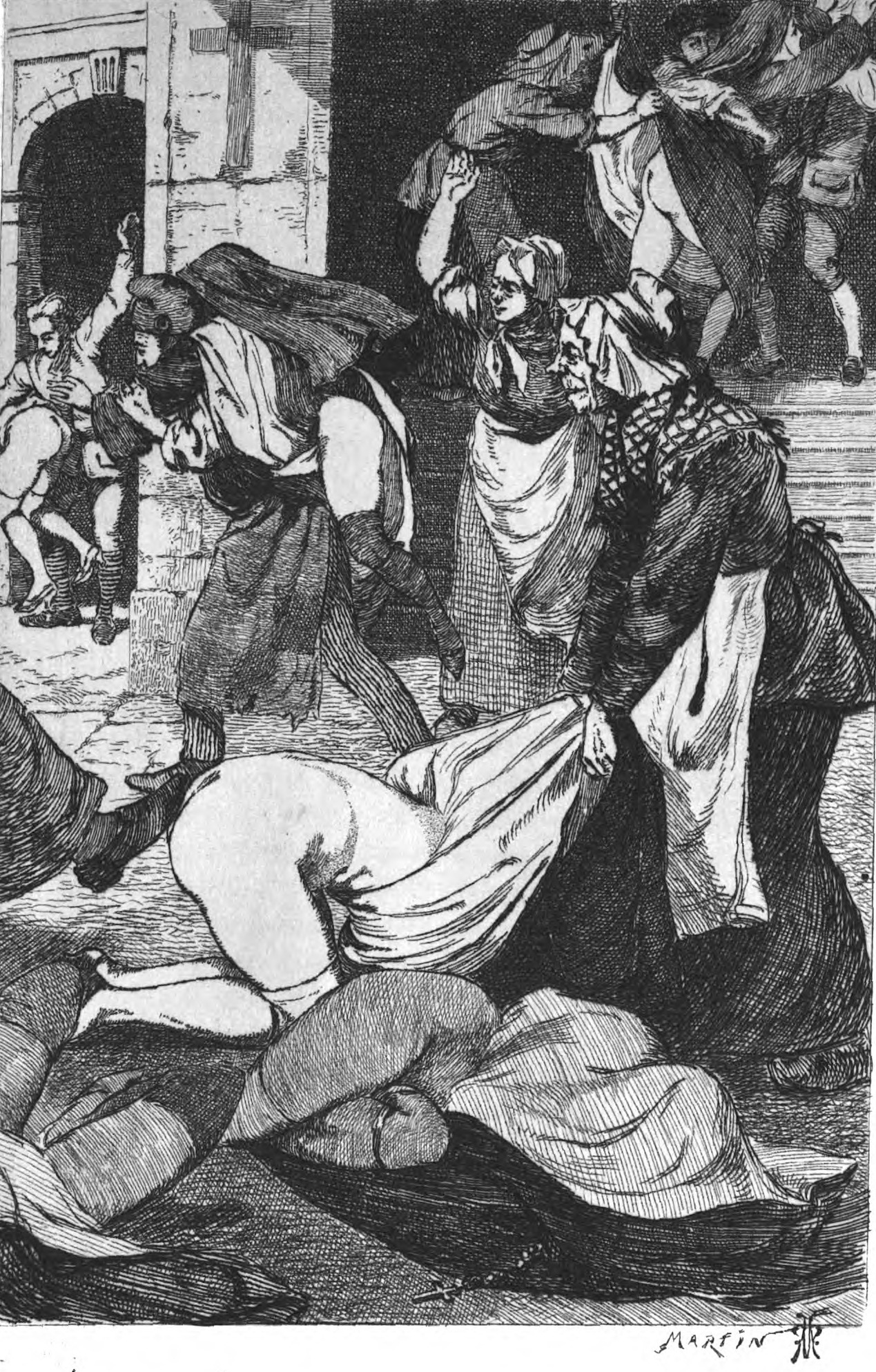
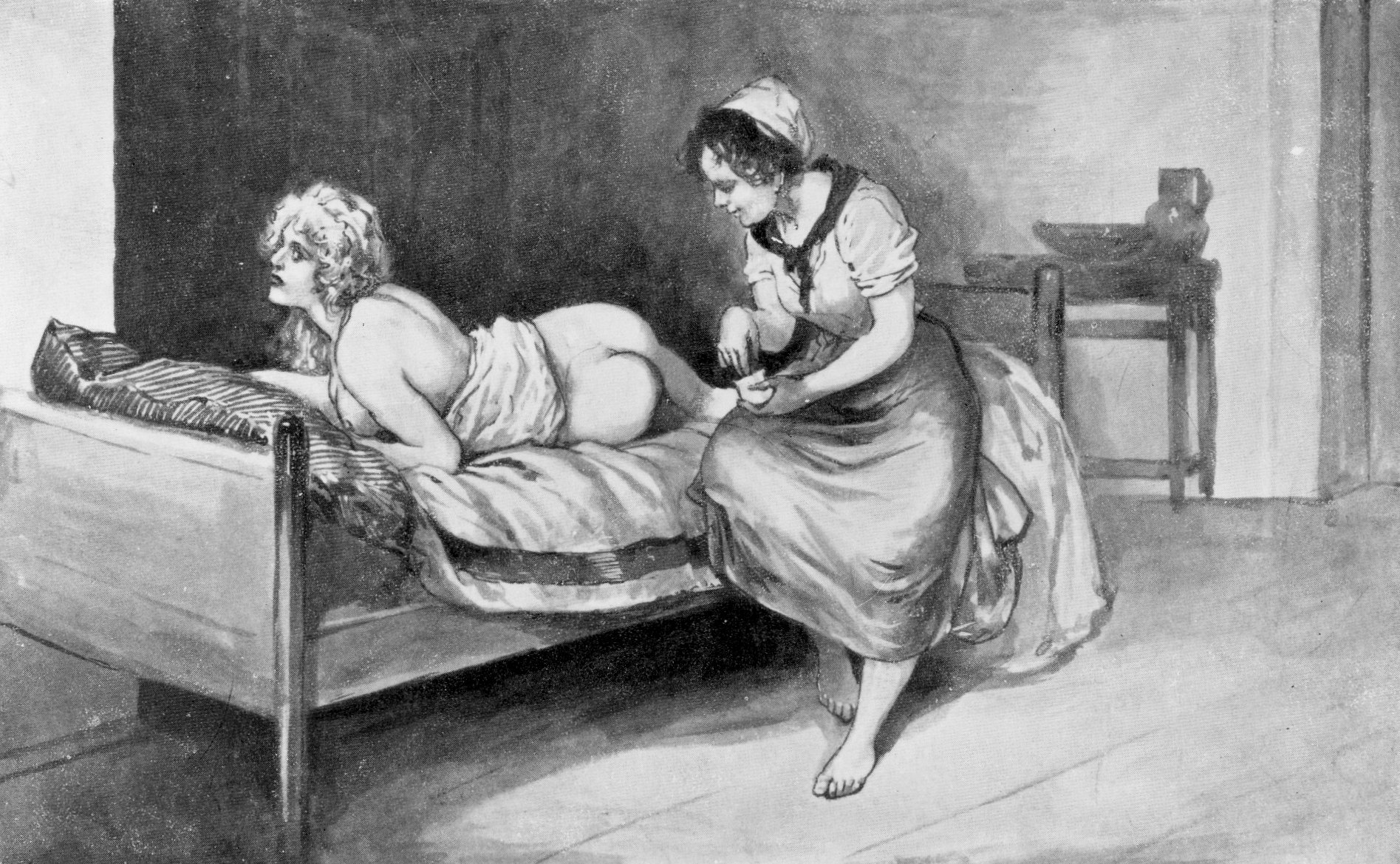


La Flagellation à Travers le Monde
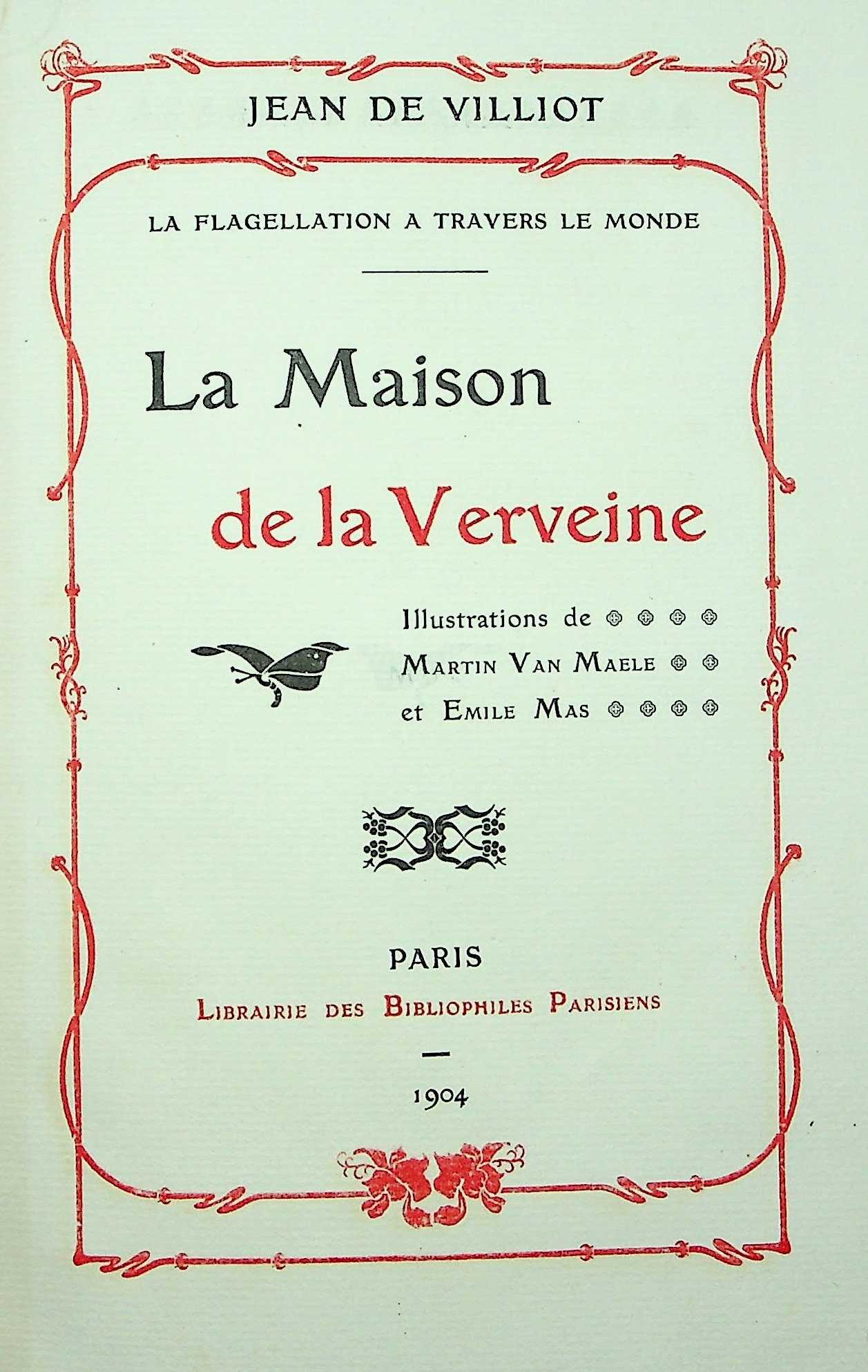
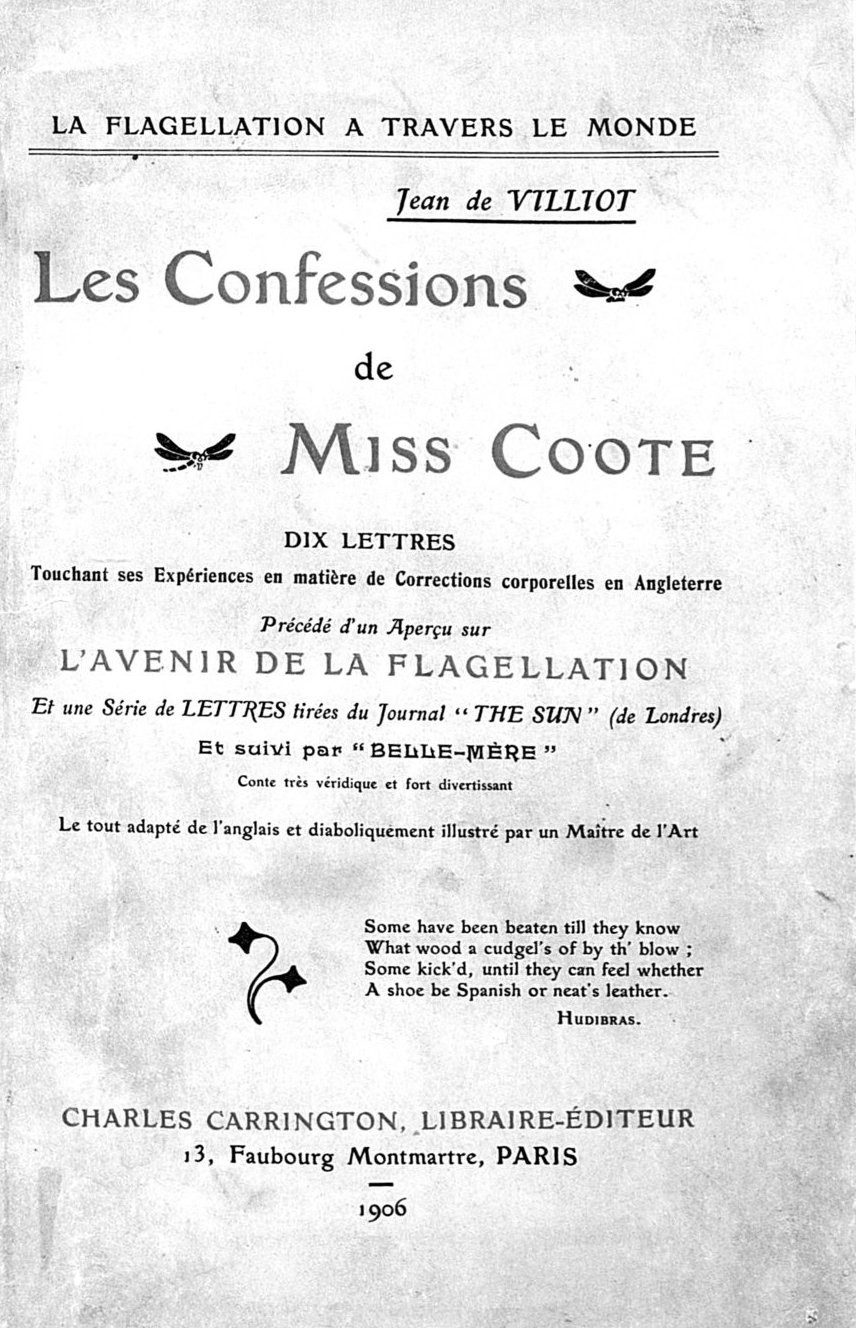
La Flagellation à Travers le Monde is a series of books published by Charles Carrington in Paris between roughly 1899 and 1907, often under the collective pseudonym Jean de Villiot. Although the title means “Flagellation Around the World,” the series focused mainly on English flagellation practices, presenting the love of the rod as a particularly English predilection.
The foundation of the series was the 1898 English work Flagellation in France from a Medical and Historical Standpoint, which Carrington issued in French in 1899 as Étude sur la Flagellation à travers le monde…. An expanded English edition appeared in 1901 under the title Curious Cases of Flagellation in France. Subsequent volumes mixed pseudo-historical and medical framing with explicit flagellation narratives and were frequently illustrated by artists such as Martin van Maële, René Lelong, and others.
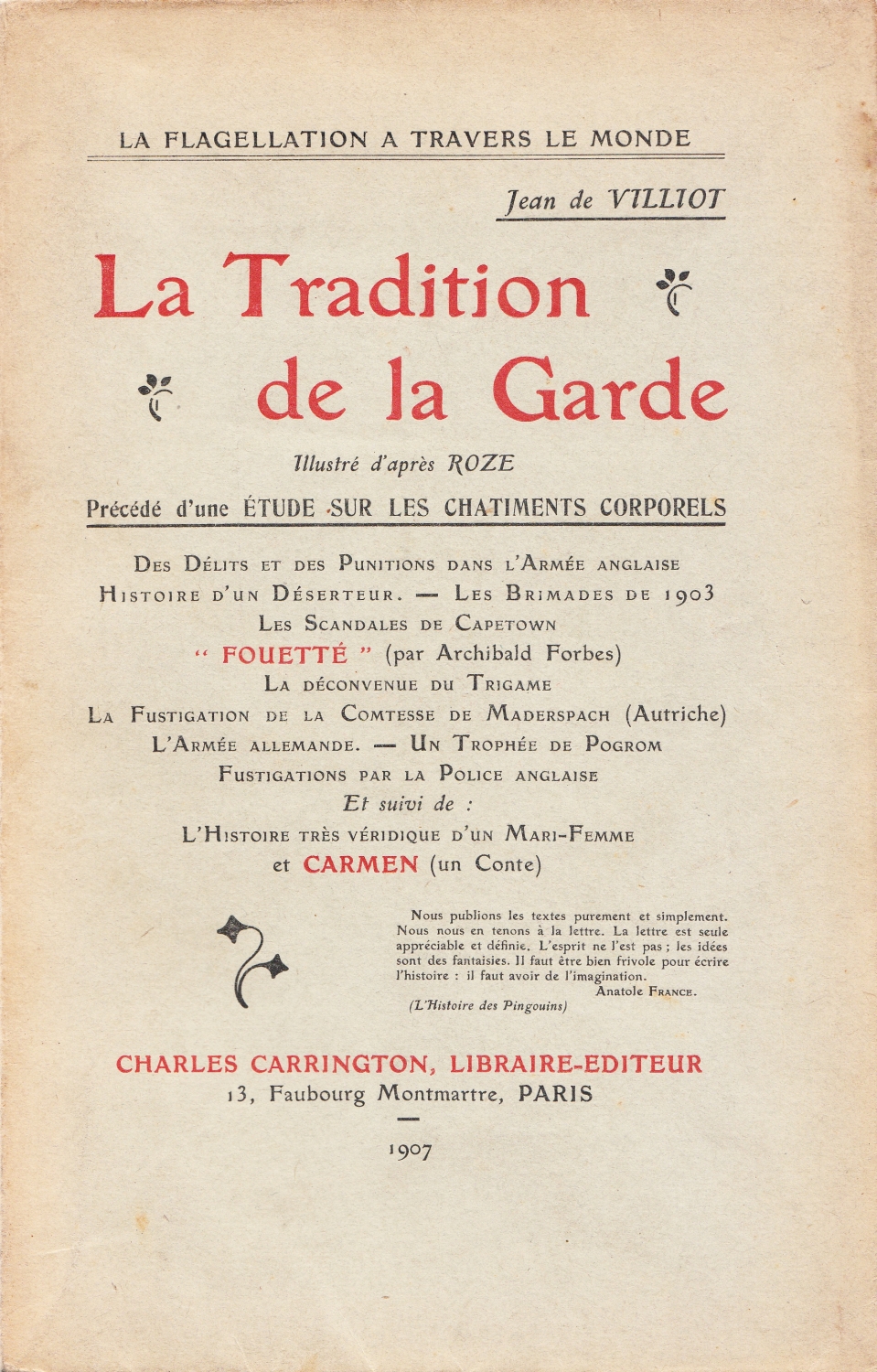
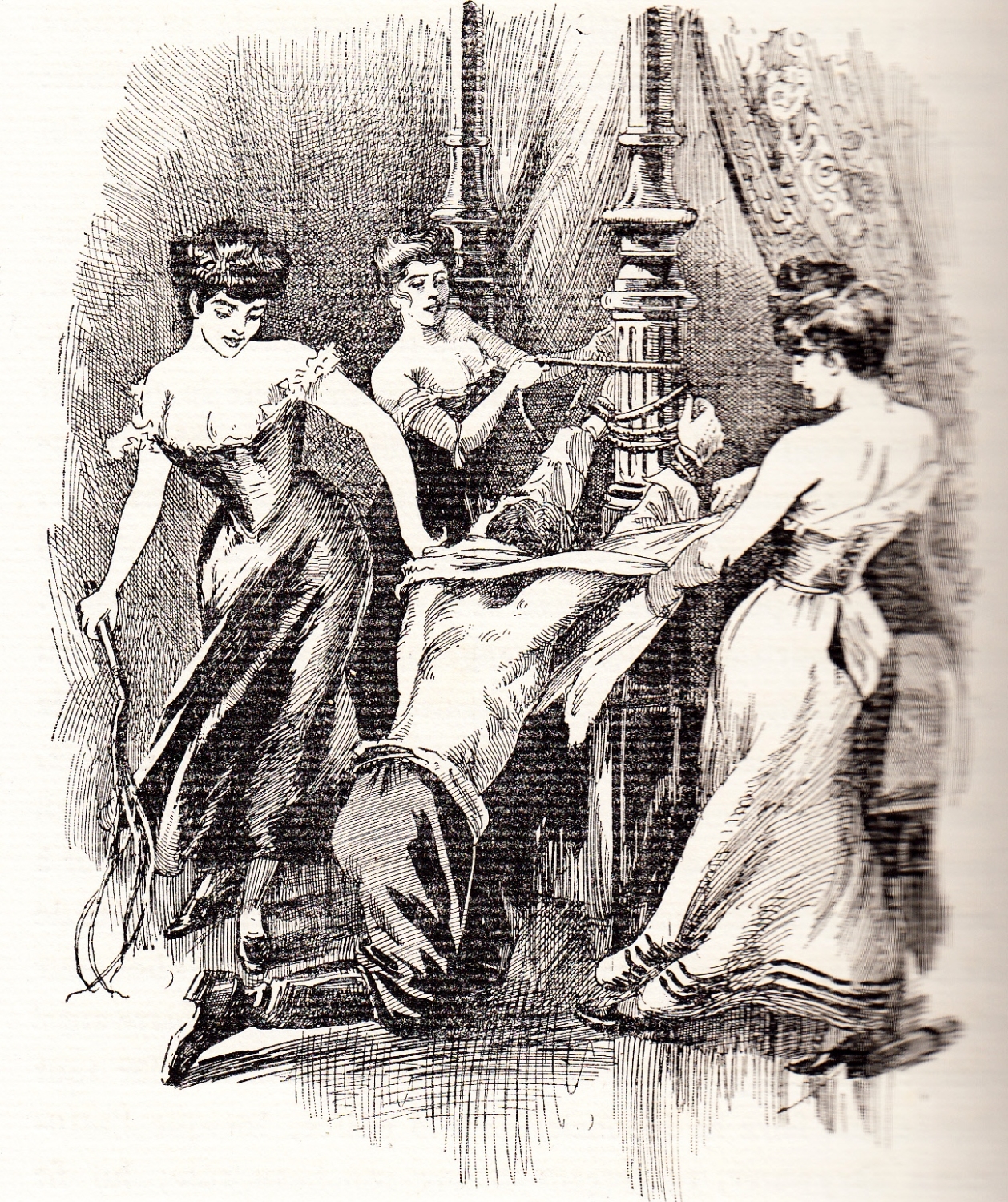
Key titles in the series include Le Fouet à Londres (1902), Tchérikof (1904), Camille et Moi (1904), and La Tradition de la Garde (1907). Issued in limited editions for private subscribers, these books form one of the most important visual and literary records of early 20th-century flagellation erotica. Discover the illustrations on Vintage Bdsm Art.
Exile, Decline and a Quiet End
The authorities eventually caught up with him. In 1907 he was expelled from France for publishing and selling literature “of a very obscene and vulgar character.”
He moved to Brussels, where he continued on a smaller scale until around 1912, then returned to Paris and set up shop at 11 rue de Châteaudun. By then his finances were collapsing.
In a letter of 1913 he admitted he was “practically done for” and no longer had the means to bring out the translations he still had ready. Syphilis gradually blinded him. In his final years he lived in poverty; according to contemporary accounts his mistress made off with his valuable collection of rare books. He ended his days in a psychiatric institution at Ivry-sur-Seine and died there in 1921.
A Lasting Legacy
Carrington’s importance goes far beyond the scandals of his own time. The clandestine volumes he published (often in tiny, carefully printed editions illustrated by the best erotic artists of the day) form a crucial historical record. They show that themes of dominance, submission, discipline and the erotic power of the rod were already richly explored, discussed and visualized more than a century ago. What was once forced underground has become, for modern readers and researchers, an indispensable archive of desire. Without publishers like Carrington, much of that visual and literary heritage would have been lost or remained invisible.
His books remind us that the interests now collected and studied on sites devoted to vintage BDSM art have deep and continuous roots.
Sources & Recommended
Grokipedia
Eroticabibliophile – the most detailed bibliographical checklists of Carrington’s publications
Paris Olympia Press – occasional posts on Carrington and related clandestine publishers
Vintage Bdsm Art – books and artists published by Carrington
Forbidden Books: Notes and Gossip on Tabooed Literature – digitized version of this 1902 publication