Pierre Molinier (1900–1976), the reclusive French artist from Bordeaux, stands as one of the most uncompromising figures in erotic and fetishistic art. Beginning his career as a landscape painter, he gradually abandoned conventional canvases for a deeply personal exploration of photography and photomontage.
I suffer from a very serious sickness named eroticism
Pierre Molinier
This stark admission captures the essence of his practice, an all-consuming drive where fetish and desire were inseparable from artistic creation. For Molinier, the act of photographing himself in these elaborate guises was both confession and catharsis: a way to manifest forbidden longings, to become the dominatrix, the submissive, the androgyne, or the shaman he envisioned. In an era when such expressions were heavily stigmatized, his work offered no apology, only unflinching devotion to the erotic as a sacred, solitary theatre.
From Landscapes to the Mirror of Desire
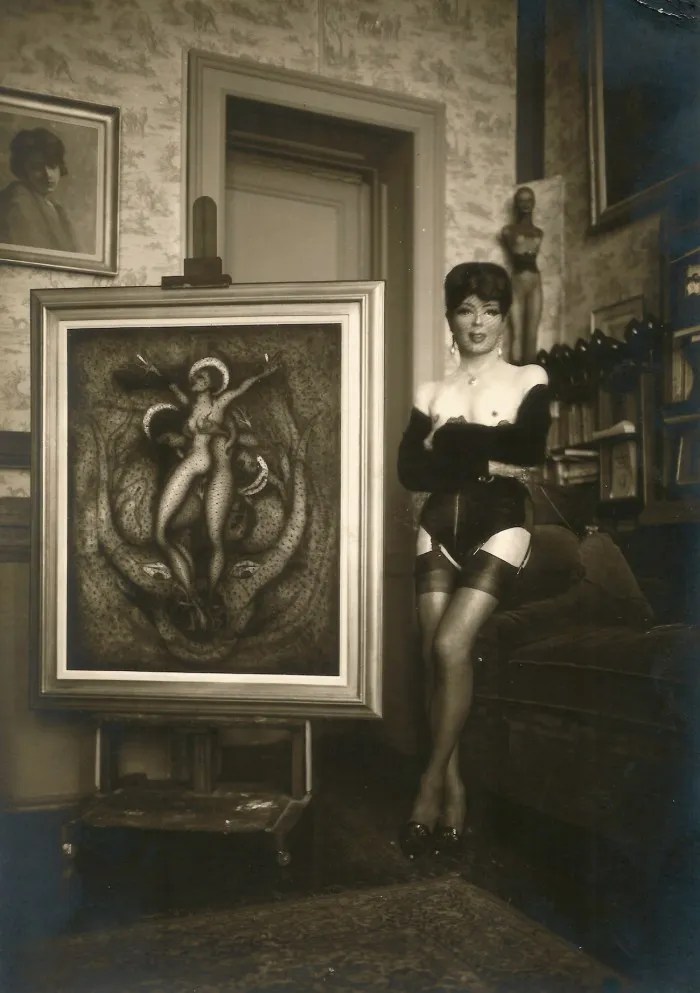
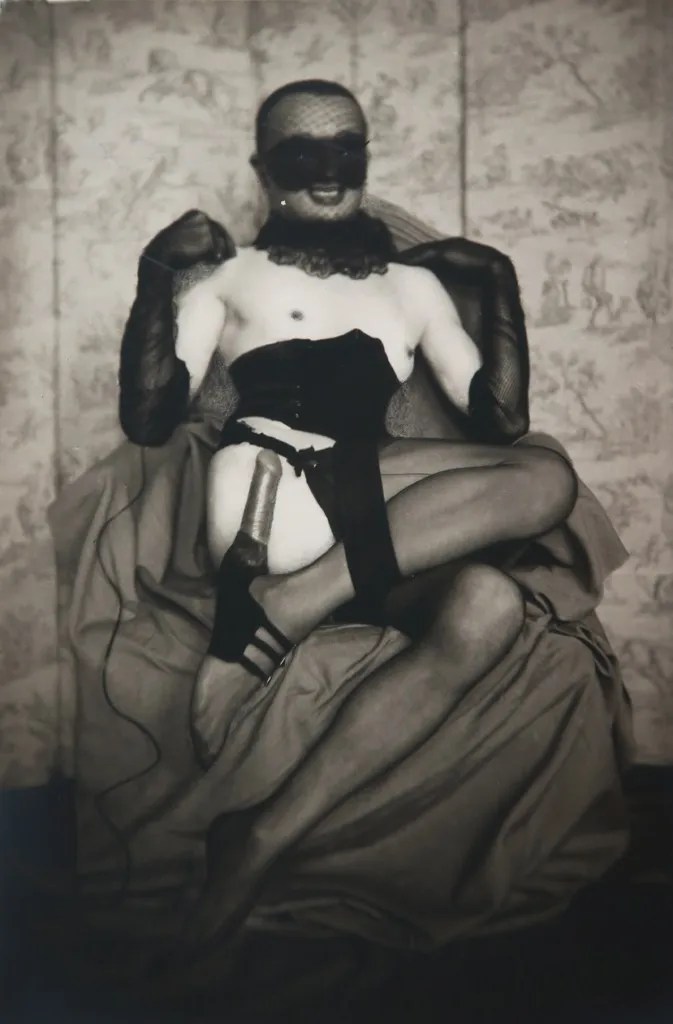
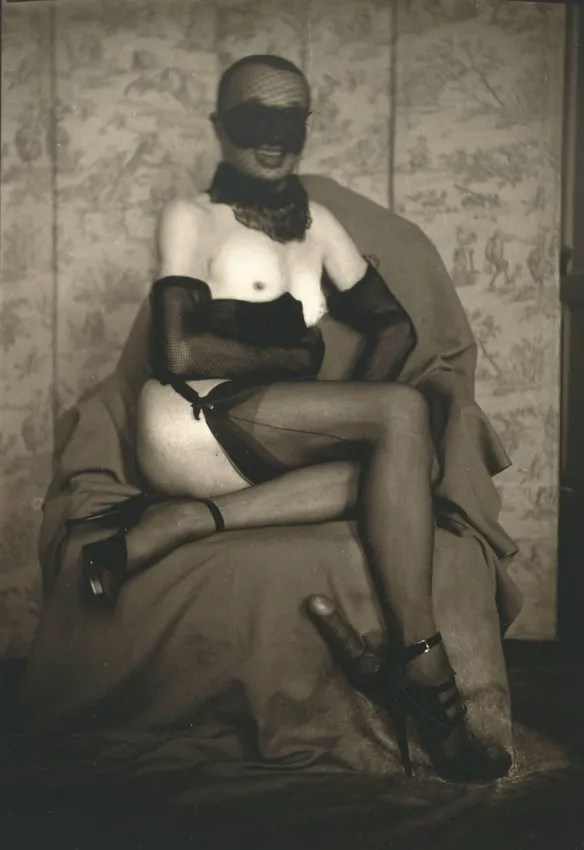
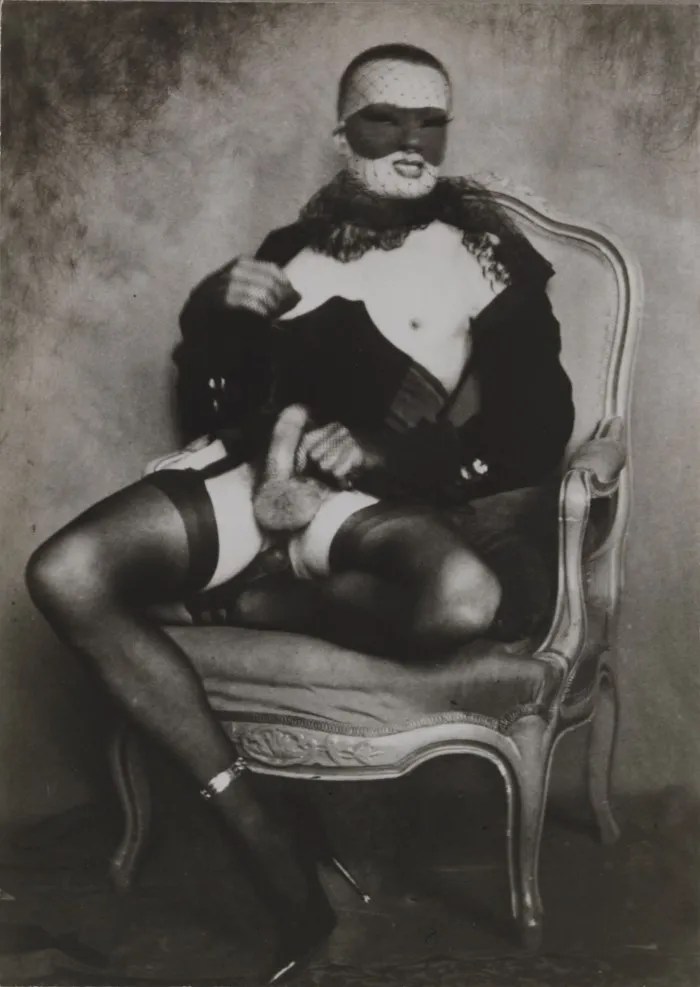
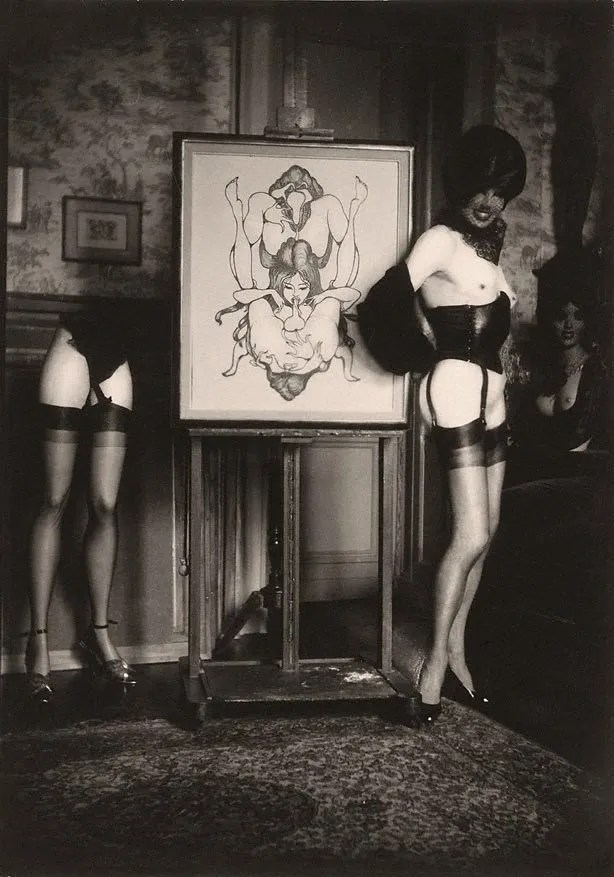
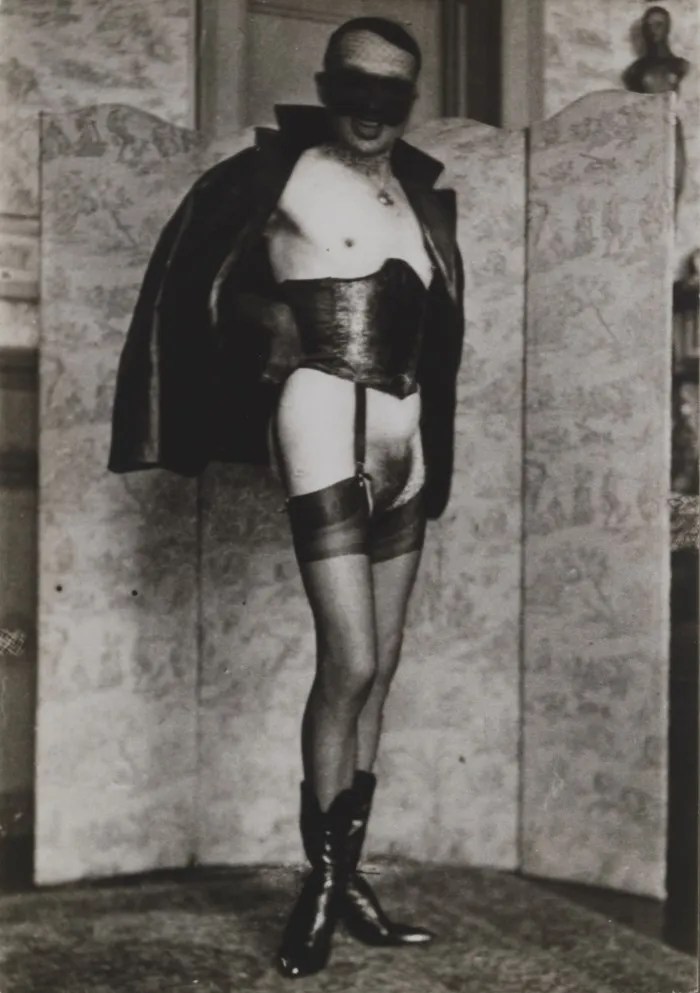
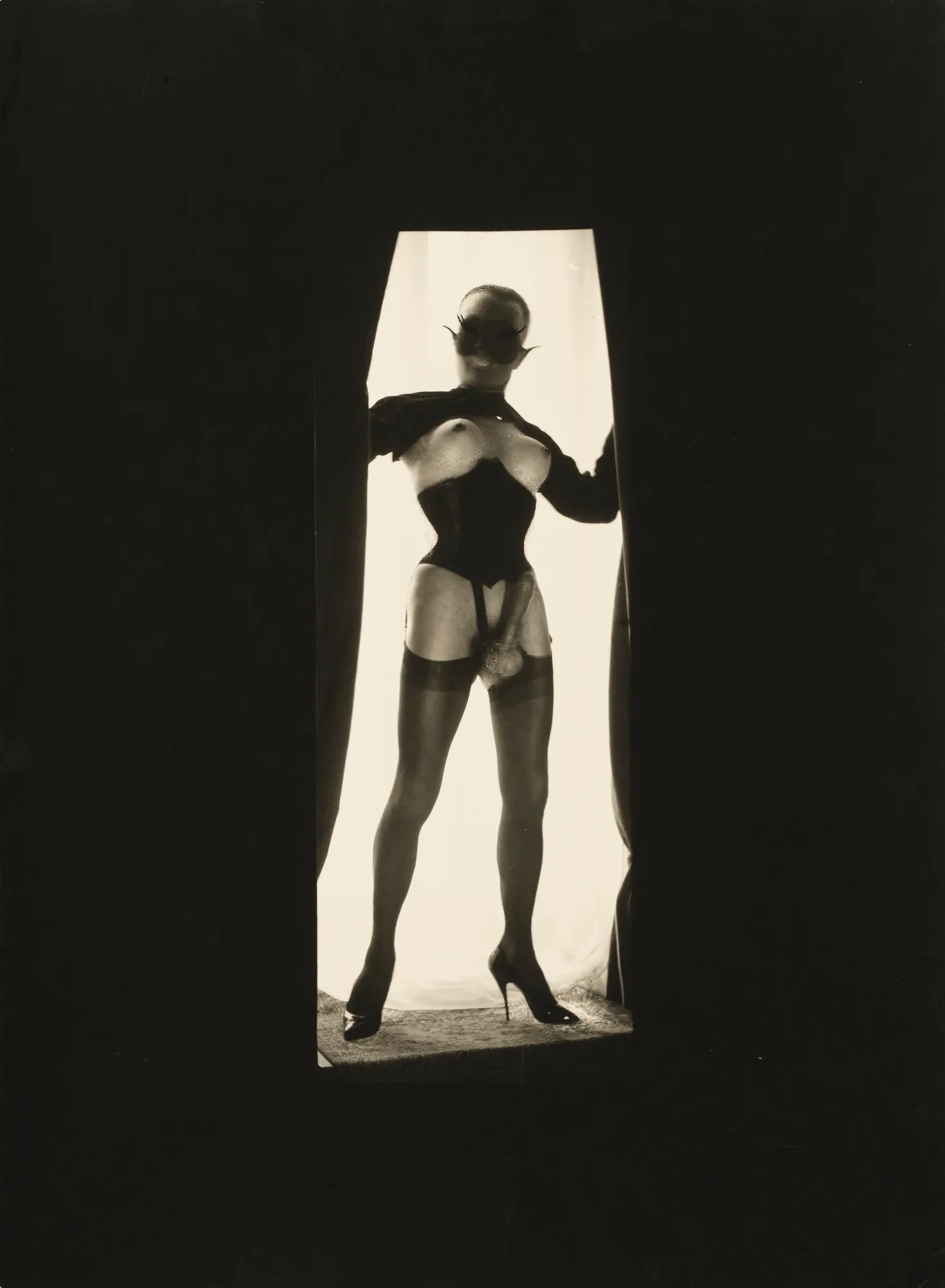
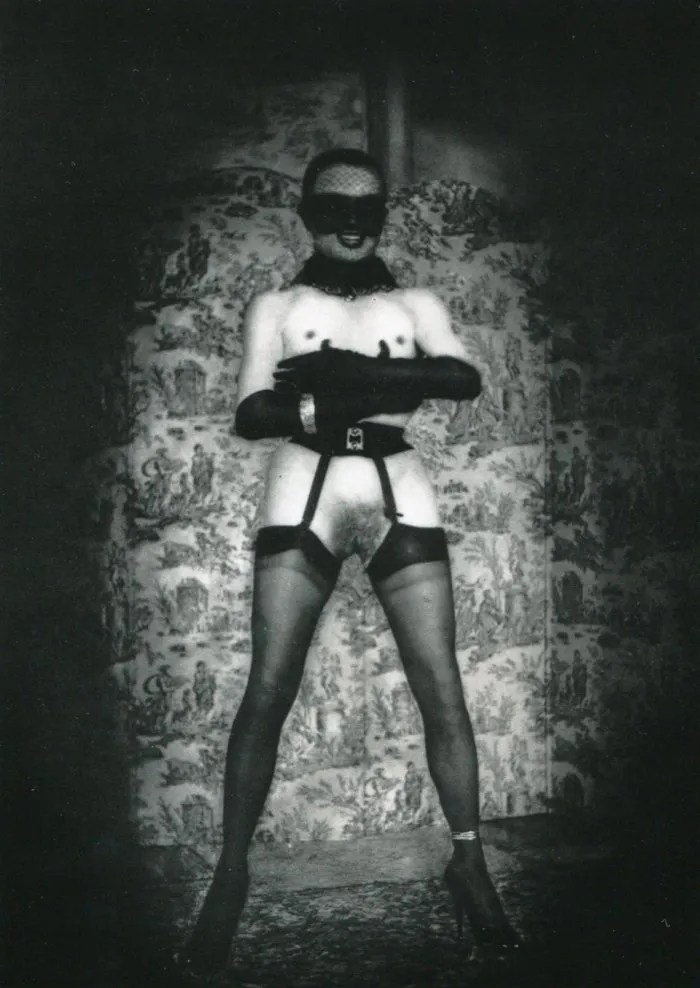
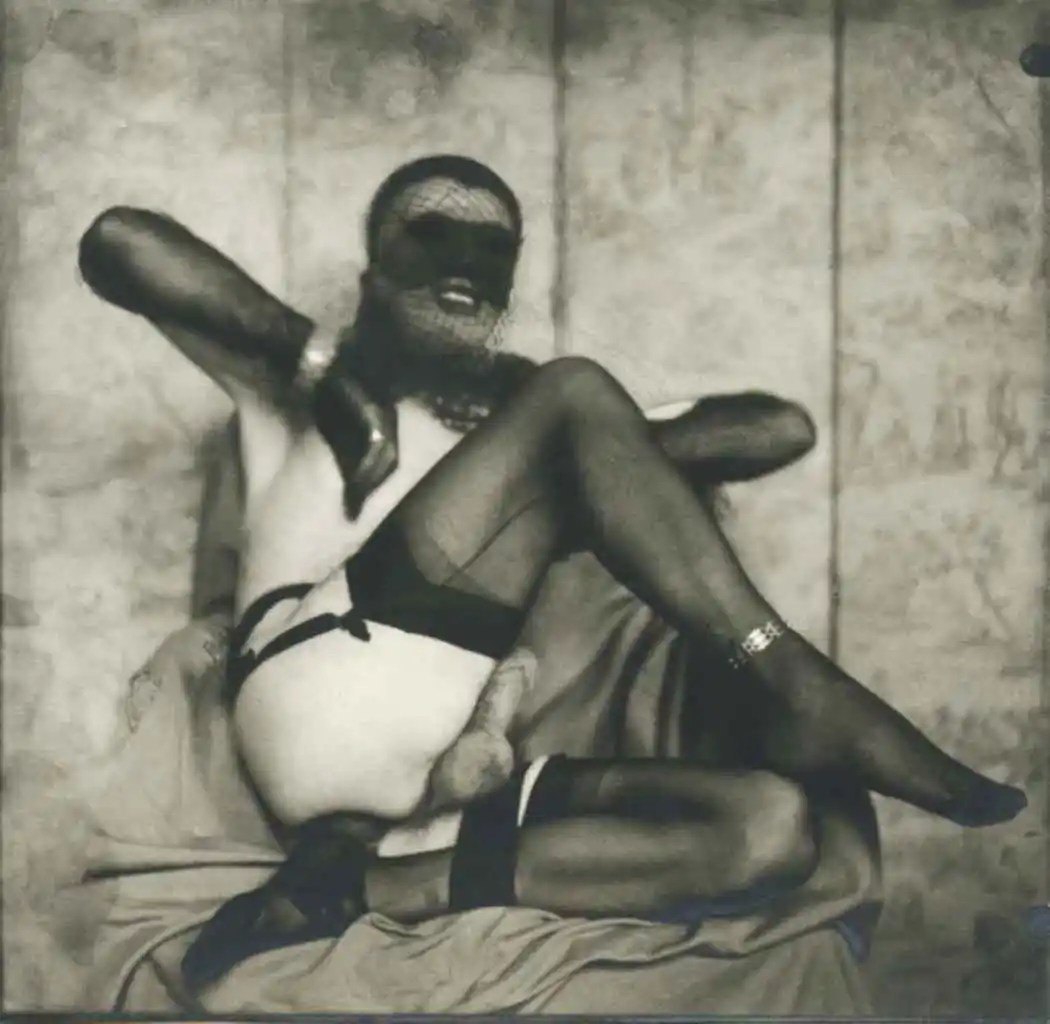
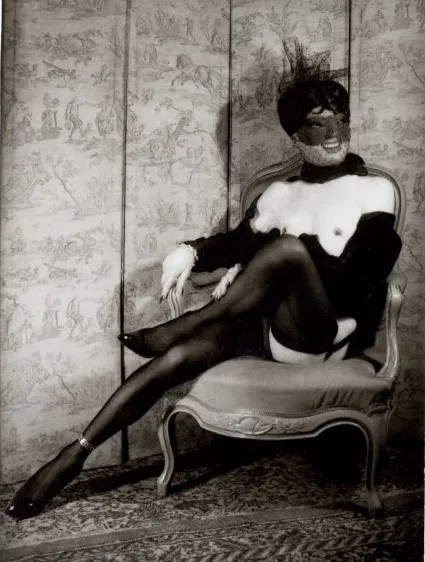
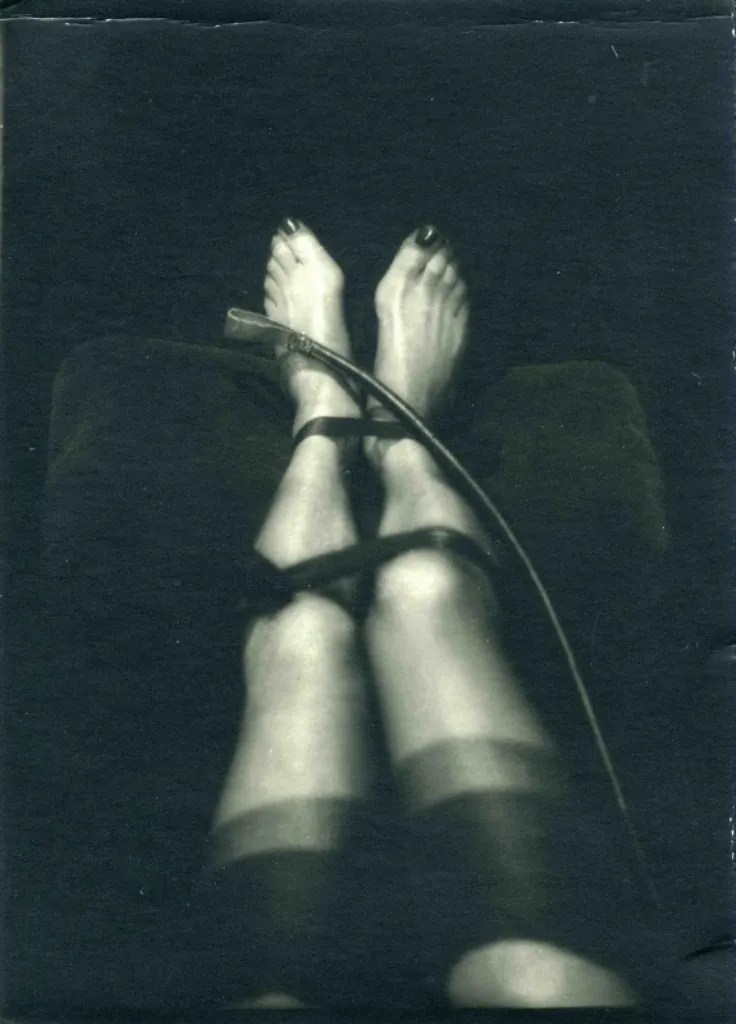
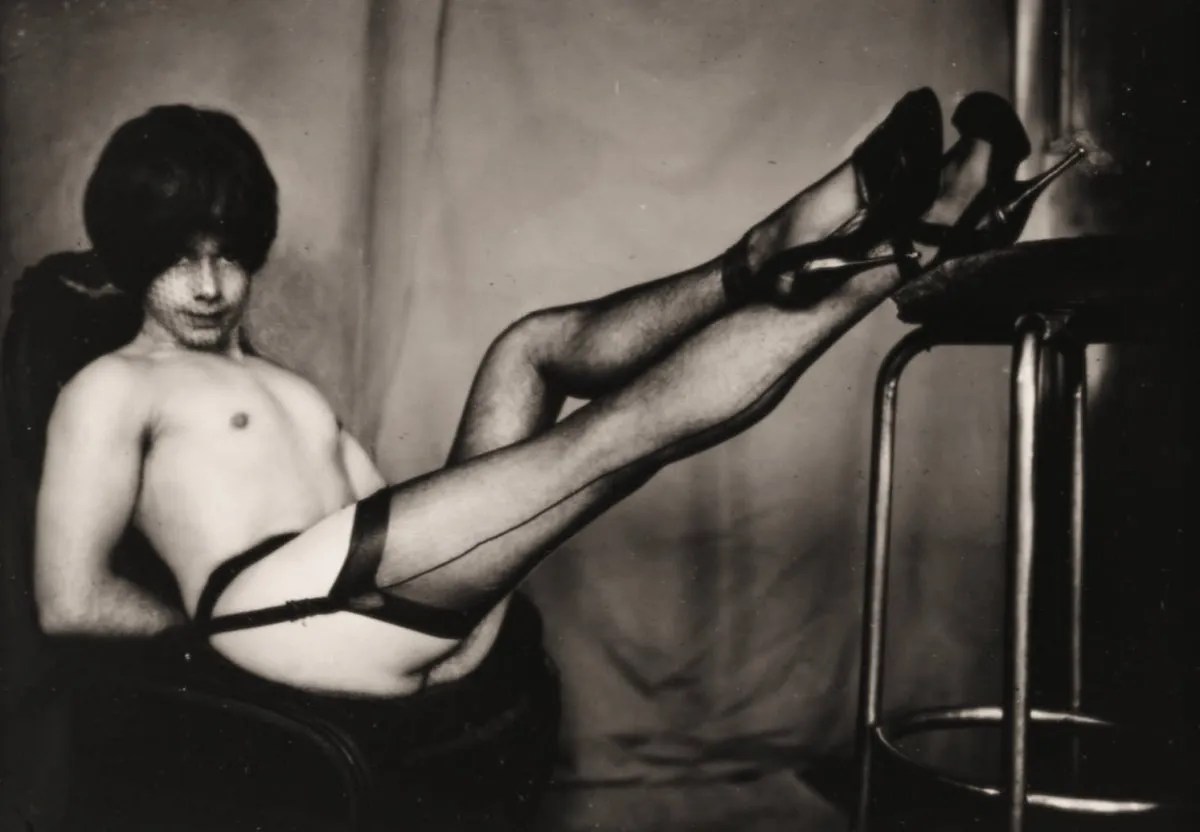
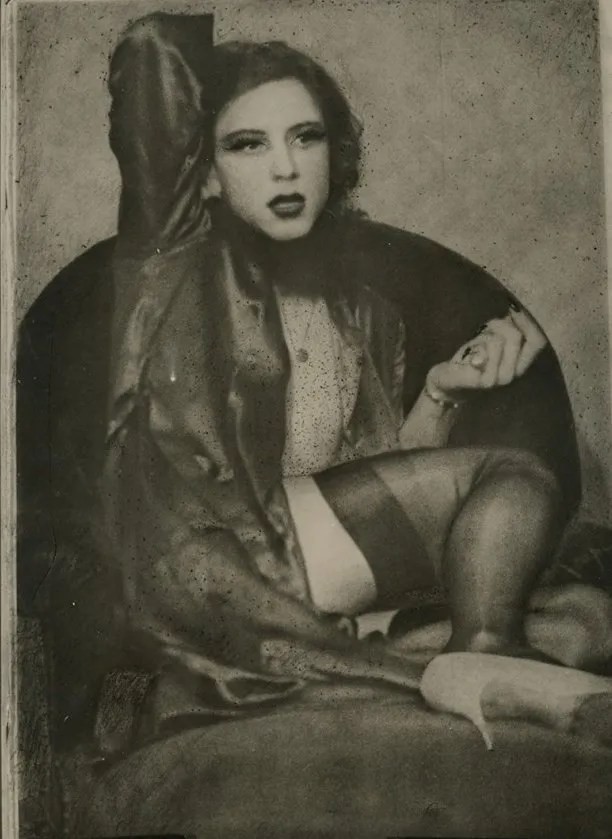
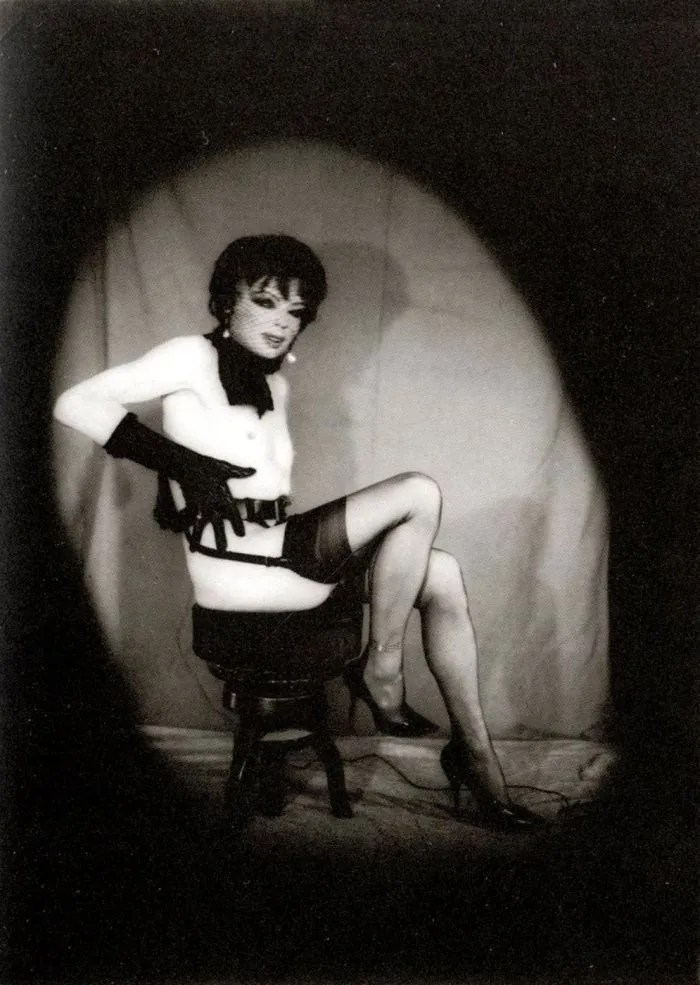
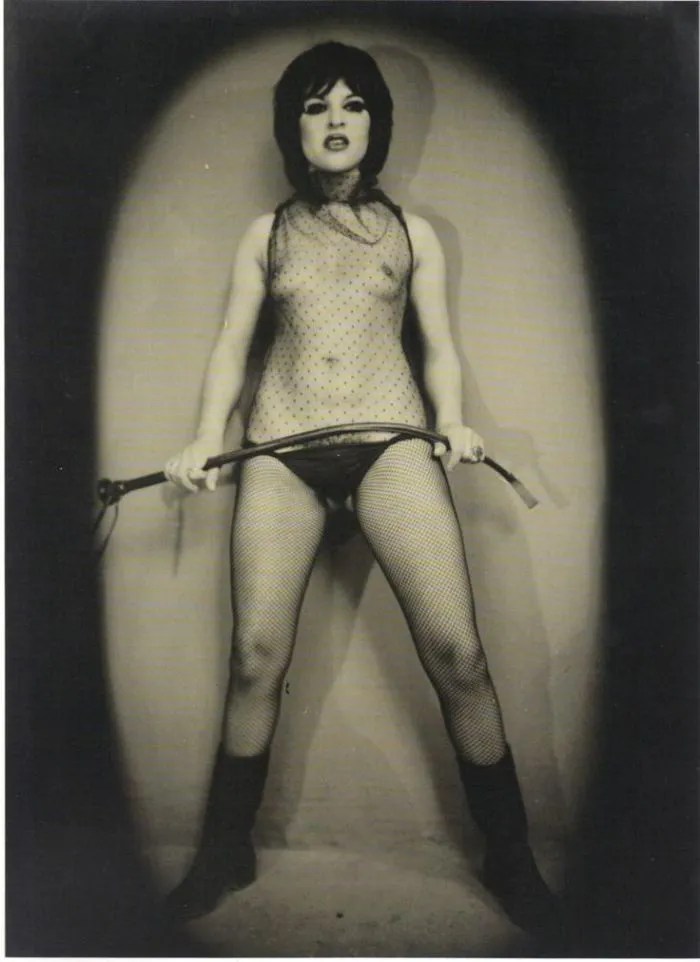
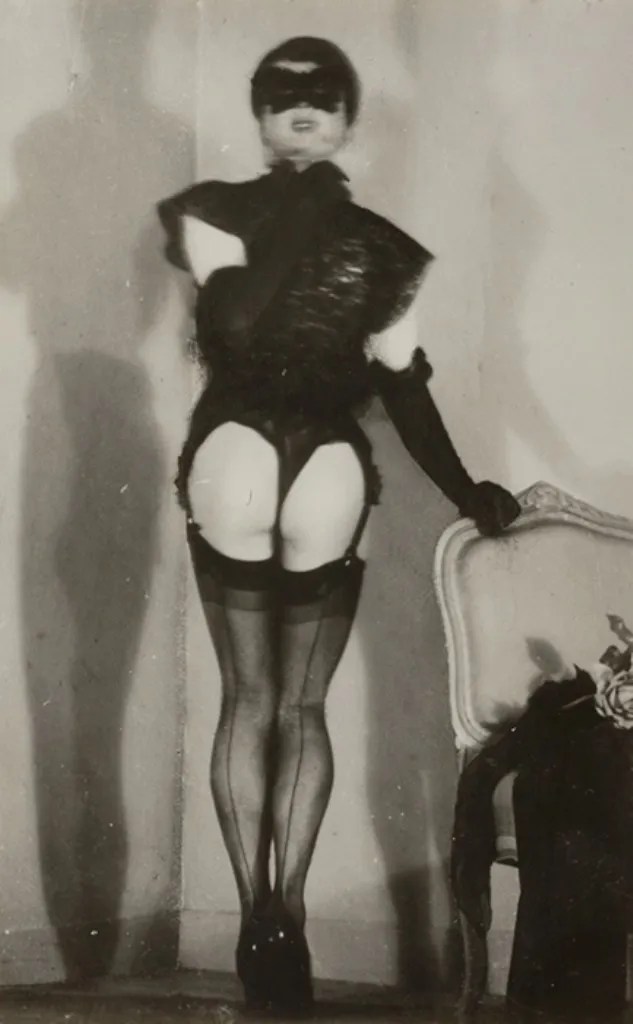
In his later decades, particularly from the mid-1960s onward, Molinier turned the camera inward, using self-portraiture as a ritualistic medium to embody and externalize his most intimate desires. Dressed in fishnet stockings, corsets, stiletto heels, masks, and other fetish accoutrements, he staged elaborate scenes in his isolated atelier. Often alone, sometimes incorporating mannequins, custom-made dildos (godemichés crafted from silk stockings and leather), and duplicated body parts through meticulous cutting, reassembling, and rephotographing.
Self-Expression as Survival: The Urgency of Fetish
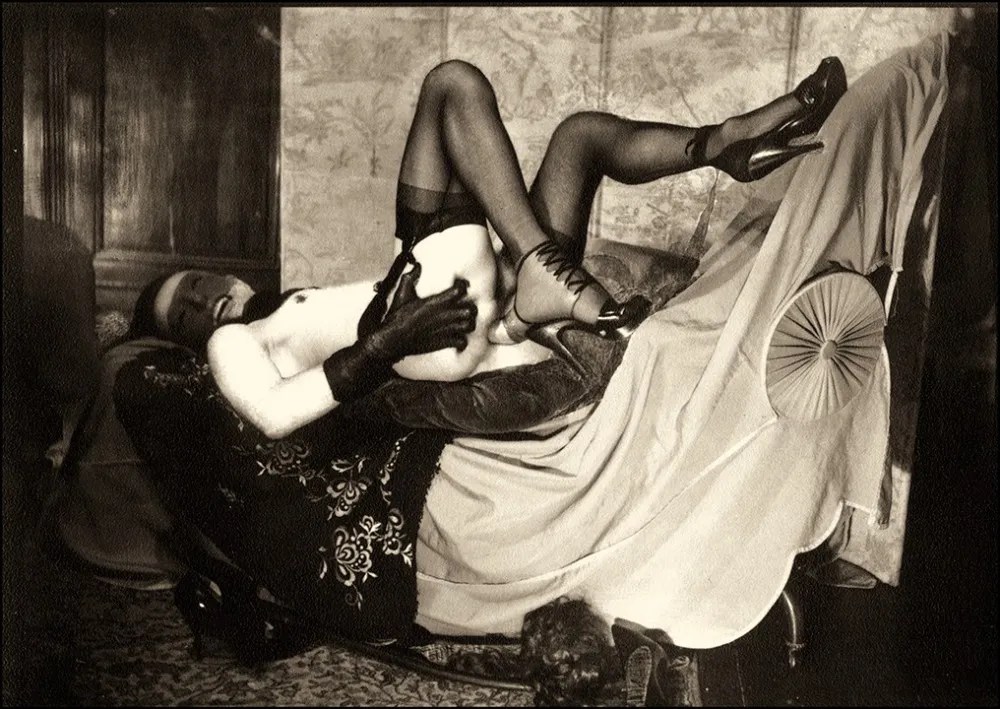
What sets Molinier apart is the raw urgency of his self-expression: his work was not created for galleries, acclaim, or provocation of others, but primarily for his own gratification and psychic release. Through these obsessive, mirror-mediated performances, he enacted fantasies of androgyny, hermaphroditism, domination, submission, and autoeroticism frequently blurring the lines between male and female, self and other, pleasure and pain.
His leg and stocking fetishism dominated much of the imagery, redirecting erotic focus away from conventional genitalia toward fragmented, idealized body parts. Photography became his ultimate tool for transformation: more faithful than any mirror, it allowed him to construct an idealized, fluid self unbound by societal gender norms or moral constraints.
Surrealist Recognition and Transgressive Autonomy
Molinier joined the Surrealist circle in 1955 after André Breton discovered his work and hailed him as the “magician of erotic art.” Yet his creations pushed even further into the transgressive, prefiguring modern BDSM aesthetics, queer identity exploration, and body modification art. His posthumously published series Cent photographies érotiques (1979) remains a cornerstone of underground erotic photography, celebrating chains, heels, veils, and ritualistic self-penetration as instruments of personal liberation.
Photographed by Molinier
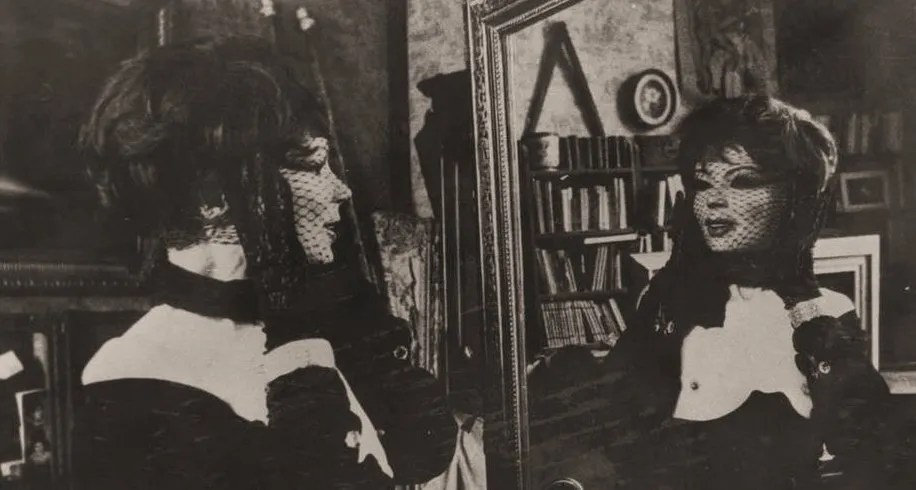
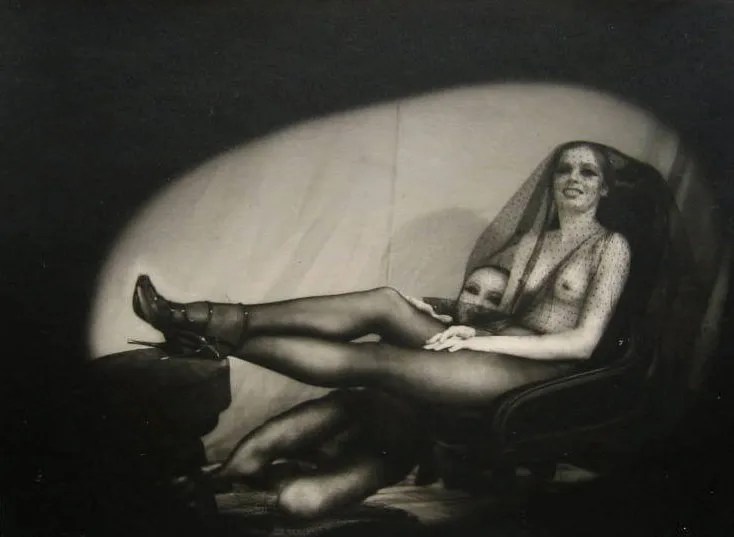
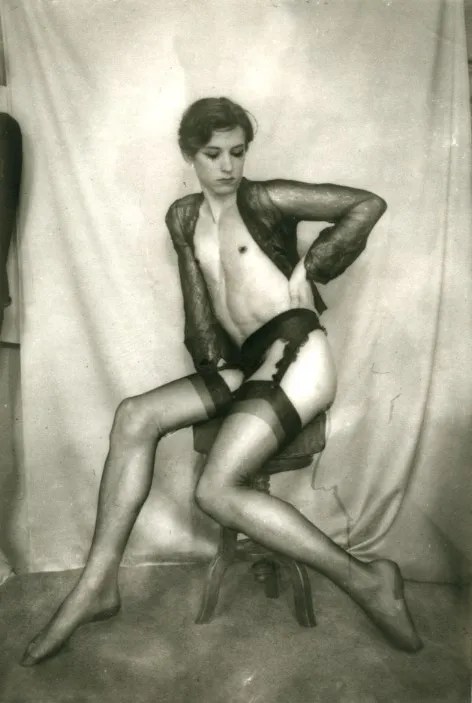
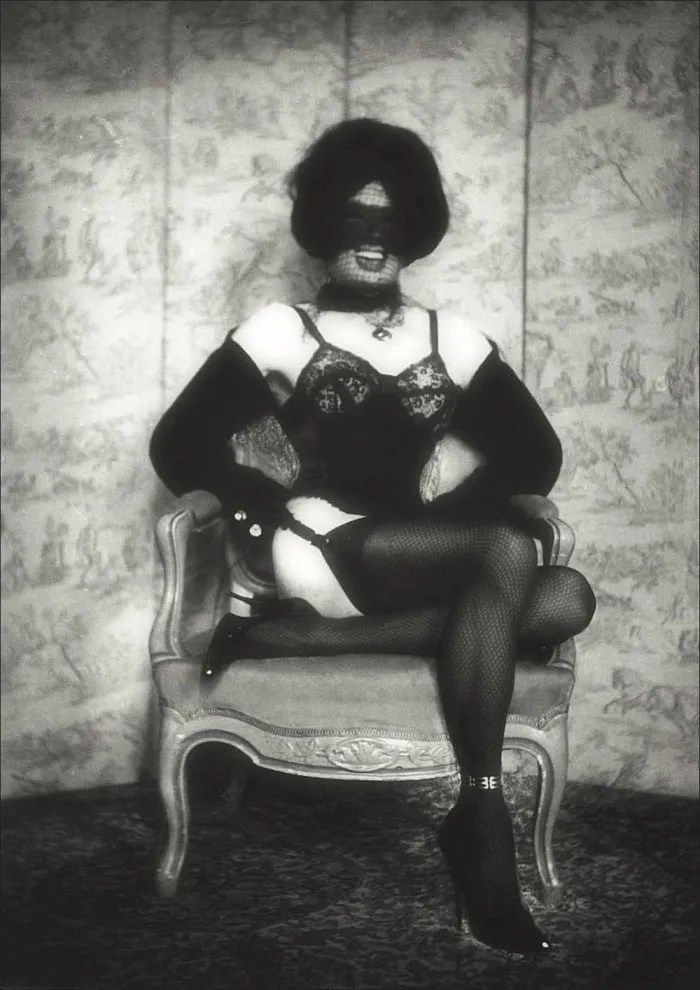



Sensational historical perspective on his fascinating life. Thank you
LikeLiked by 1 person