I love digging up the forgotten ancestors of modern kink and fetish aesthetics. Few deserve that title more than William Mortensen (1897–1965), the photographer Ansel Adams openly called “the Antichrist” and whose work was systematically erased from “serious” photo history for decades. While Group f/64 preached purity, straight lines, and clinical sharpness, Mortensen staged lurid, theatrical tableaux dripping with sadomasochistic tension, occult symbolism, and unapologetic eroticism.
The camera is only a broom. I sweep the floor with it and arrange the dirt into patterns that please me
William Mortensen

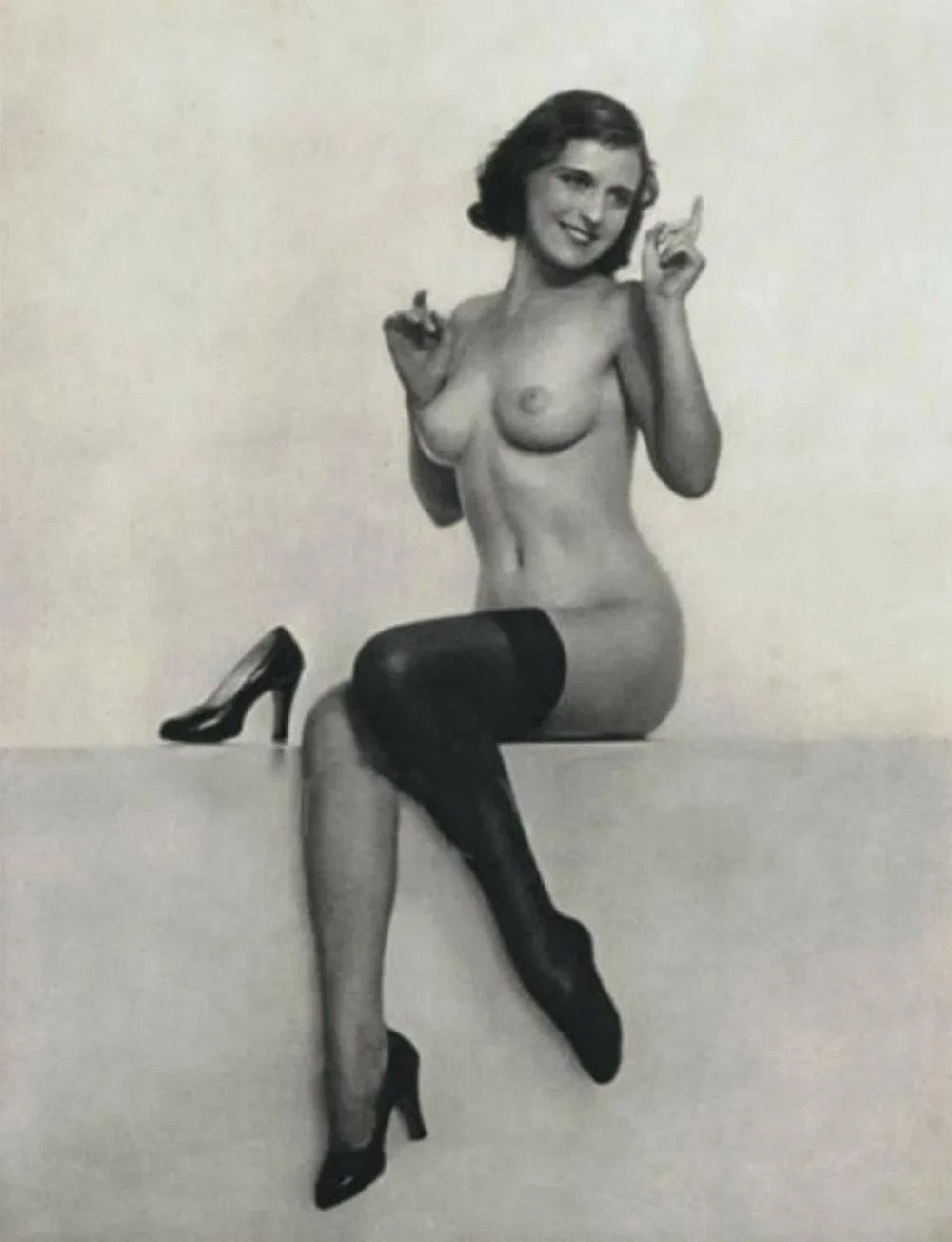


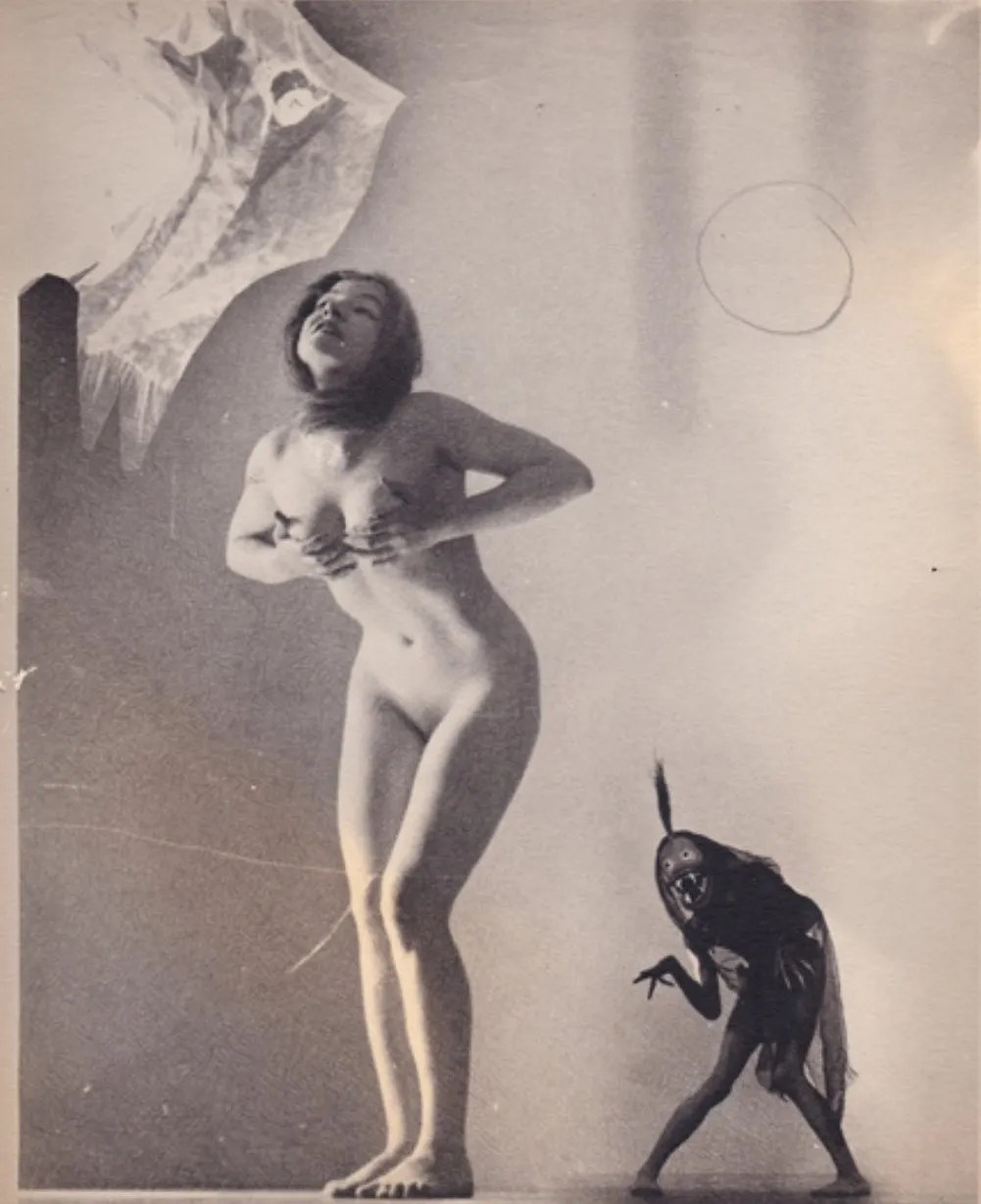
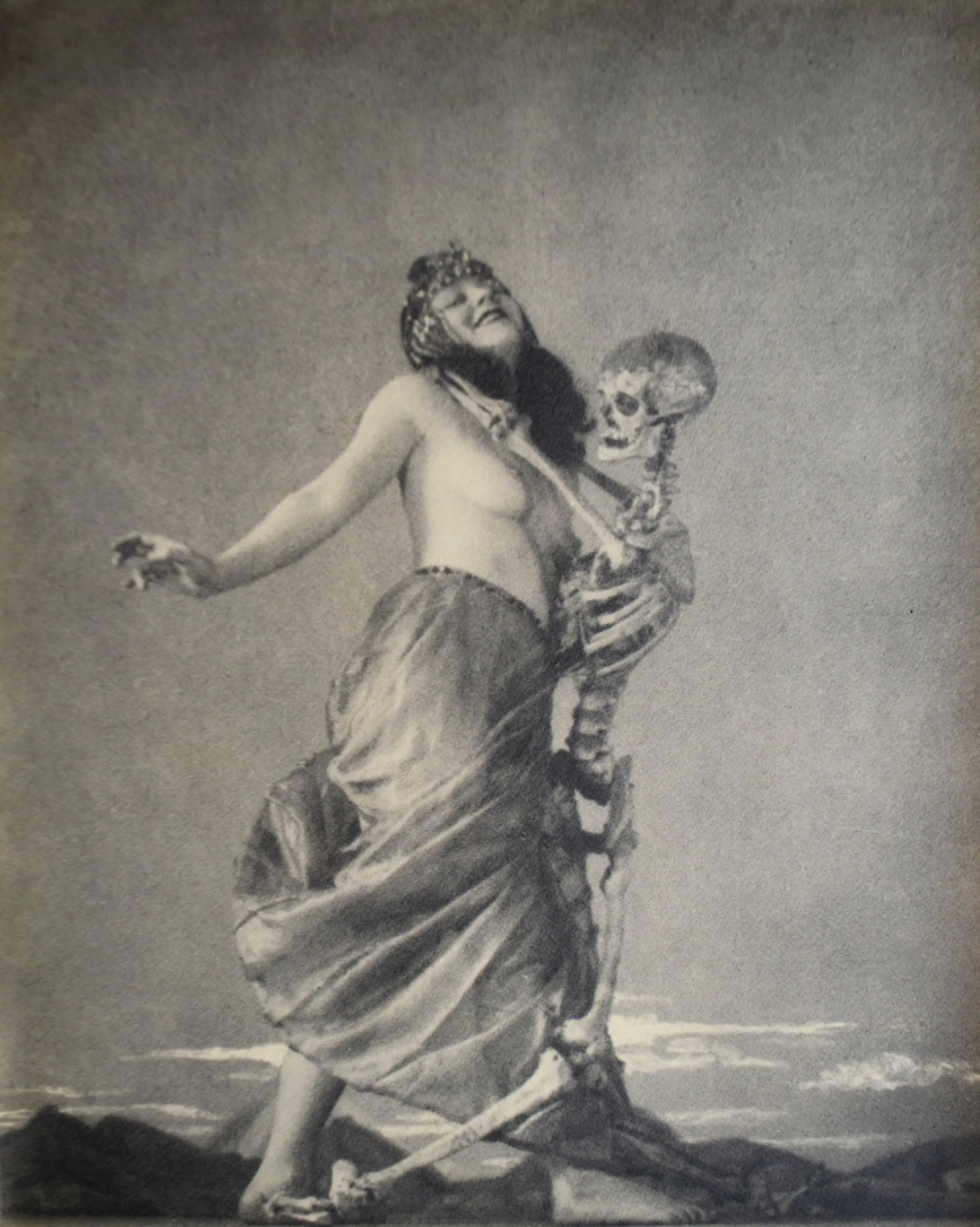


Master of Pain, Ecstasy, and Perfect Lighting
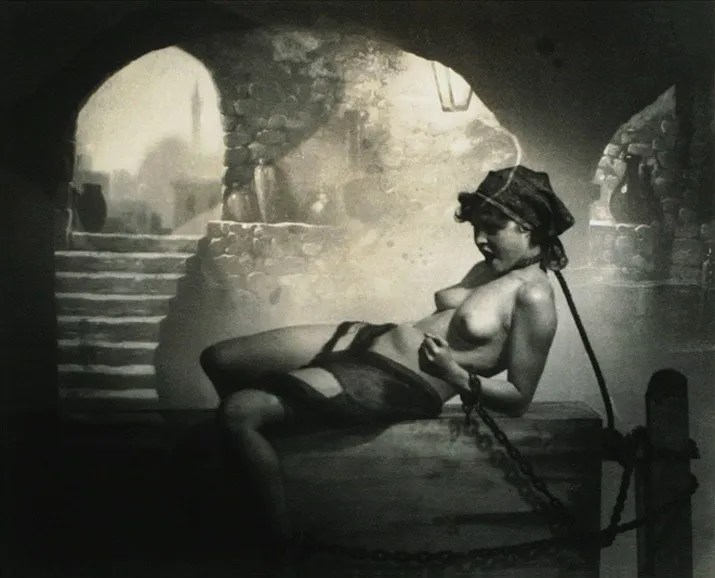
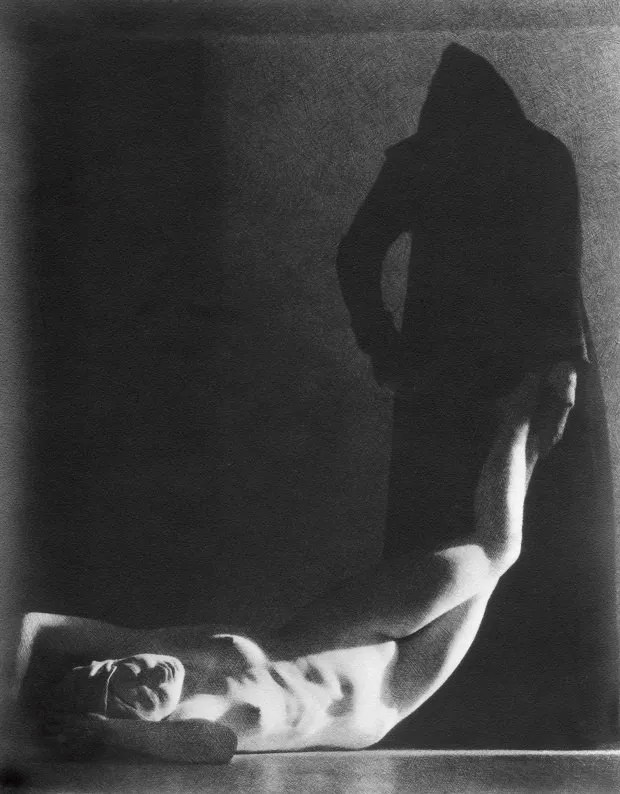
Mortensen didn’t just take pictures; he directed miniature psychodramas. Whips, chains, masks, bondage poses, witches tied to stakes, naked bodies contorted in religious or sexual rapture, all lit with the precision of a Old Master painting and printed using his beloved (and now revived) bromoil and metal-chrome processes. His models often look like they’re one breath away from either orgasm or sacrifice, sometimes both.
Why He Belongs in Every Kink Archive
- He photographed real-life dominatrices and submissives in the 1920s–30s, long before John Willie or Irving Klaw made it “commercial.”
- His book The Command to Look (1937) is basically a manual on how to trigger visceral, submissive fascination, a text that reads like proto-mindfuck technique for tops.
- Images like Human Relations (1932) or Avenue of Revolt show women in severe bondage and men in ritualized torment with a beauty that still feels shocking today.
- He openly celebrated the grotesque and the perverse at a time when photography was desperate to be seen as respectable art.
Mortensen got erased from the history books long before anyone invented the word “cancelled,” but his DNA is still all over the place. Look at any horror film still, any classic fetish shoot, any moody dark-erotica series today, chances are the lighting, the pose, the unapologetic theatricality all trace straight back to him. Next time you scroll past a perfectly lit shibari girl floating in dramatic shadows or a latex witch glaring at the lens like she owns your soul, you’re basically looking at Mortensen’s grandkids. Most of the photographers taking those shots today probably don’t even know his name, but the bloodline is unmistakable.
The Command to Look
The Command to Look (1937) is William Mortensen’s most legendary and infamous book, a true unicorn that, until its recent reprints, routinely traded hands among collectors who knew its power. It’s not just a photography manual, it’s a psychological warfare in paperback form.
Mortensen lays out his ruthless formula for making viewers submit to an image: a step-by-step playbook on how to hijack attention, trigger fear, lust, and fascination, and leave the viewer helplessly hooked. Reading it today feels like discovering the secret DOM manual from the 1930s.
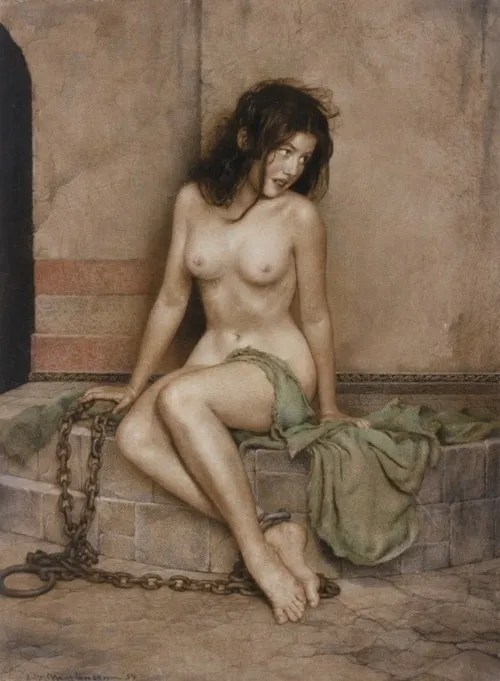
To prove his methods work, he includes a gallery of his most provocative, boundary-shattering photographs, the bound women, the flagellation scenes, the ecstatic martyrs and then coldly dissects. In his own words, exactly why each picture makes you unable to look away. It’s as if he’s whispering topping techniques straight into your ear while showing you the evidence tied up on the page.
For anyone serious about power dynamics in imagery, kink aesthetics, or the darker side of visual seduction.







Wow, what an artist!!! One of your best blogs!!!
LikeLiked by 2 people
Thank you!
LikeLike
lovely
LikeLiked by 1 person