In the history of photography, few genres have been as transformative and intimate as sensual self-portraiture. What began as rare, daring experiments in the 19th century, where individuals seized control of the camera to explore their own bodies, desires, and identities, evolved into a powerful tool for personal expression, boundary-pushing, and self-acceptance. These pioneers didn’t just pose, they directed, staged, and authored their images, often flirting with (or outright challenging) the social norms of their time.
From subtle provocation in Victorian studios to surreal eroticism and vulnerable introspection, sensual self-portraiture became a journey inward, turning the gaze upon oneself as both subject and creator.
Early Innovators: Seizing Control in the Dawn of Photography
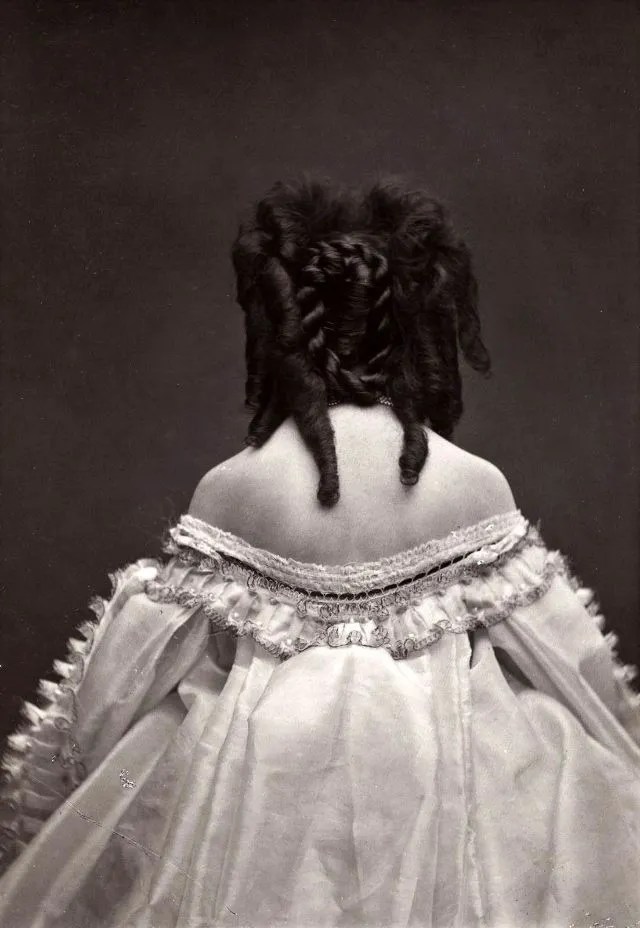
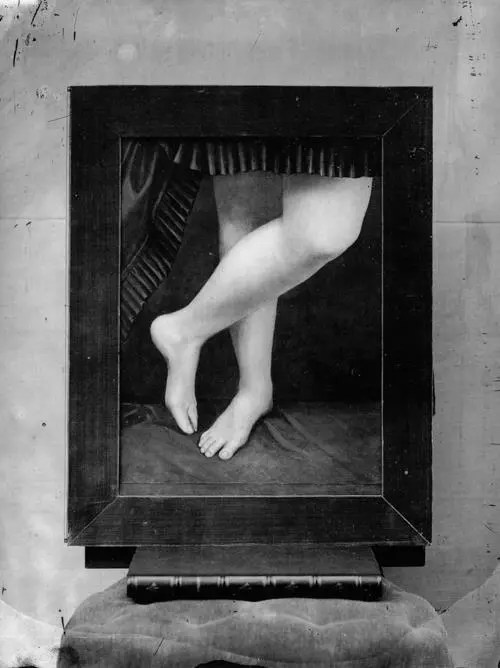
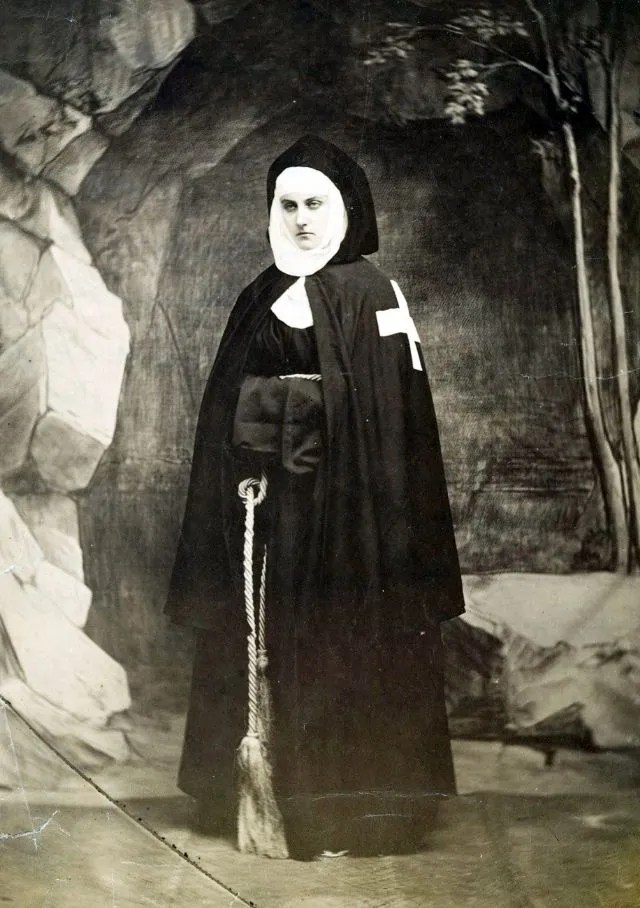
Photography’s invention in the 1830s–1840s quickly invited self-exploration, but it was women and outsiders who pushed it toward sensuality and agency. Virginia Oldoïni, the Countess of Castiglione (1837–1899), stands as one of the earliest and most prolific. Collaborating with photographer Pierre-Louis Pierson over decades, she produced hundreds of images where she dictated every detail: costumes, poses, lighting, and themes. Her work blended theatrical elegance with risqué elements: exposed shoulders, legs, and feet in an era of strict modesty, while she maintained just enough poise to skirt outright scandal.
As both model and director, she transformed photography into a personal archive of beauty, power, and seduction.
Every woman has a duty to be beautiful, not for herself, but for others. For herself, however, she must be ambitious, cunning and fierce
Virginia Oldoïni
Her images often carry a commanding sensuality, as in these historical portraits where she reclines or gazes directly at the viewer, a daring statement: invitation with authority.
Surrealism and Mid-Century Depths: Identity as Performance
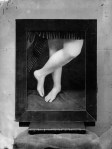
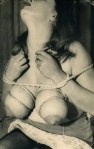
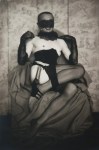
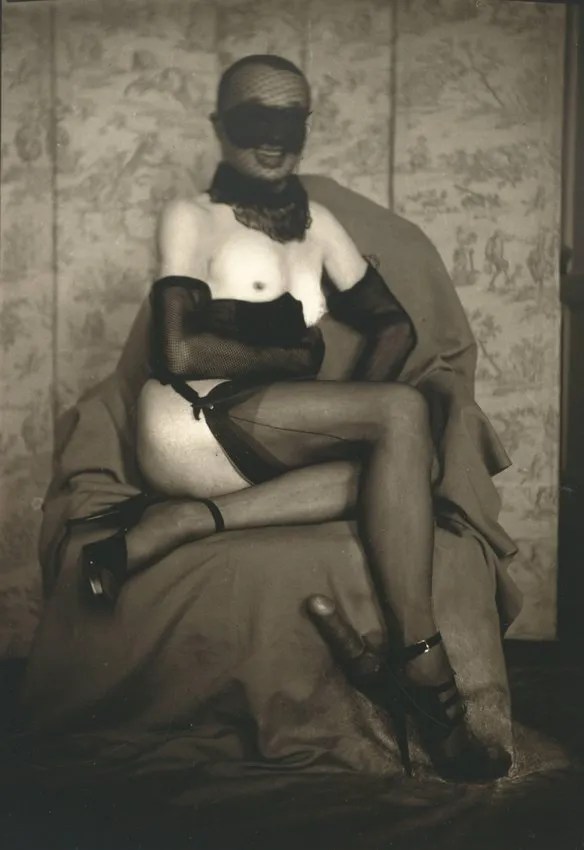
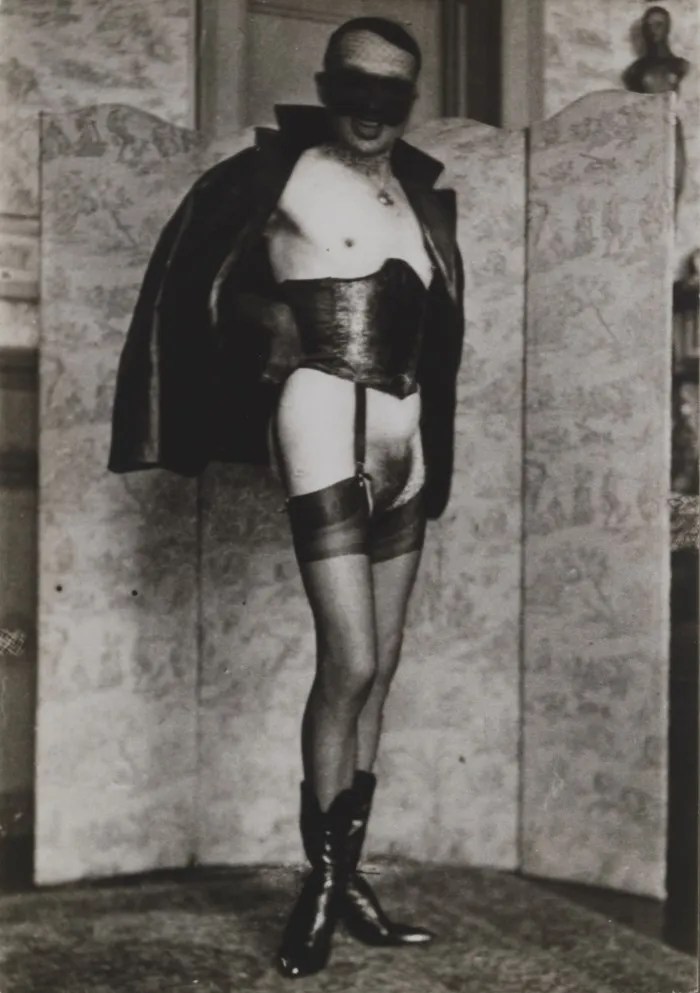
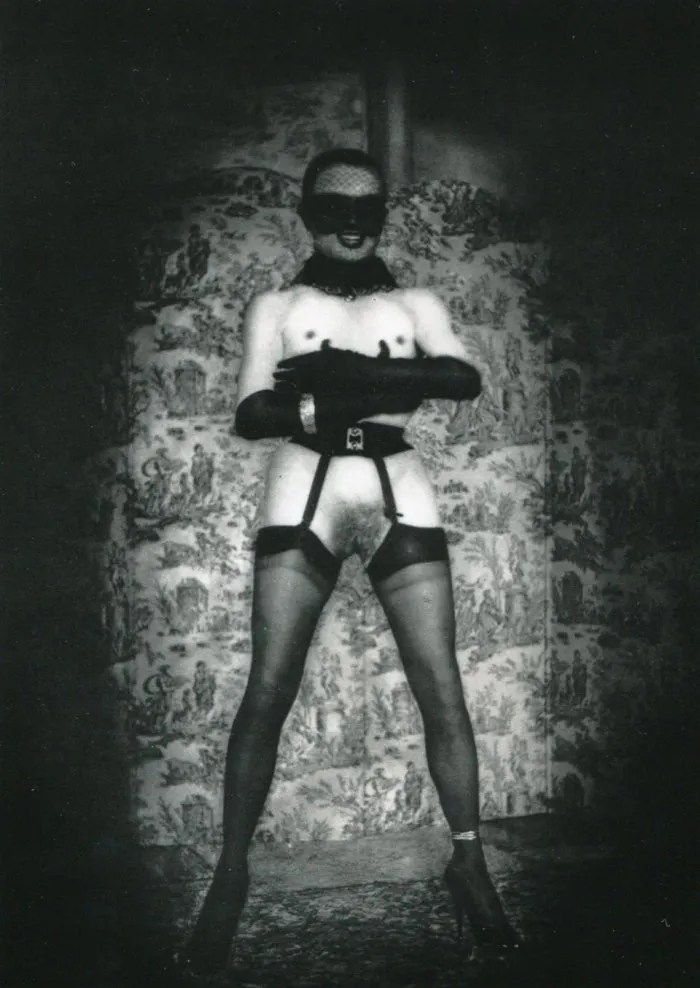
By the early to mid-20th century, sensual self-portraiture grew more introspective and subversive. Pierre Molinier (1900–1976), a French surrealist, created fetishistic montages of himself in cross-dressing, masks, and erotic poses, using photography as catharsis to confront desires and societal taboos. His work exudes raw defiance and self-acceptance amid isolation.
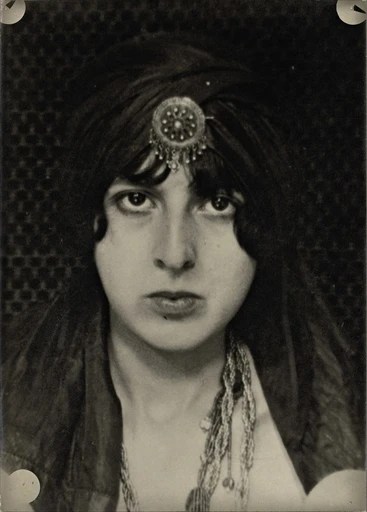
Claude Cahun (1894–1954) dismantled gender norms through androgynous, mirrored self-portraits, blending playfulness with profound questions of identity, her images a quiet revolution in fluid self-representation.
These artists turned inward, using sensuality to probe deeper truths about the self.
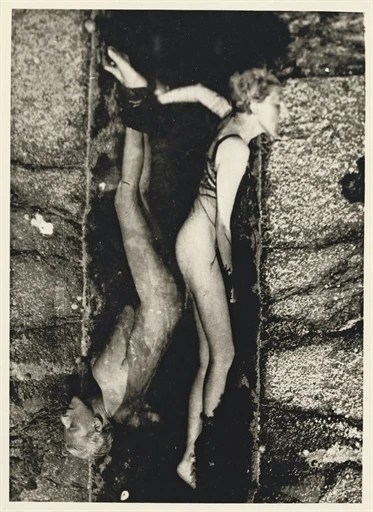
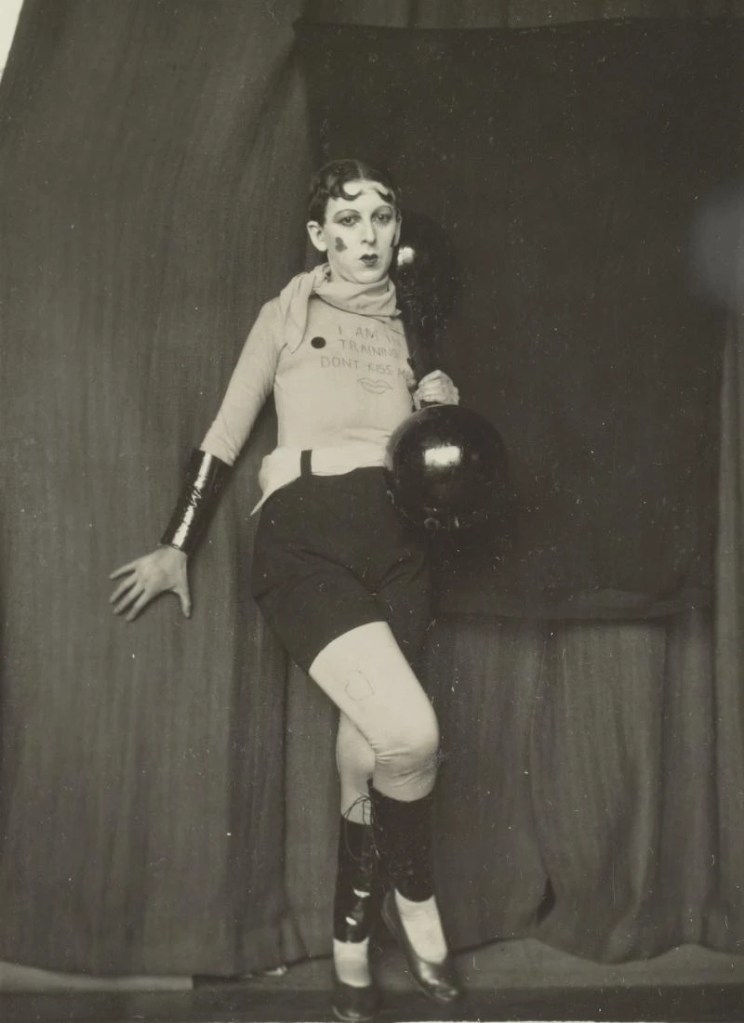
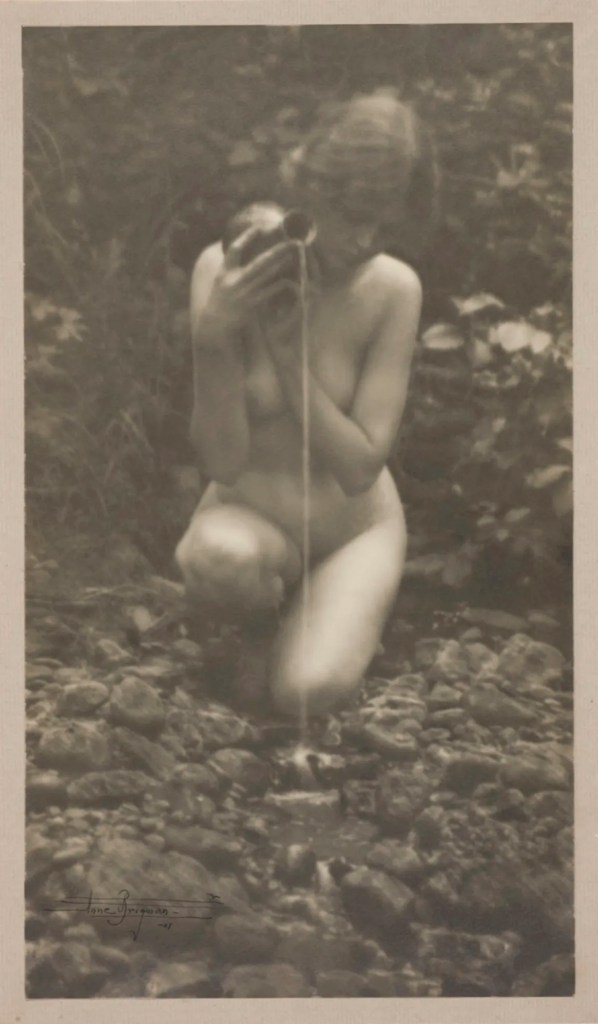
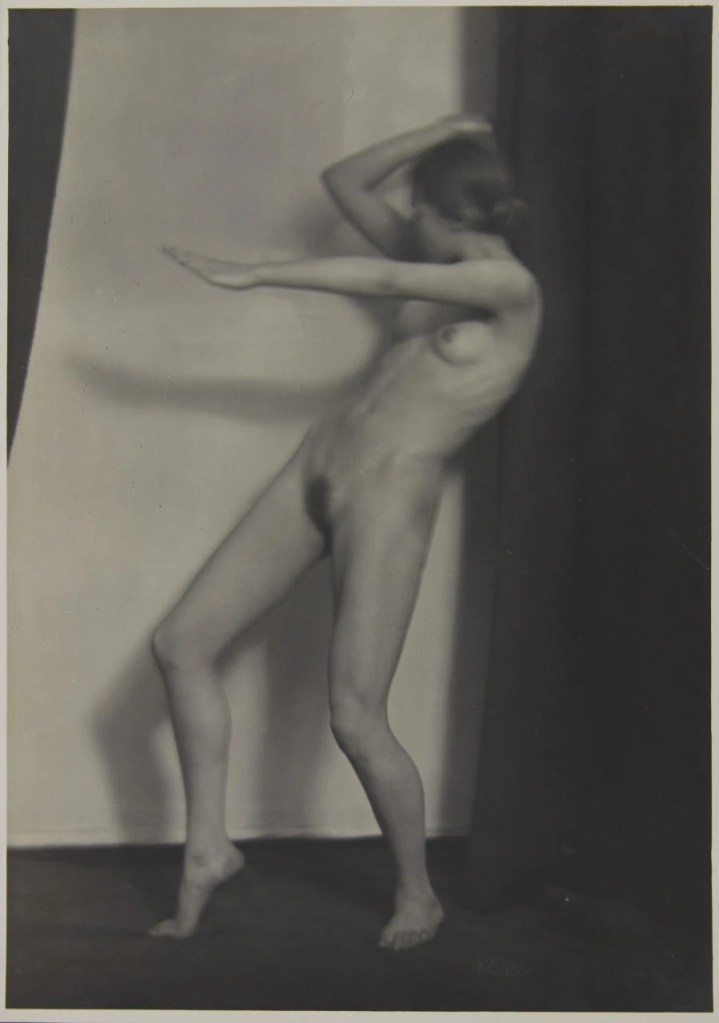
Other figures bridging 1880–1950 include Germaine Krull (1897–1985), whose erotic nudes carried emotional and formal innovation, Imogen Cunningham (1883–1976) explored sensual forms through nudes and botanicals, often turning the lens on her own body or close intimacies that evoked touch and vulnerability and occasional self-explorations by artists like Margrethe Mather (1886–1952), who infused sensuality with modernist design. Anne Brigman (1869–1950) became one of the first American women to photograph herself nude, framing her body against natural landscapes in spiritual, ethereal ways, infusing sensuality with a sense of freedom and connection to nature rather than mere eroticism.
From Provocation to Personal Growth: The Enduring Journey
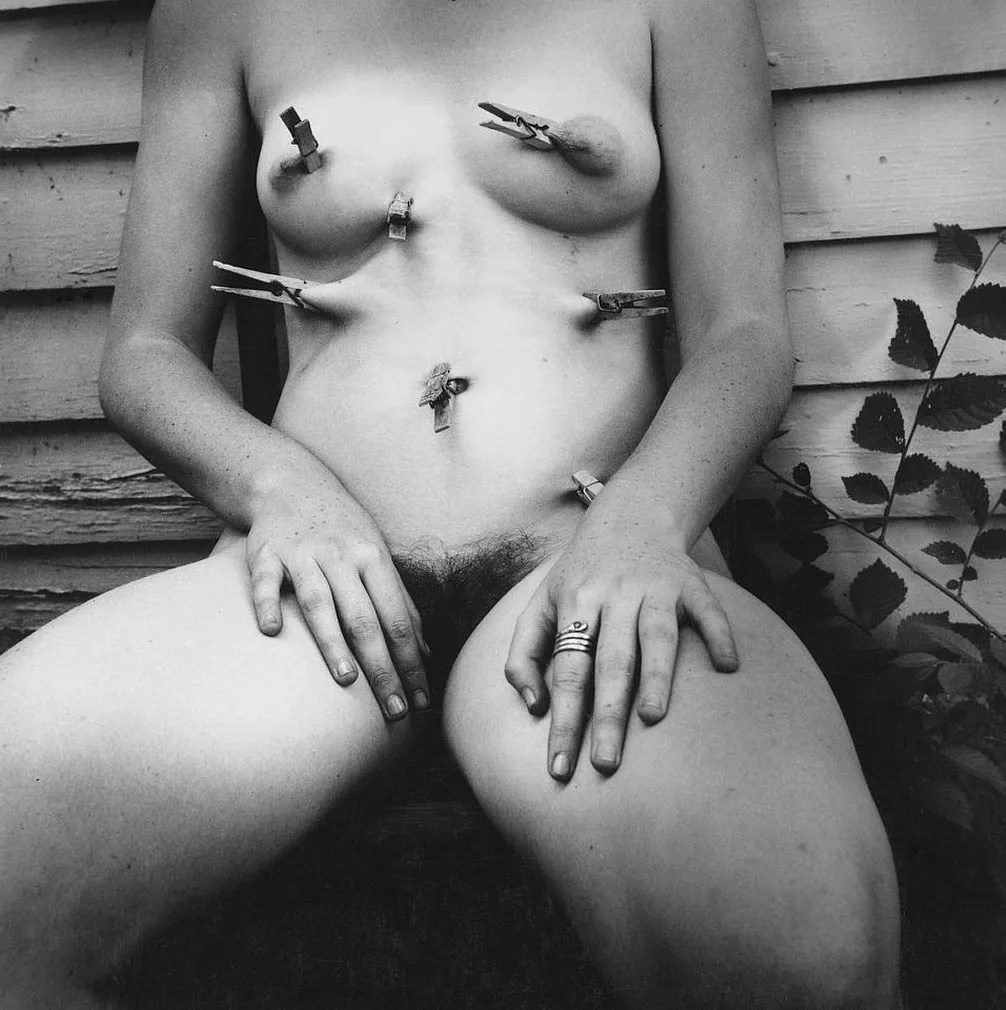
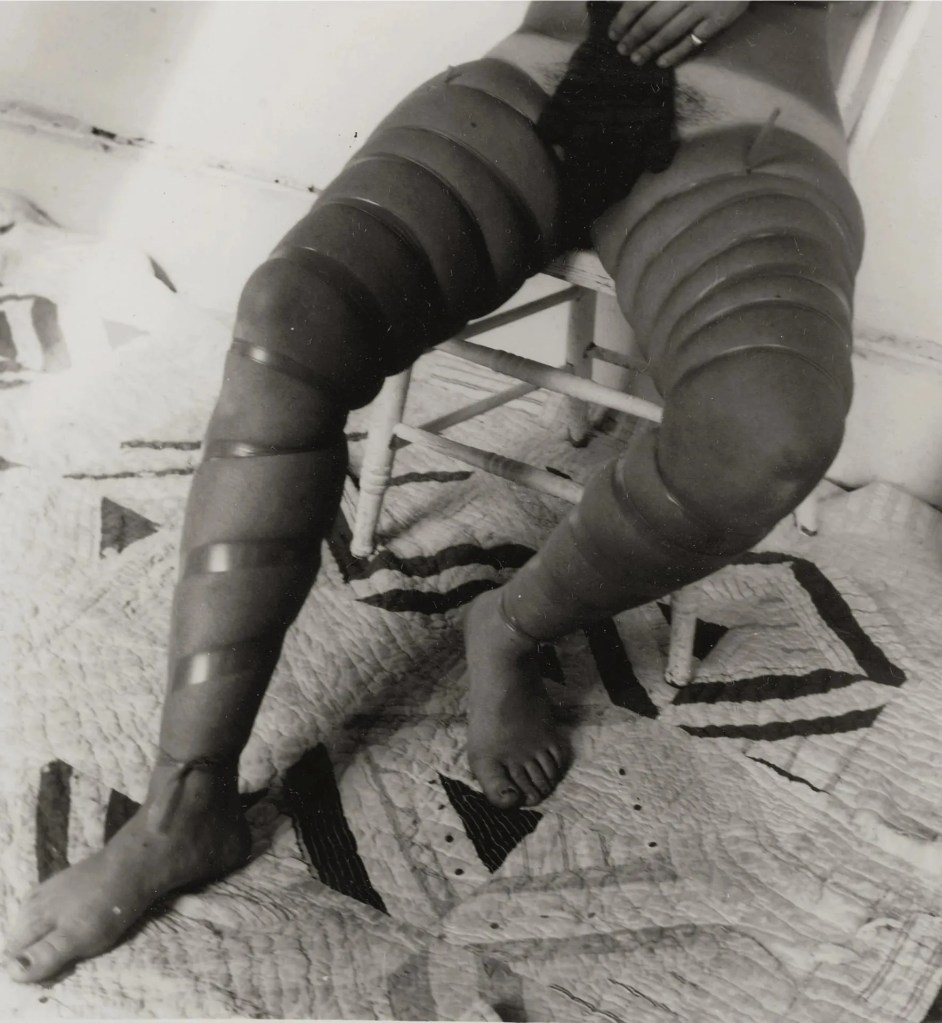
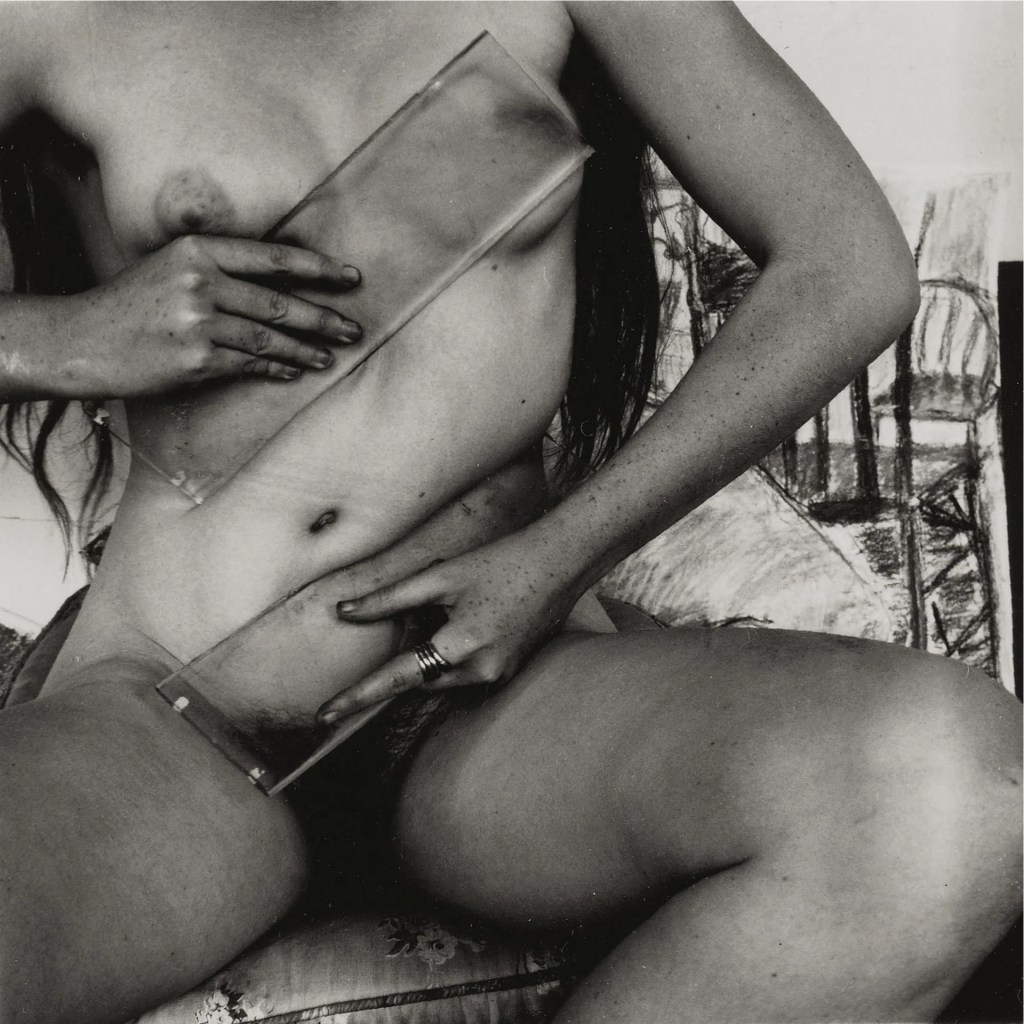
What unites these pioneers is the shift from external objectification to self-authorship. In Oldoïni’s era, directing one’s sensual image asserted agency in a restrictive world. By Molinier’s time, it became a path to cathartic self-acceptance. In more contemporary echoes (like Francesca Woodman’s (1958–1981) blurred, ethereal self-portraits exploring vulnerability, space, and the female form) the medium evolved into a mirror for emotional and psychological growth.
Woodman’s work, often haunting and intimate, reflects personal struggles while embracing the body’s impermanence and beauty.
Sensual self-portraiture thus became more than aesthetic rebellion; it served as a vehicle for self-discovery, healing, and empowerment, allowing creators to confront desires, reclaim narratives, and foster acceptance in ways words alone could not.
Let’s not forget photographers like Fred Holland Day, a pictorialist who explored homoerotic themes in nude male portraits, including self-portraits. His work drew on classical influences and bordered on the erotic through its focus on the idealized body.Examples: The Seven Last Words series (1896–1898), in which he posed himself nude or semi-nude as Jesus on the cross, blending sensual and religious undertones.”
Continuing the Voyage
From the Countess’s calculated glamour to Woodman’s fragile introspection, these pioneers show how turning the camera on oneself can illuminate the deepest parts of who we are. Sensual self-portraiture remains a timeless practice of empowerment, one that invites us all to direct our own stories.