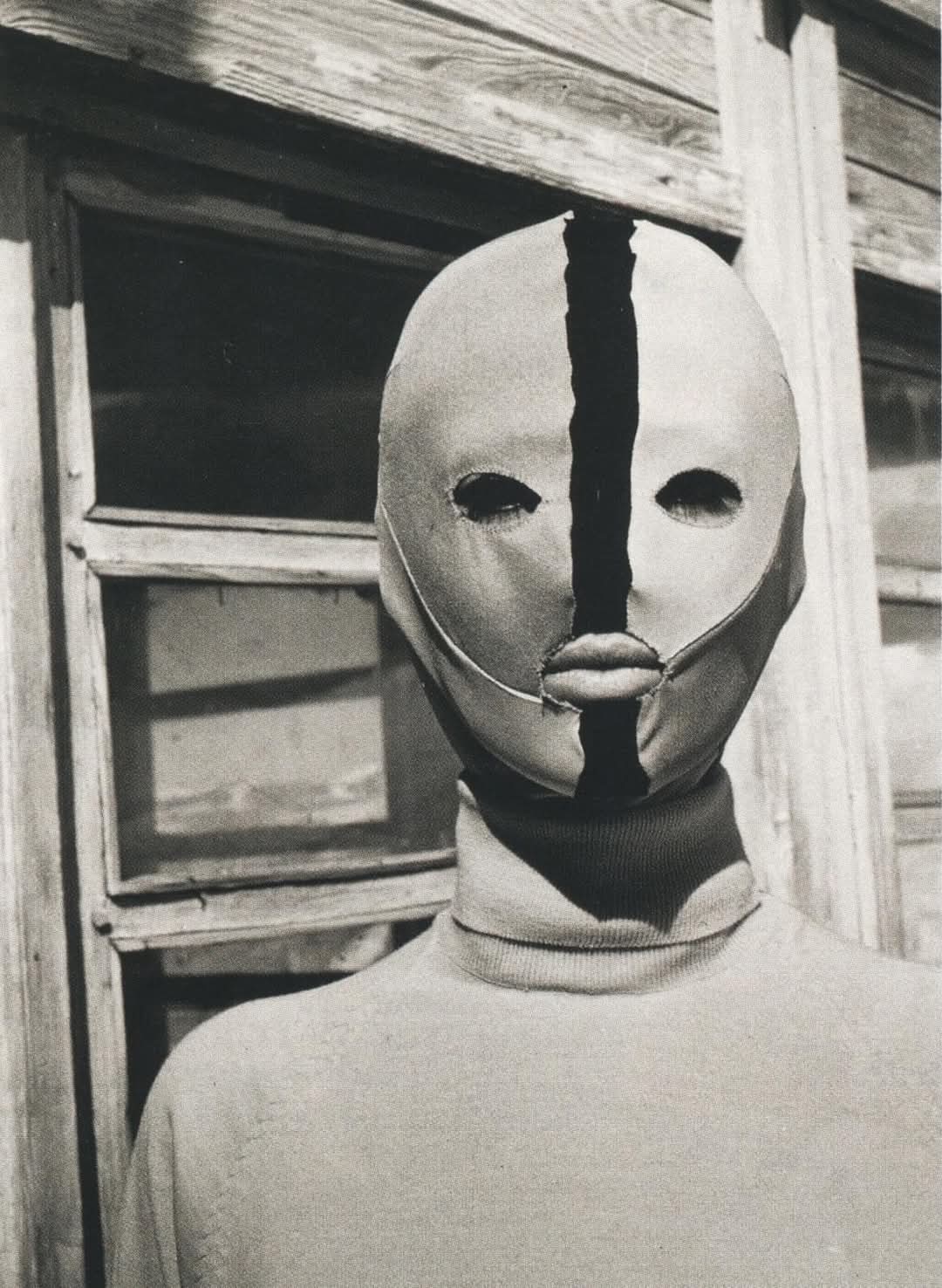
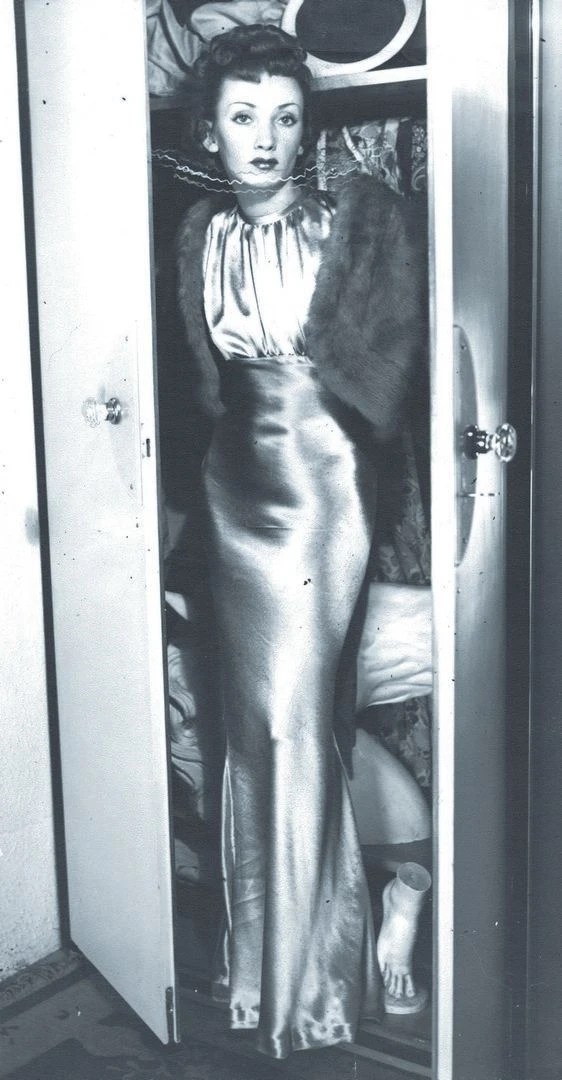
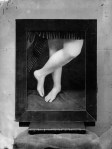
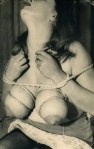
Few figures in 20th-century photography manage to be both utterly refined and deliciously transgressive. Carlo Mollino (1905–1973), the Turin-based architect, designer and obsessive image-maker, is one of them. Behind the clean lines of his modernist furniture and racing cars lay a private universe of Polaroids that still take the breath away: women in lingerie, furs and high heels, poised in luxurious interiors, surrendering to the lens with a mixture of aristocratic nonchalance and quiet submission.


Photography is a conquest, like love or war. It is an act of possession
Carlo Mollino
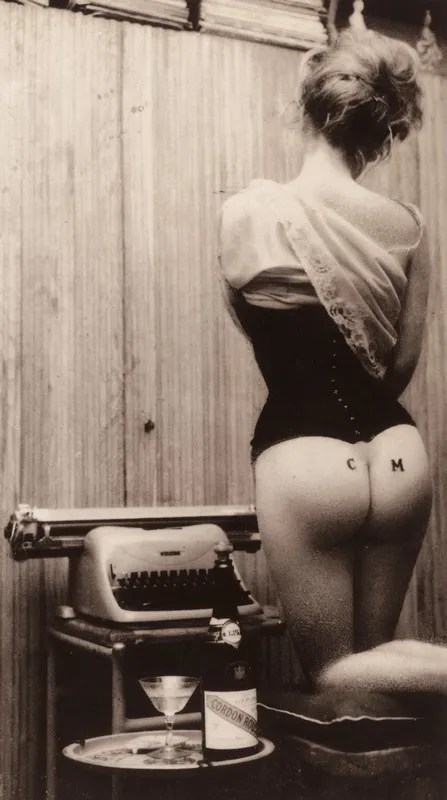
He never published these images during his lifetime. Between roughly 1935 and the late 1960s he invited models (often dancers, actresses or women he met in Turin’s elegant cafés) to his secret apartment on Via Napione. There, in a theatrical setting of mirrors, velvet and his own furniture, he directed meticulously staged scenes that feel like a bridge between Surrealism and contemporary kink photography.
Surrender as Aesthetic
What makes Mollino’s work quietly revolutionary is the way he eroticizes surrender itself. His women are rarely passive victims; they are willing participants in an intimate ritual. A gloved hand resting on a thigh, a stockinged leg arched just so, the slight tilt of a chin that says “I allow this”, every gesture is choreographed. There is rope only occasionally, yet the atmosphere is saturated with subtle power exchange: the model yields to the photographer’s vision, and the photographer, in turn, worships her.
Role-play permeates the series. One moment she is a 1940s femme fatale, cigarette holder in hand; the next she is bound loosely with silk scarves, eyes half-closed in dreamy resignation. Fur stoles slide off shoulders like liquid temptation; patent heels catch the light as symbols of both elevation and delicious restraint.
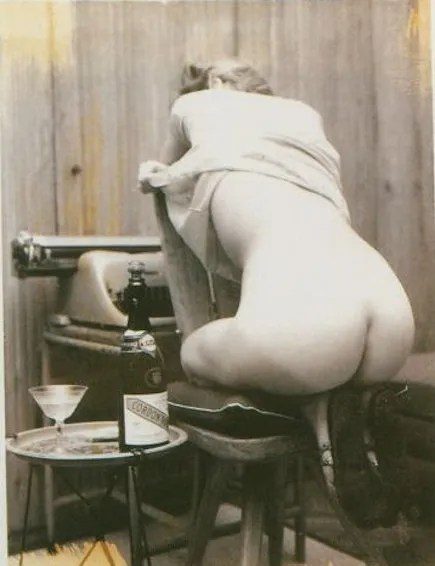

The Polaroid as Private Fetish
Working almost exclusively with instant Polaroid film in his later years gave Mollino absolute control. No lab technician would ever see these images. They were his alone: thousands of them, carefully stored in envelopes, a secret archive discovered only after his death. In that sense, Mollino was not just photographing submission; he was living it through the very act of keeping the work hidden.
Legacy in the Shadows
Today, Mollino’s erotic photographs are celebrated in books like Polaroids (2013) and exhibited in galleries that understand how to present them: as high art with an unmistakable undercurrent of BDSM sensibility — long before the term entered mainstream vocabulary.
For those of us who believe that true elegance often wears a collar (even when it’s only implied), Carlo Mollino remains essential. His images do not shout; they whisper and in that whisper lies the thrill of surrender, perfectly framed.
Welcome to the archive, Maestro Mollino. The velvet rope is lifted.