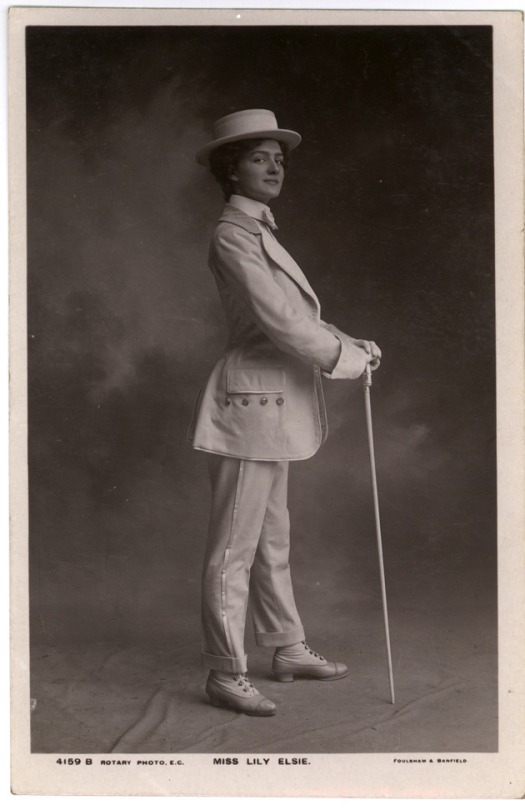
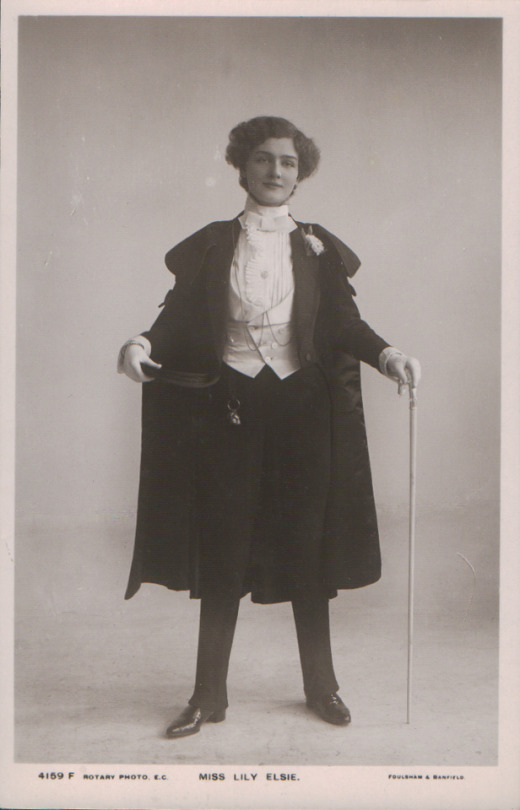
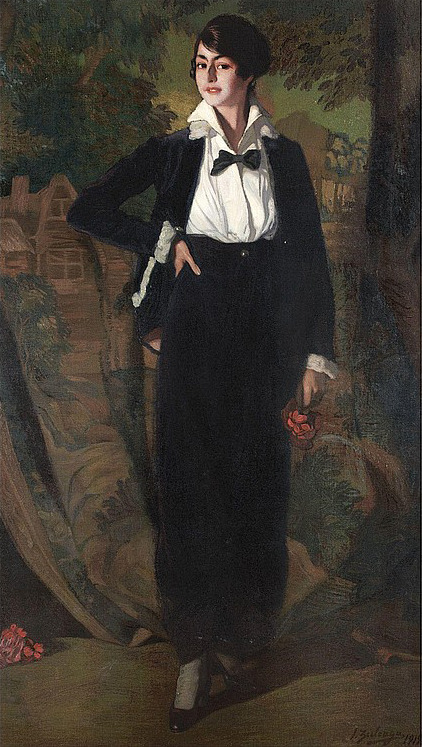
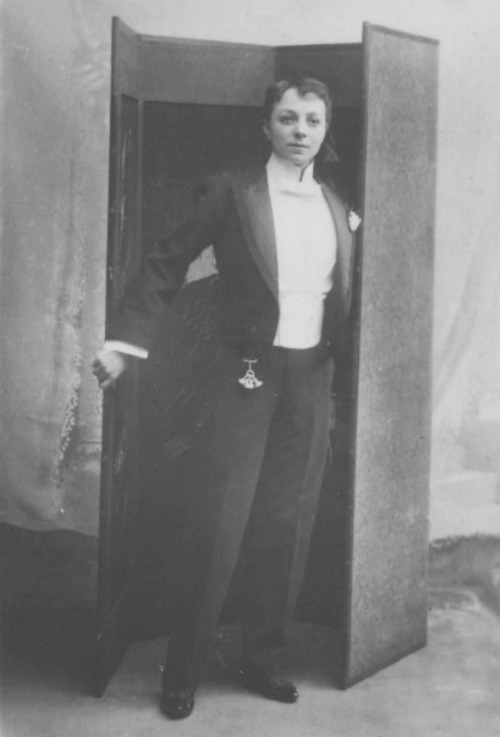
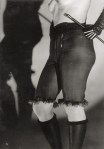
In the late Victorian and Edwardian era (1870–1910), a “bifurcated girl” was any woman bold enough to wear divided skirts, bloomers, or the new cycling knickers. One skirt became two legs. One modest silhouette became two scandalous outlines. Society didn’t see fashion; it saw rebellion. A woman who literally split herself was no longer “one” under God and man. She had stepped out of line.
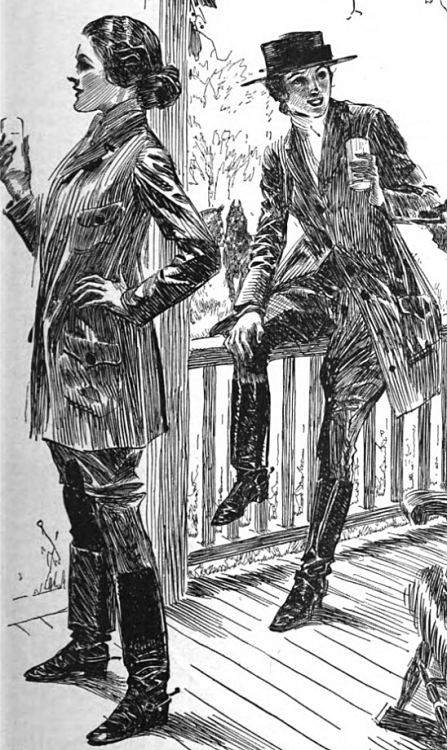
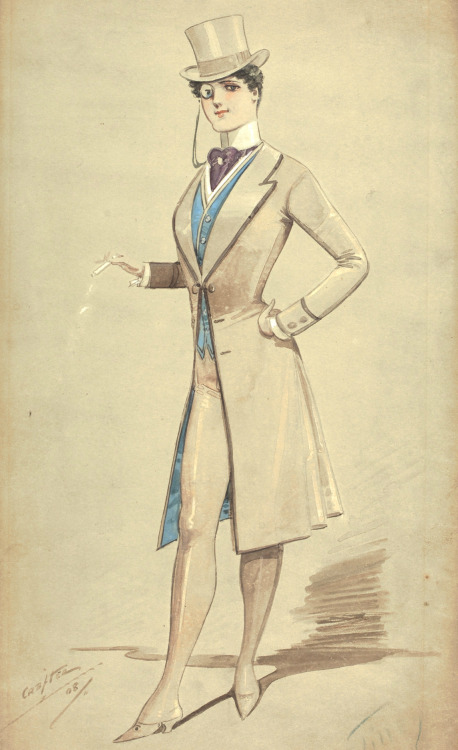
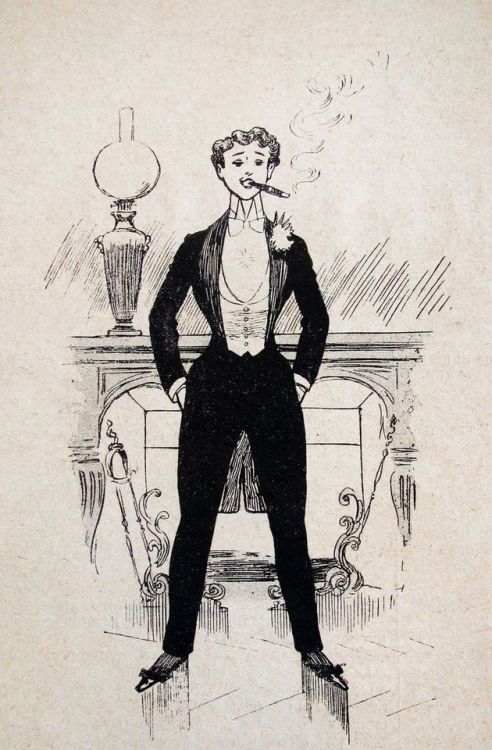
Media’s Mischievous Mockery: Laughing at the Line-Crossers
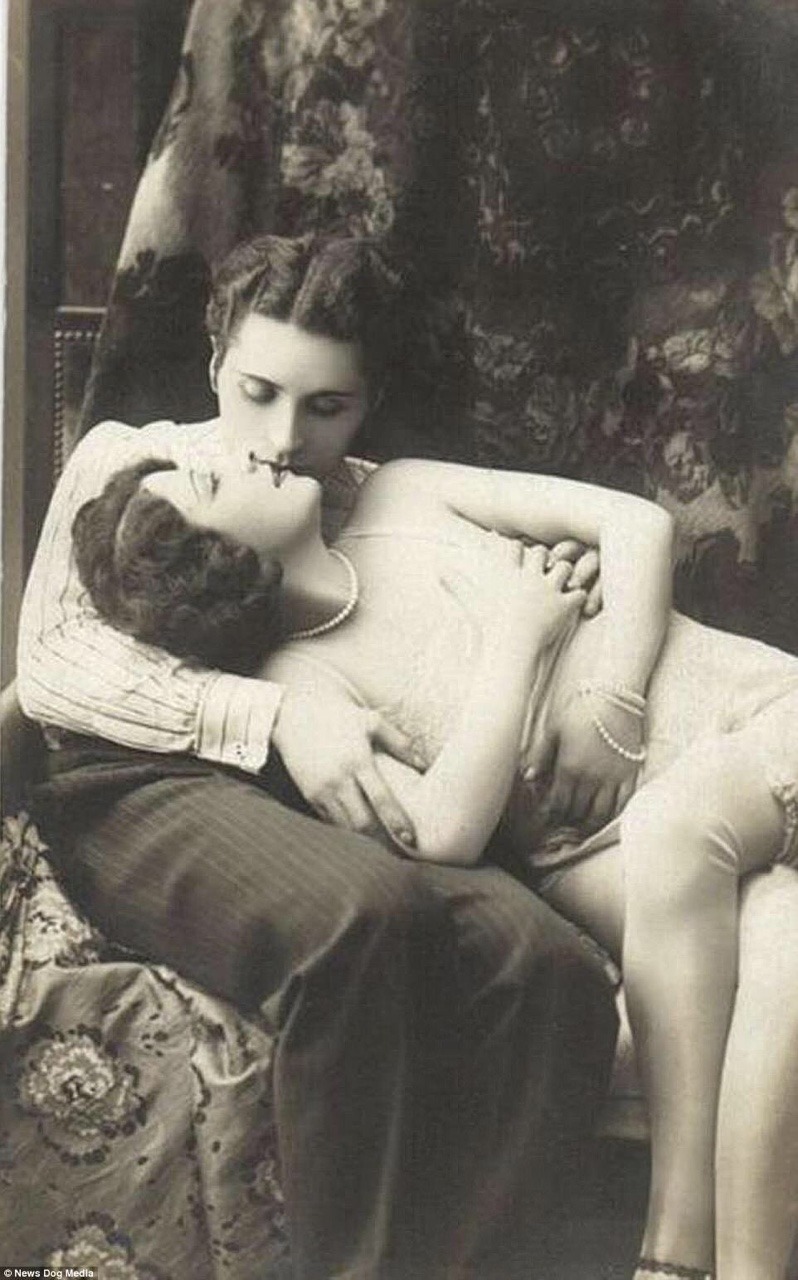
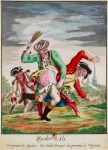
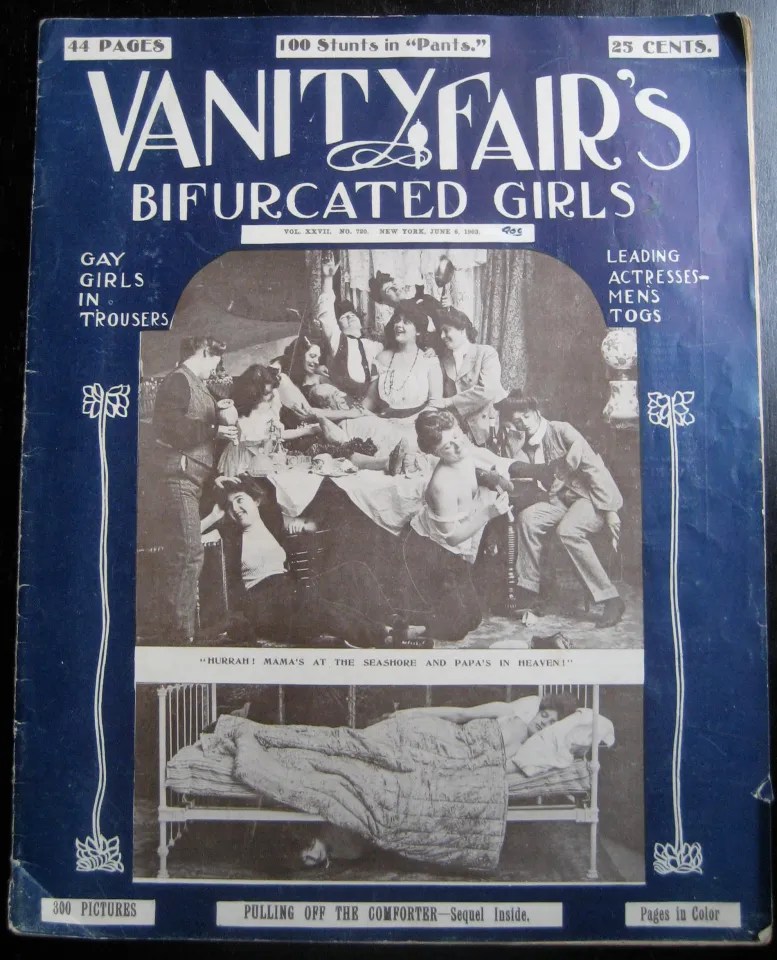
The press didn’t just report on these trouser-wearing upstarts, they amplified the outrage with a wink and a whack. Magazines and postcards turned the bifurcated girl into a punchline, churning out hundreds of cartoons where she’s caught mid-stride and promptly pulled over a knee for “correction.” In 1903, Vanity Fair (the cheeky predecessor to today’s glossy) dropped a bombshell: a special “Bifurcated Girls” issue, packed with salacious illustrations of women in pants striking defiant poses, wrestling playfully, and yes, even spanking each other in titillating tableaux.
This proto-girlie mag issue, dated June 6, wasn’t subtle. It dripped with sexual undertones, mocking the “gay girls in trousers” while stoking the very fantasies it pretended to scold.

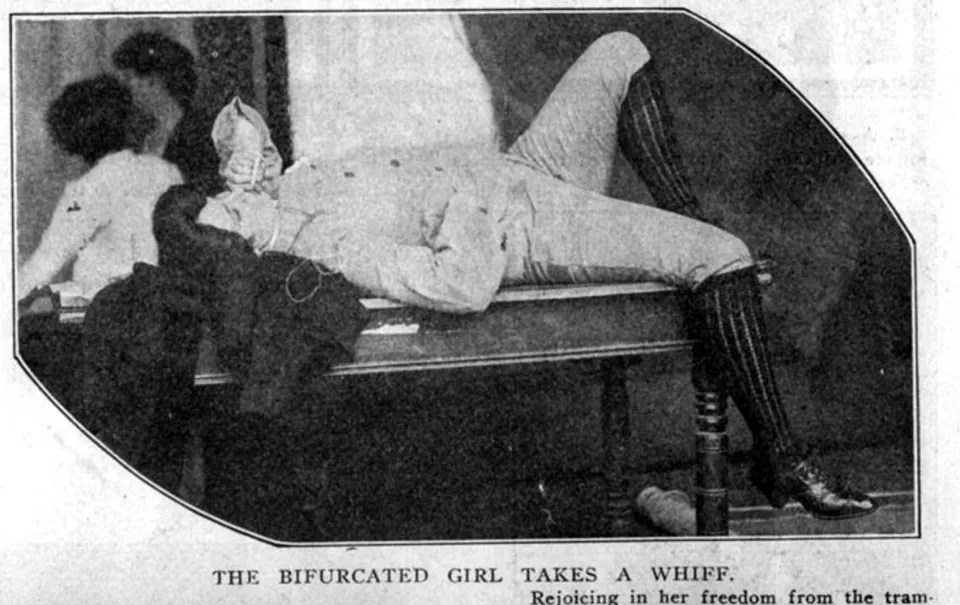
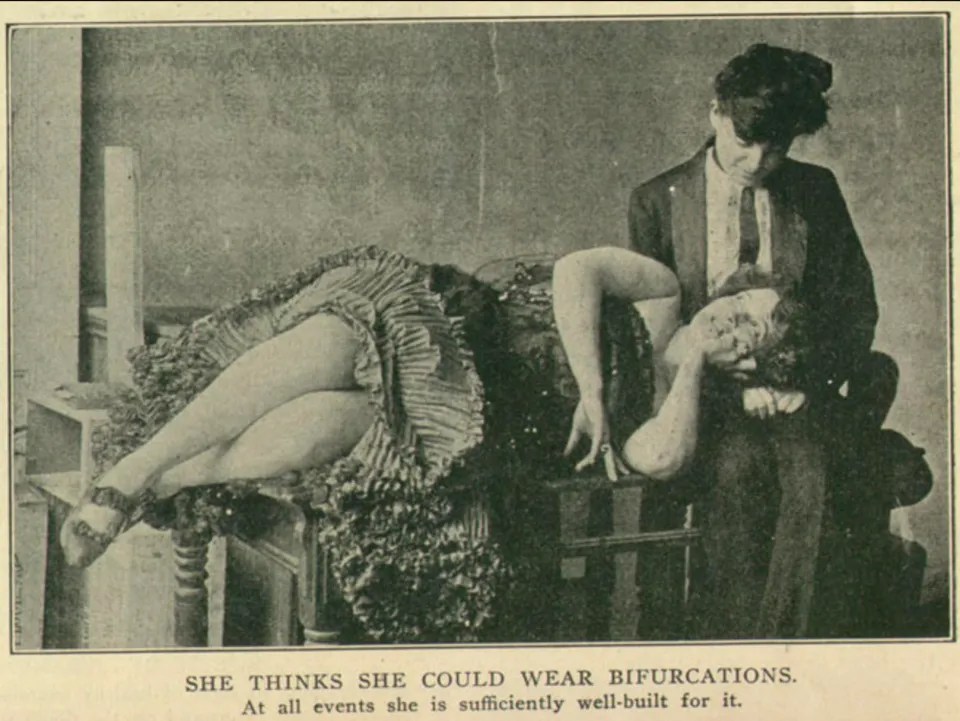
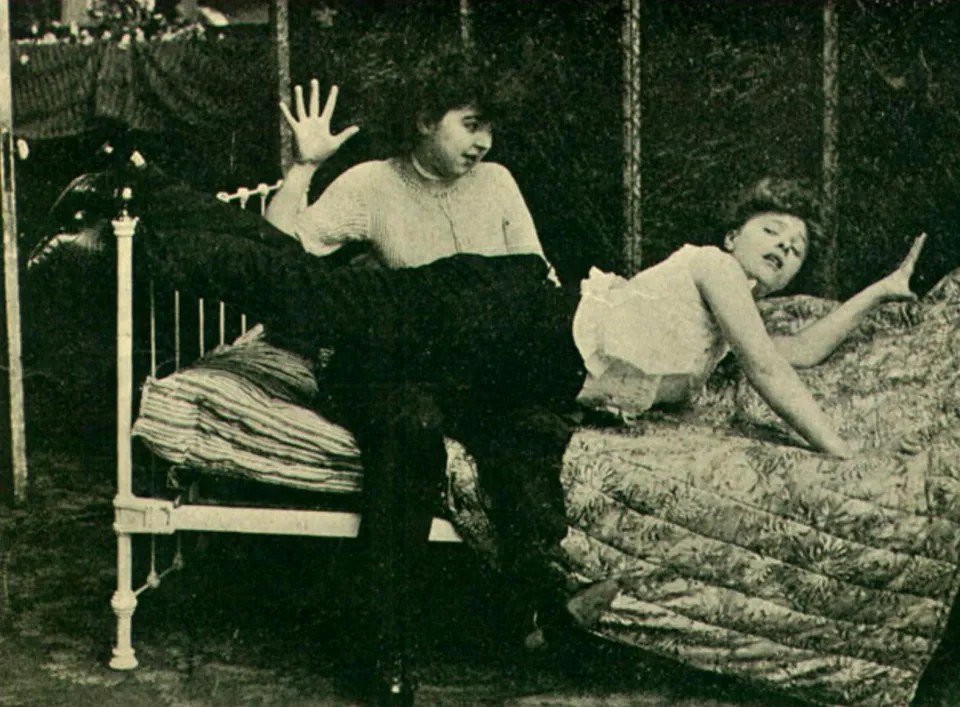
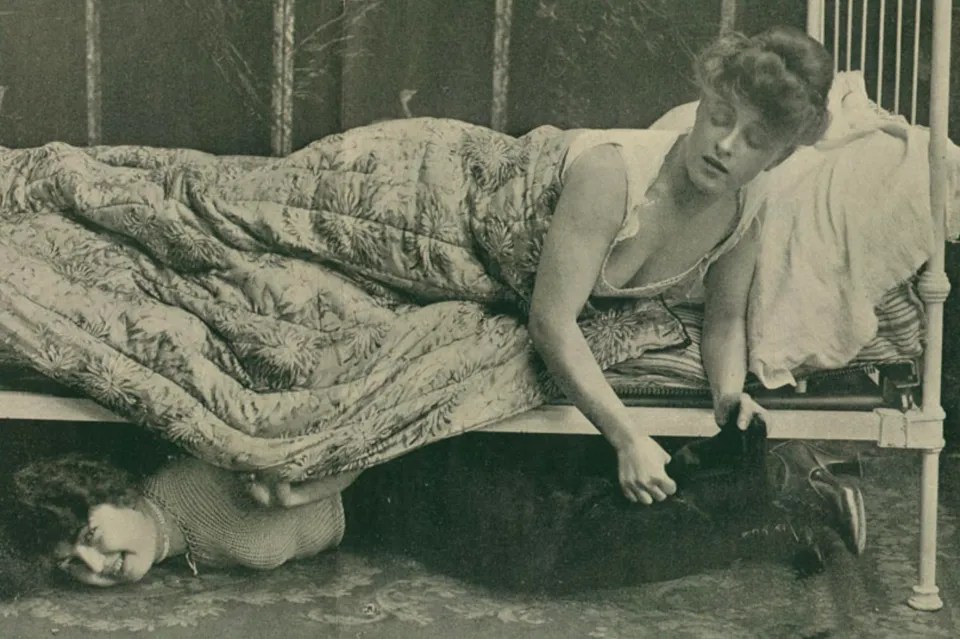
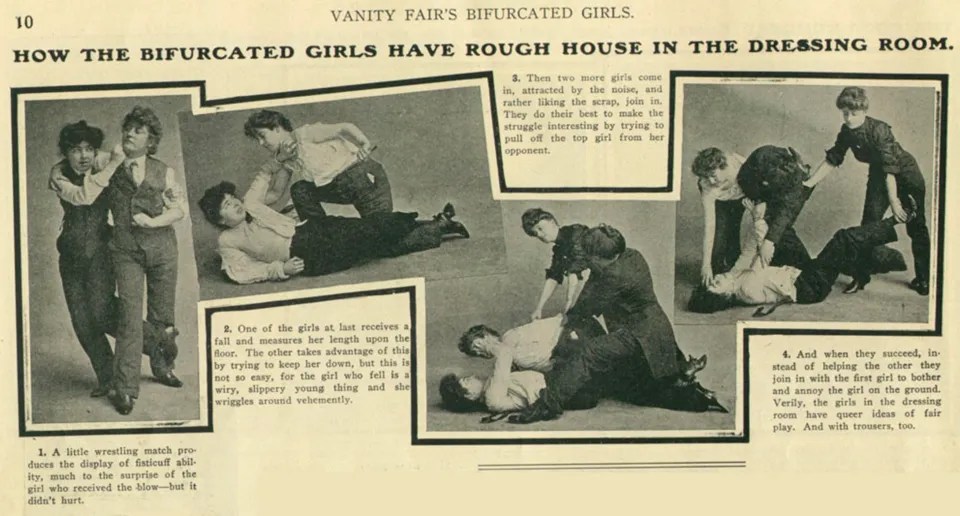
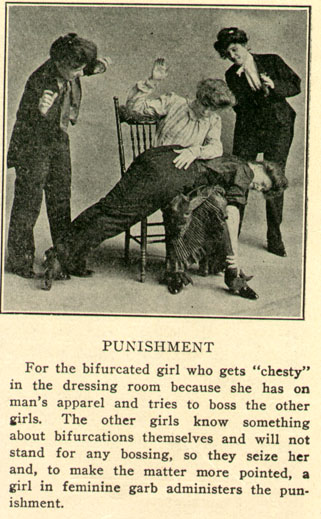
Anti-suffragette postcards piled on, depicting trouser-clad feminists getting their comeuppance from stern husbands or cops, hairbrushes at the ready. Comics in rags like The Standard & Vanity Fair (1907) kept the trope alive, blending humor with a hard edge: dare to divide your skirts, and you’ll divide your dignity across someone’s lap. These weren’t fringe rags; they were mainstream media, normalizing spanking as the go-to gag for gender rebellion.
From Social Control to Erotic Blueprint
Spanking was still a mainstream tool of domestic discipline back then. A wife or daughter who challenged the codes could legally and socially be “corrected” with a smacked bottom. The media wrapped that threat in cartoons and quips, but the message stuck: break the dress code, lose your bloomers and your poise.
Today, flip through those faded postcards and Vanity Fair spreads and the shrill moral panic of the era melts away. What remains is far more interesting: courageous women who knowingly weaponised scandal to claim space, autonomy, and the right to decide for themselves how their bodies moved through the world.
Some of them were perhaps the original brats, teasing the system with a wink, wearing the forbidden garment precisely because they knew it would provoke a reaction. Others were deadly serious pioneers who accepted the risk of ridicule or worse because bodily freedom mattered more than comfort or approval.
Either way, the choice was theirs. That is the real turn-on for us now: not that they “deserved” punishment, but that they stepped forward fully aware of the rules, weighed the consequences, and decided their liberty was worth whatever came next. Whether that was a satirical cartoon spanking or simply the exhilaration of riding a bicycle unhindered.
The bifurcated girl wasn’t waiting to be put in her place.
She was rewriting the map of where her place could be.
And if some of us, a century later, choose to eroticise that defiance by playfully re-enacting the “consequences” that, too, is our freely made choice.
Suggestions:
Women in Trousers: A Visual Archive is a collection of digital images that together tell a story about women in trousers as a history of social, cultural and political change. It offers a visual account of the complex and sometimes contradictory meanings assigned to and by trouser-wearing women in public space.
The Bifurcated Girls on Tumblr, a large collection vintage photos and art with women in trousers.