Until 6 April 2026, the Fries Museum finally gives Margaretha Geertruida Zelle the exhibition she has never truly had: not the cartoon spy in fishnets, but the woman who reinvented herself so many times that history still cannot decide which version to condemn.
A baker’s daughter (born in 1876) in a provincial Dutch town. A childhood of relative comfort ended abruptly when the family went bankrupt. At nineteen she answered a lonely-hearts advertisement from a Dutch colonial officer twice her age and sailed to Java as the wife of Captain Rudolf MacLeod. Seven years of alcoholism, syphilis, beatings, and the deaths of two children followed. She learned Malay dance in the temples, took the name Mata Hari (“eye of the dawn”), and returned to Europe in 1902. Divorced, penniless, thirty years old in an era when that was already considered finished.
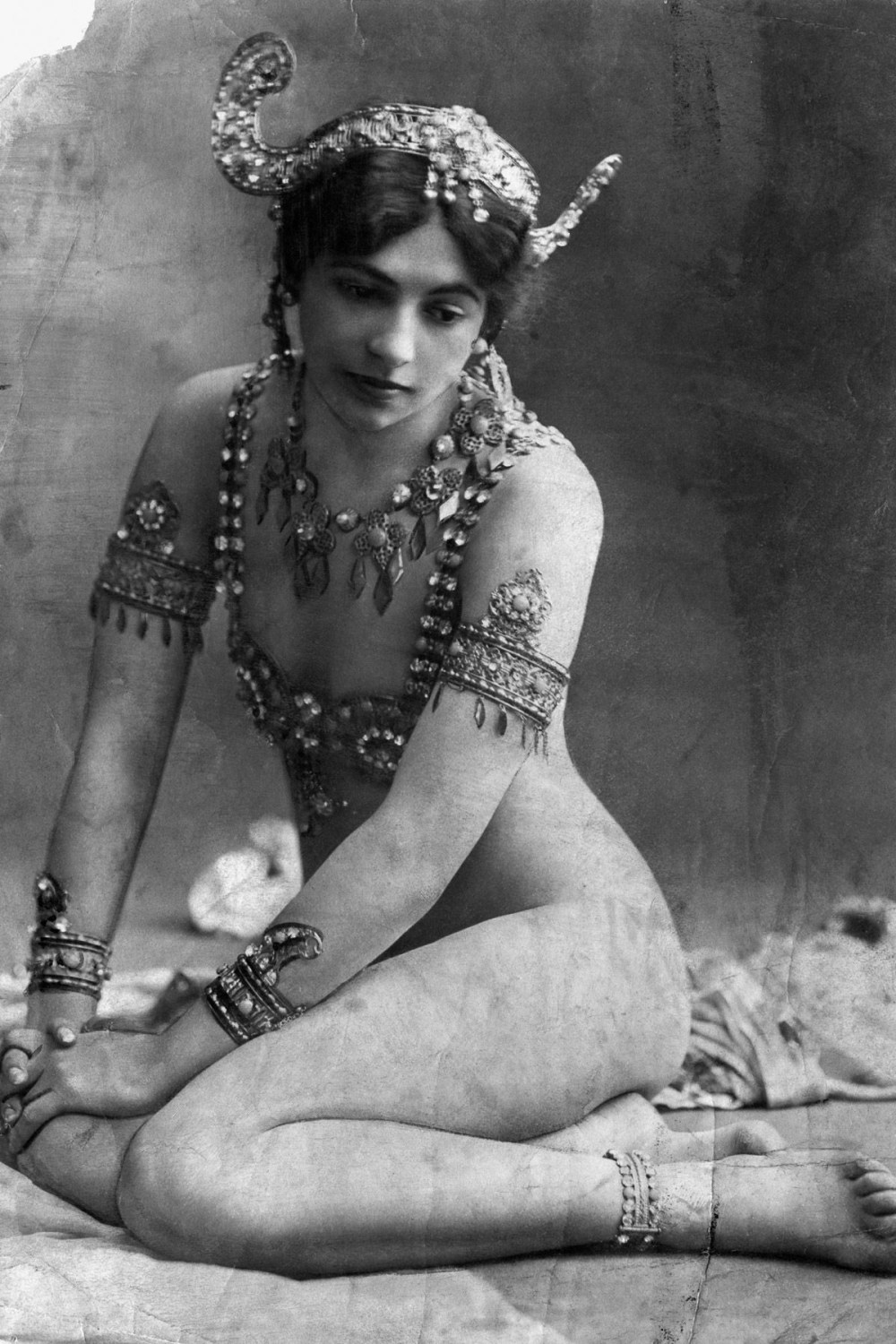
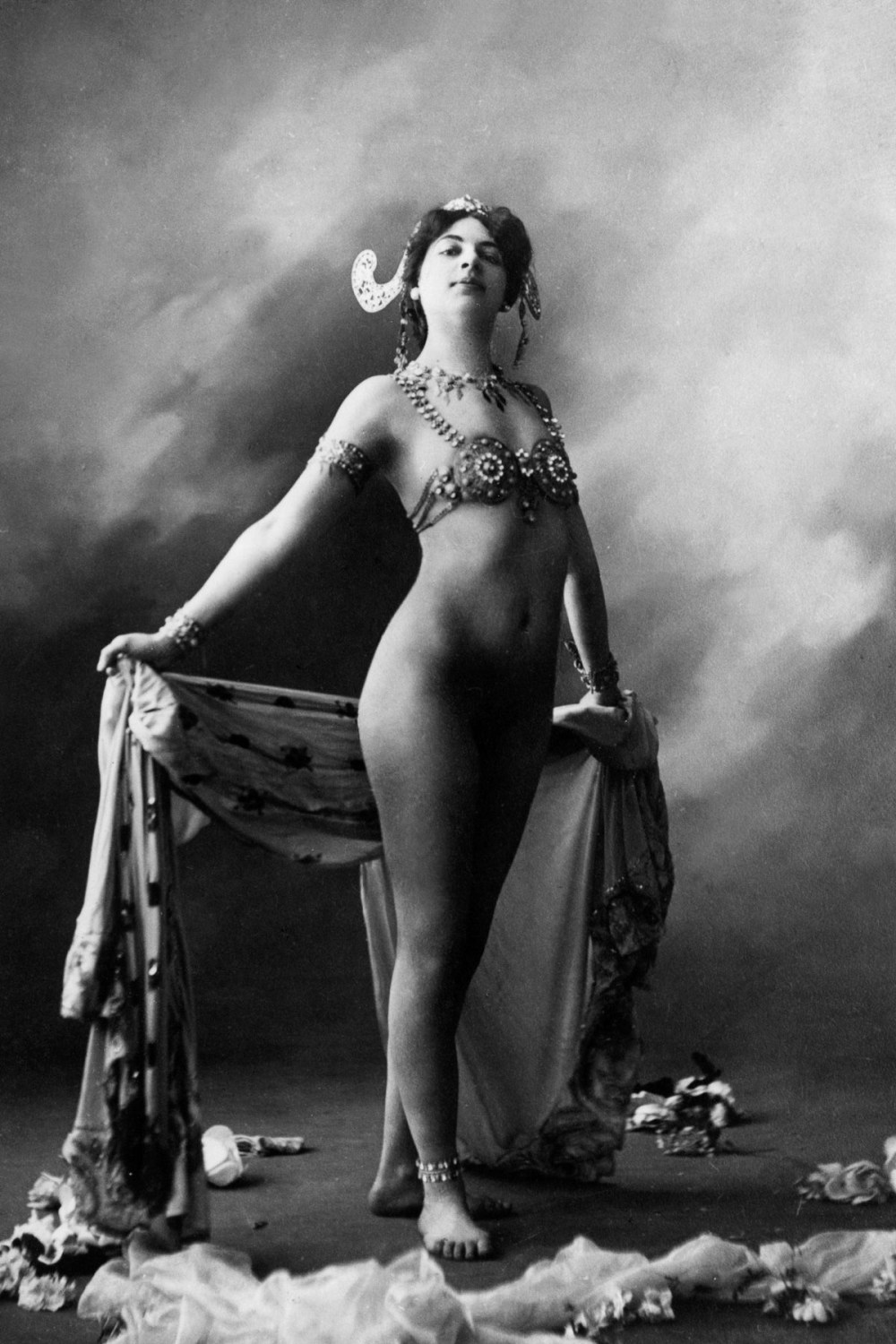
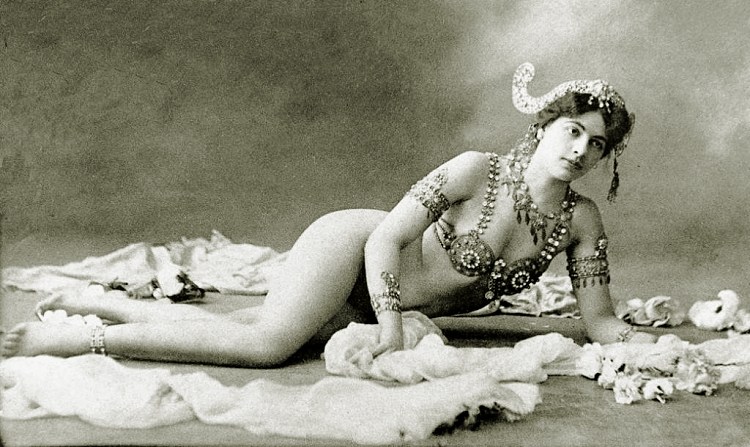
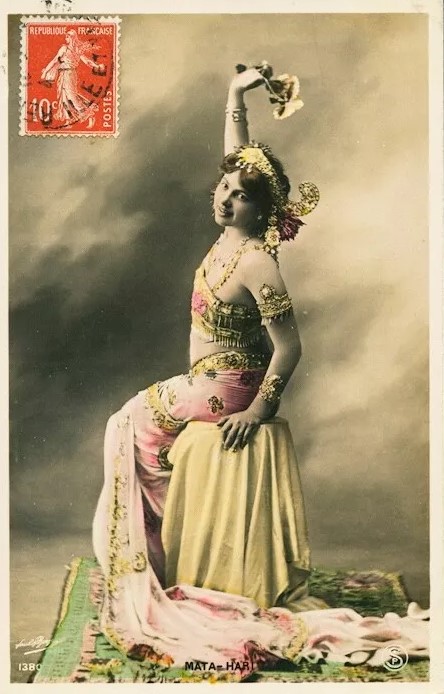
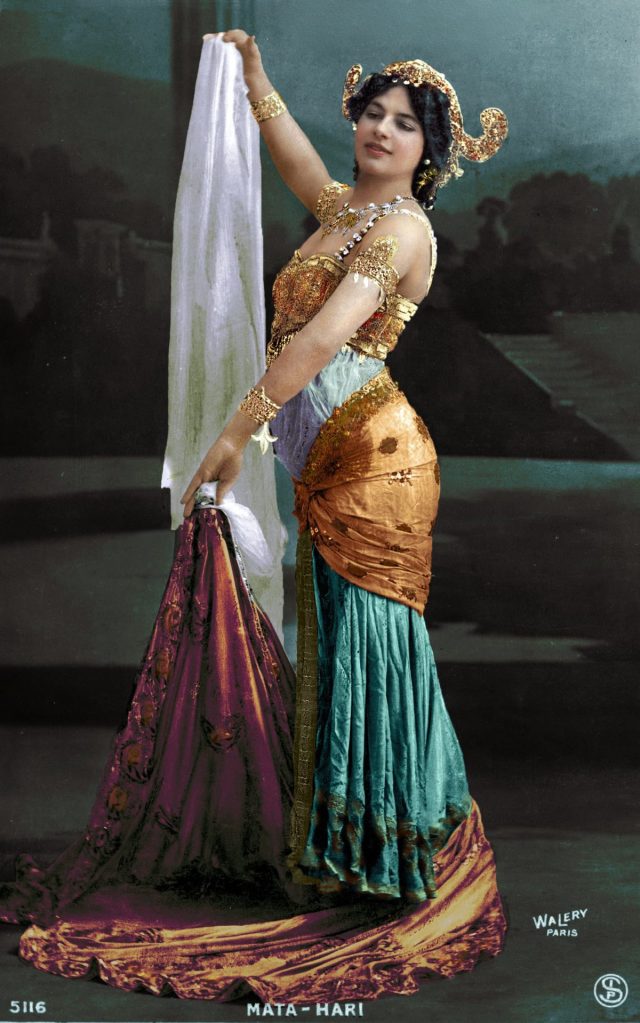
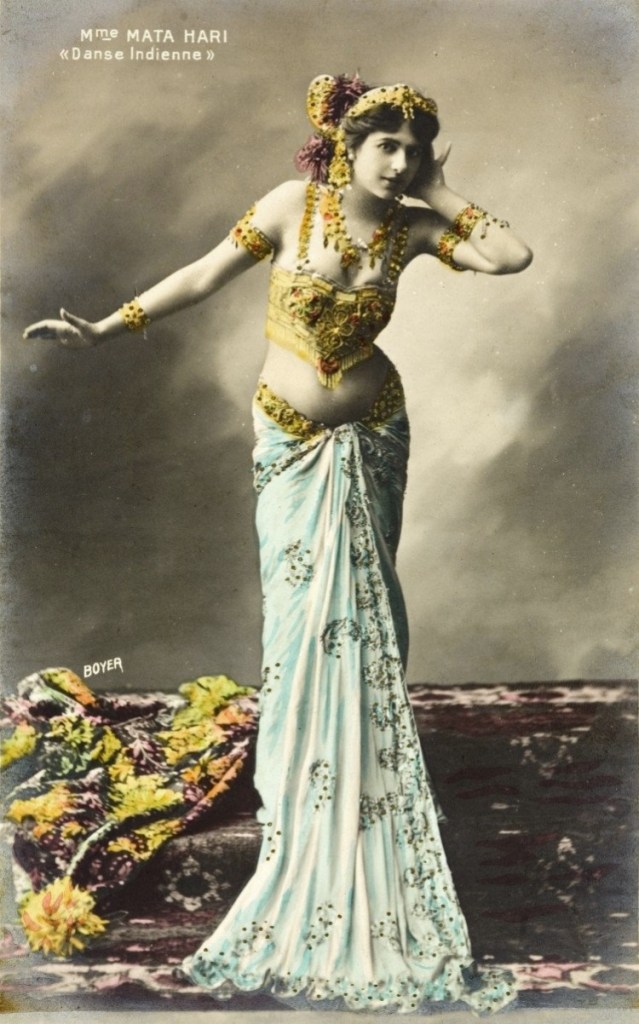
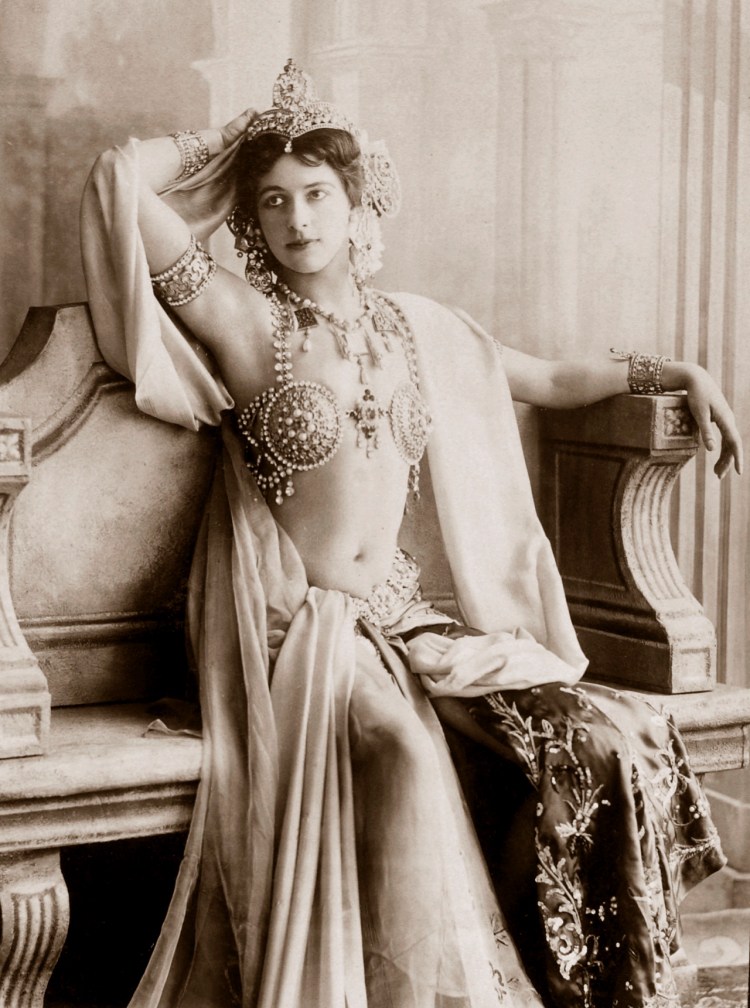
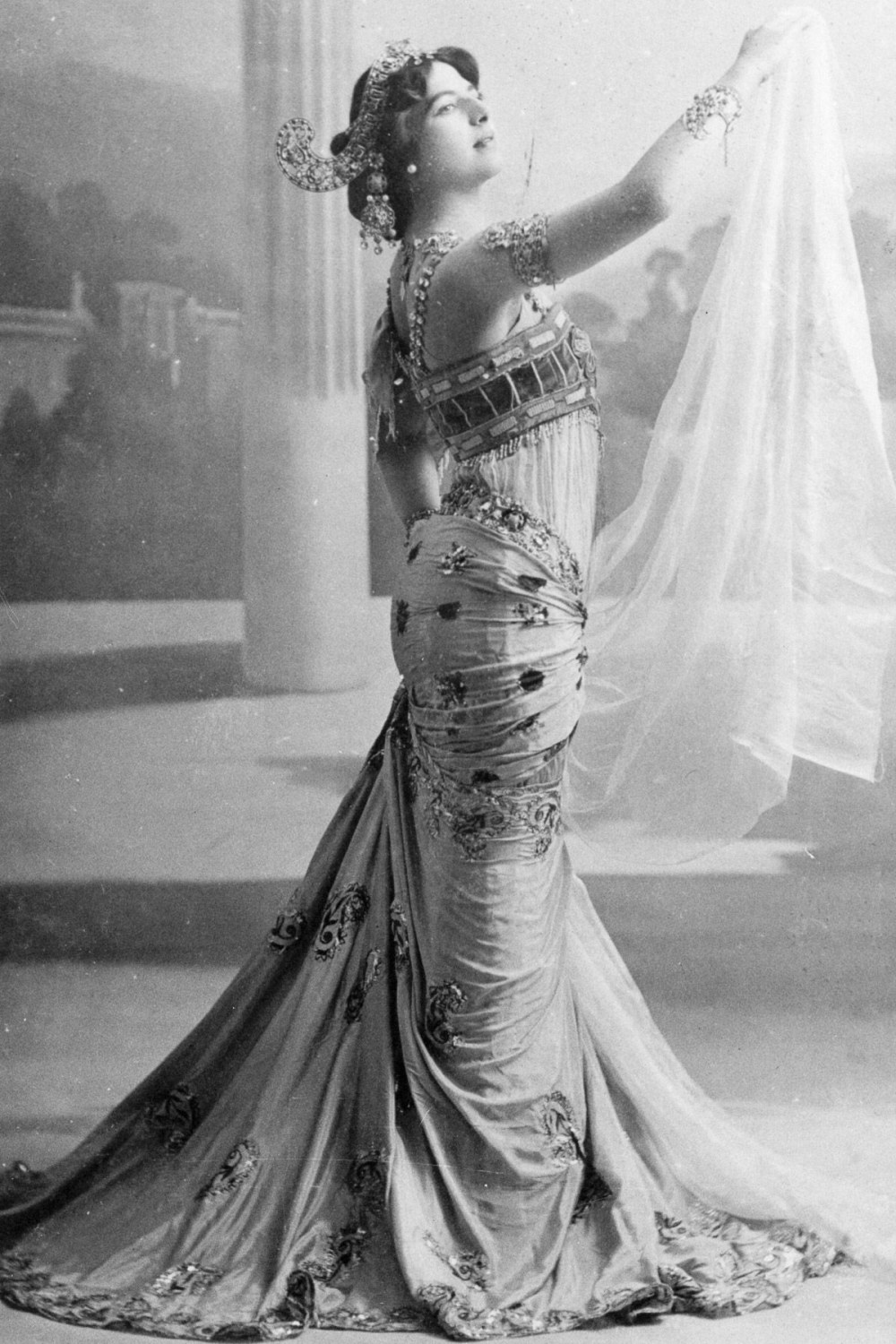
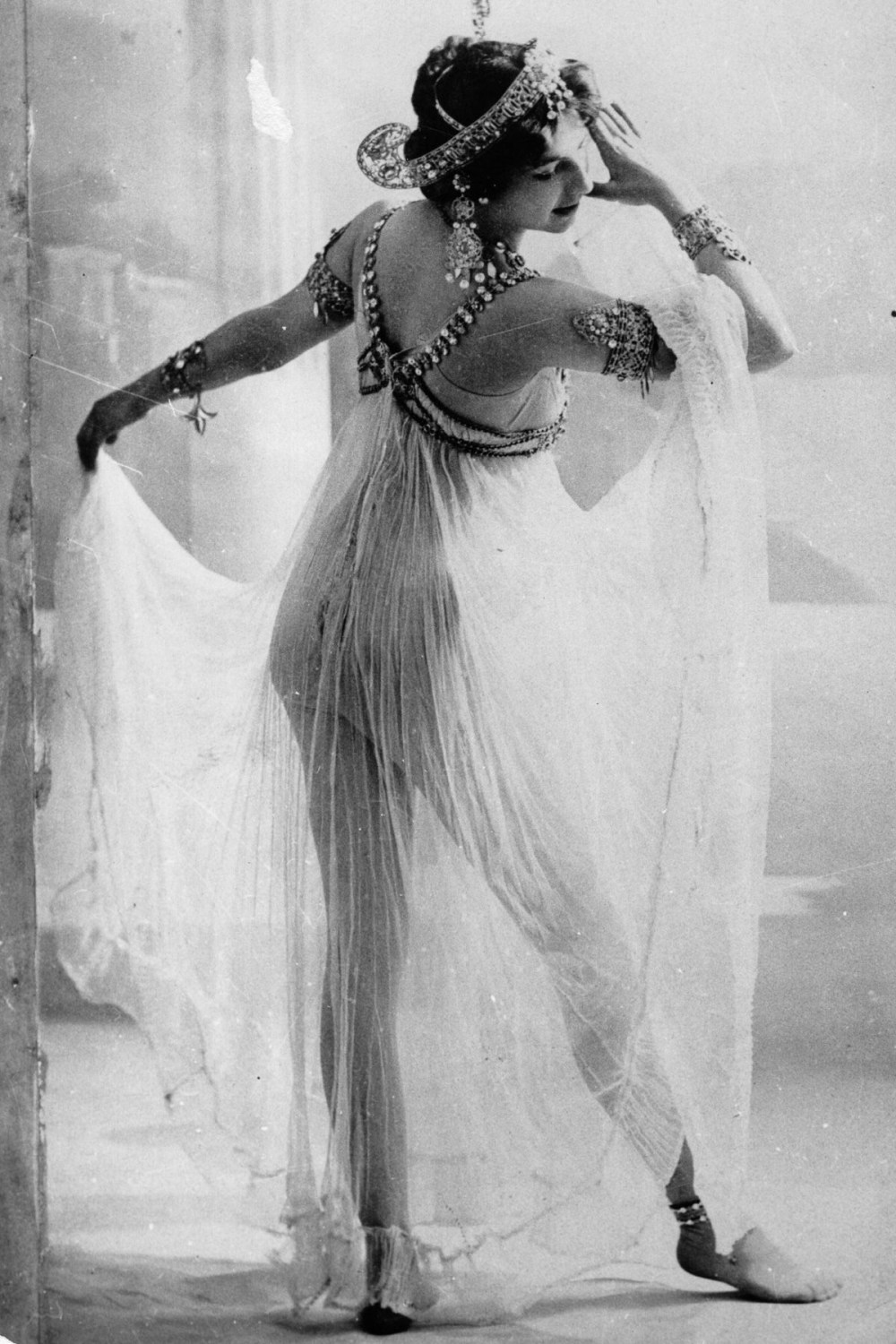
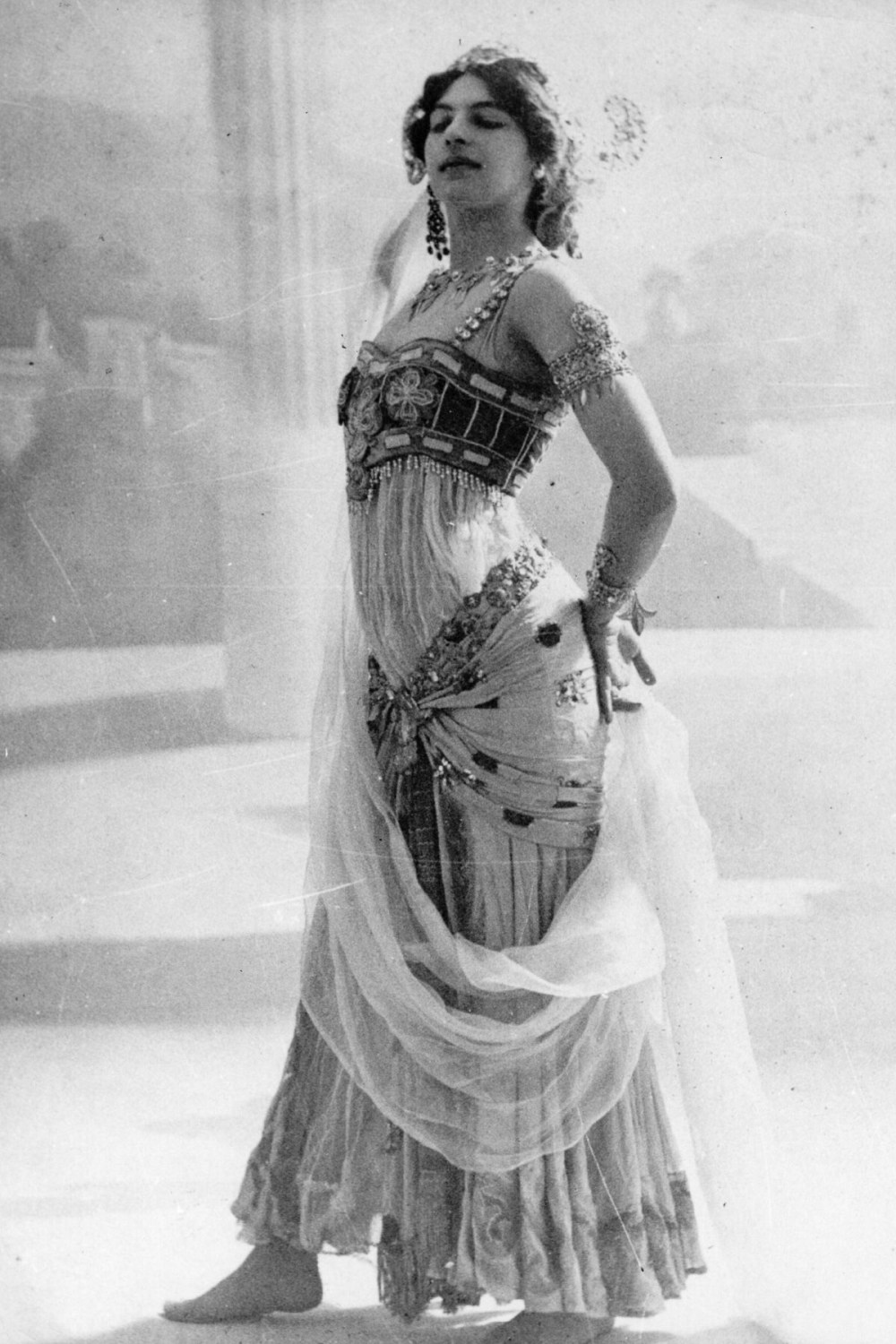
Paris, 1905. She walked into the Musée Guimet wearing nothing but a beaded bra and a length of Javanese cloth and danced herself into legend. Within months every postcard rack in Europe carried her image: arms raised, breasts barely covered, eyes half-closed in calculated ecstasy. She was neither the best dancer nor the most beautiful woman in Paris, but she understood spectacle better than anyone. The body became currency; the myth became armour.
The Courtesan Years
She slept with generals, industrialists, ministers, half the General Staff of France, it was later claimed. In an age when a woman without money or family had few respectable options, she chose the oldest profession and elevated it into performance art. Her lovers gave her jewels, apartments, horses. She gave them the illusion that they possessed the untouchable Mata Hari.
I have never been a spy. I have only ever been a woman who needed to live
Margaretha Zelle, Vincennes prison, October 1917

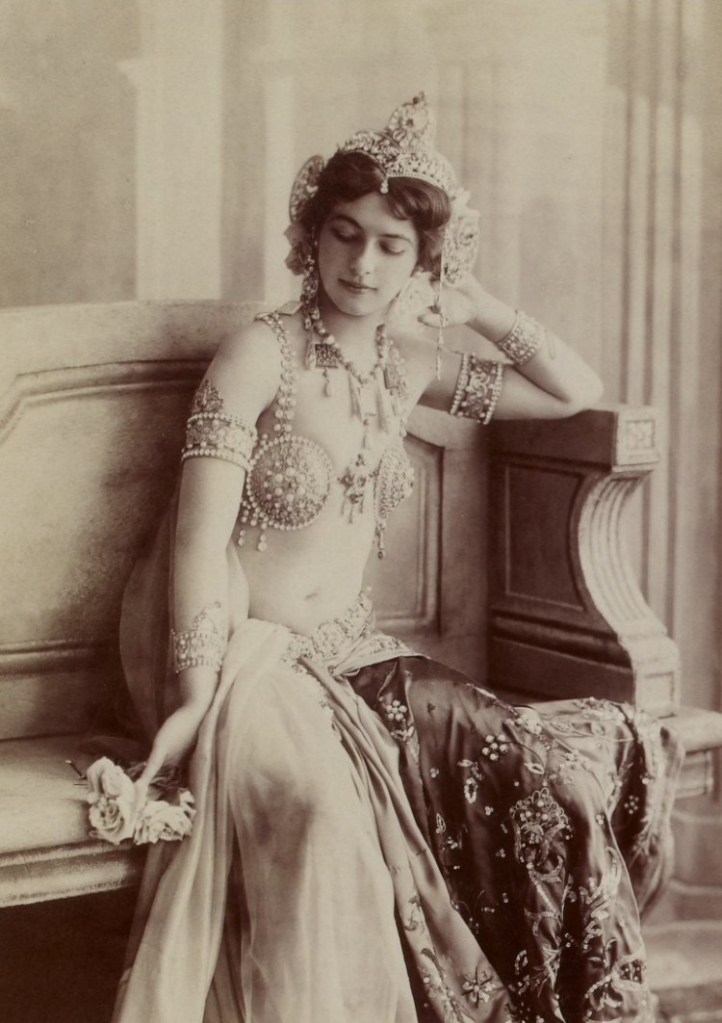
1914–1917: War and the Fatal Label
When war broke out, a forty-year-old exotic dancer suddenly found herself unemployed – borders closed, music halls dark. She accepted an offer from the German consul in The Hague to become agent H-21, for which she was paid 20 000 francs in cash she never collected. French counter-intelligence, desperate for a scapegoat after the disasters of 1916, intercepted her telegrams, misread the codename, and decided she was the most dangerous woman in Europe.
The evidence presented at her 1917 court-martial was laughable by modern standards: invisible ink that wrote nothing, a codename she barely used, lovers who denied everything. Yet France needed blood. On 15 October 1917, at dawn, she was taken to the moat of Vincennes castle. Refusing a blindfold, she blew a kiss to the firing squad.

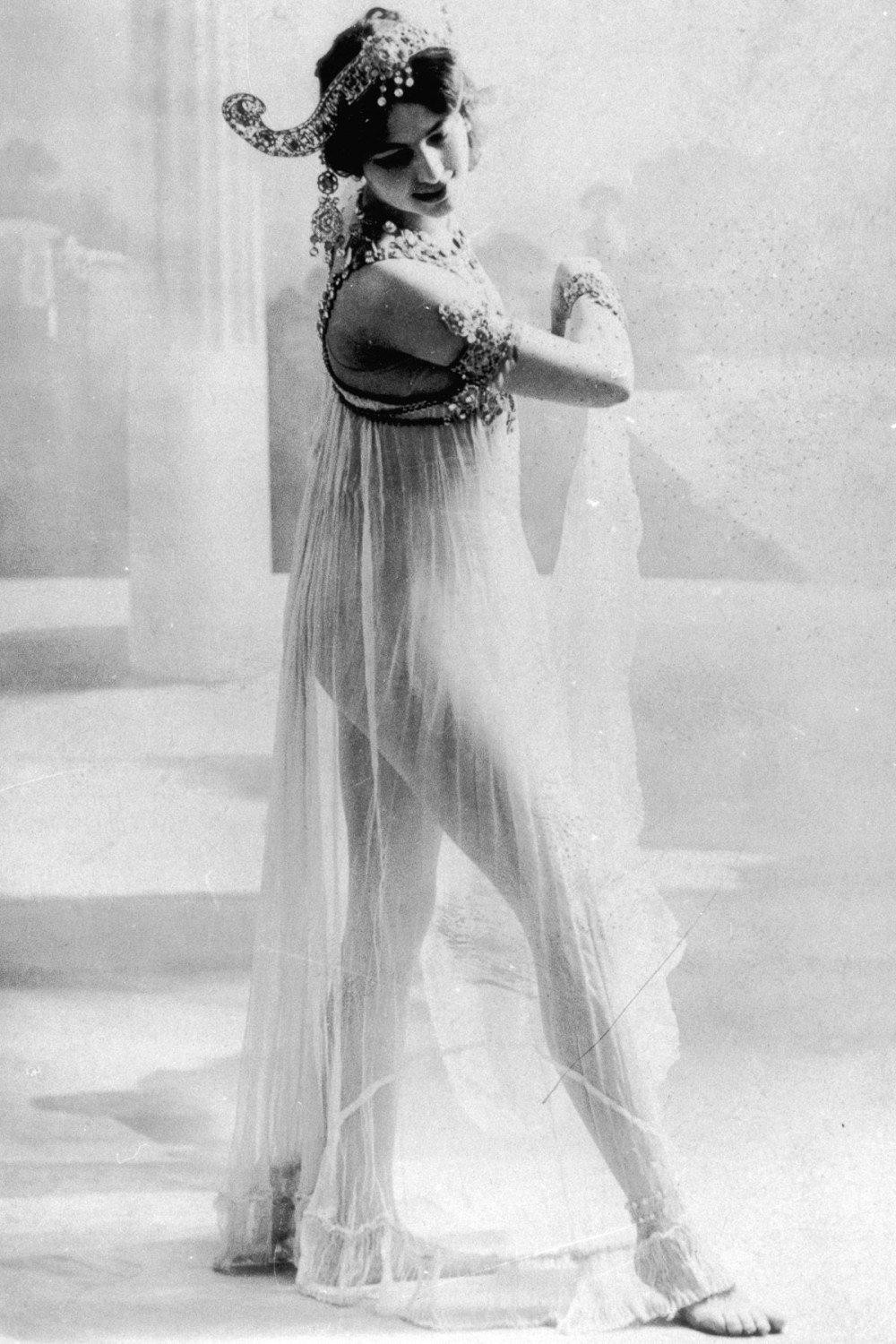
Legacy: The Eternal Femme Fatale
The French army invented the spy; Hollywood perfected the myth. Greta Garbo, Marlene Dietrich, Jeanne Moreau, Sylvia Kristel, every generation has needed its Mata Hari. Burlesque stages, bondage photographers, fetish artists from John Willie to Eric Stanton to contemporary latex designers all trace a direct line back to those Guimet postcards: the exotic dancer bound in ropes of her own creation, simultaneously victim and manipulator.
What is often forgotten is the survivor beneath the sequins. Every reinvention: Javanese temple dancer, Parisian nude, German agent, French traitor, was an act of desperate adaptation. She was never the master spy of legend, but she may well have known too much about too many powerful men in too many capitals.
In the end the accusation mattered less than the convenience of the story.
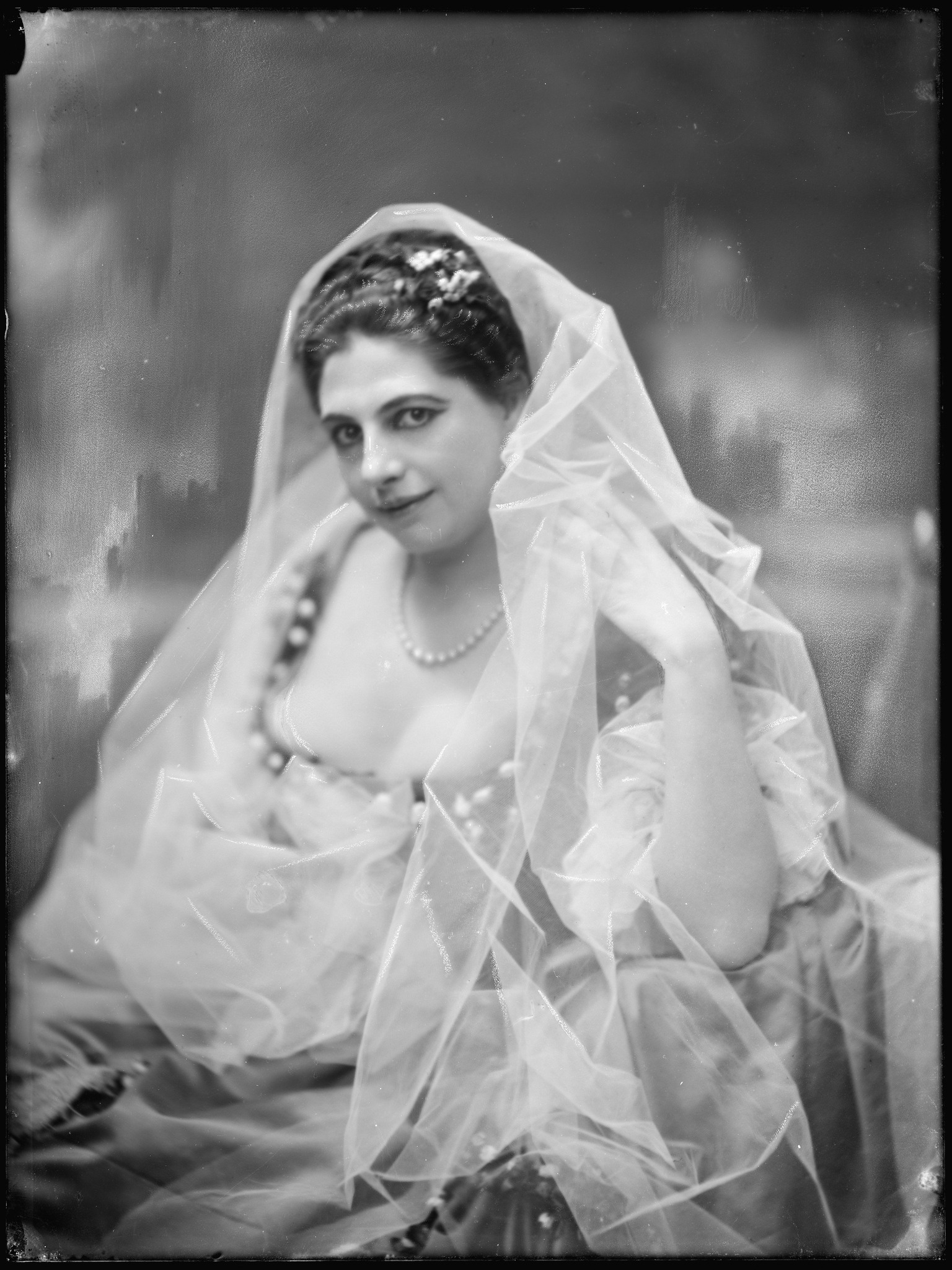
The Fries Museum exhibition refuses the caricature. It shows the schoolgirl in Friesland, the battered wife in Malang, the ageing courtesan still dancing in 1916 when her knees hurt. And it reminds us that the femme fatale is rarely born; she is made, one calculated risk at a time.
Margareth Zelle did not die for treason. She died because a frightened nation needed a witch, and she had spent twenty years teaching the world exactly how seductive a witch could be.