Rudolf Franz Lehnert (1878–1948) was born in Gross Aupa, Bohemia (today Velká Úpa, Czech Republic).
A restless eye for beauty led him south: first to Tunis in 1904, where he co-founded a photographic atelier with Ernst Heinrich Landrock. Under the imprint Lehnert & Landrock, the duo built an empire of postcards, albums, and art prints that romanticized the Maghreb and the Levant for European parlors.
War disrupted the idyll. In 1914 the French authorities seized their negatives; the partners scattered: Lehnert to Switzerland, Landrock to Germany. By 1924 they reunited in Cairo, rekindling the studio that would survive another century. Lehnert returned to Tunis in 1930; Landrock sold his stake in 1938 to stepson Kurt Lambelet. The name Lehnert & Landrock endures today in Cairo’s bookshop and gallery, still run by Edouard Lambelet: Lehnert & Landrock Bookshop and Art Gallery, 14 Sherif Street, Downtown Cairo.
The Orient is a woman: veiled, mysterious, and waiting to be unveiled by the lens.
Rudolf Lehnert (attributed, c. 1910), as recalled by Kurt Lambelet in a 1970s interview with Cairo Photo Review
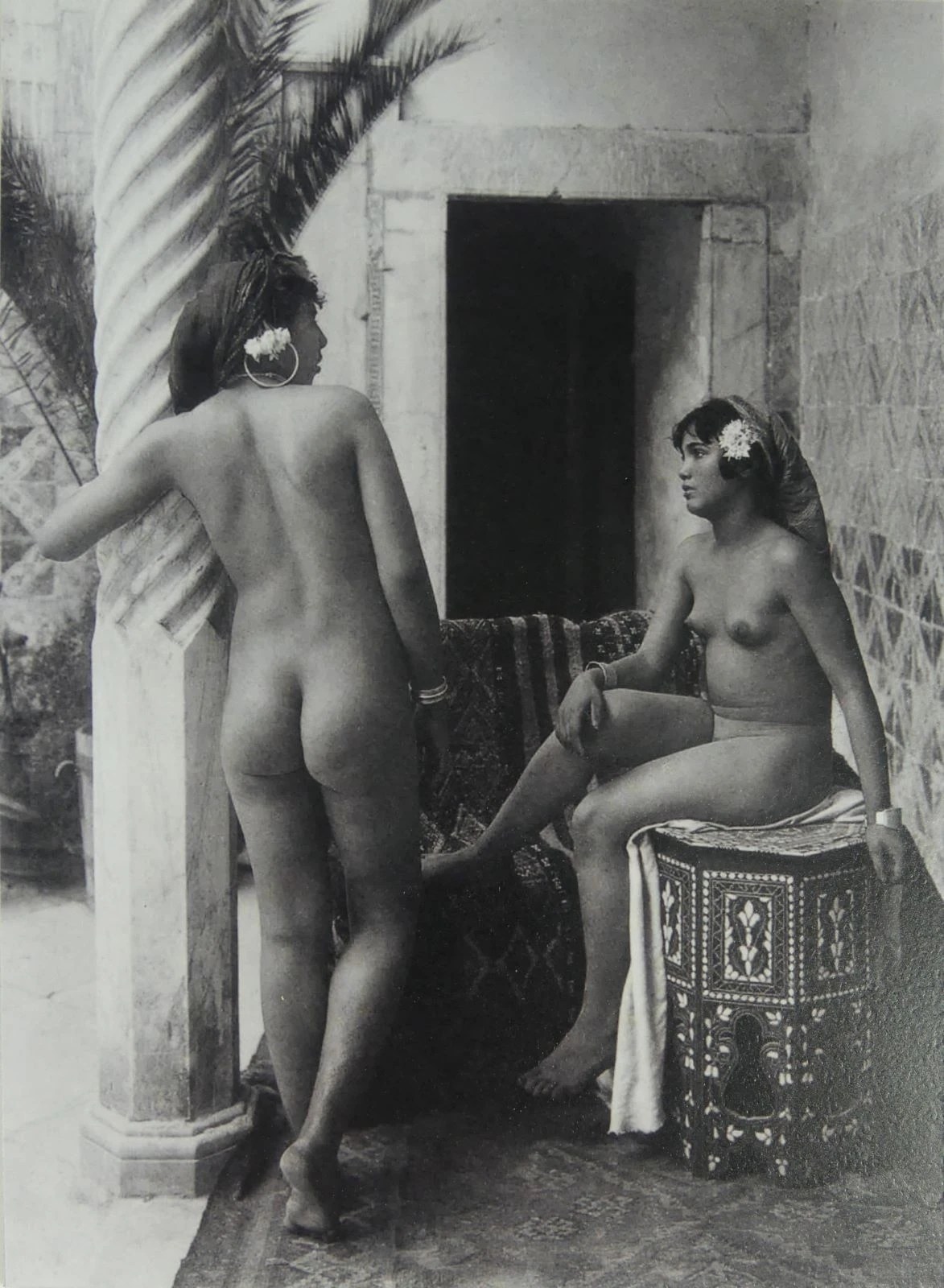


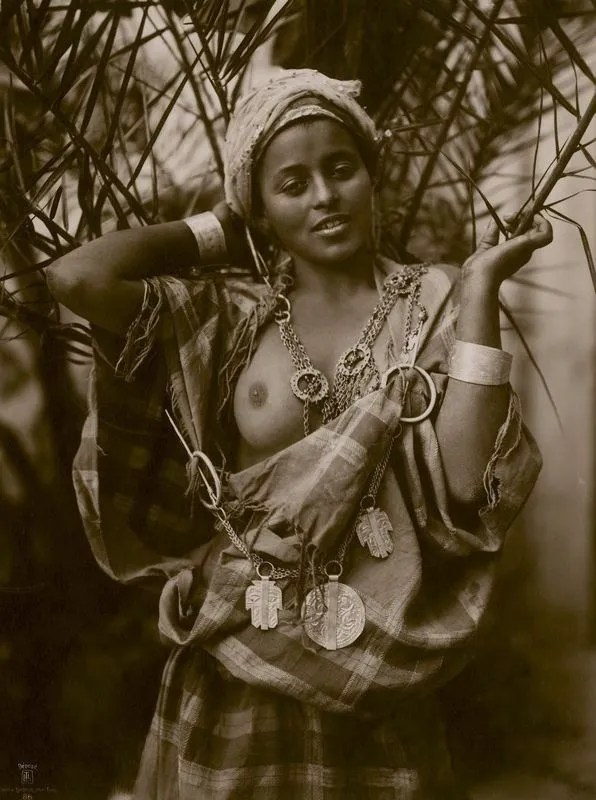


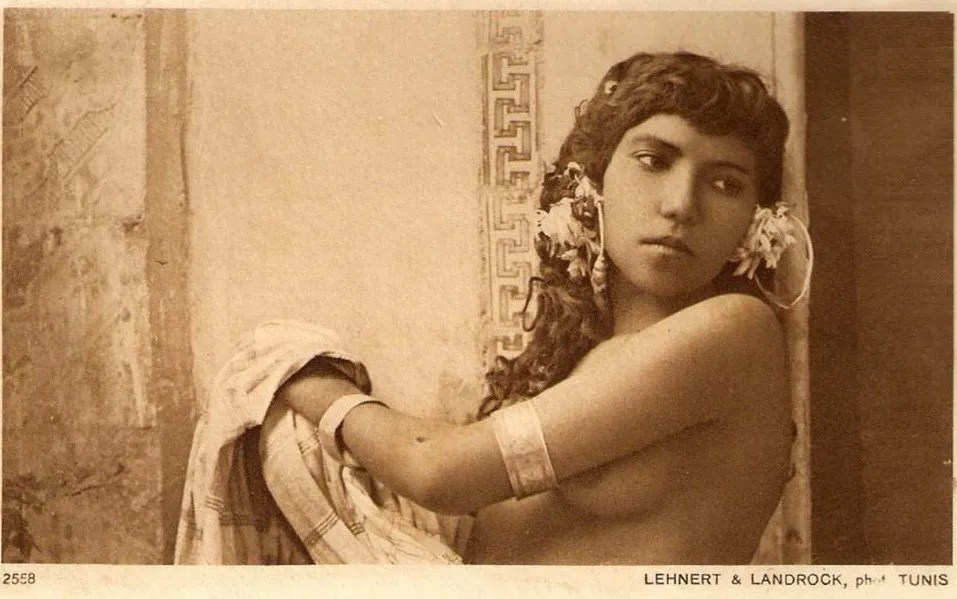


Harem Girls, Chains, and Colonial Gaze
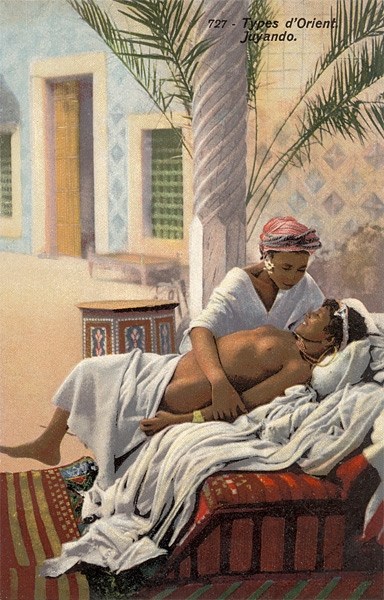
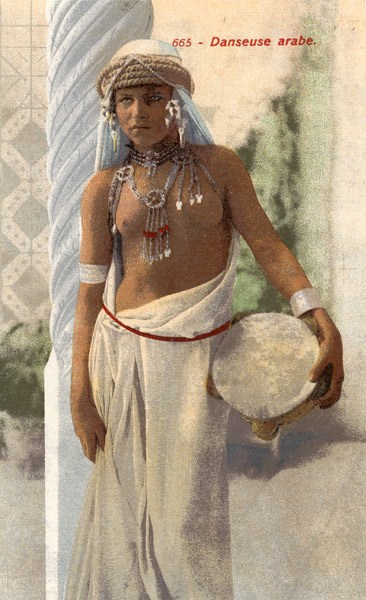
Lehnert’s most enduring series “Scènes et Types” features North African women in staged tableaux: veiled dancers, water-carriers, odalisques reclining on divans. Many appear nude or semi-nude, adorned with coin necklaces, anklets, and slave jewelry that glints against bare skin. Critics like Pascal Baetens label the work ethnocentric, even racist: projections of European male desire onto an imagined Orient. Yet Lehnert’s lighting is painterly, his compositions indebted to Ingres and Delacroix. Was he documenting, exoticizing, or simply captivated?
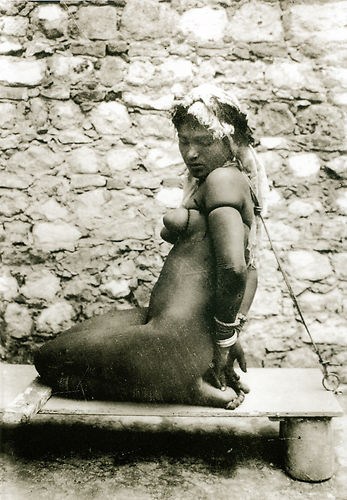
The Bound Series: A Singular Enigma
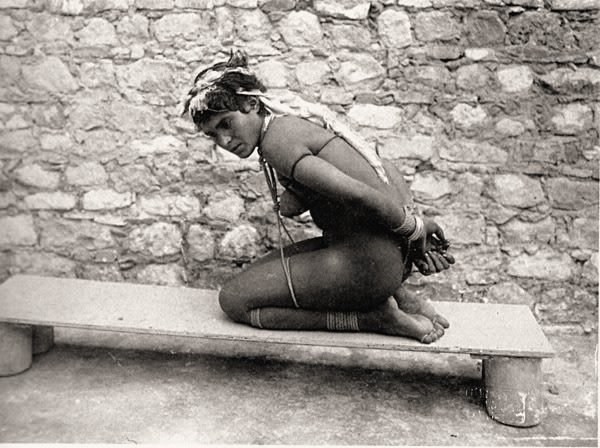
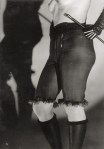
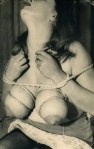
Among thousands of plates, one sequence stands apart: a young woman photographed in multiple bondage poses. Arms crossed behind her back, wrists lashed with soft cord, breasts framed by intricate ropework. Each frame escalates the restraint while preserving the studio’s signature elegance.
No caption explains the intent. Was it a private commission? A daring experiment in stylized submission? The model’s expression, calm, almost complicit complicates any reading of coercion.




Legacy in Silver and Shadow
Lehnert died in 1948, but his glass plates survived fires, wars, and regime changes. Today they fetch thousands at auction, prized equally by historians of photography and collectors of vintage erotica.His bound odalisque remains the rarest jewel: proof that even in the Edwardian era, the language of rope and reverence could be spoken with a whisper, not a shout.
Discover more photos from Lehnert:
Artnet – Mutual Art –





wonderful
LikeLiked by 1 person