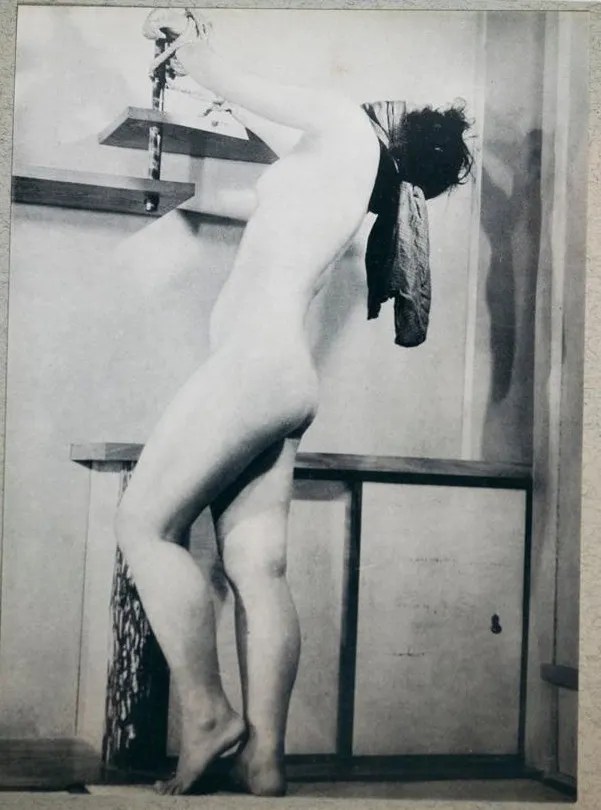
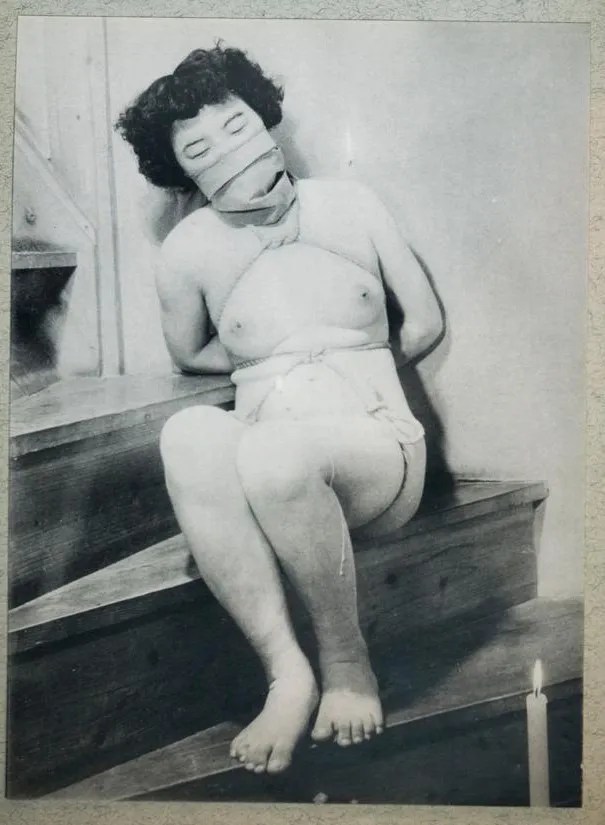
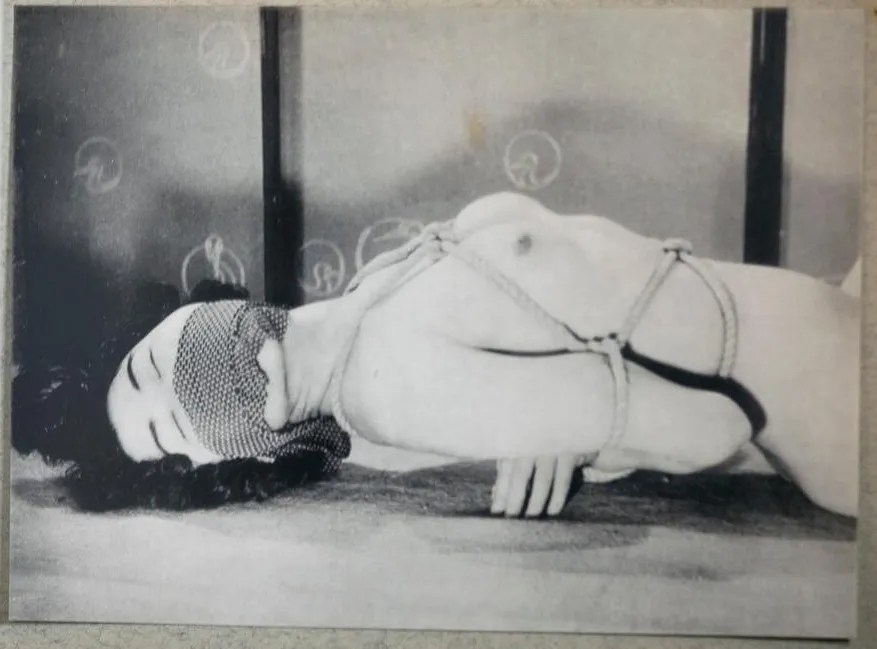
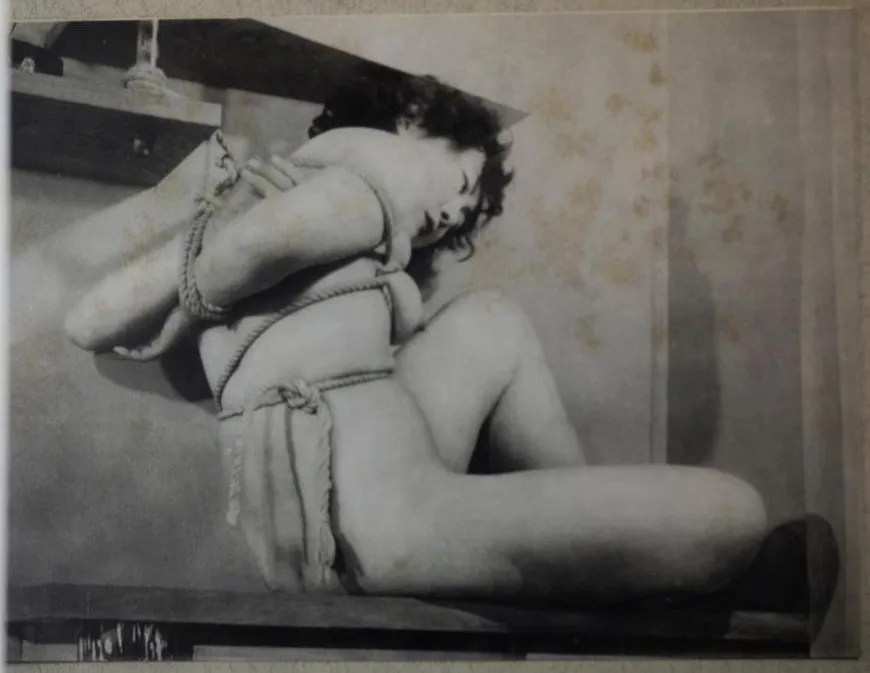
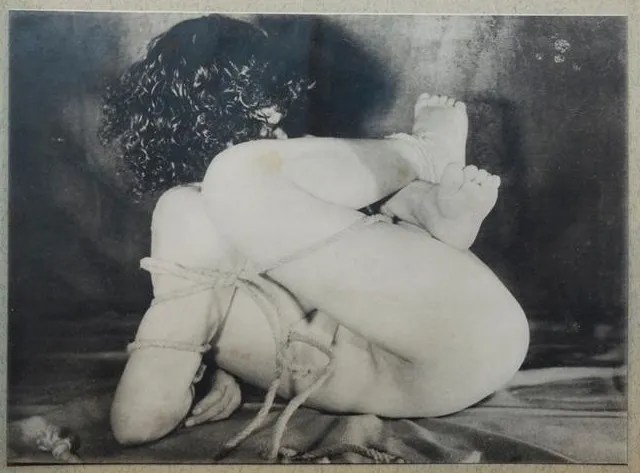
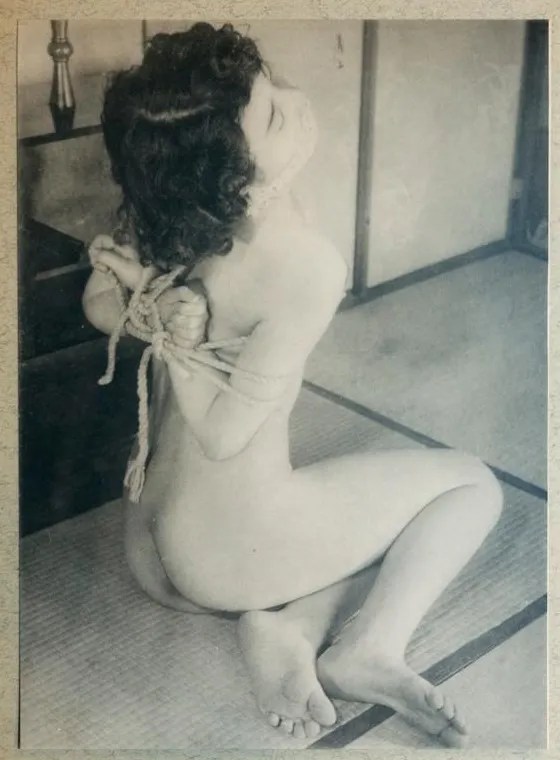
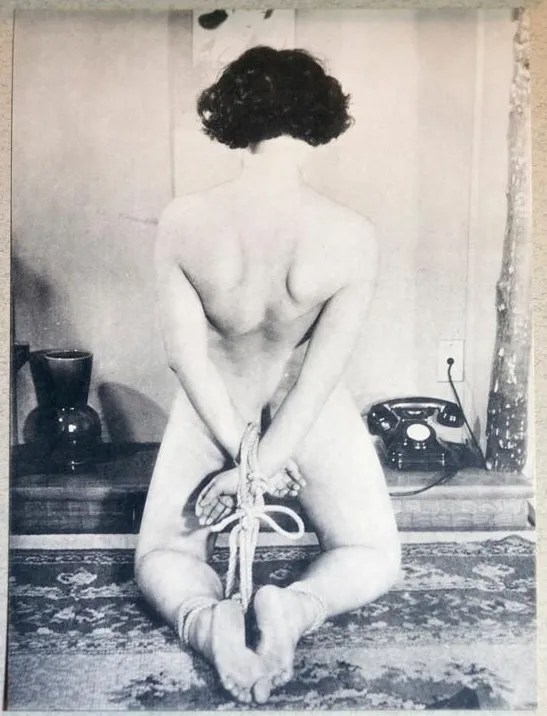
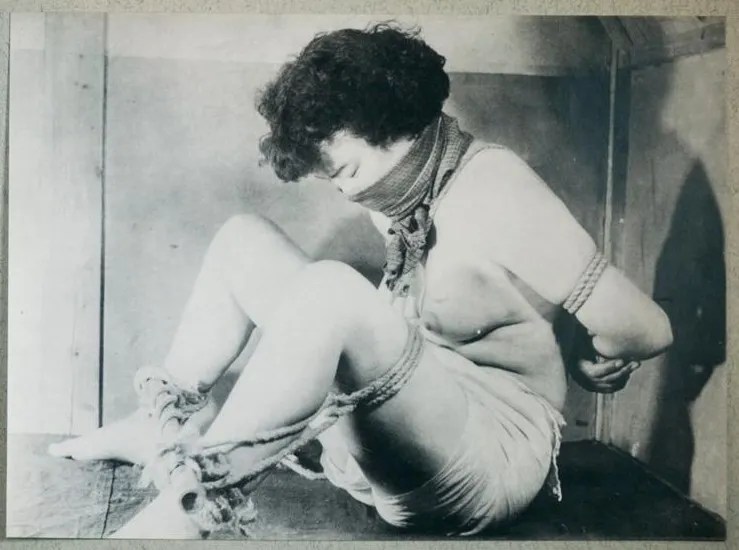
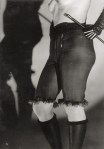
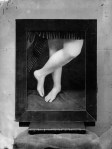
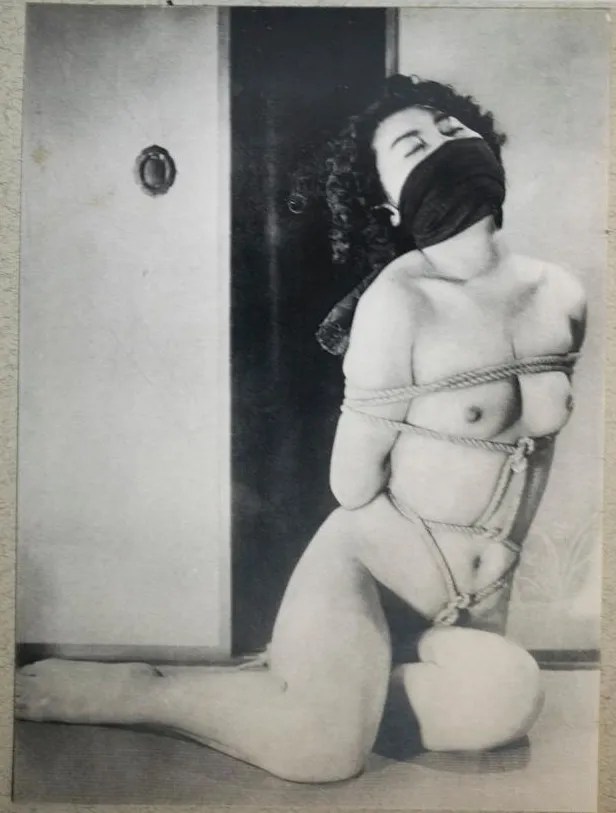
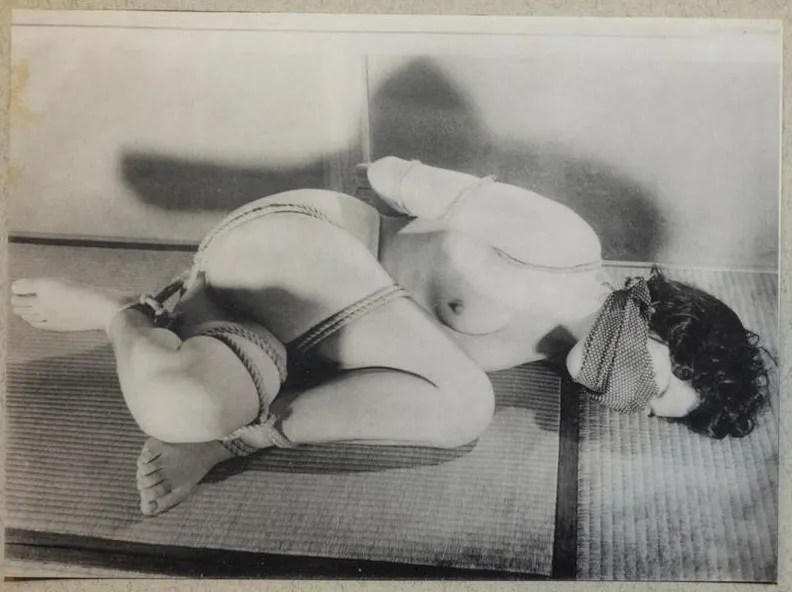
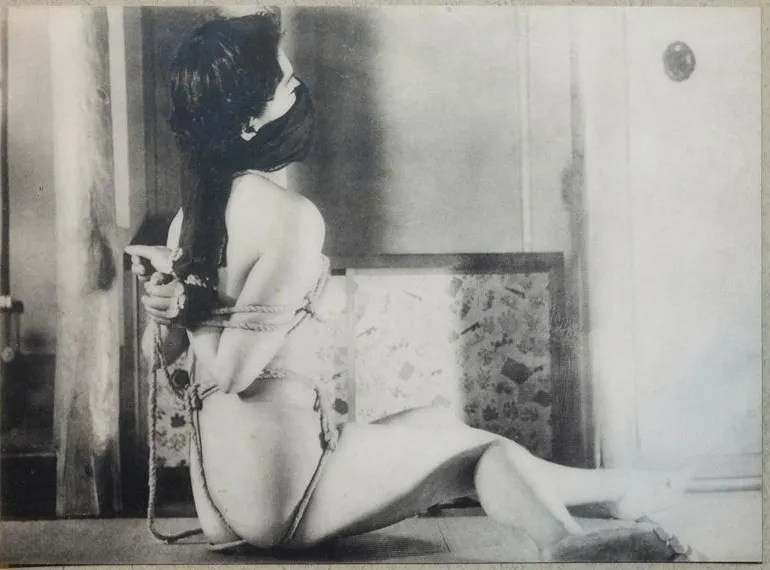
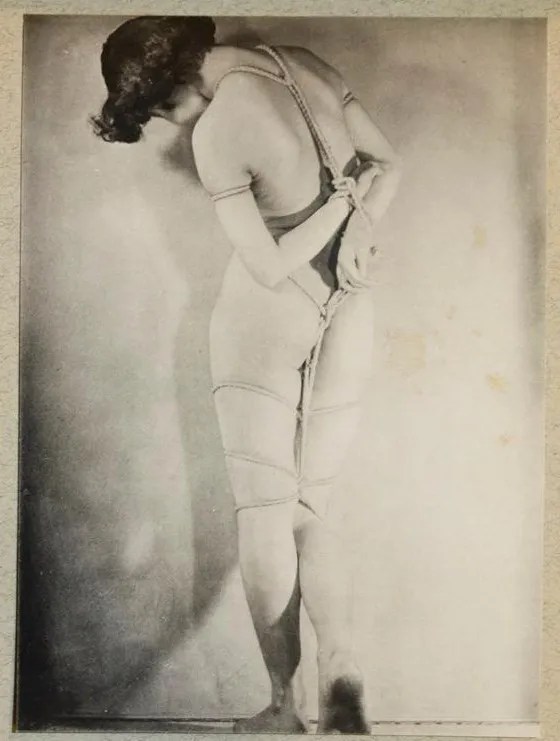
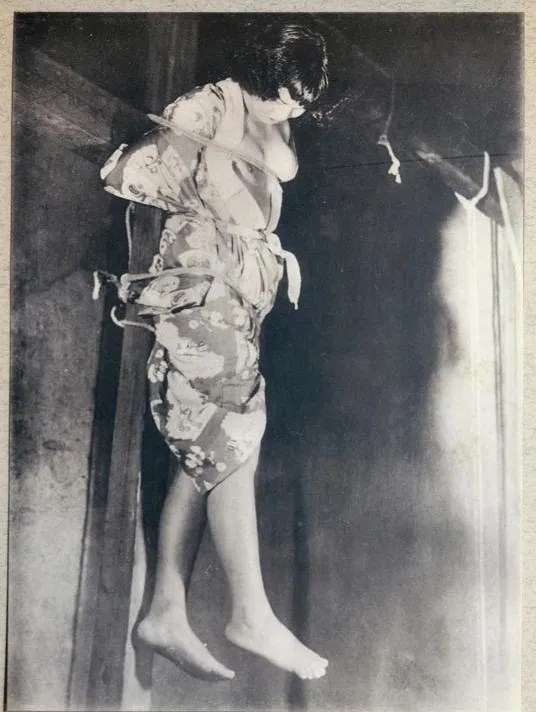
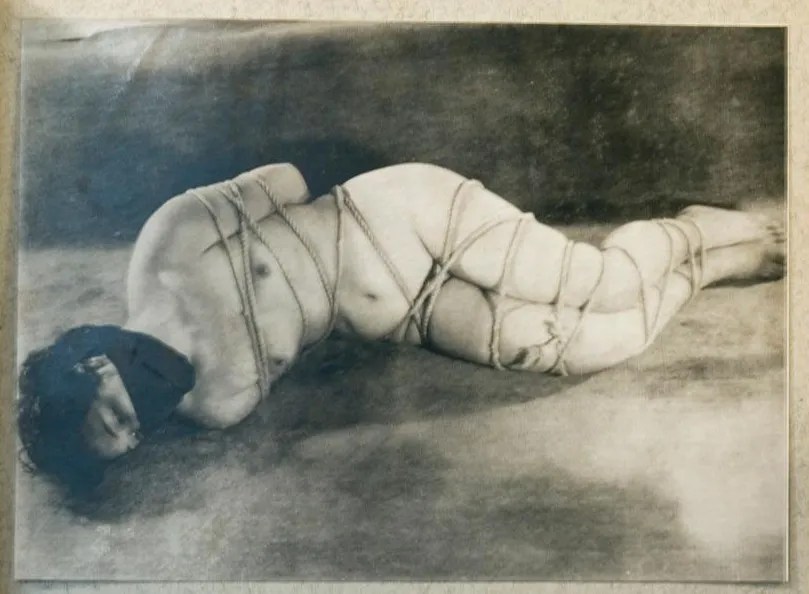
Tetsuzo Tsukamoto (塚本哲三) was a Japanese photographer, primarily active in the mid-20th century. He is best known for his contributions to fetish and bondage photography, with a focus on themes such as shibari (Japanese rope-binding art) and erotic bondage. Tsukamoto worked closely with other pioneers in this niche genre, which emerged in postwar Japan. Little detailed biographical information about him is available—birth and death dates are not widely documented—but he is described as a prolific contributor to the notorious magazine Kitan Club, which ran from 1948 to 1975 and has achieved cult status in the world of fetish art.
Tsukamoto’s lens captured the ephemeral beauty of restraint not as mere spectacle, but as a dialogue between flesh and fiber—his images whisper the tension of surrender.
Nawapedia
Career and Contributions
Contributions to Kitan Club: Tsukamoto supplied both photographs and articles from the early issues until the final edition in March 1975. This magazine was one of the first in Japan to explore bondage and SM themes, often with an artistic and cultural slant. Examples of his work include:
- Drawing a Bound Woman (January 1953): A series of photographs featuring model Reiko Kita.
- A Study of Bondage Beauty Through the Gote and Takatekote (April 1953): Bondage by Takashi Tsujimura, photography by Tsukamoto.
- Spots of Bondage Feeling Through Straw Rope (May 1953): Again with Tsujimura as the binder.
Collaborations and the “Kitan Club” Inner Circle
Tsukamoto was part of a tight-knit creative circle that included:
- Takashi Tsujimura (binder and writer)
- Toshiyuki Suma (master rigger, theorist, editor & artist)
- Reiko Kita (the most photographed model of the early 1950s), wife of Toshiyuki Suma
This group functioned almost like a small atelier: Tsujimura or Suma tied the ropes, Tsukamoto shot the photographs, and Minomura supplied the philosophical or poetic captions. Their synergy helped establish the visual grammar of kinbaku (緊縛) that later influenced global BDSM aesthetics.
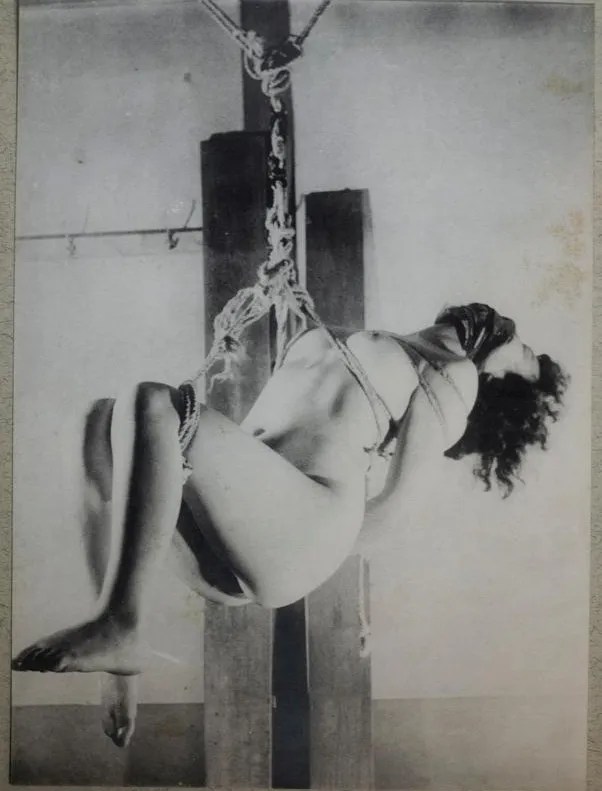

Additional Kitan Club Appearances (1952–1955)
Beyond the three 1953 titles already mentioned, Tsukamoto contributed to at least 17 documented photo series in Kitan Club between 1952 and 1955. Notable examples include:
- “Yukata Bondage Experiments” (August 1952) – outdoor shoots using traditional summer kimono as restraint material.
- “The Aesthetics of the Ushiro-te Shibori” (December 1954) – a technical study of the rear-hand tie, again with rigging by Suma.
- “Blindfold Series” (June 1955) – early use of sensory deprivation in Japanese fetish photography.
These serials were often 4–6 pages long and accompanied by short essays on the emotional impact of restraint.
Post-Kitan Club Activity (1960s–1970s)
Although Kitan Club folded in 1975, Tsukamoto continued to supply material to its spiritual successors:
- Fuzoku Kitan (風俗奇譚) – a sister magazine that ran until 1979.
- Uramado (裏窓) – a more underground publication in the late 1960s.
A rare 1968 Fuzoku Kitan portfolio titled “Ten Years of Rope” featured retrospective prints from Tsukamoto’s 1950s negatives, printed on higher-quality art paper. Only 200 copies were distributed to subscribers.
Influence on Contemporary Kinbaku
Modern nawashi (rope artists) such as Nureki Chimuo and Hajime Kinoko cite Tsukamoto’s framing—especially his use of negative space and the texture of jute against skin—as foundational. The 2013 retrospective “Roots of Kinbaku” at Vanilla Gallery (Tokyo) displayed three restored Tsukamoto prints alongside works by Nureki, marking the first time his name appeared in a mainstream art context.