In the shadowy currents of post‑war European photography, where art, erotica and taboo blended into intoxicating visions. Marcel Meys (1886 – 1972) emerged as a cult figure. From the bustling, chaotic streets of 1950s‑and‑1960s Brussels he built a body of work that explored fetishism, bondage and feminine allure with an almost obsessive precision. Though his images are often left out of mainstream histories, they capture a fleeting moment of both freedom and repression, cementing his place as a key name in the archives of vintage fetish photography.


From Brussels Streets to Studio Shadows
Born in the early 20th century in Belgium, Marcel Meys honed his craft amid the cultural ferment of post-WWII Europe. Little is documented about his early life, but by the 1950s, he had established a discreet studio in Brussels, far from the prying eyes of conservative society. Meys was not a commercial giant like his Parisian contemporaries; instead, he catered to a niche clientele of collectors and connoisseurs who sought the thrill of the forbidden. His background in commercial illustration likely influenced his meticulous compositions, blending technical prowess with a voyeuristic gaze.
In the bind of silk and shadow, true freedom is found—not in escape, but in elegant surrender
Marcel Meys, from a rare preface to his 1962 private edition
Meys’ work reflects the era’s dualities: the economic boom of the “Trente Glorieuses” clashing with lingering wartime scars and emerging sexual revolutions. Heavily influenced by the fetish scene’s underground pulse (echoing pioneers like John Willie or the anonymous pin-up artists of the 1940s) Meys elevated everyday materials like leather, latex, and rope into symbols of power and surrender.
Fetish Visions: Themes of Restraint and Desire
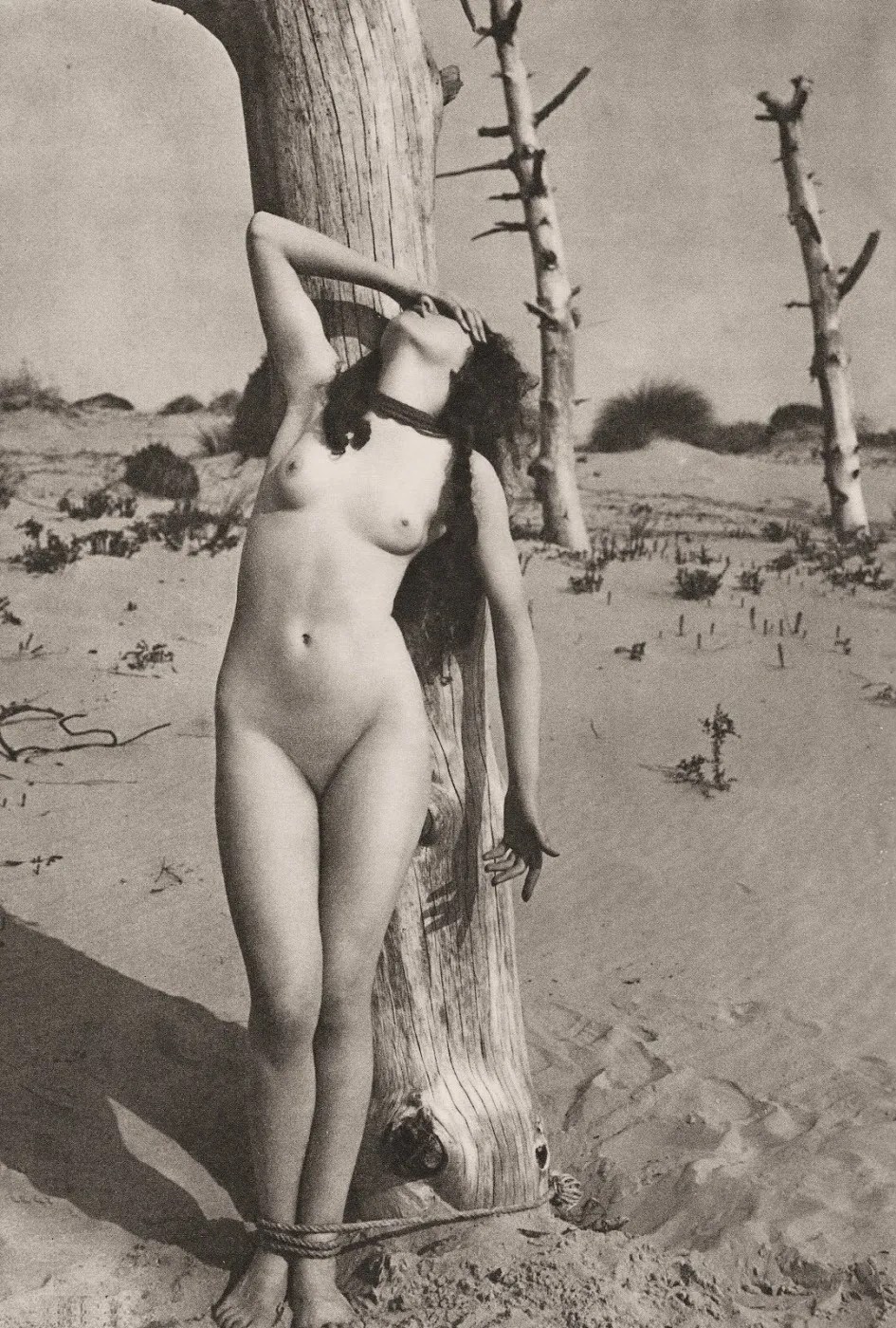
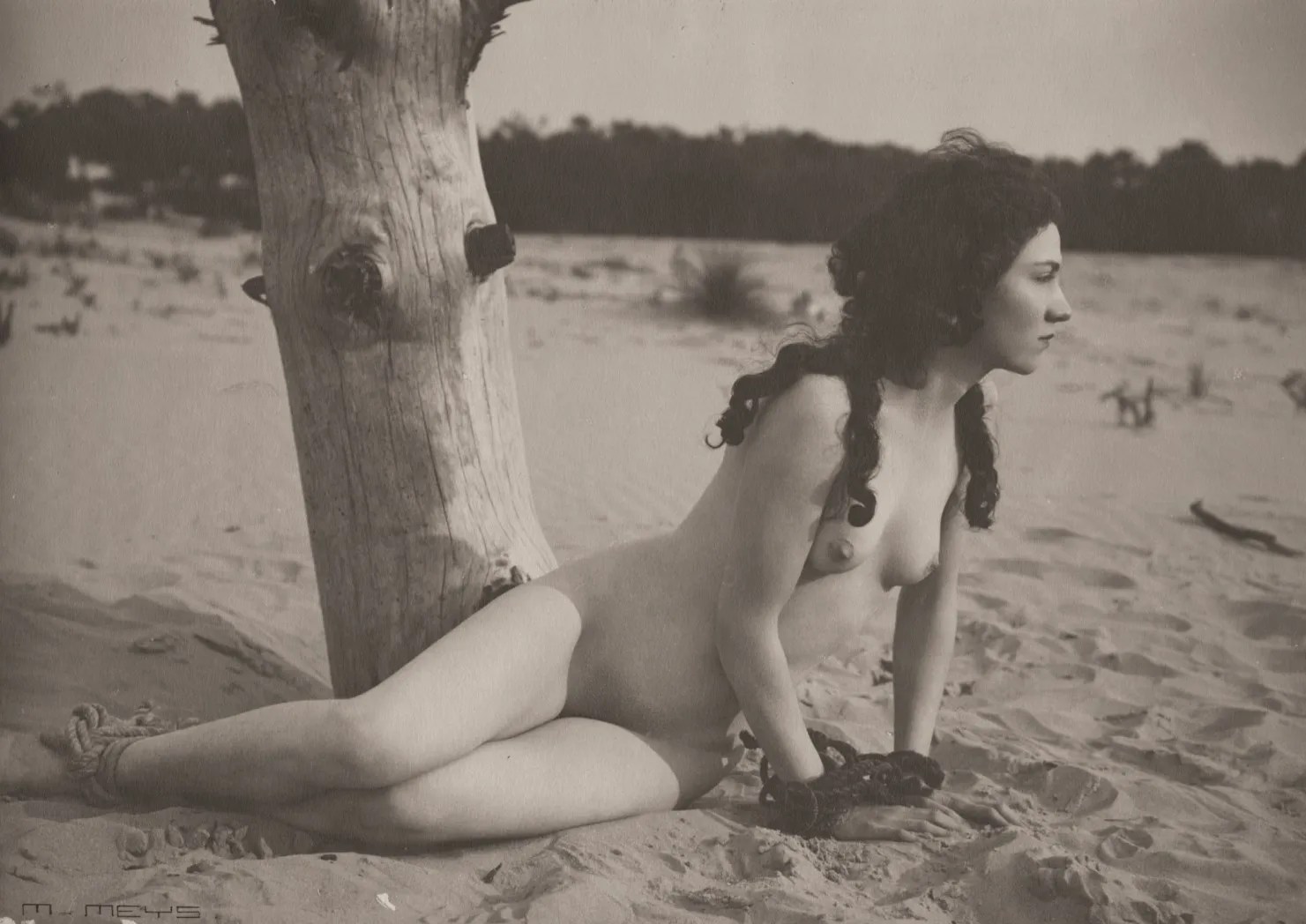

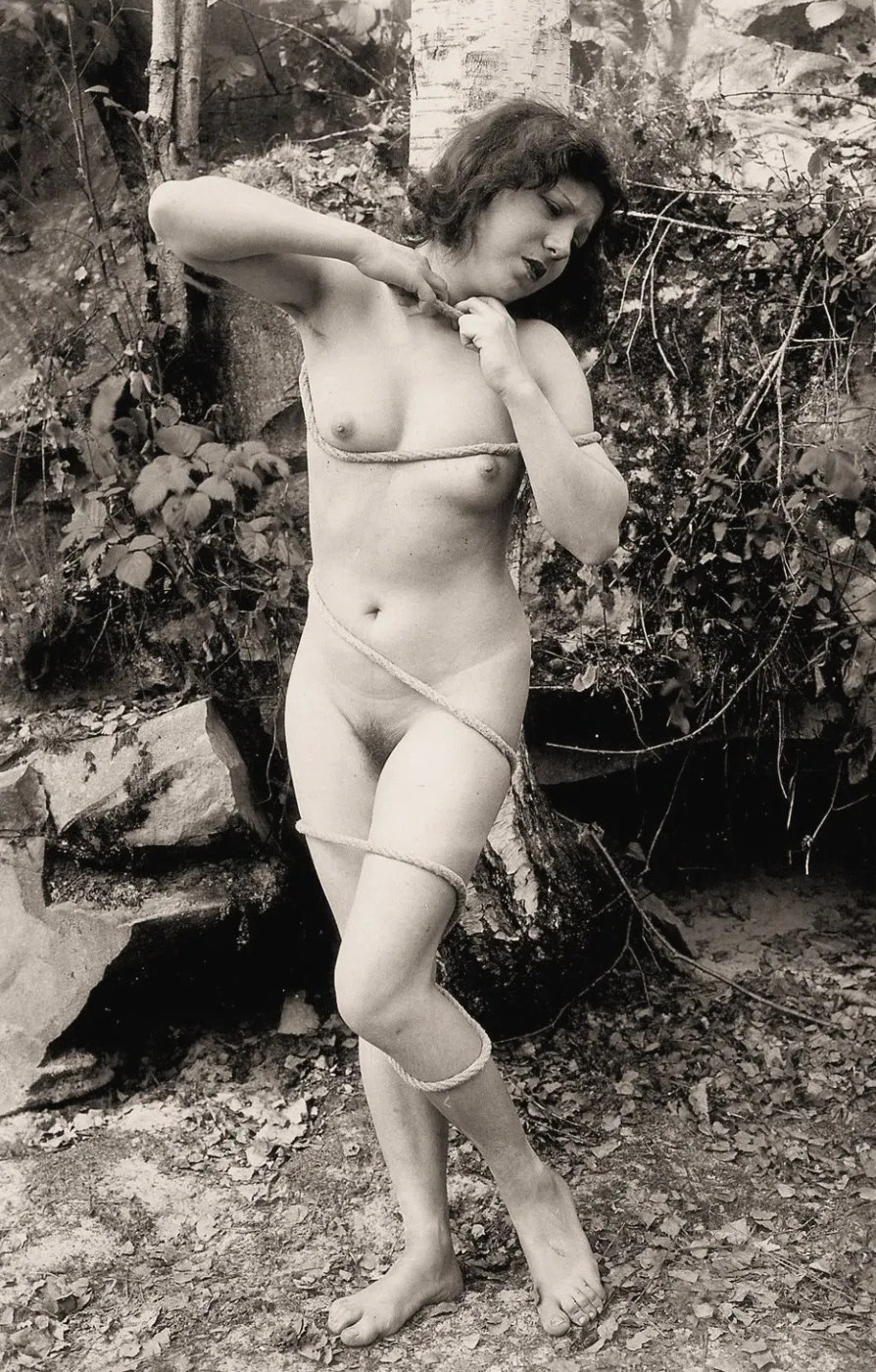
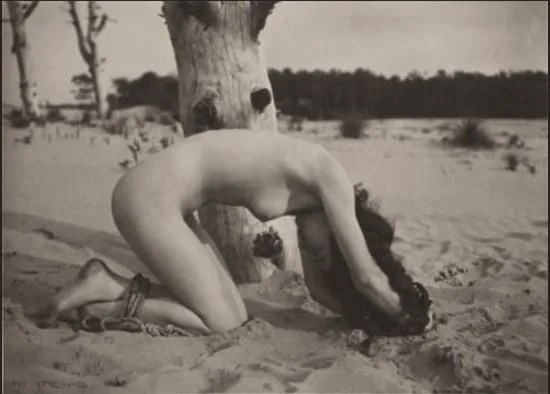

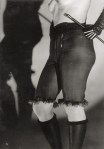
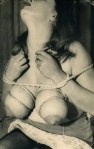
Meys’ portfolio is a testament to the art of implication rather than explicitness. His photographs feature elegant women in elaborate bondage setups, posed with an almost sculptural grace against minimalist backdrops. Themes of domination and submission recur, often laced with high-fashion elements: stockings, gloves, and corsets that transform the domestic into the dramatic. Series like his “Liaisons Dangereuses” (circa 1958) showcase models in precarious balances of ecstasy and captivity, their expressions a mix of defiance and invitation.
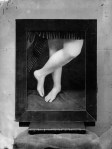
What sets Meys apart is his lighting: dramatic chiaroscuro effects that carve shadows across skin and sinew, evoking the noir films of the time. His images were produced in limited runs, often hand-printed and bound into private folios, ensuring their rarity and allure. Unlike the sensationalism of later decades, Meys’ work whispers rather than shouts, inviting viewers to project their own narratives onto the taut lines of rope and the curve of a heel.
A Lasting Whisper in Erotic Archives
Marcel Meys faded from view in the late 1960s, possibly retreating as societal norms shifted toward openness, rendering his veiled provocations obsolete. Yet his legacy endures in collector circles and modern revivals, influencing contemporary artists who mine vintage erotica for its psychological depth. In an age of digital excess, Meys reminds us of photography’s power to ensnare the senses through subtlety.