Count Theodore Béla Rudolf Zichy de Zich et Vásonkeő (1908–1987) was a multifaceted figure whose aristocratic Hungarian roots blended seamlessly with the glamour and grit of 20th-century British high society. Born into nobility, Zichy reinvented himself as a dashing actor, photographer, film director, producer, and notorious playboy, embodying the spirit of a bygone era of libertine excess. His life, marked by the roar of Bugatti engines and the subtle allure of shadowed forms, left an indelible mark on the world of fetish photography, particularly through his evocative celebrations of the female form: legs, feet, and the exquisite footwear that encased them.
Early Thrills: Bugattis and the Racetrack (1928–1932)
Zichy’s early years were a whirlwind of adventure and privilege. In 1928, at the tender age of 20, he plunged into the adrenaline-fueled world of motor racing, piloting sleek Bugattis across European circuits. This passion persisted intermittently until 1932, a testament to his thrill-seeking nature that would later translate into his artistic pursuits.
Behind the Lens: Mastering the Art of Fetish Photography
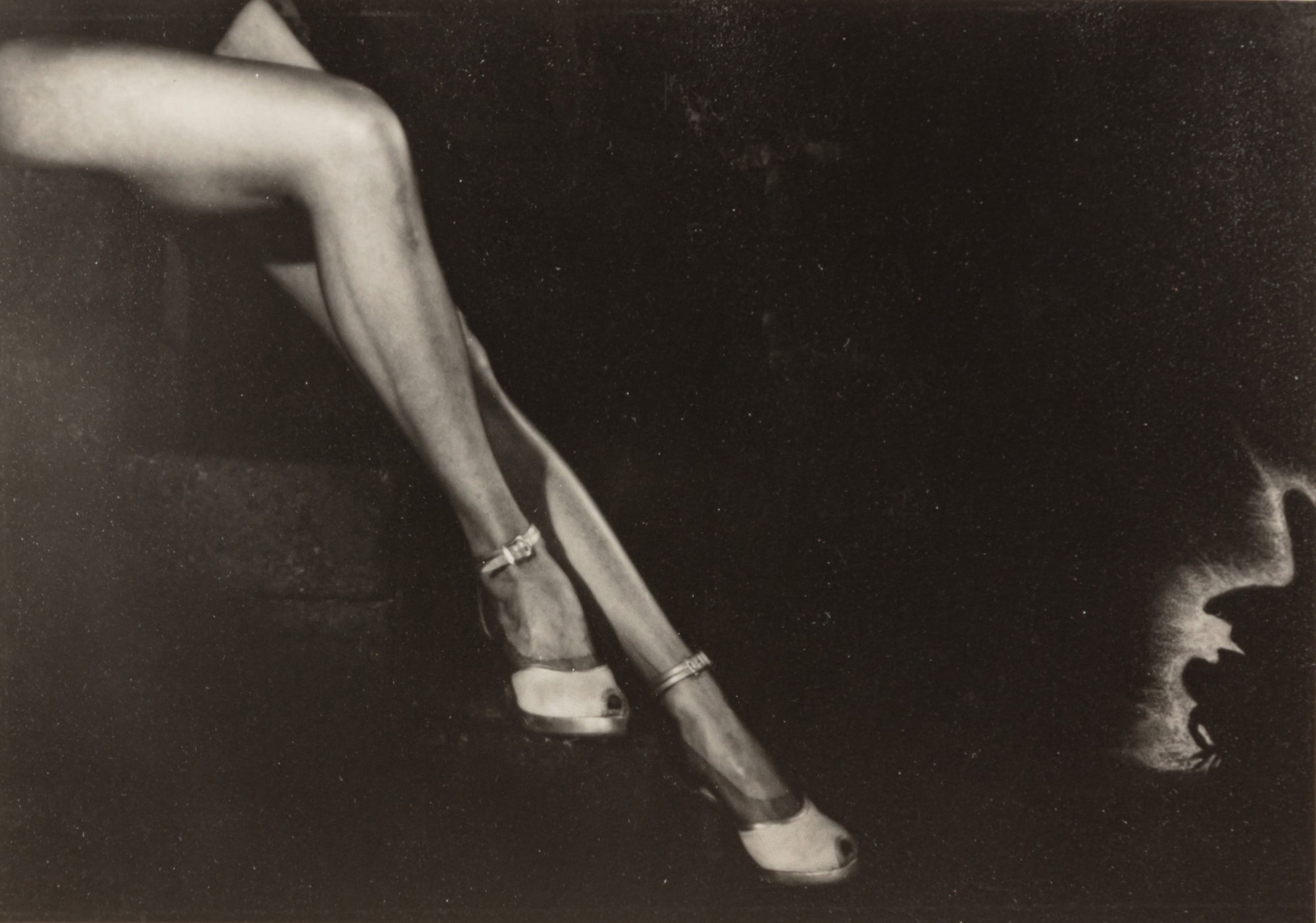
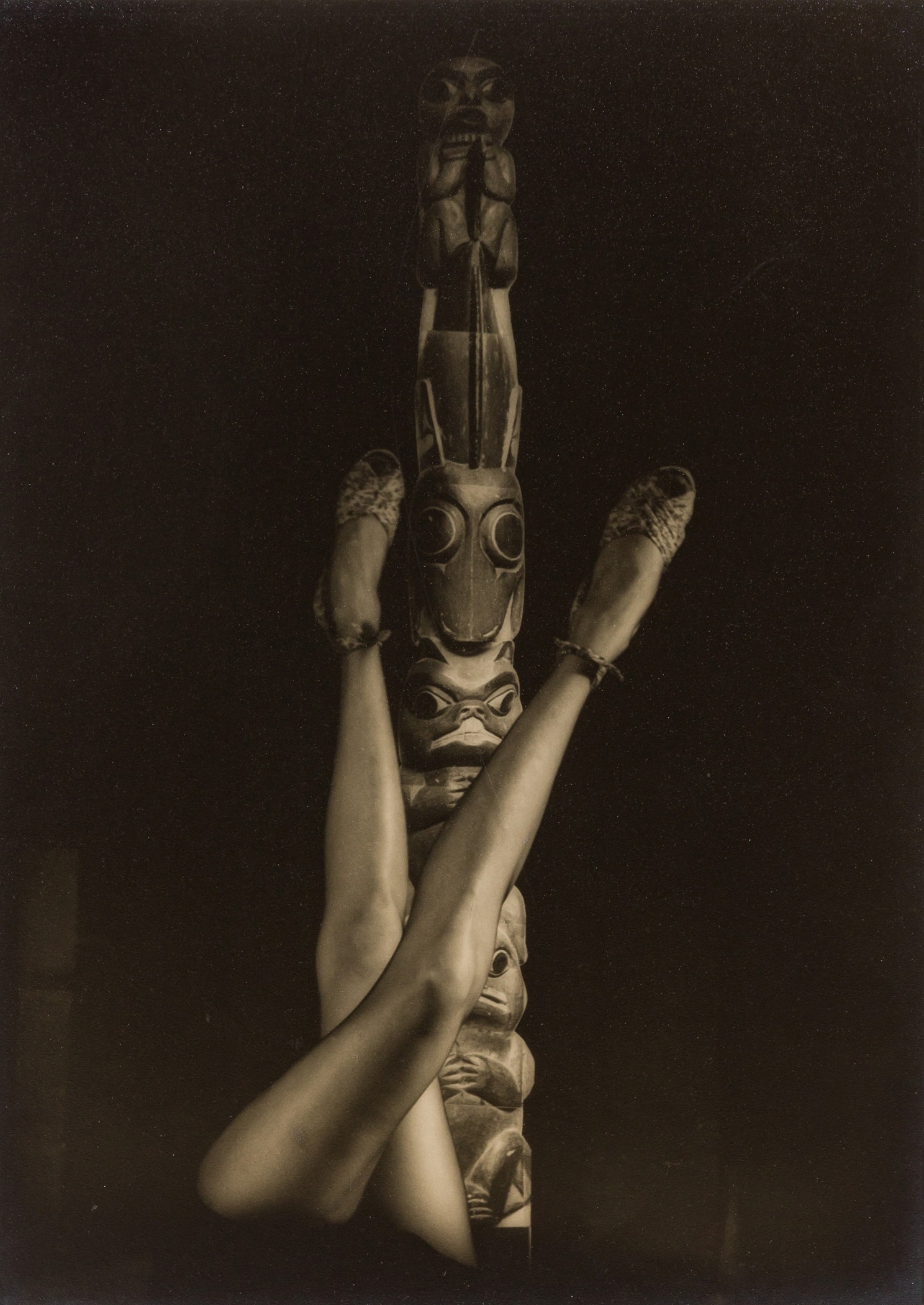
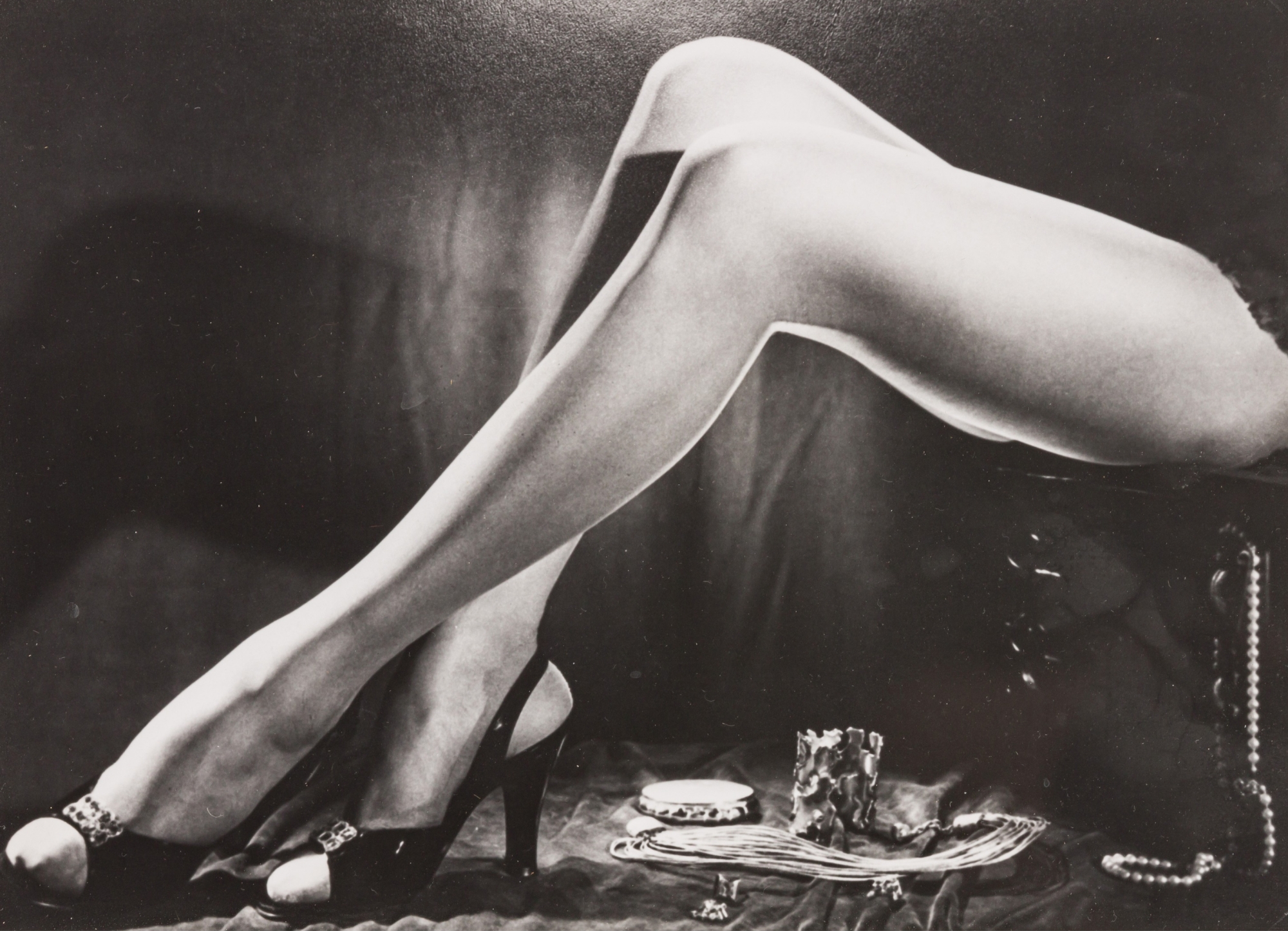
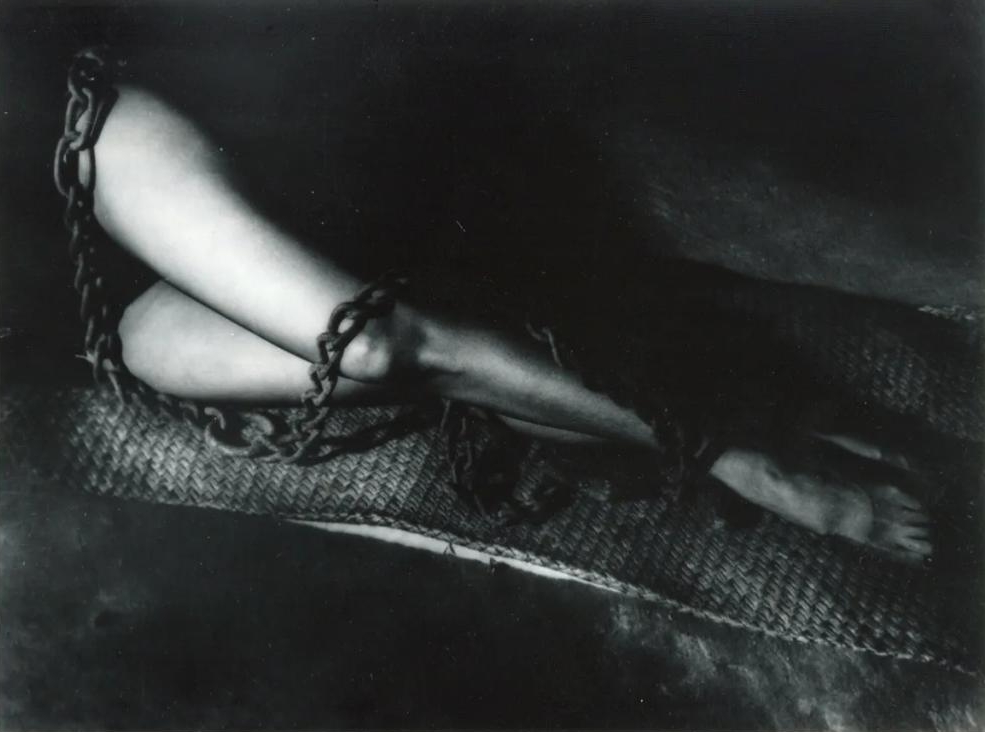
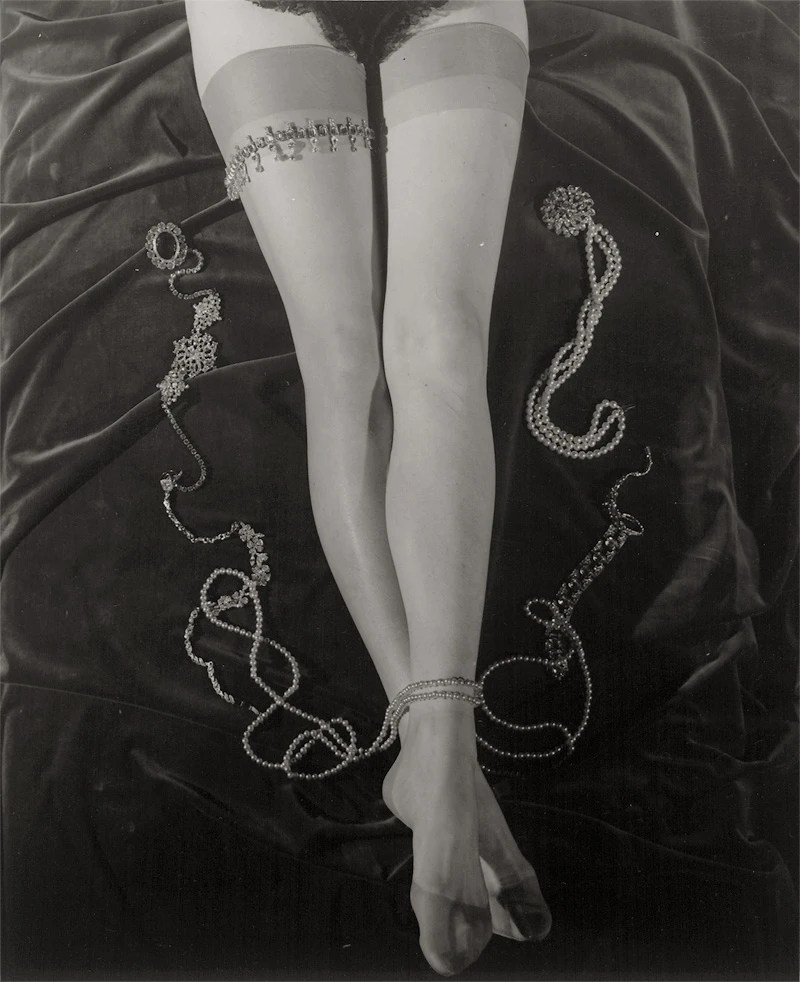
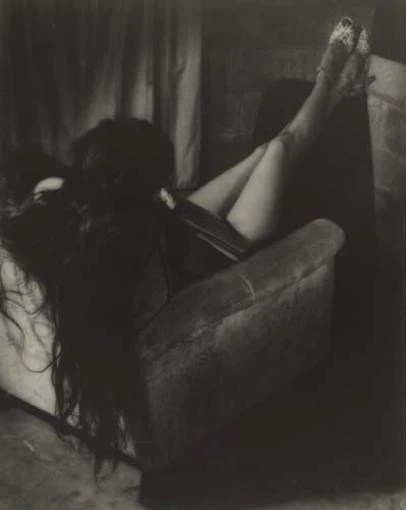
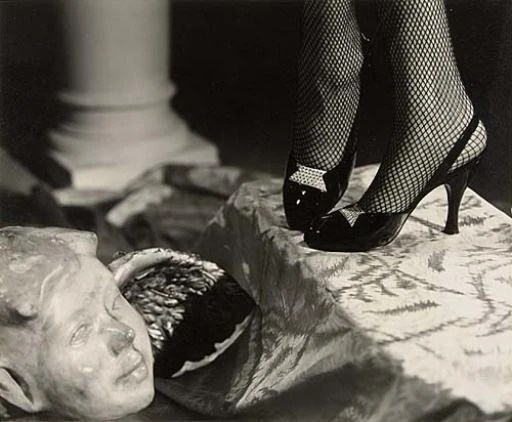
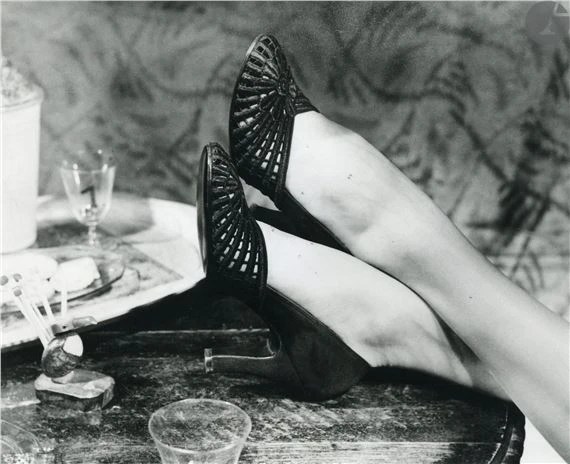
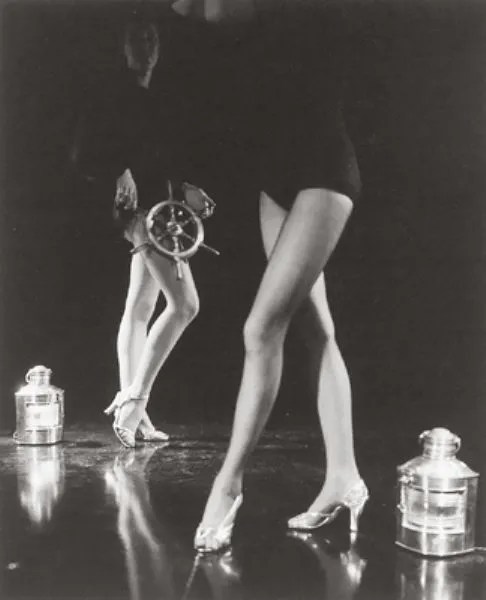
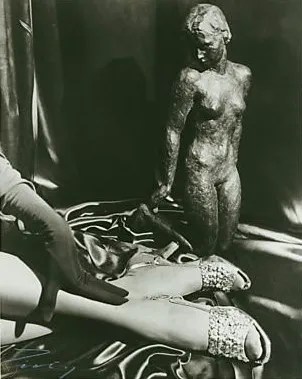
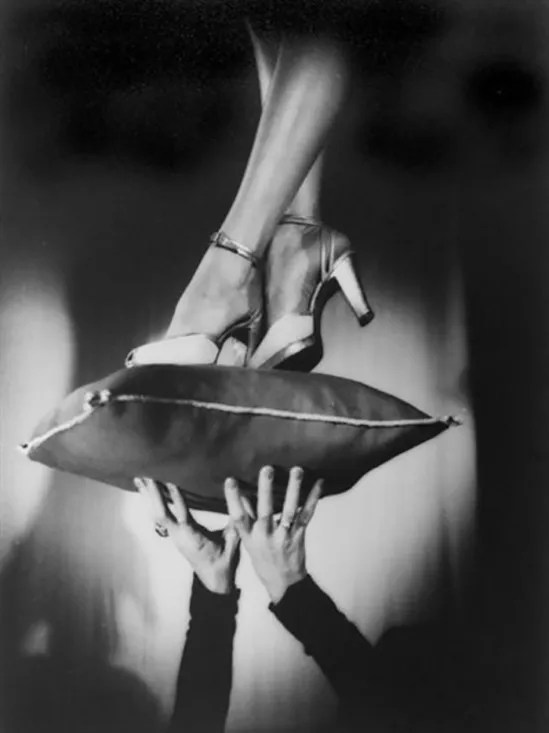
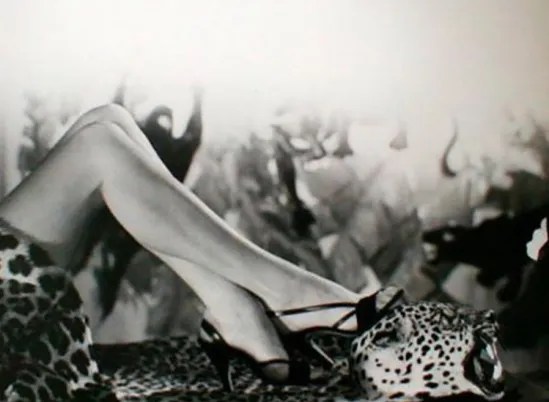
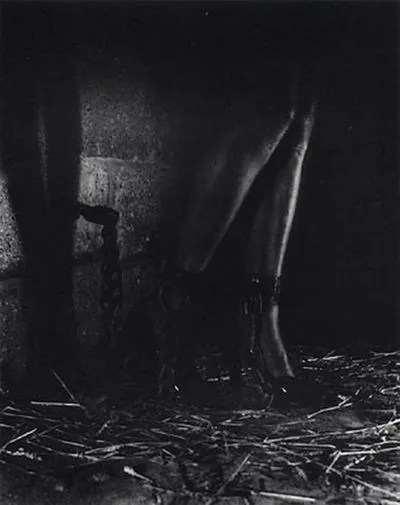
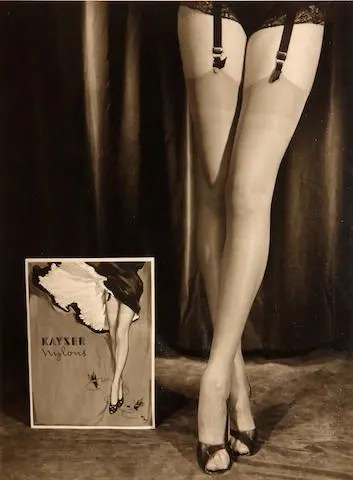
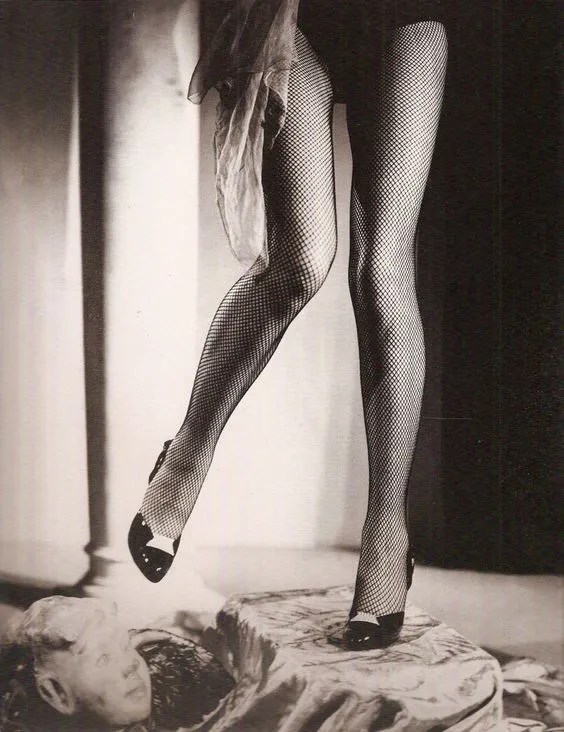
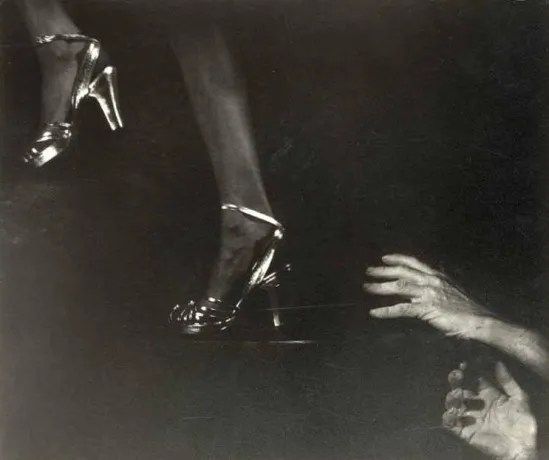
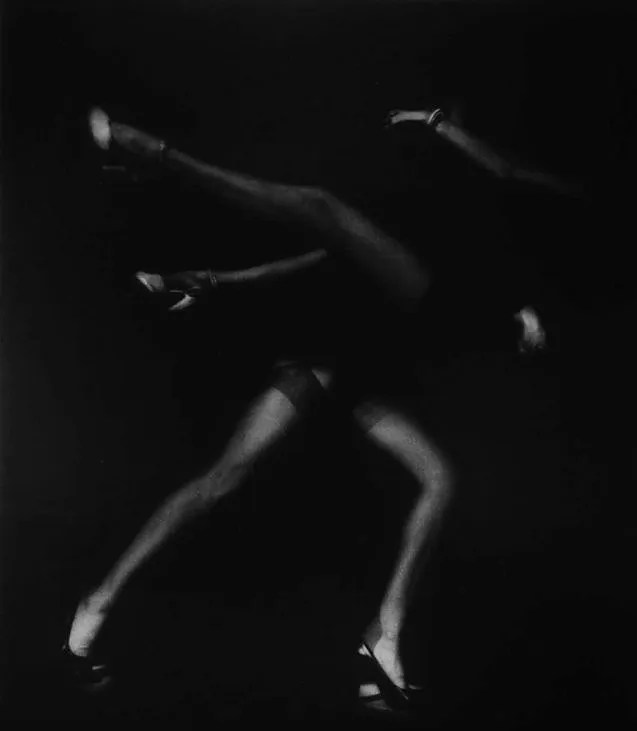
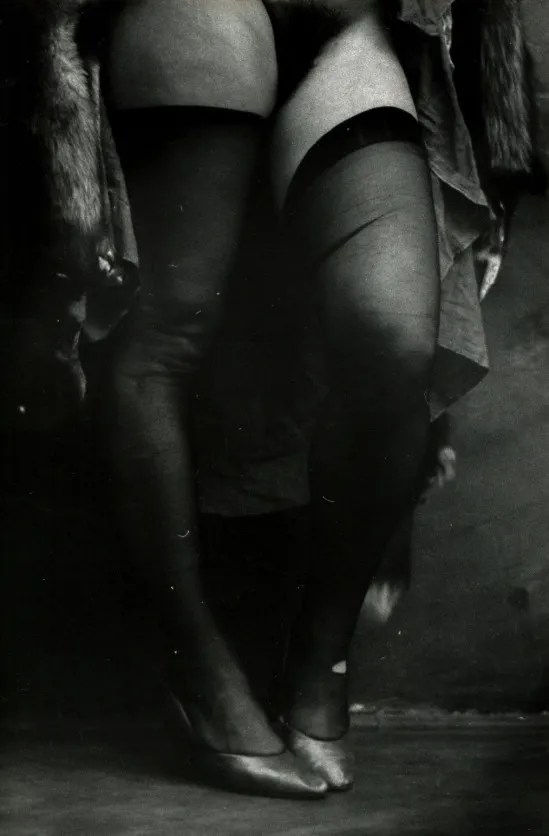
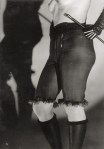
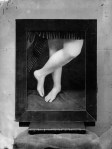
Yet, it was behind the lens that Zichy truly found his stride. Relocating to London, he channeled his aristocratic eye for beauty into photography, specializing in the intimate, often erotic details of women’s lower extremities. His images captured not just the curve of a calf or the arch of a foot, but the psychological pull of fetishism: the interplay of silk stockings, high heels, and bare skin against polished leather.
Chiaroscuros (1948): A Masterpiece of Light and Shadow
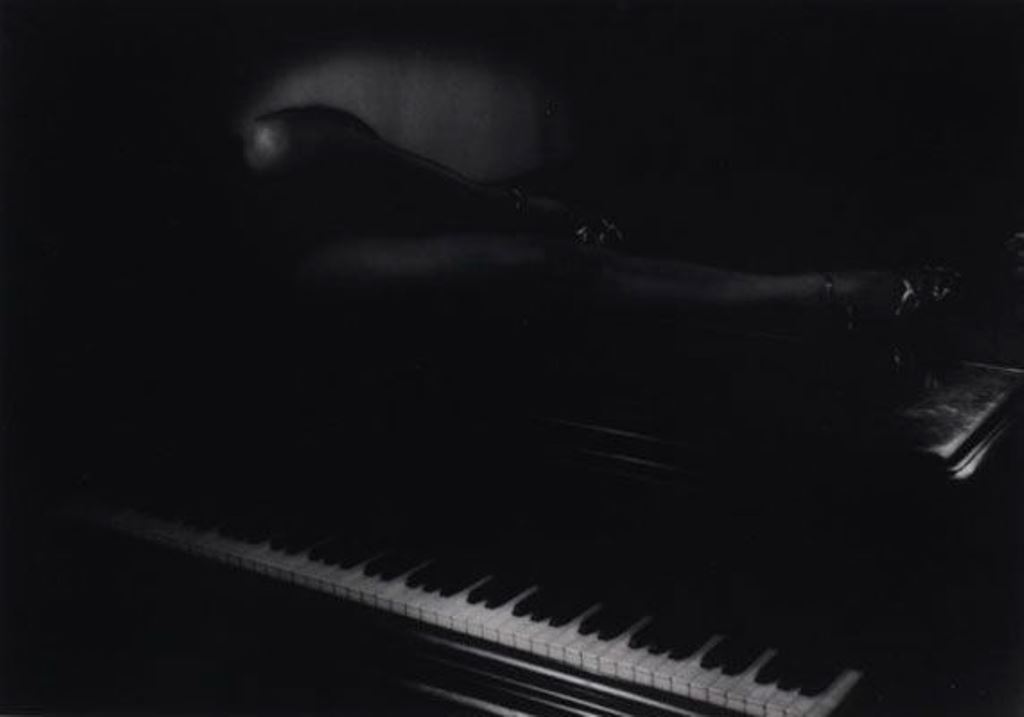
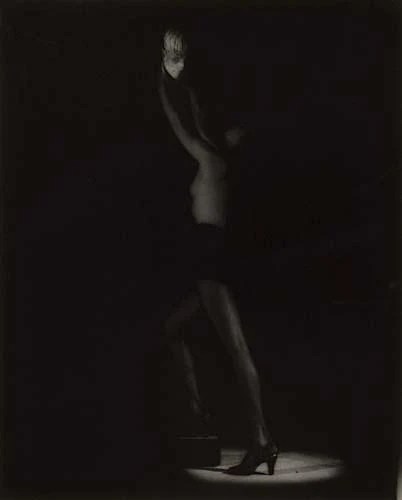
The pinnacle of his photographic legacy arrived in 1948 with Chiaroscuros, a groundbreaking portfolio that borrowed its name from the Renaissance technique of dramatic light and shadow. This collection was a bold exploration of foot and shoe fetishism, rendered in stark contrasts that heightened the sensuality of each frame. Zichy’s work elevated the niche genre from mere voyeurism to high art, infusing it with a poetic elegance that spoke to the post-war yearning for escapist indulgence.
By the mid-1950s, he had honed his craft further, contributing as a photographer for the prestigious Baron Studios in London, where his images graced the pages of publications catering to discerning tastes in erotica and fashion.
The Playboy Count: A Life of Charisma and Controversy
Zichy’s personal life was as colorful as his compositions. A self-proclaimed rake, he navigated London’s glittering social scene with the charisma of a matinee idol, his exploits whispered about in Mayfair drawing rooms. These adventures culminated in his 1974 autobiography, That Was No Gentleman, That Was Zichy, a rollicking memoir that peeled back the velvet curtain on his escapades, from racetrack rivalries to romantic conquests. Through it all, Zichy’s Hungarian heritage lent him an air of continental mystery, making him a perennial outsider in British society, forever the count with a camera.
Today, Zichy’s photographs endure as artifacts of mid-century fetish culture, bridging the worlds of fine art and forbidden desire. In an age of digital immediacy, his deliberate shadows and fetishistic focus remind us of photography’s power to fetishize the everyday, turning the ordinary into the obsessively alluring.