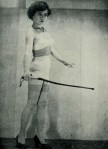
In the shadowy corners of Surrealism, where dreams collided with reality and identity was a malleable mask, Claude Cahun emerged as a defiant visionary. Born Lucy Renée Mathilde Schwob in 1894 in Nantes, France, to a prominent Jewish intellectual family, Cahun rejected the constraints of her era’s rigid gender norms from an early age. Adopting the androgynous pseudonym “Claude Cahun” in 1914, a name that could belong to anyone, regardless of sex.
This French photographer, writer, sculptor, and performance artist crafted a legacy that prefigured modern queer theory and feminist art by decades. For bdsmartarchive Cahun’s work resonates deeply: her self-portraits, often laced with elements of masquerade, power dynamics, and erotic subversion, echo the archival spirit of BDSM exploration through historical lenses of control, transformation, and unapologetic self-expression.
Early Life and the Spark of Rebellion
Claude Cahun’s rise to artistic fame was anything but conventional. Born into a cultured family—her uncle was the Symbolist writer Marcel Schwob—she faced personal upheaval early on. The 1911 suicide of her mother, amid ongoing mental‑health struggles, plunged the young Lucy into deep introspection, prompting her to seek refuge in literature and performance.
At fifteen, she encountered Suzanne Malherbe (later known as Marcel Moore), a fellow student whose talent for illustration and design would soon intertwine with Cahun’s own. Their friendship blossomed into a lifelong romantic and creative partnership, made even more intricate when Cahun’s widowed father married Moore’s mother in 1917, turning the two women into stepsisters. Defying the era’s taboos surrounding lesbian love, this bond became the foundation for Cahun’s probing investigations of identity.
By the 1920s the duo had settled in Paris, immersing themselves in the bohemian whirl of Montparnasse. Cahun enrolled at the Sorbonne, contributing essays and poetry to avant‑garde journals, while Moore supplied illustrations for their joint projects. Their apartment evolved into a salon for intellectuals, drawing Surrealist figures such as André Breton, who once described Cahun as “one of the most curious spirits of our time.”
Amid heated debates over communism, fascism, and the unconscious, Cahun’s fascination with the fluidity of the self took root, a theme that would dominate her entire oeuvre.
Masculine? Feminine? It depends on the situation. Neuter is the only gender that always suits me.
Claude Cahun
Her words, like her images, invite us to dismantle our own masks.
Artistic Innovations: Masks, Mirrors, and the Erotic Self
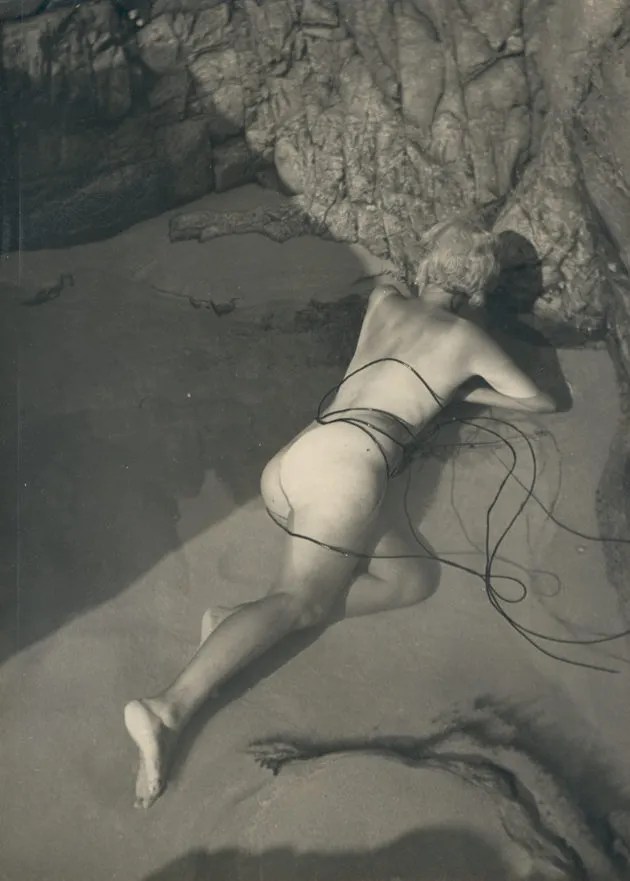
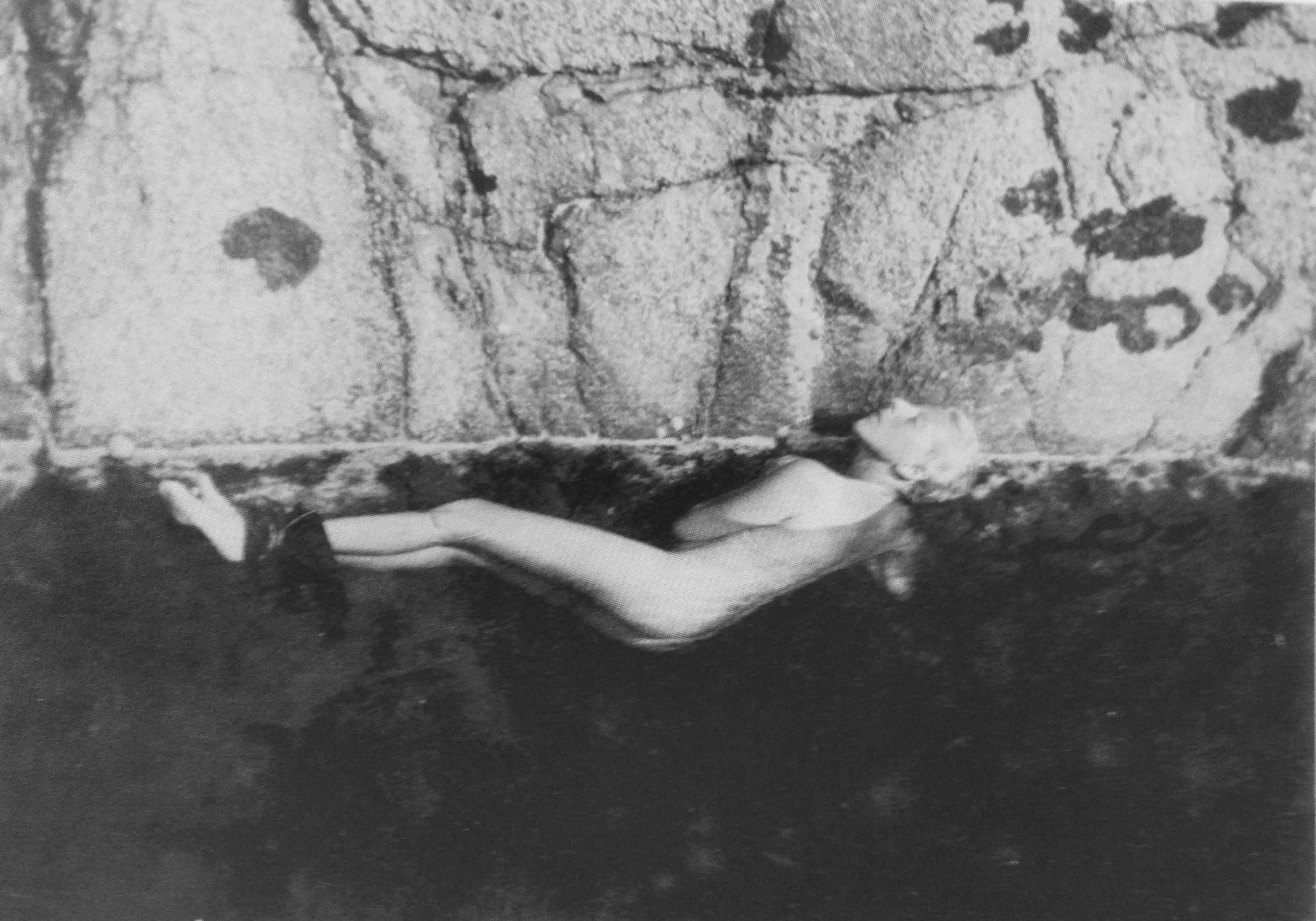
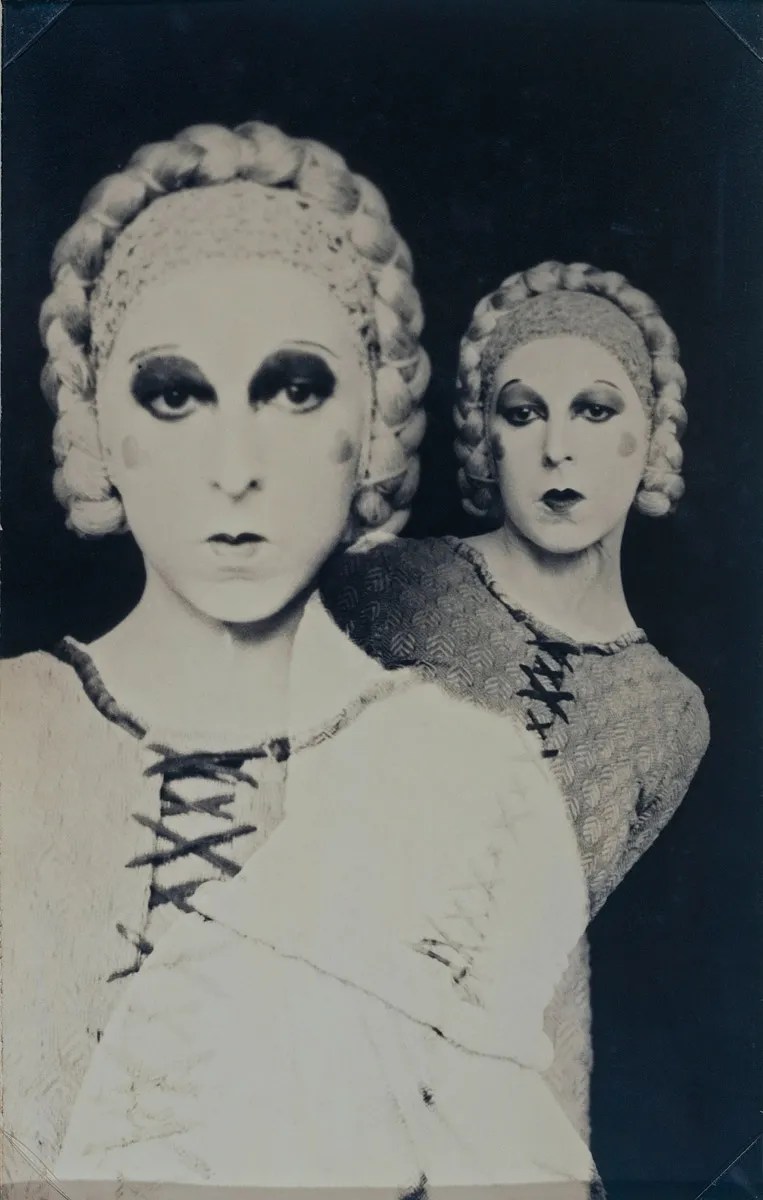
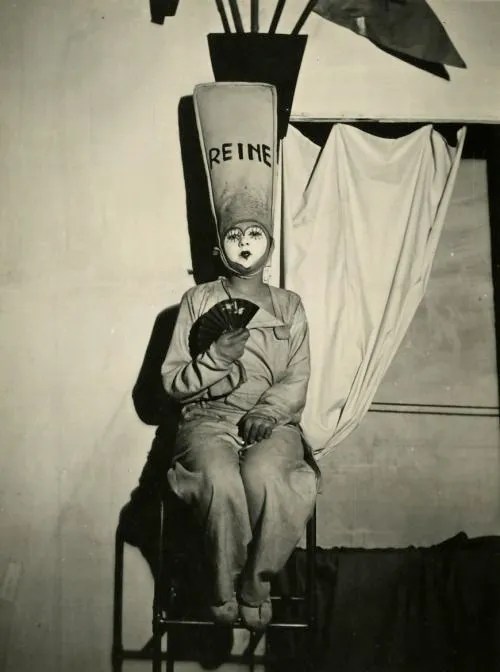
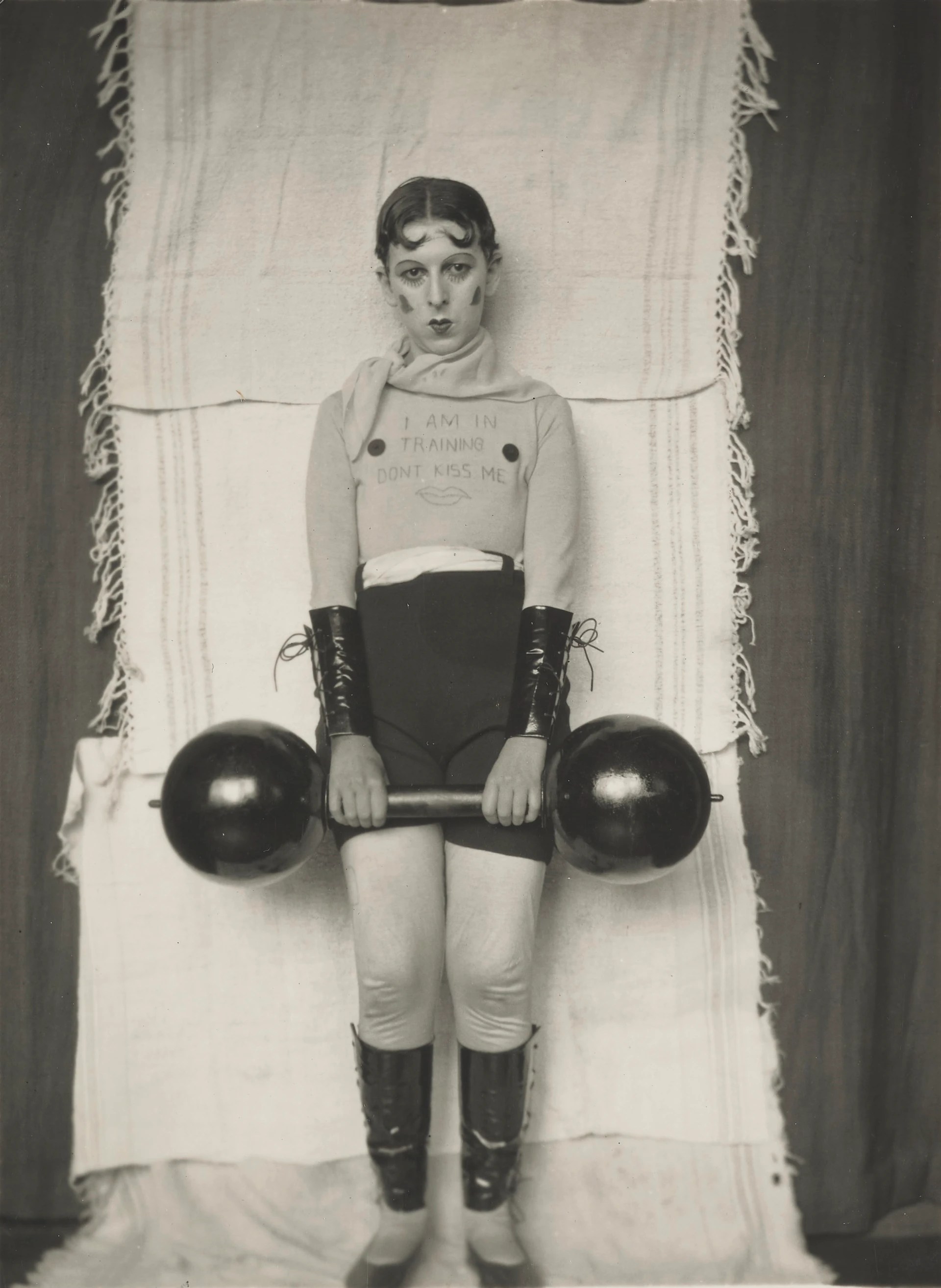
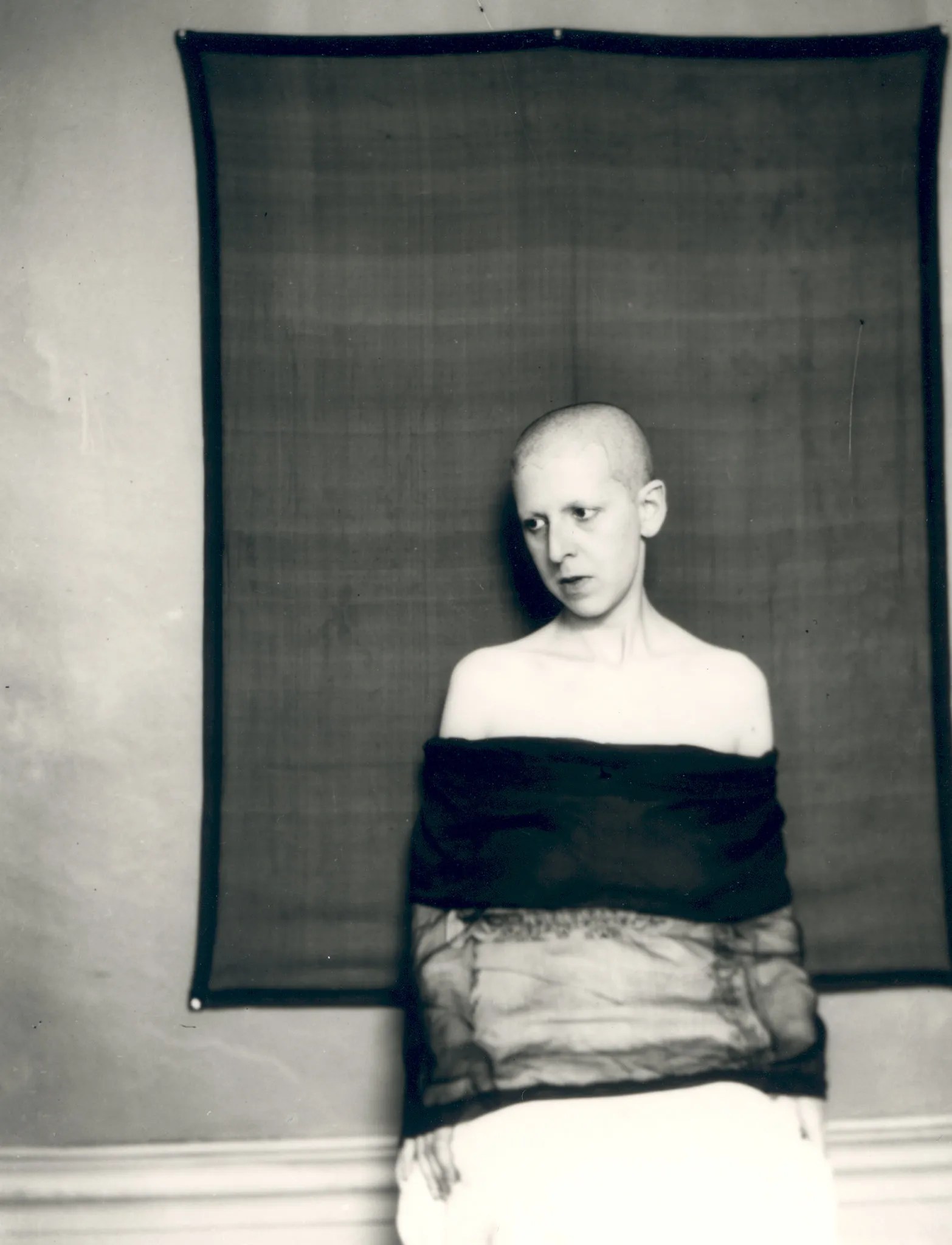
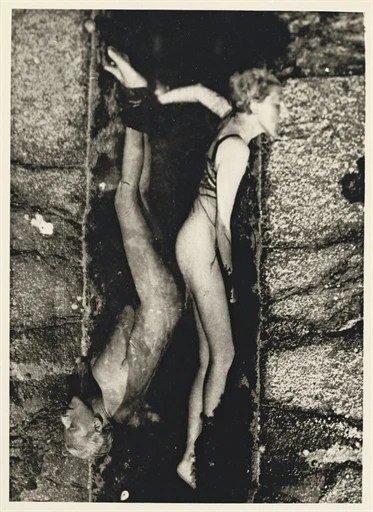
Claude Cahun’s greatest strength lay in her self‑portraits—a series of stark black‑and‑white photographs from the 1920s and ’30s that blur the line between artist and subject, reality and performance. Mostly staged by Marcel Moore, the images show Cahun in a range of guises: a stern bodybuilder with sewn‑on nipples and a sign that reads “I’m training, don’t kiss me,” a child‑like figure perched on an ornate wardrobe shelf, or an androgynous person staring defiantly at a mirror with a shaved head—a radical rejection of contemporary feminine ideals.
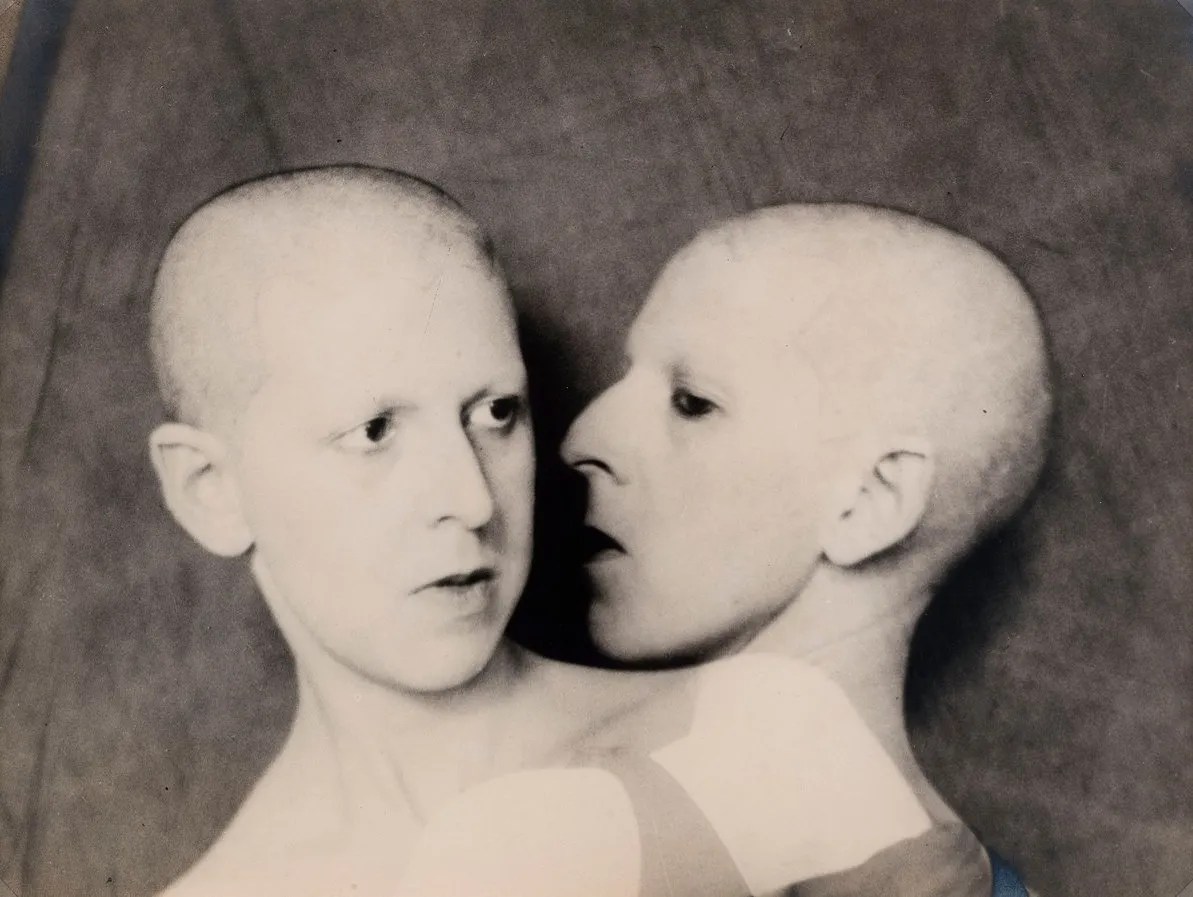
Shaving her hair turned her body into a canvas for gender experimentation. Influenced by Surrealism’s focus on the unconscious, Cahun used mirrors, doubles and photomontages to fragment identity, much like contemporaries Hannah Höch or Man Ray. Yet, where male Surrealists often objectified women as erotic muses, Cahun inverted the gaze, embodying the erotic herself and hinting at power dynamics. In M.R.M. (Sex) (c. 1929‑30), she poses with angular limbs and shadowed eyes, creating a taut tension that anticipates later BDSM aesthetics.
Her photographs are not mere documentation; they are provocations that force viewers to question fixed notions of gender, sexuality and desire. As Cahun wrote in her seminal 1930 book Disavowals (Aveux non avenus), a surrealist autobiography mixing poetry, photomontage and philosophy, she deliberately unsettles conventional identities.
Resistance, Exile, and Rediscovery
As fascism rose in the 1930s, Cahun’s art grew overtly political. She helped found the left‑wing collective Contre‑Attaque with André Breton and others, denouncing authoritarianism. In 1937, seeking refuge from Paris’s turmoil, Cahun and Marcel Moore moved to the Channel Island of Jersey, where they continued producing photographs, writings, and assemblages in relative isolation.ClaudeCahun.net
When Nazi forces occupied Jersey in 1940, the pair joined the resistance. Disguised as amateur photographers, they circulated anti‑Nazi leaflets hidden in postcards and slipped messages such as “Shame on the occupiers!” into soldiers’ pockets. After an early arrest, they even staged a photo holding a Nazi eagle in their teeth. Their “paper bullets” eventually led to a 1944 arrest; sentenced to death, they survived 16 months of imprisonment until the Allies liberated the island.
The ordeal left Cahun physically and emotionally scarred; she died on 8 December 1954, aged 60, and Moore passed away two years later. Their work fell into obscurity photos remained unseen and books ignored, until a 1986 Surrealist photography exhibition revived interest.Britannica
Since then, Cahun has inspired artists such as Cindy Sherman, Gillian Wearing, and Nan Goldin, and has been celebrated by figures from David Bowie to contemporary queer icons. In 2018, Paris honored her legacy by naming a street Allée Claude Cahun et Marcel Moore.
Legacy: A Timeless Archive of Defiance
Claude Cahun’s archive is a testament to the eroticism of resistance—against gender, against fascism, against erasure. In an age before terms like “non-binary” or “queer” held cultural weight, she lived and created them into existence, her shaved head and mirrored gazes a bold assertion of autonomy. For enthusiasts of vintage BDSM art, Cahun offers not explicit bondage, but its psychological kin: the exquisite tension of assumed roles, the power in vulnerability, the liberation through masquerade.