Seiu Ito (1882–1961) is widely recognized as the father of modern kinbaku: the Japanese art of erotic rope bondage.
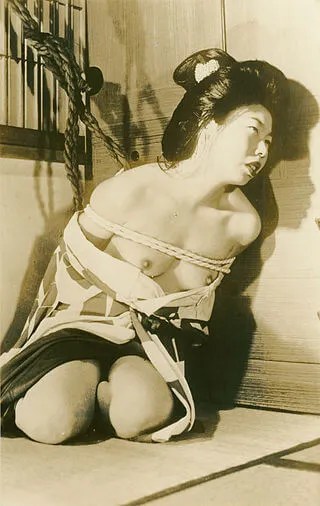
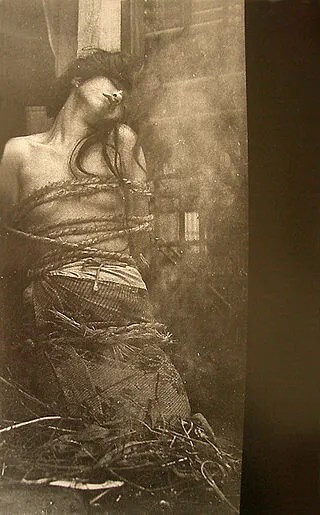
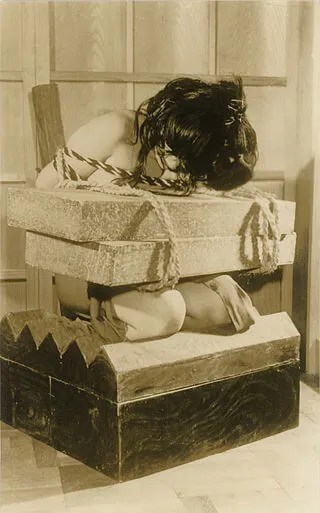
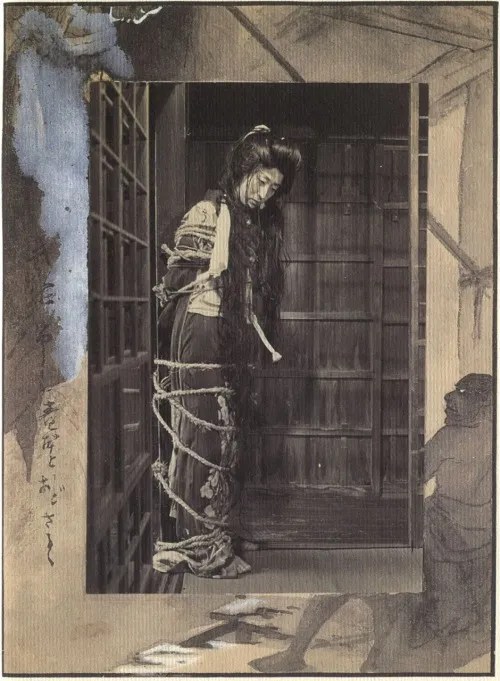
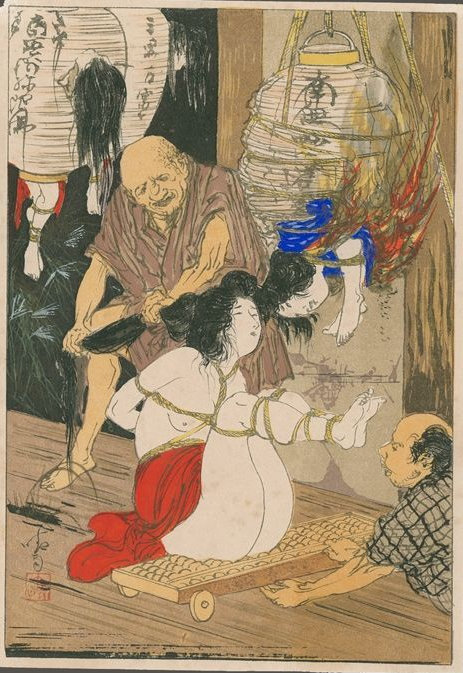
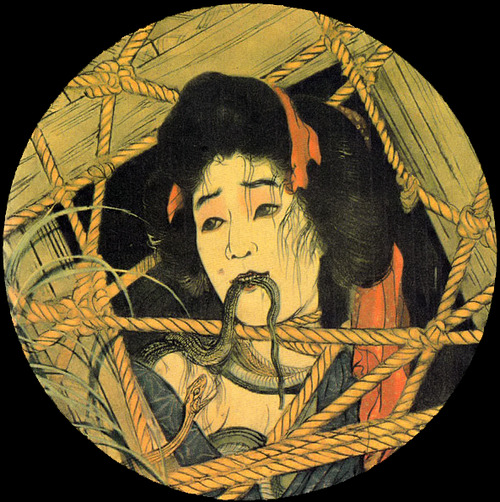
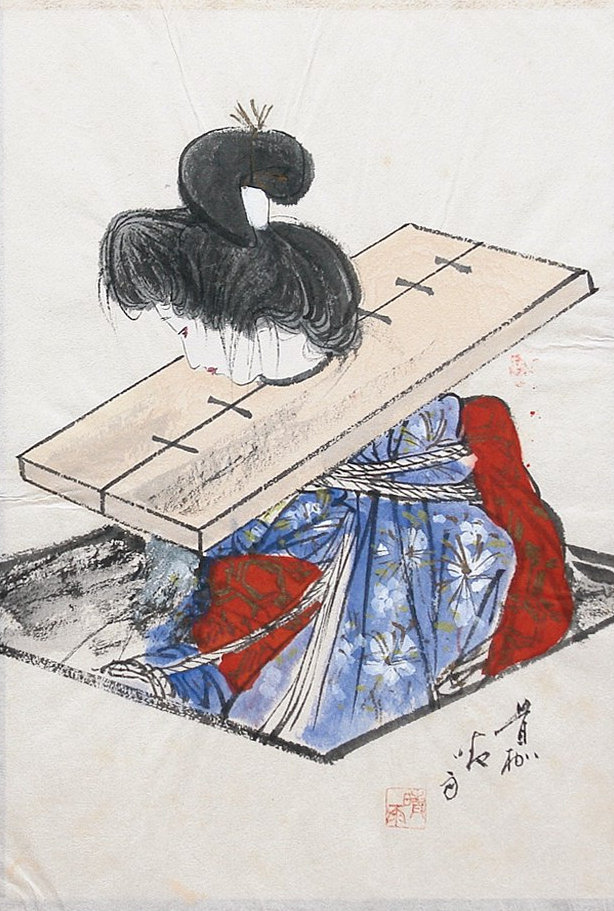
His pioneering work fused historical Edo-period torture depictions with sensual aesthetics, leaving a lasting impact on contemporary BDSM culture.
Early Life and Training
Born in Tokyo’s vibrant Asakusa district, Ito began studying painting in 1890. His father was a metalworker, and Ito trained in ivory carving before moving into sculpture. At age 13, he adopted the artist name Seiu (清雨), the Sino-Japanese reading of the kanji for “clear” and “rain.”
The rope is not to bind the body, but to free the soul’s hidden song
Seiu Ito, from his 1920s notebook
Career and Breakthrough
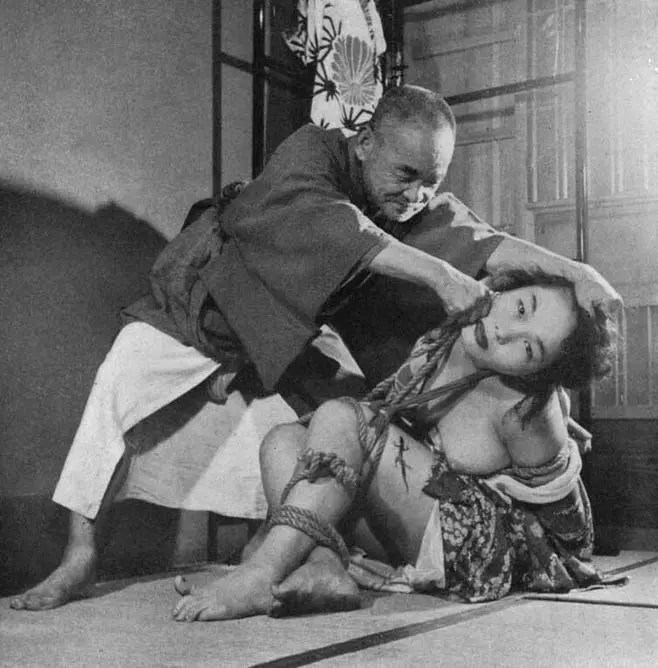
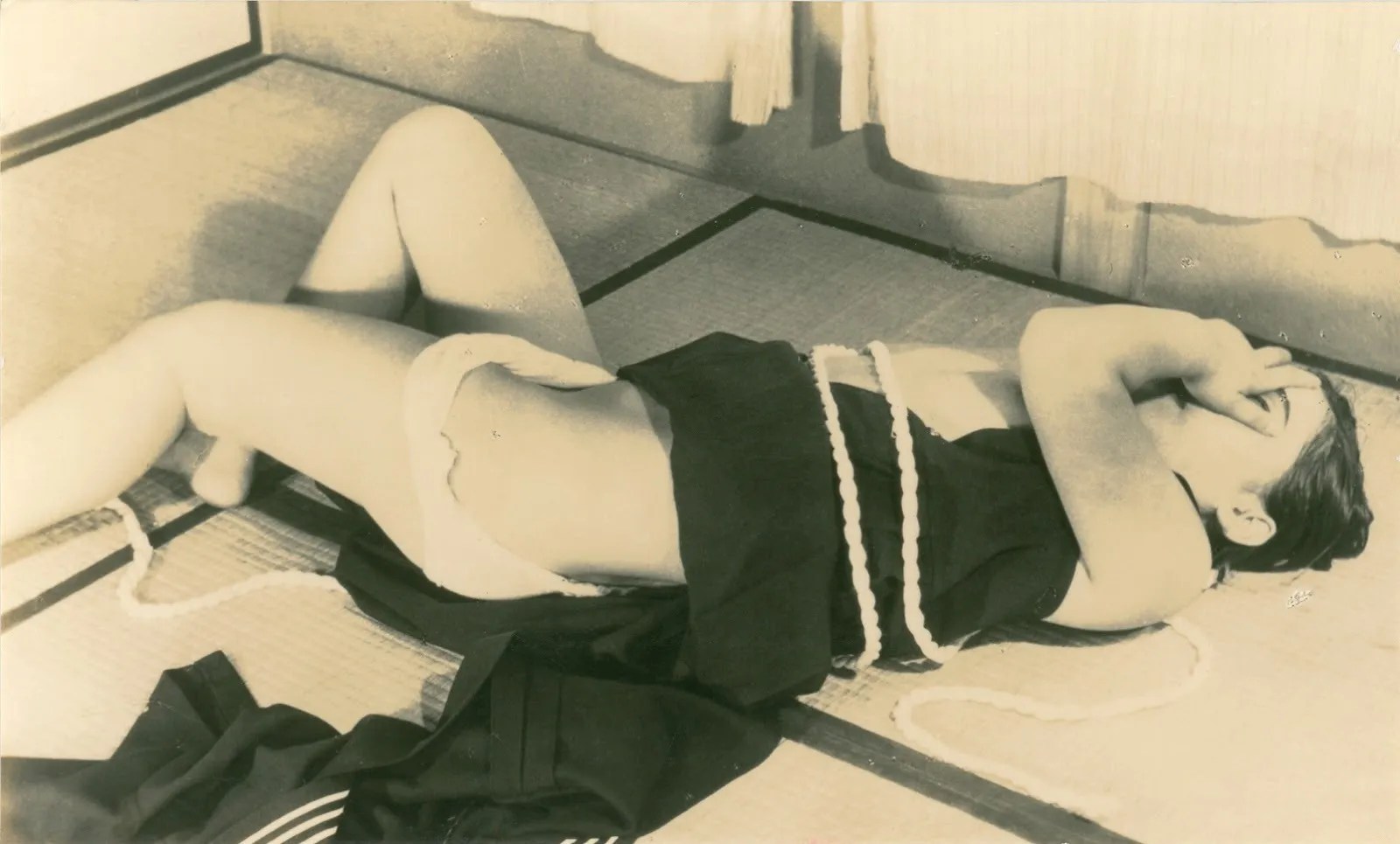
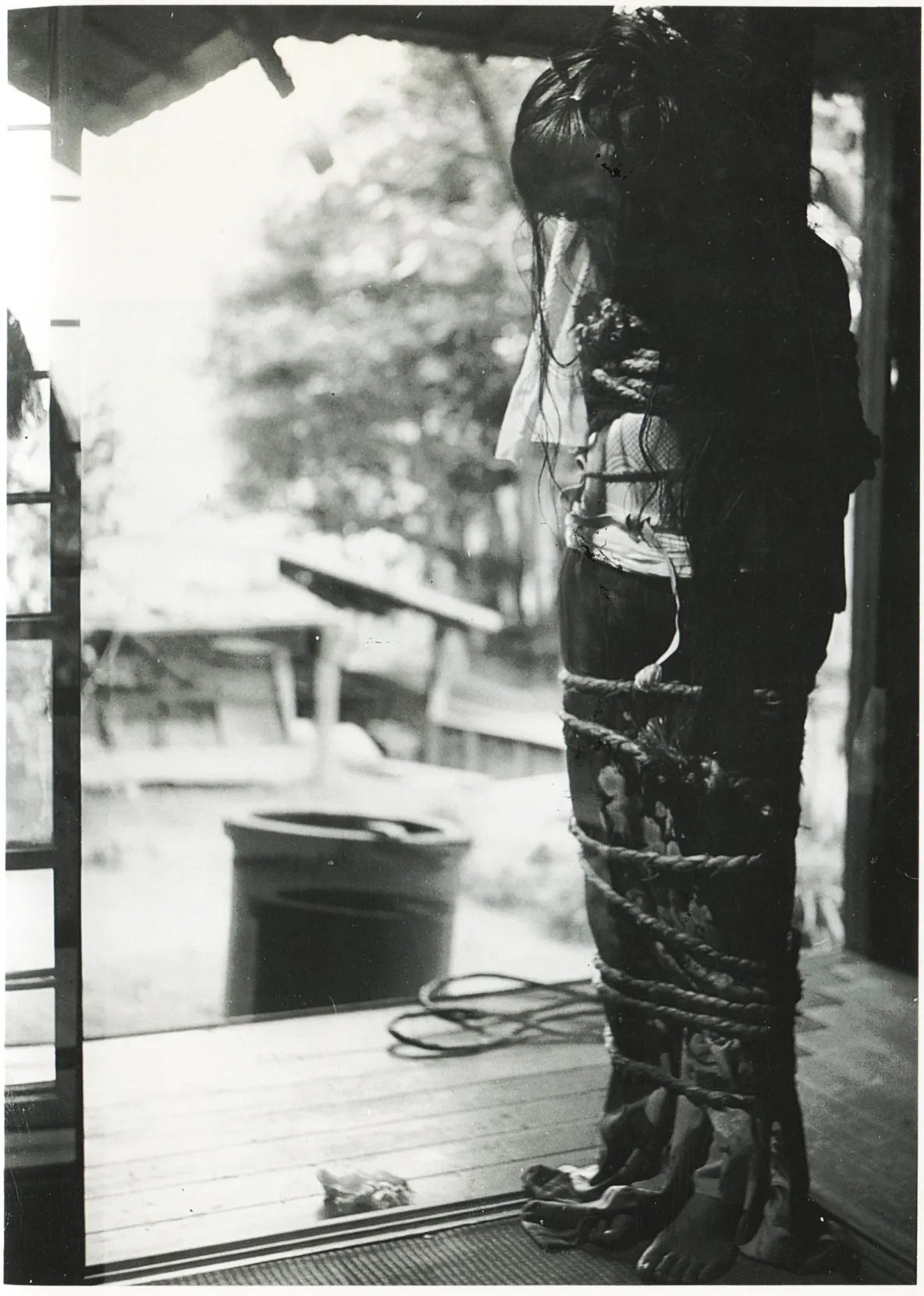
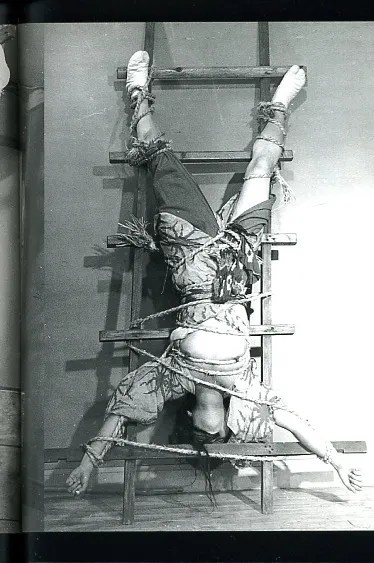
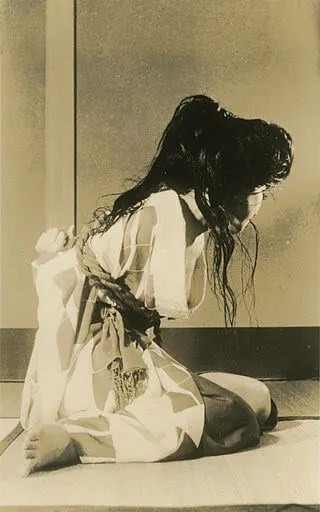
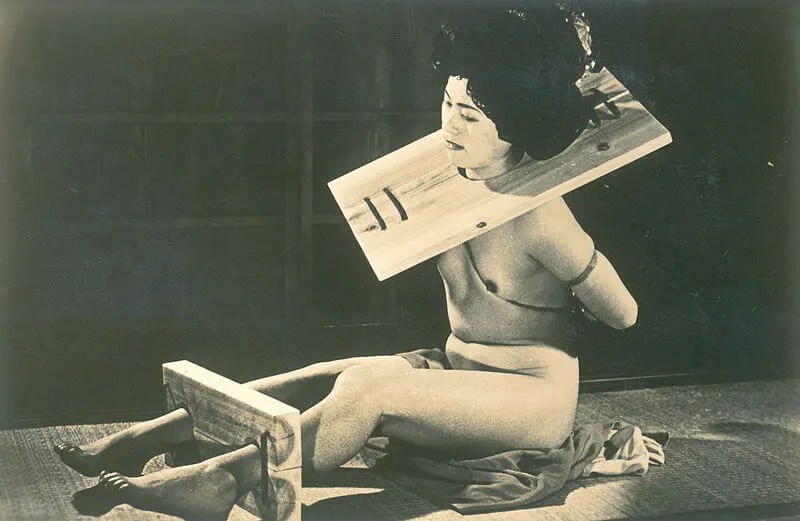
Around 1907, Ito started illustrating for newspapers. In 1919, he hired a young art student, Kise Sahara, as a model. She became his second wife after becoming pregnant and willingly posed for his increasingly daring bondage studies.
Censorship and Hardship
In 1930, Ito fell victim to strict censorship laws, leading to financial ruin. Most of his original works were destroyed during the Great Tokyo Air Raid of 1945. Despite these setbacks, he was honored by the Japan Artists Association in 1960.
Artistic Legacy
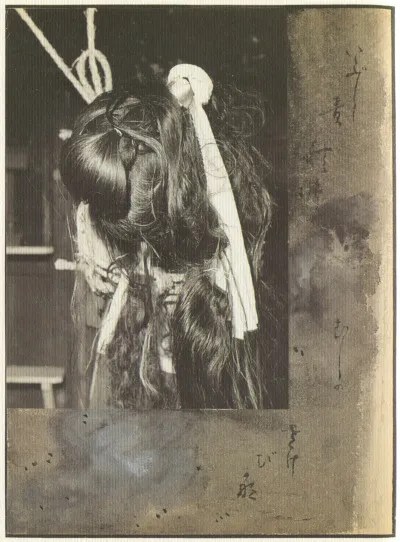
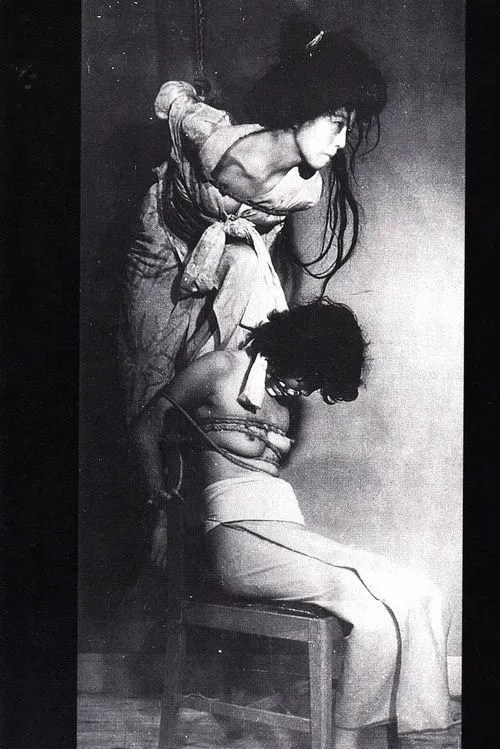
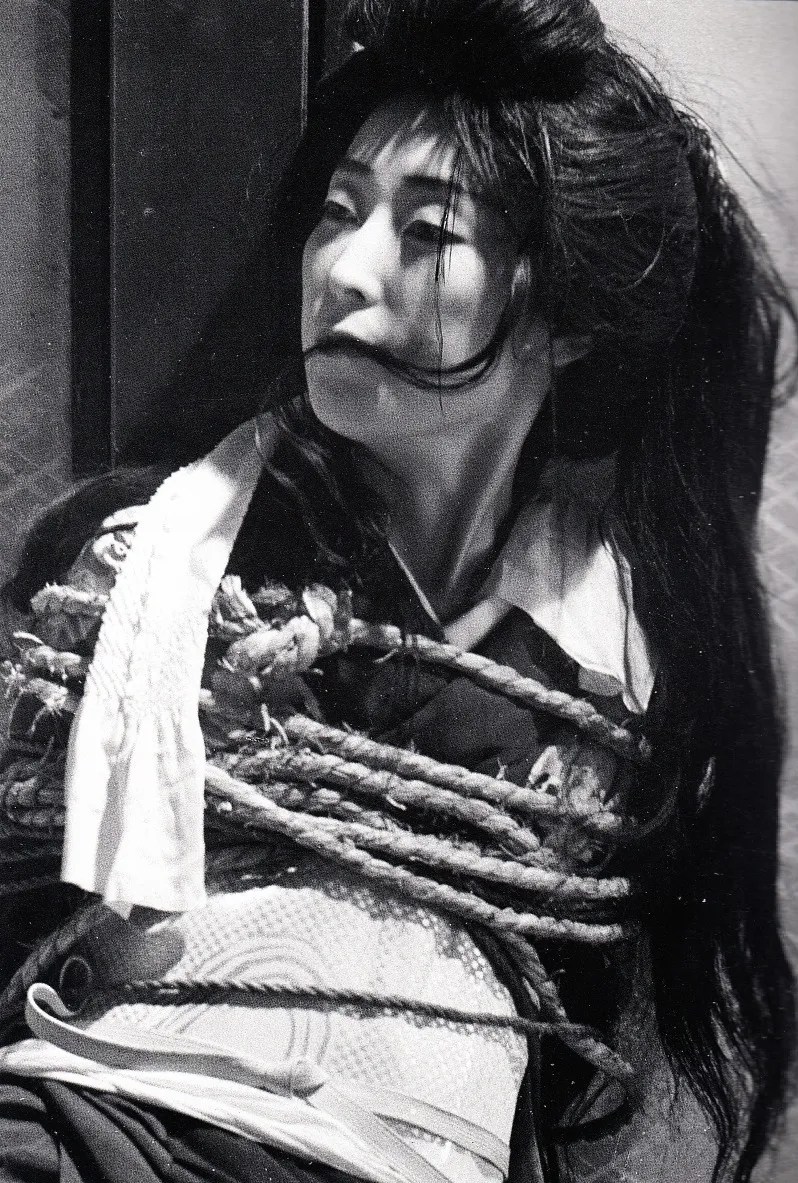
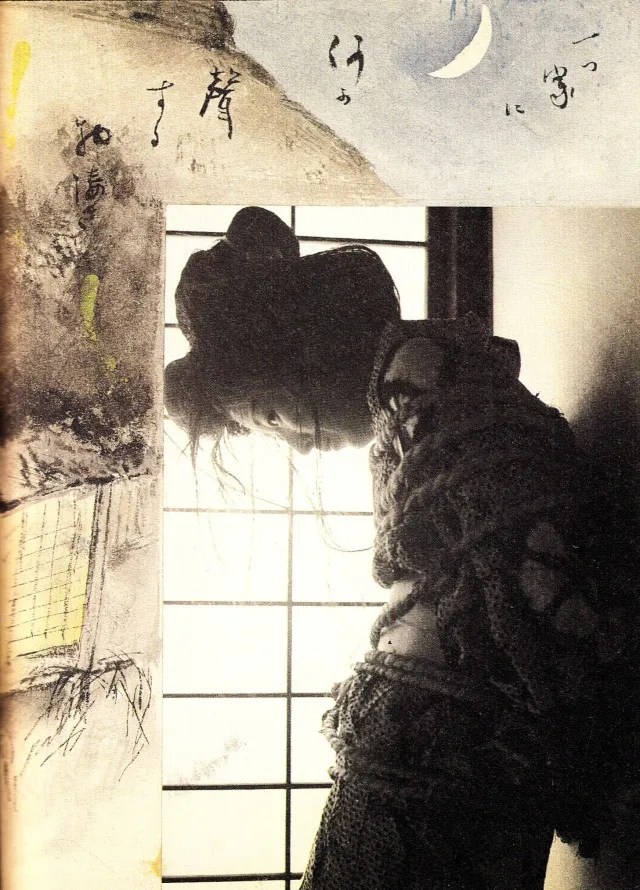
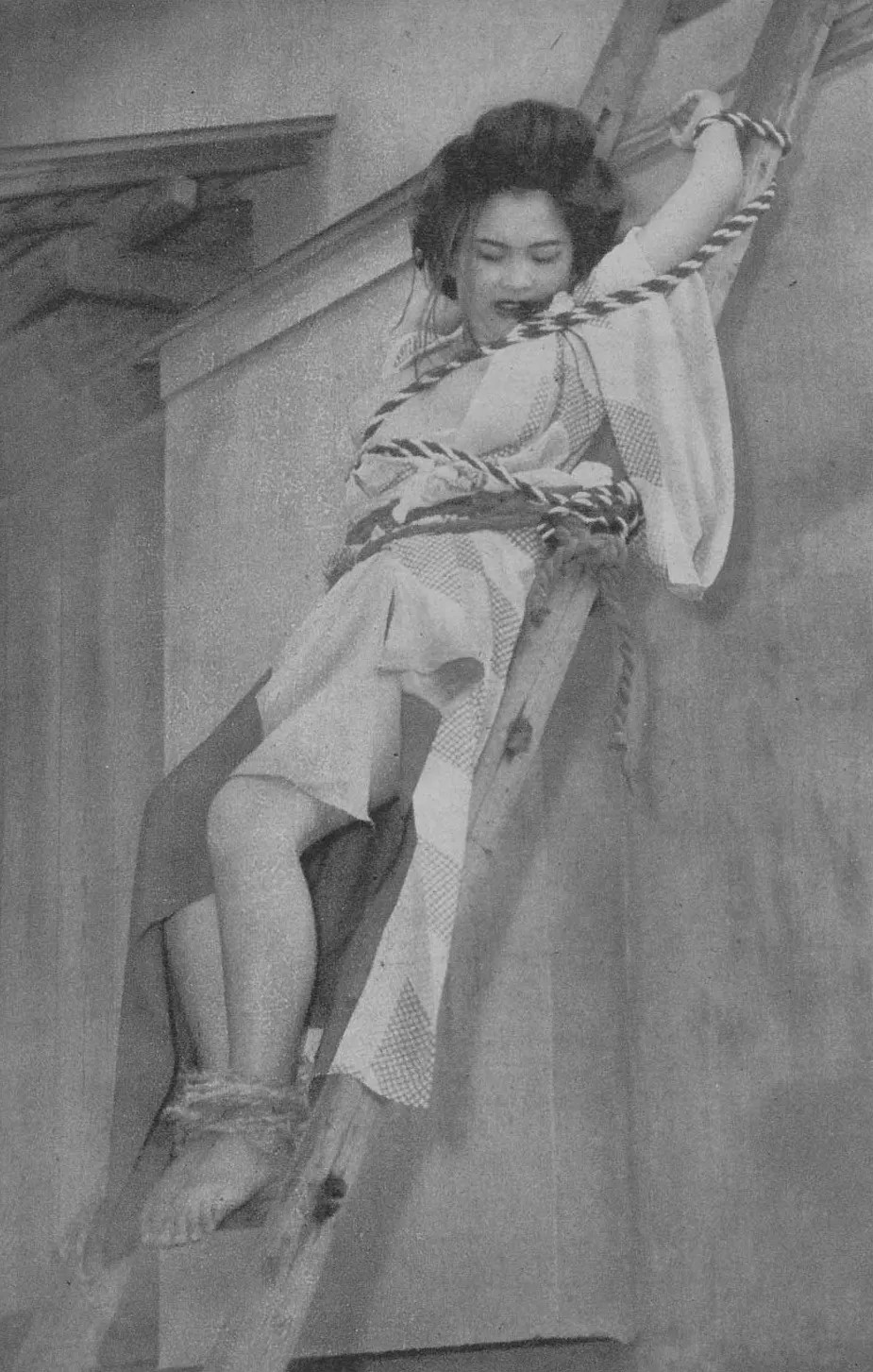
Deeply inspired by kabuki theater and Edo-period customs, Ito published An History of Edo and Tokyo Manners after the 1923 Great Kantō Earthquake. His signature technique involved binding models in intricate rope patterns, photographing the poses, and using the images as references for his paintings.
Discover more art from Seiu Ito:
Vintage BDSM Art.