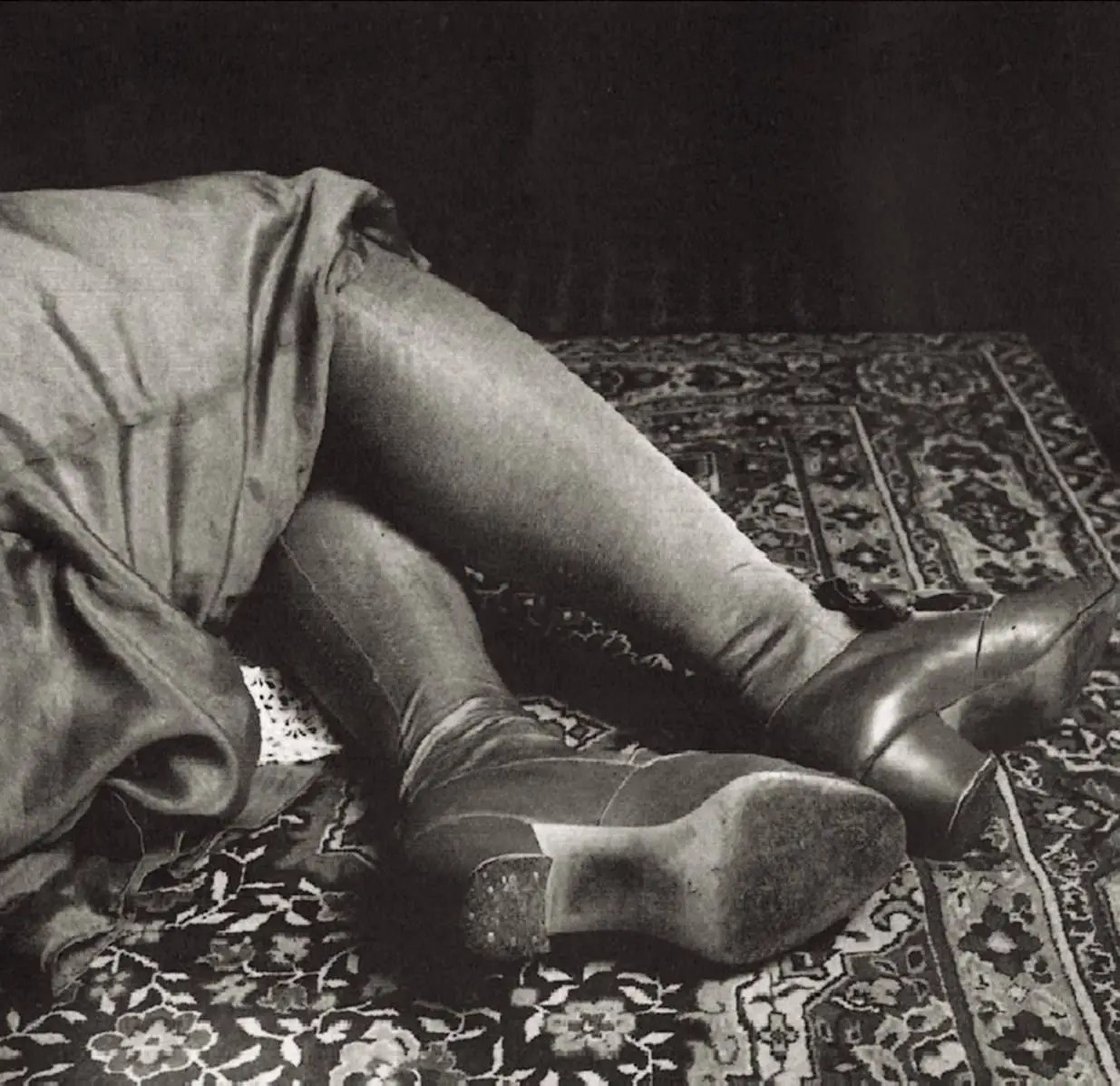
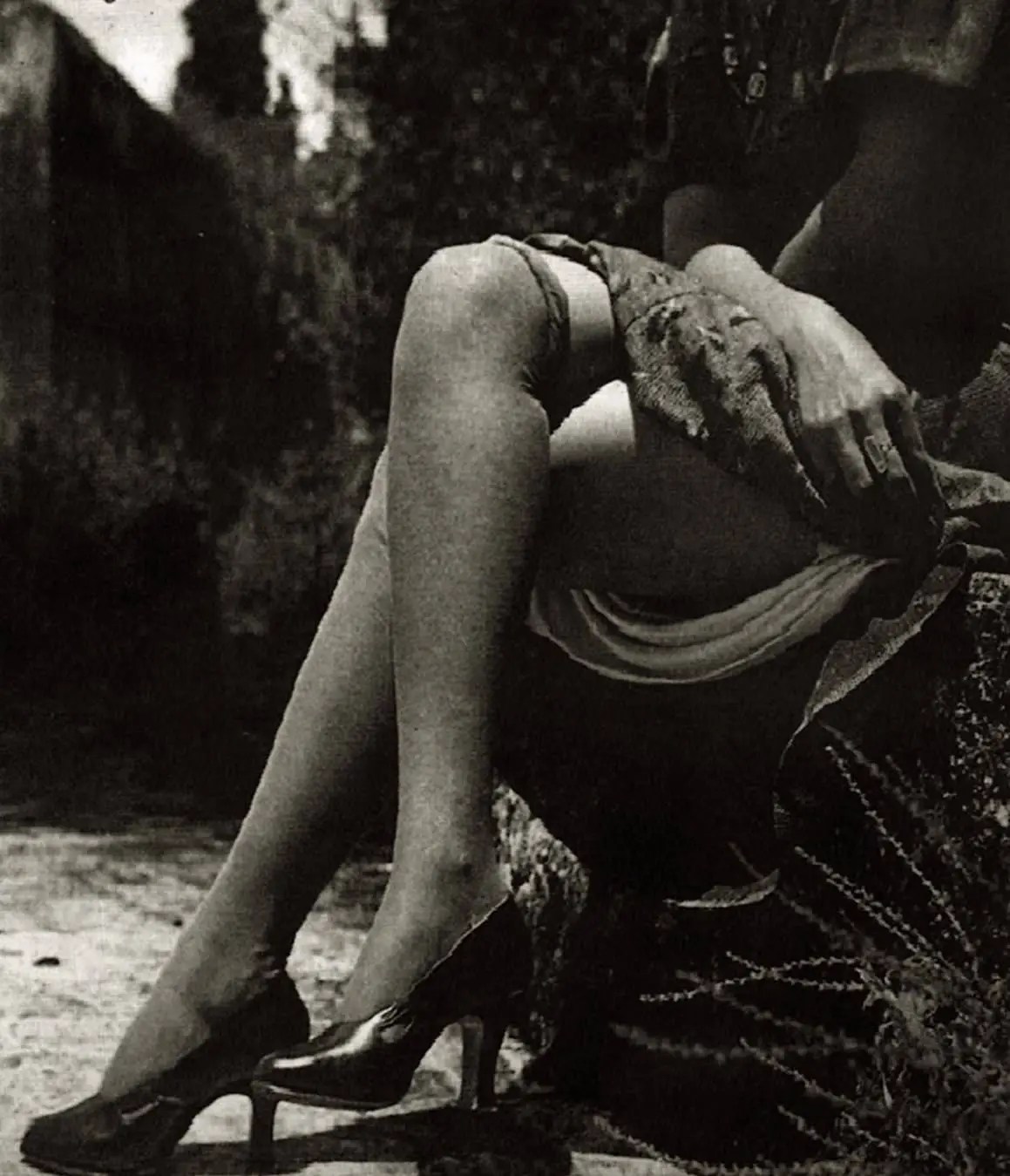
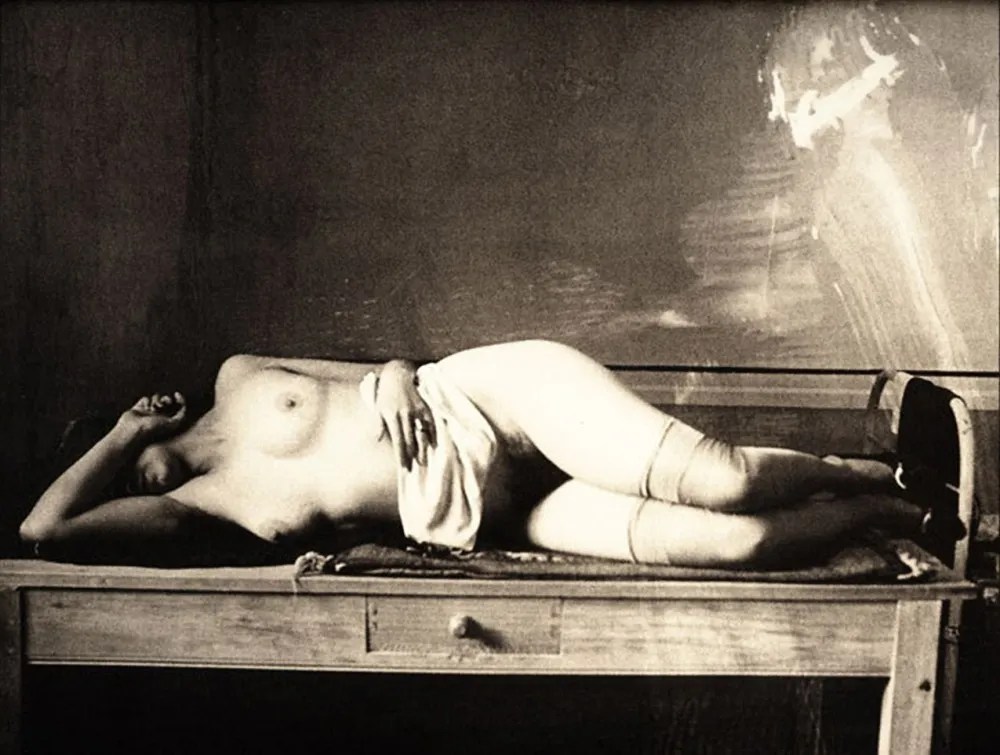
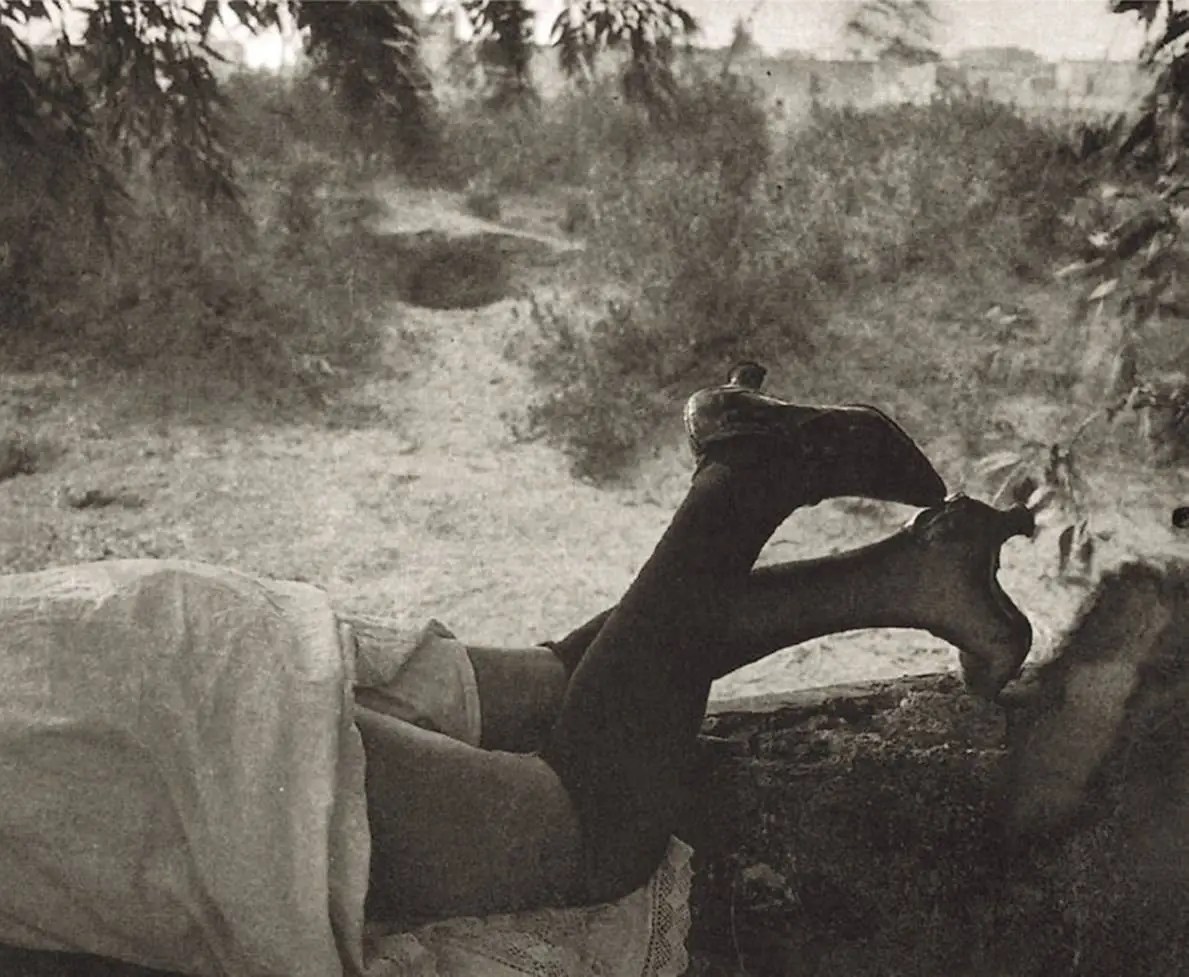
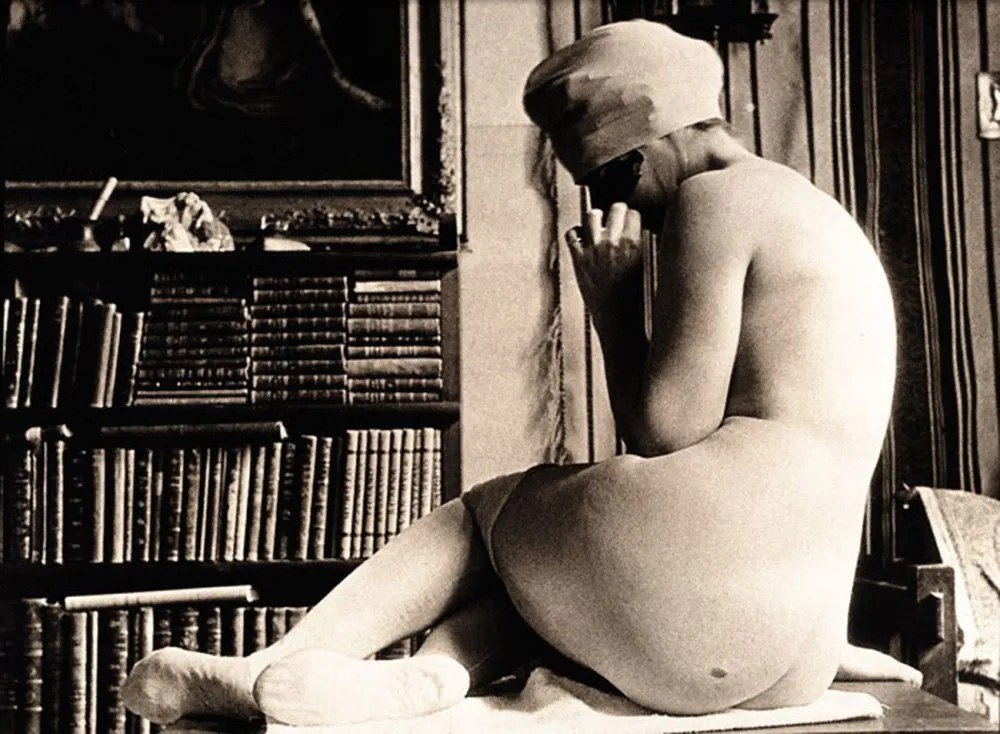
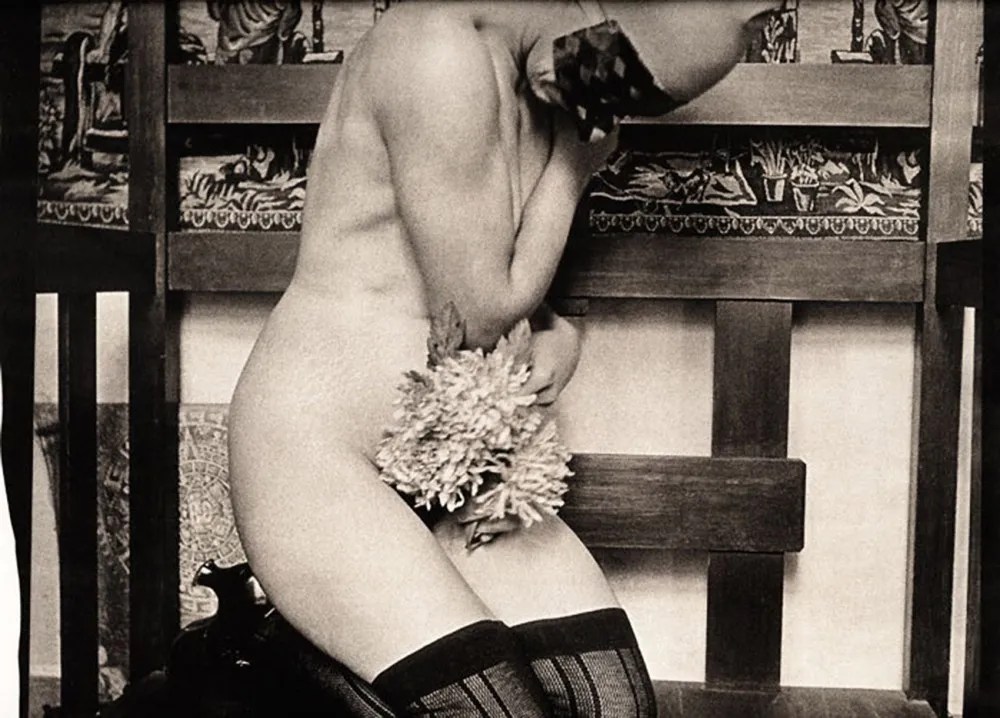
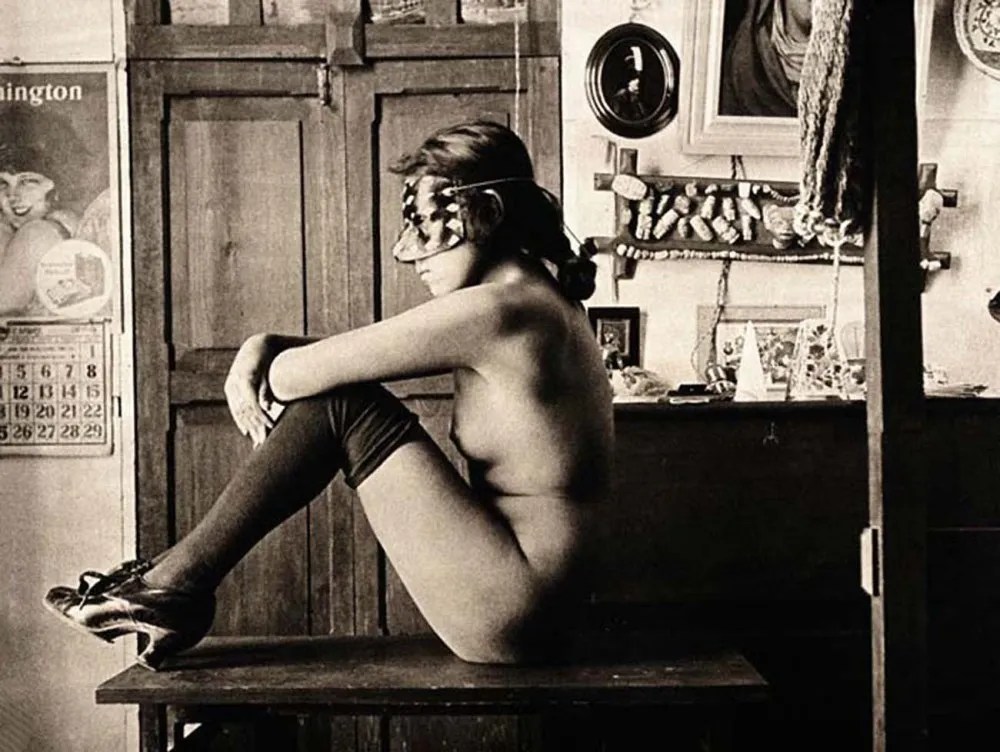
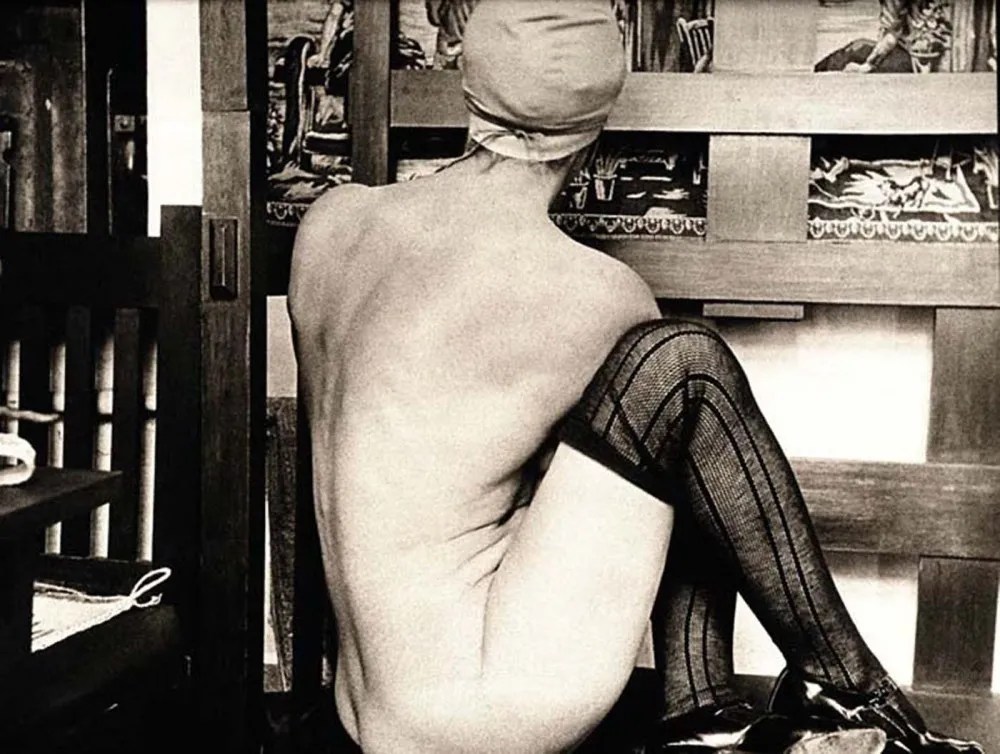
In the colonial cradle of Puebla, Mexico Juan Crisóstomo Méndez Ávalos was born on May 12, 1885. Raised amid the city’s textile mills and fervent Catholic fervor, young Juan apprenticed at fifteen in the German import house of Soomer & Herman, surrounded by crates of optical wonders and photographic paraphernalia. This immersion ignited a passion that would eclipse his formal training in drawing at the School of Arts and Crafts. By the 1910s, Méndez had established his own studio, capturing the genteel portraits of Poblanos while quietly honing a gaze that pierced societal veils. Yet it was the restless summer of 1926 that marked his true awakening: amid the heat-shimmering streets, he turned his lens inward, toward the uninhibited forms of women who became muses in a clandestine ballet of flesh and fantasy.
Fetishistic Frames: Masks, Legs, and Hidden Ecstasies
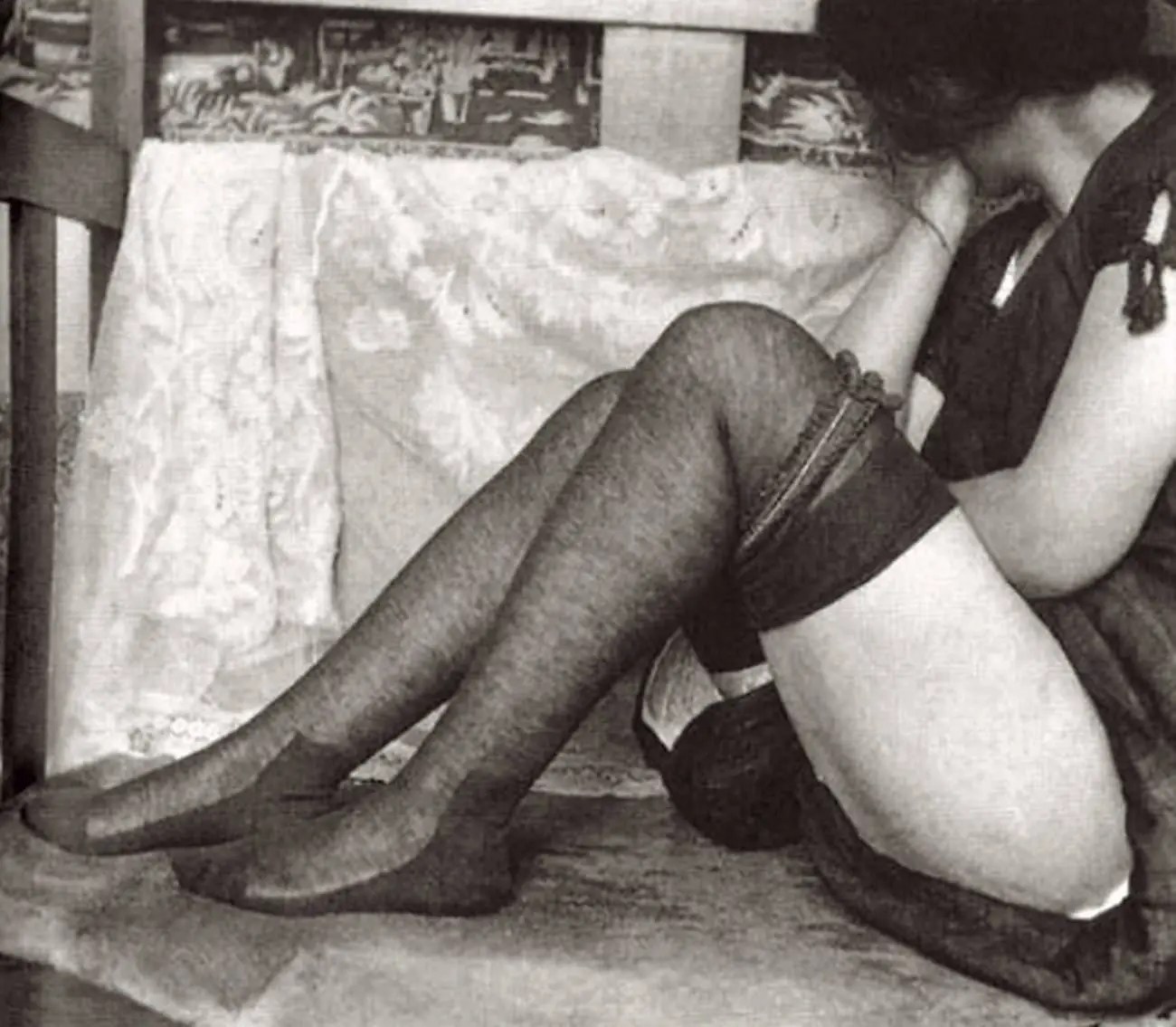
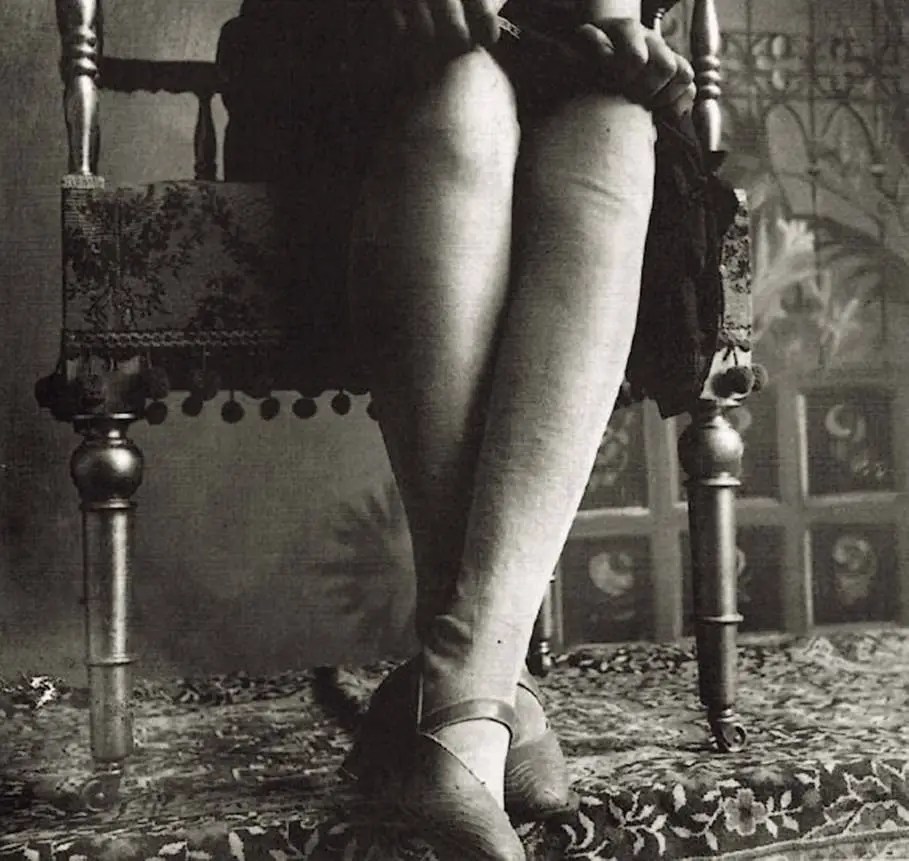
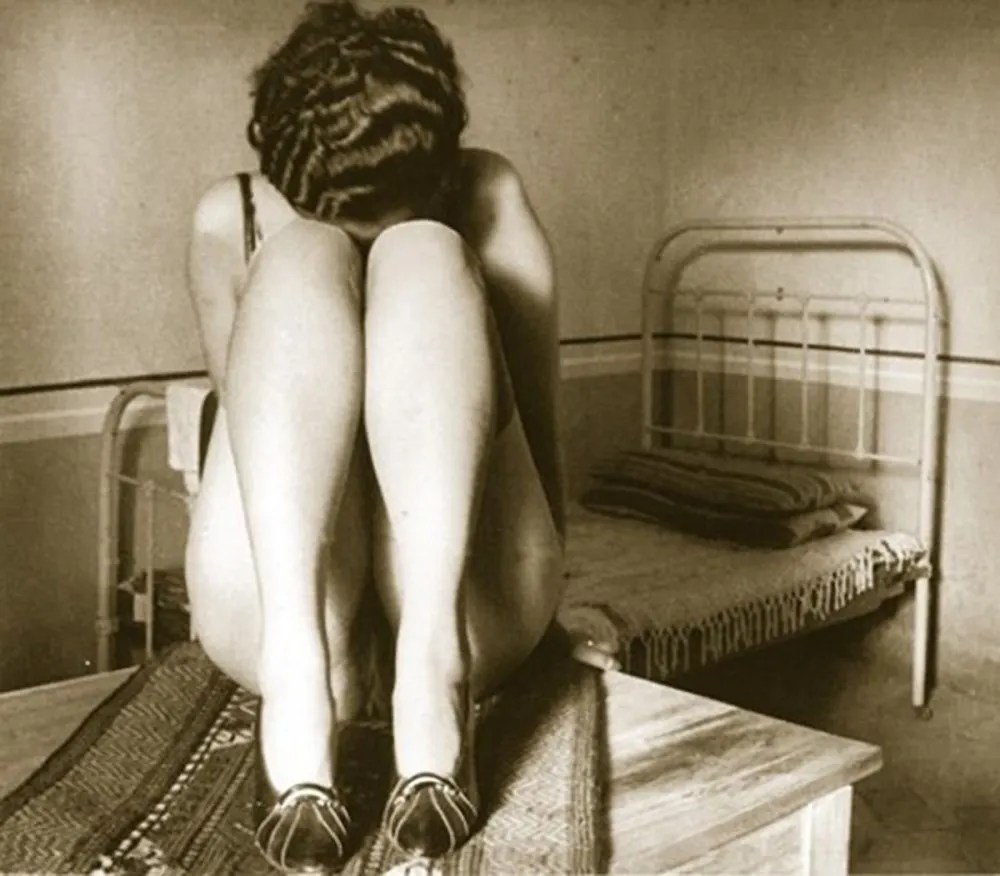
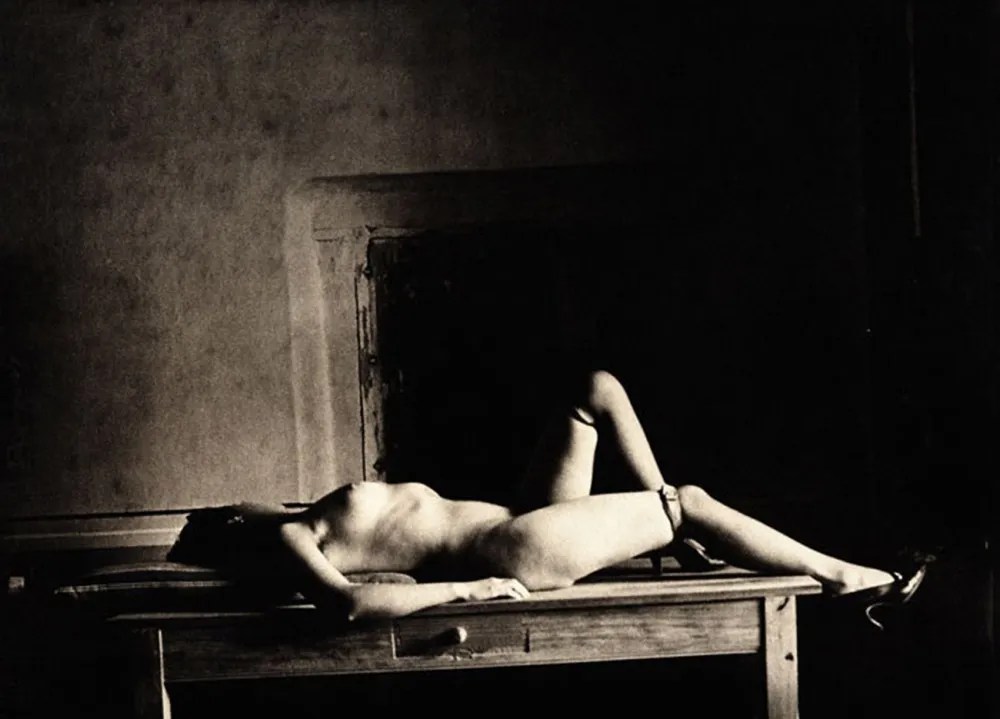
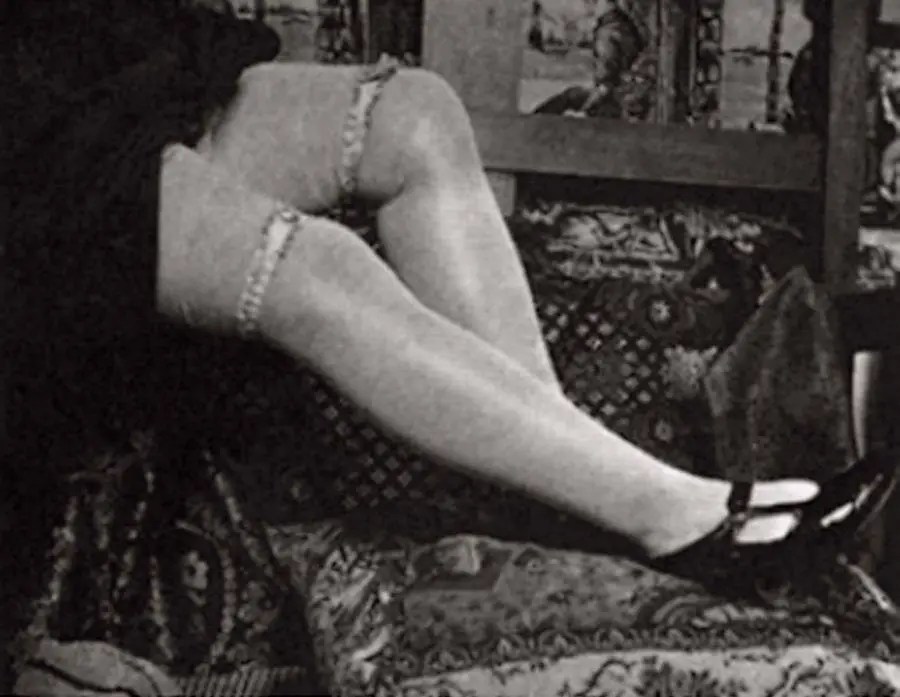
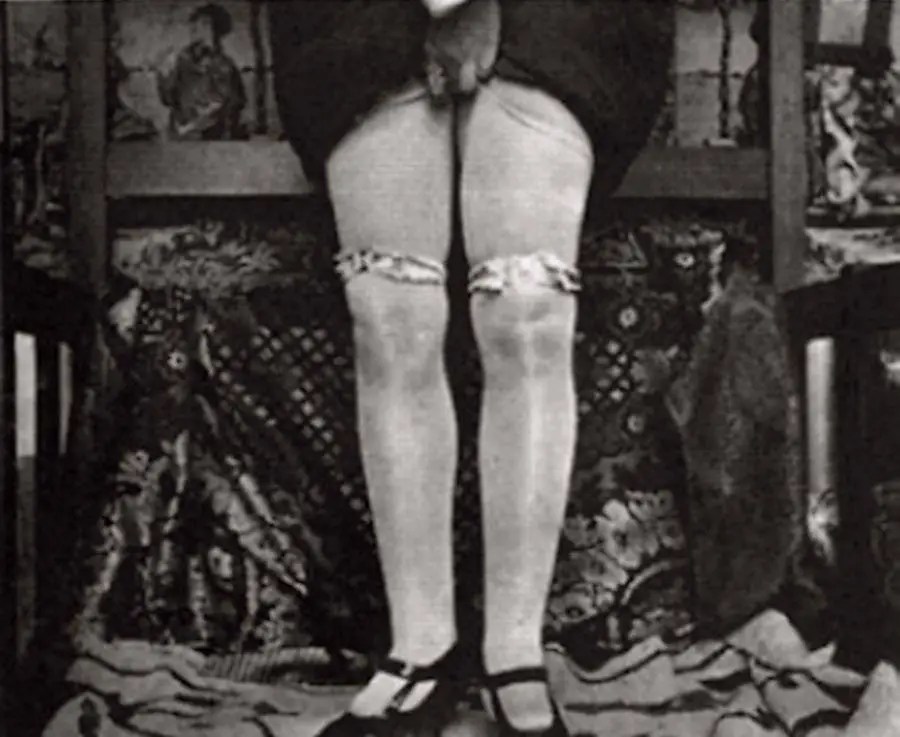
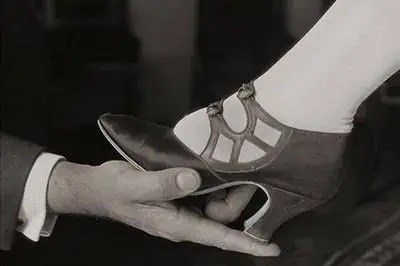
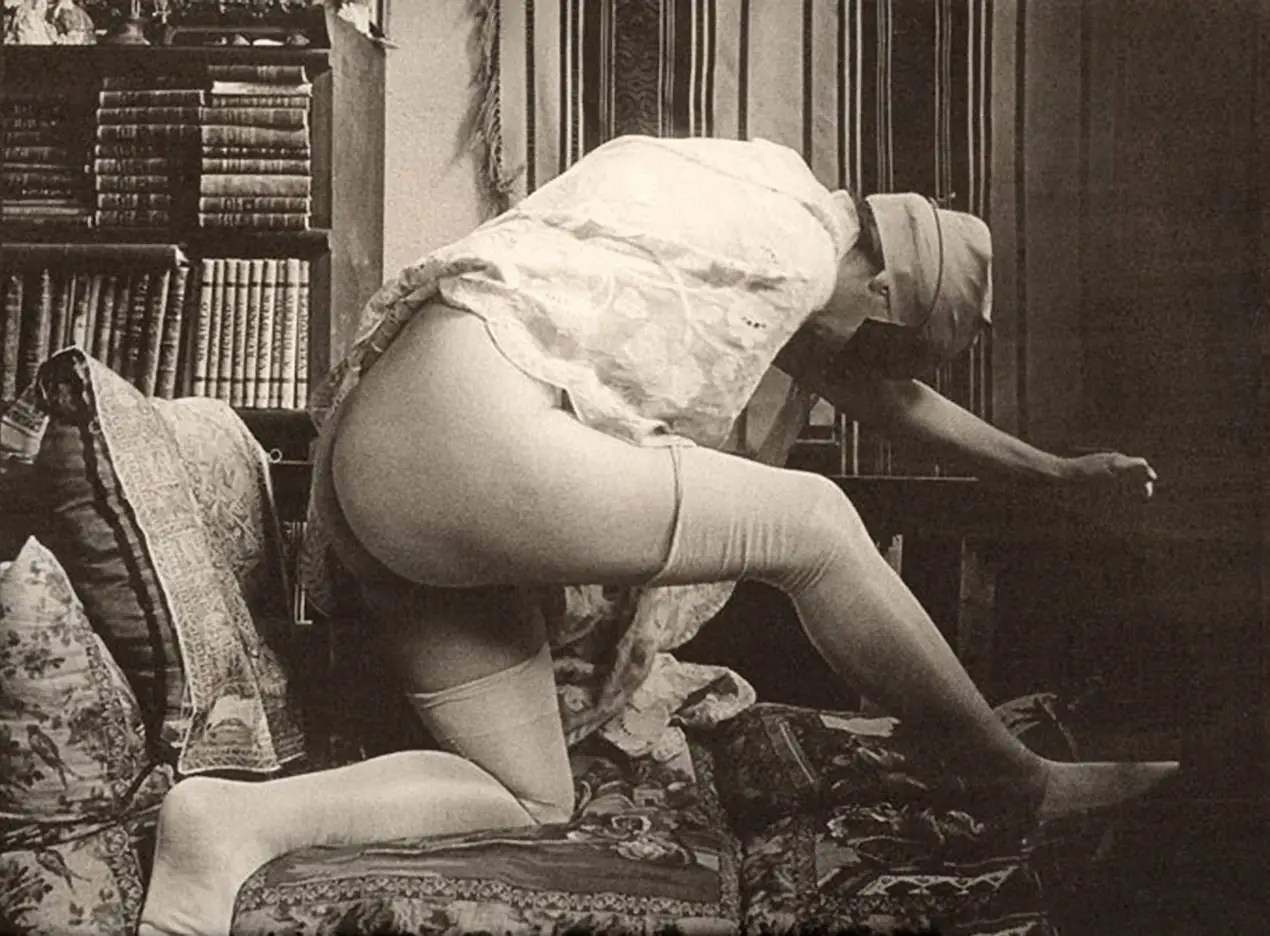
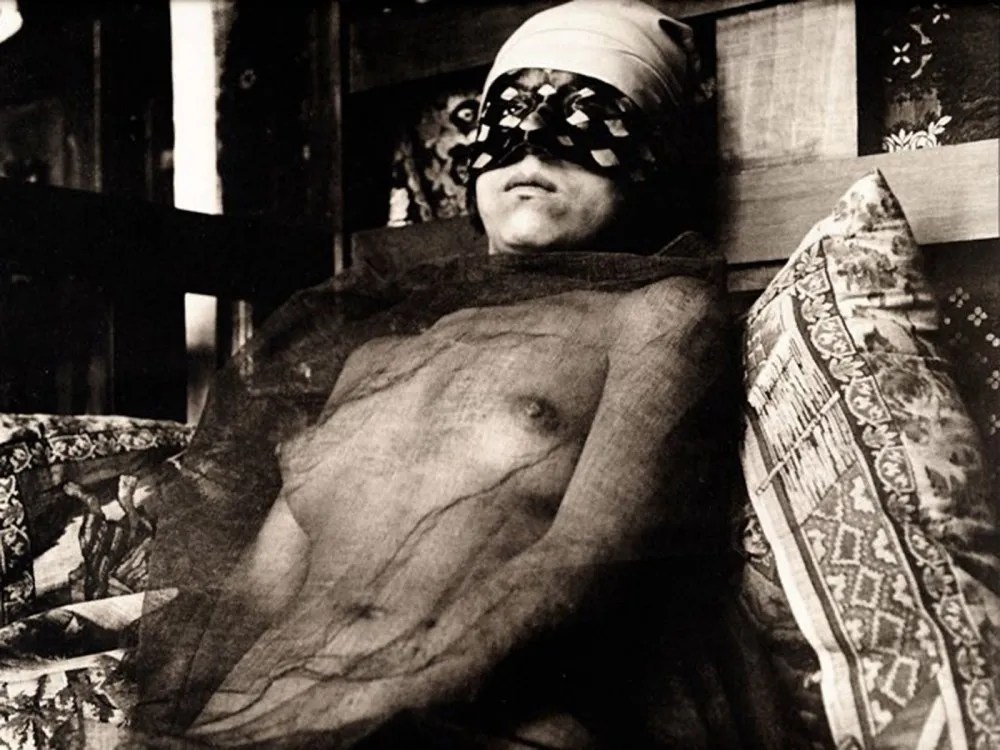
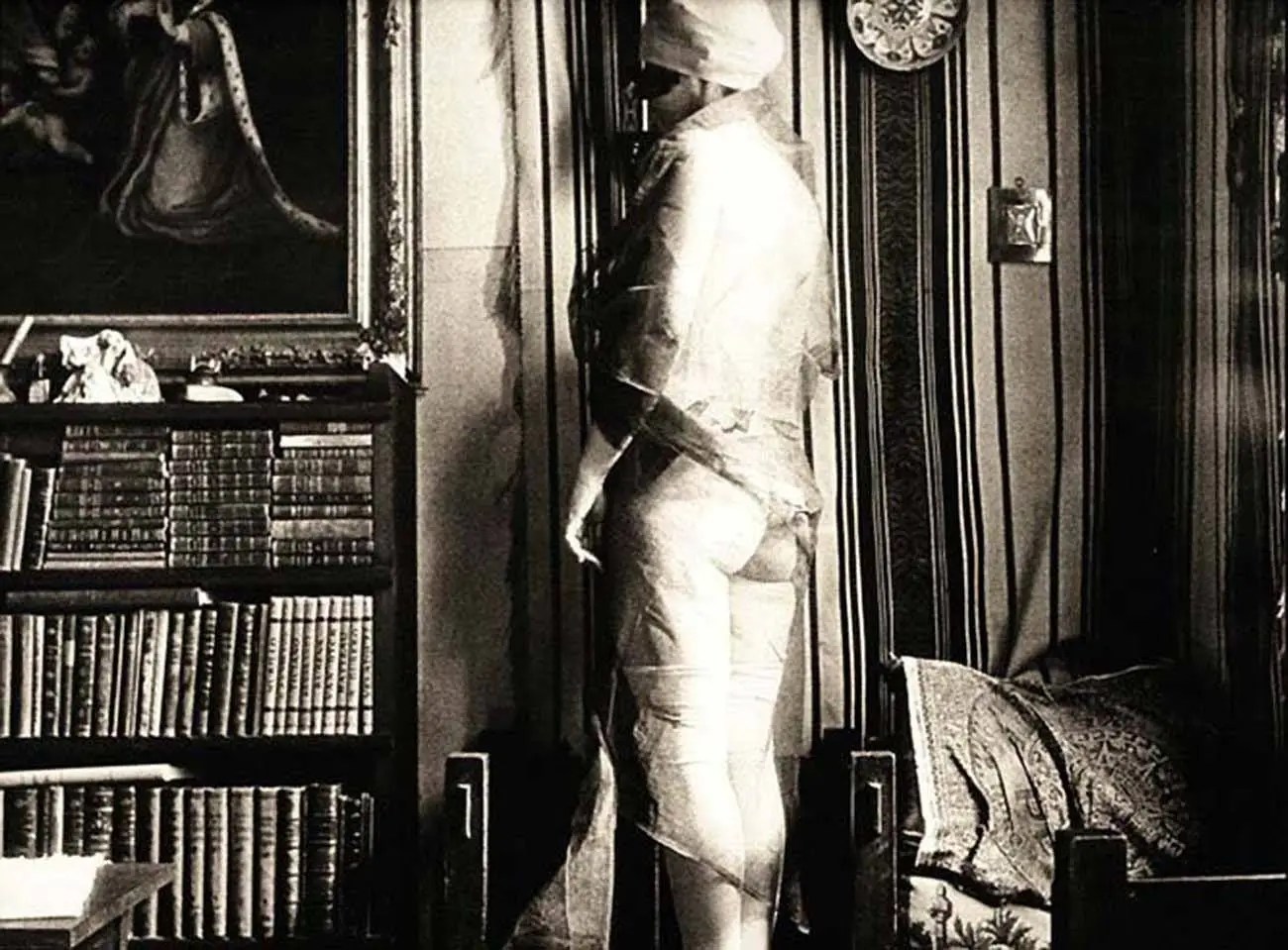
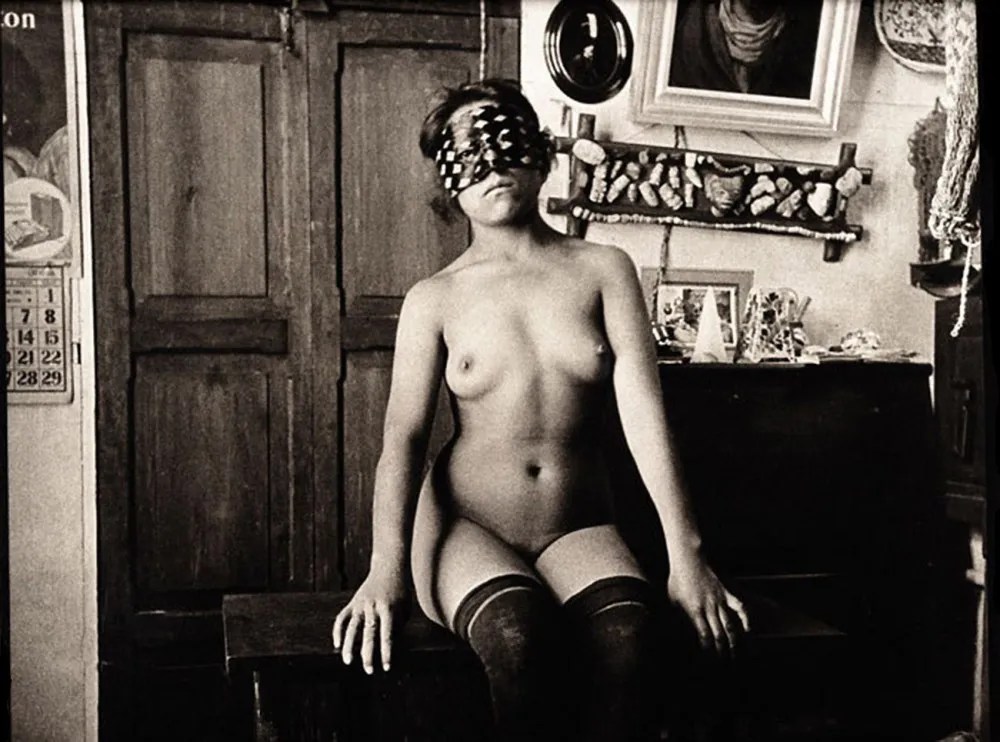
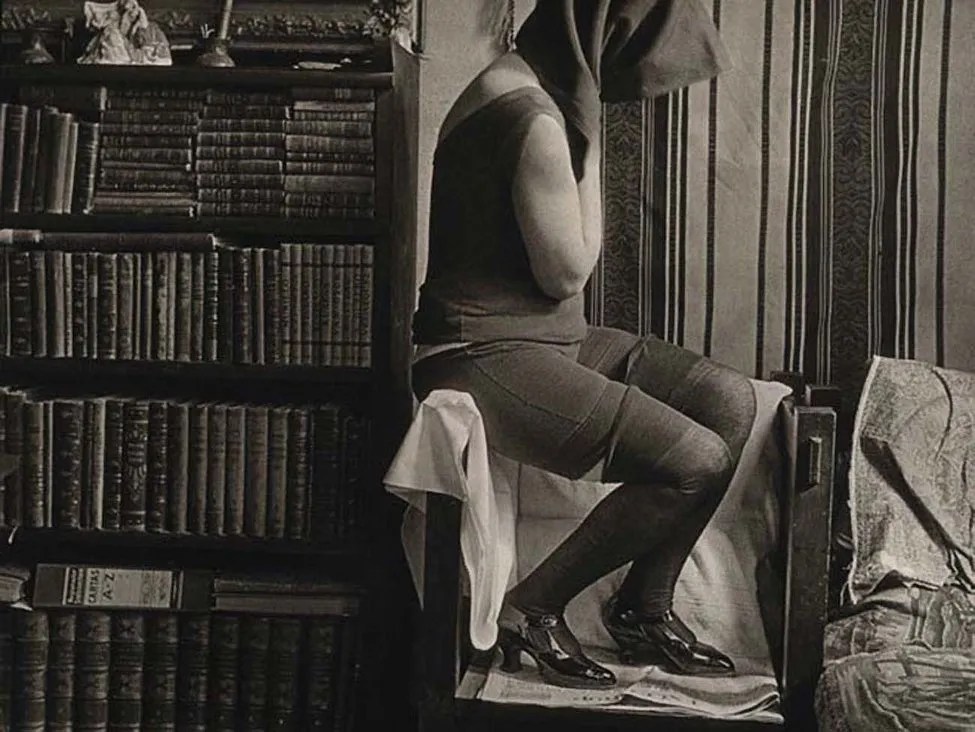
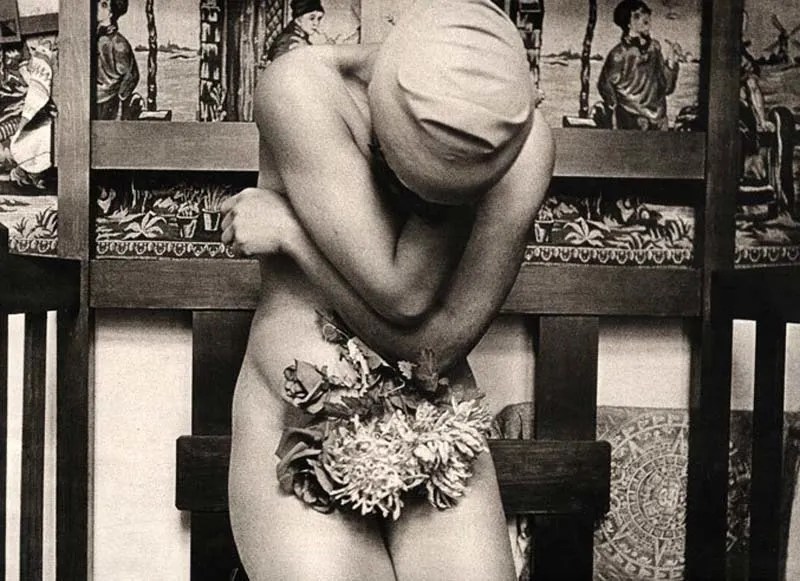
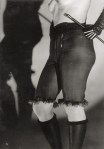
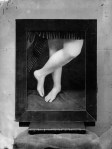
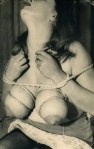
Méndez’s revolutionary portfolio from that fateful year—a cascade of voyeuristic nudes—shattered the conservative facade of post-revolutionary Mexico. His models, their identities shrouded in lace veils, feathered masks, or diaphanous silks, reclined in sun-dappled interiors that evoked both boudoir intimacy and forbidden ritual. High-heeled legs, elongated and fetishized like talismans of desire, dominated many frames: crossed in languid provocation, arched in silent invitation, or bound by the subtle tension of garters that whispered of restraint. These images, printed on humble paper and guarded like contraband, explored the erotic undercurrents of a culture bound by machismo and modesty.
Circulated in hushed circles, they scandalized Puebla’s elite, branding Méndez a provocateur whose work blurred the line between art and obscenity. Though his broader oeuvre spanned architectural studies and civic documentation—including a landmark 1952 exhibition for the Club Fotográfico de Puebla, it was this erotic vein that cemented his underground legacy, influencing later Mexican photographers who dared to eroticize the everyday.
Méndez’s archive, now enshrined in Puebla’s Fototeca Juan Crisóstomo Méndez (inaugurated in 1985), preserves over a century of his vision, from tender family portraits to these audacious nudes that languished in family attics for decades. He passed in 1962, at 77, leaving a corpus that challenges us to confront desire’s quiet insurgency.
In the tapestry of vintage BDSM and fetish photography, Méndez emerges as a Mexican pioneer: not a chronicler of excess, but a sculptor of veiled surrender, where every shadow hints at ecstasy’s edge.