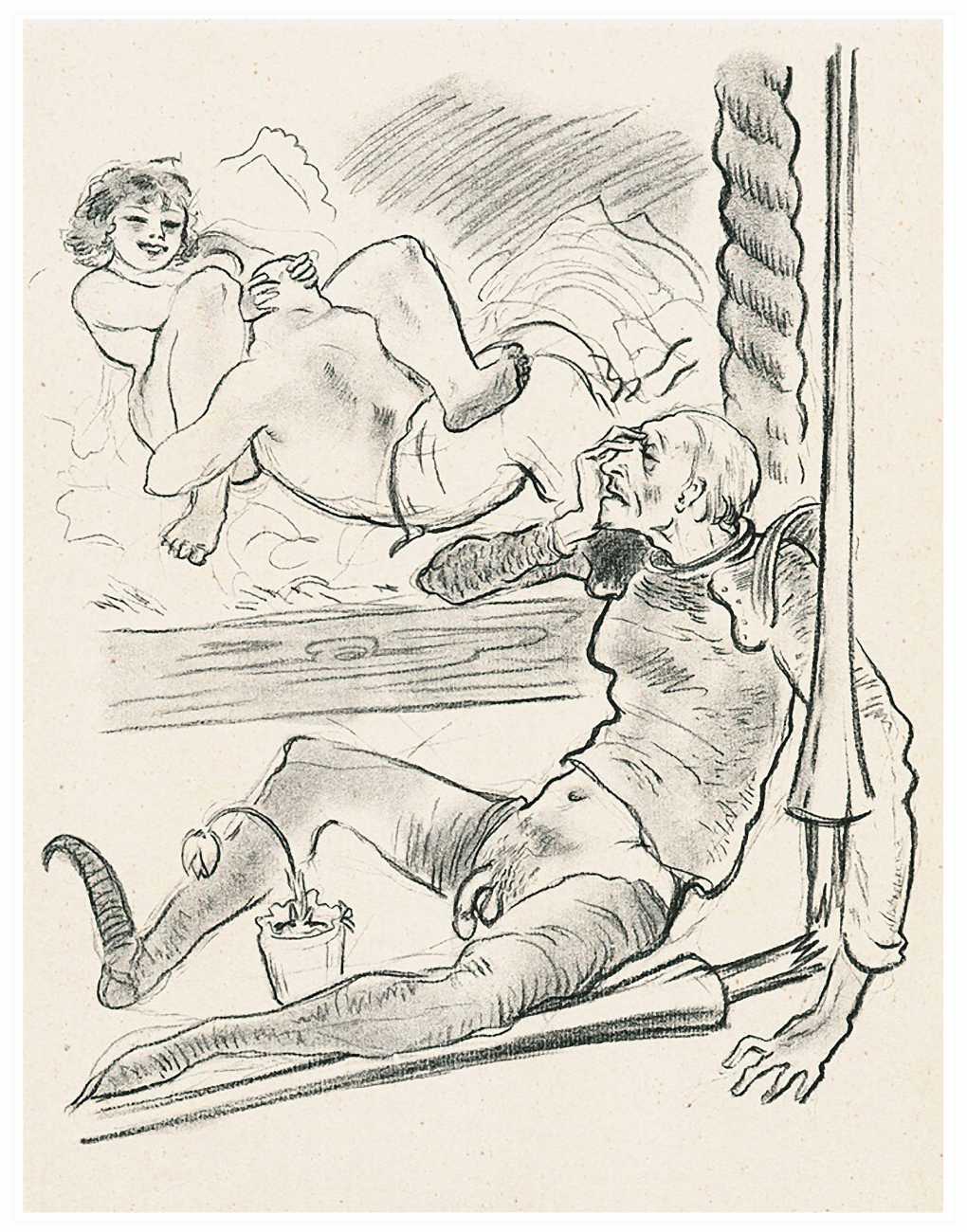
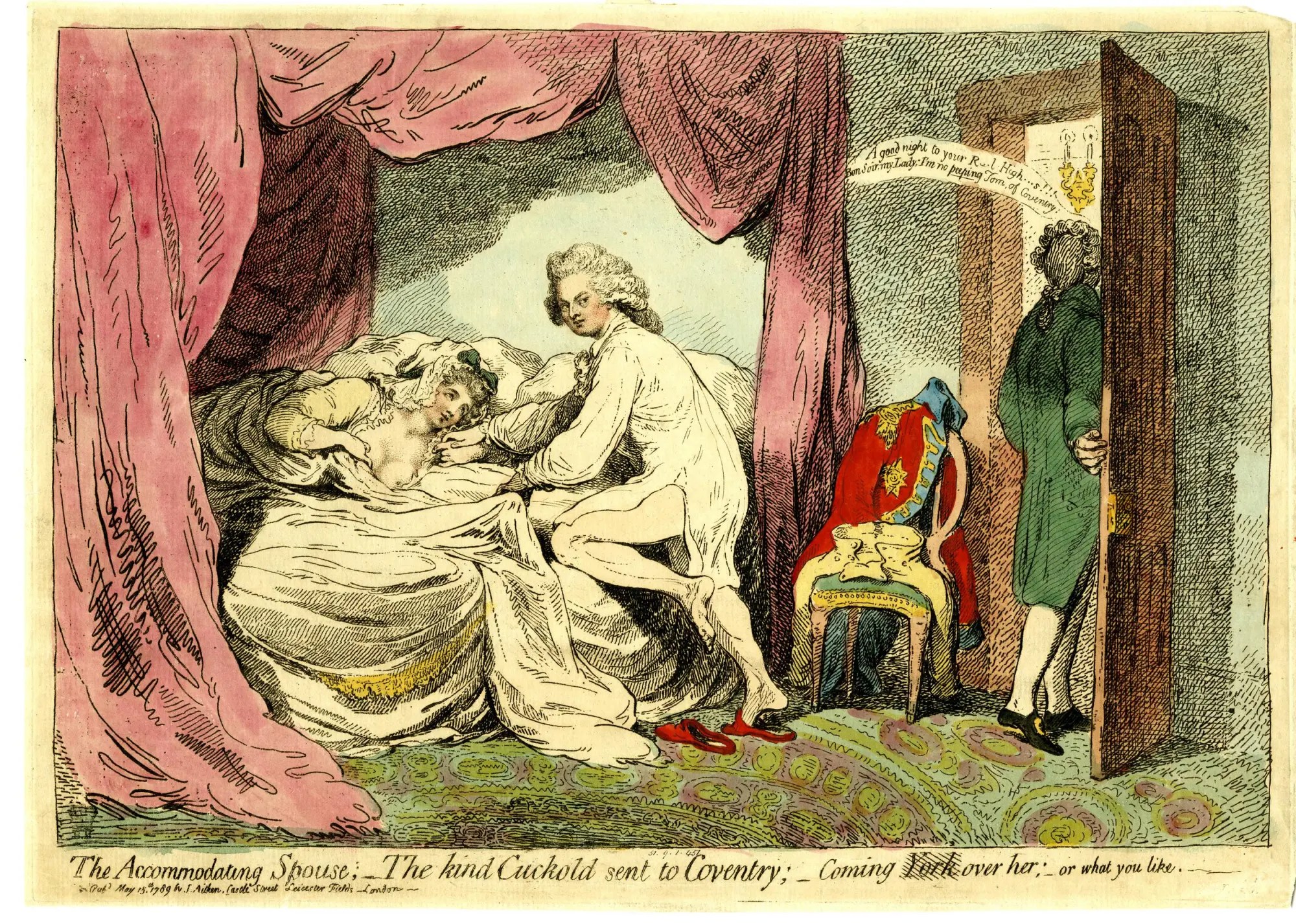
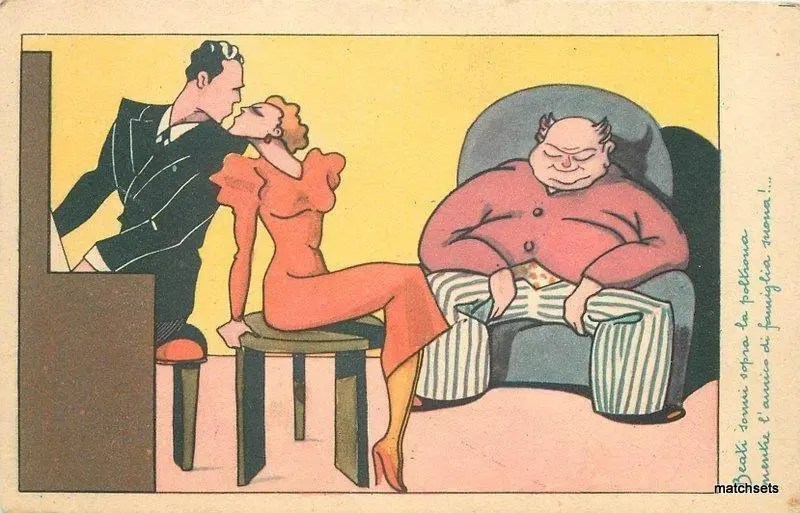
The term “cuckold” might sound like a relic of a bygone era, but its legacy lingers in art, literature, and even modern slang. Historically, a cuckold was a man whose wife was unfaithful, often mocked with the symbolic imagery of horns sprouting from his head. From Renaissance theater to 18th-century sketches, cuckoldry has been a source of satire, comedy, and cultural fascination. But where did this concept come from, and why did it capture the imagination of artists and writers for centuries? Let’s dive into the quirky, sometimes scandalous history of cuckoldry and its enduring presence in European culture.
There will the Devil meet me, like an old cuckold, with horns on his head
Shakespeare’s Much Ado About Nothing
The Etymology of Cuckoldry
The word “cuckold” derives from the Old French cucuault, rooted in cucu, meaning “cuckoo”—the bird notorious for laying its eggs in other birds’ nests, leaving unsuspecting parents to raise its young. By the Middle Ages, this behavior became a metaphor for a man deceived by his wife’s infidelity, unknowingly “raising” another man’s child. The term first appeared in English literature around the 13th century, notably in medieval poetry, where it described a husband’s humiliation.
But why horns? The connection is less straightforward. Unlike the cuckoo, which has no horns, the imagery likely stems from European folklore and mythology. Horns were associated with shame, powerlessness, or even demonic betrayal (think of the devil’s horns). By the Renaissance, the horned husband became a stock figure in comedy, symbolizing both personal failure and social ridicule.
Cultural Significance in Renaissance Europe
During the Renaissance (16th to 18th centuries), Europe was gripped by a cultural obsession with cuckoldry, fueled by anxieties about marriage, masculinity, and female sexuality. A prevailing belief, rooted in medieval medicine, held that women were inherently lustful due to their “wandering womb”—a supposed organ that roamed the body, driving women to infidelity. This pseudoscience justified the assumption that a married woman would inevitably stray, leaving her husband a cuckold.
This fear gave rise to the “brotherhood of cuckoldry,” a satirical concept where all husbands were doomed to be fools, their wives perpetually unfaithful. The cuckold became a comedic archetype, especially in theater. In Shakespeare’s Much Ado About Nothing, for example, a character quips, “There will the Devil meet me, like an old cuckold, with horns on his head,” cementing the horned husband as a figure of mockery.
Horns and Animals: The Symbolism of Cuckoldry
The horn imagery associated with cuckoldry has several intriguing origins, often tied to animals symbolizing emasculation or humiliation:
- The Ox: A castrated bull, the ox represented the impotent, wronged husband, stripped of virility.
- The Stag: A stag suggested the cuckolded husband had lost his role as a sexual pursuer, becoming his wife’s “prey.”
- The Capon: Perhaps the most curious symbol, the capon (a castrated rooster) was linked to a historical practice where spurs were grafted onto the bird’s head, creating horn-like growths. These fat, docile birds, lacking aggression, mirrored the stereotype of the cuckolded husband—older, impotent, and submissive.
The capon theory is particularly intriguing, as historical records do mention the practice of grafting spurs to create horn-like growths, though it’s debated how widespread this was or how directly it influenced cuckold imagery. The ox and stag metaphors are well-documented in European literature and folklore, reflecting anxieties about masculinity and infidelity.
These animal metaphors fueled artistic satire. For instance, an 18th-century German sketch, Hanrey Begrabnusen (Cuckold’s Graveyard), reportedly depicted a parade of horned animals, mocking the cuckold’s plight. Though the exact artwork is hard to pin down (possibly due to a variant title), it reflects the era’s love for exaggerated, beastly imagery to lampoon infidelity.
Cuckoldry in Art and Literature
Artists and writers gleefully embraced cuckoldry as a satirical tool. In a 16th-century German woodcut titled On Adultery, a woman places a Narrenkappe (fool’s cap) on her husband’s ears and rubs his head with a fox’s tail, a symbol of folly. The Narrenkappe inspired the term “hoodwink,” meaning to deceive, perfectly capturing the cuckold’s obliviousness. This public domain artwork, likely housed in collections like the British Museum, epitomizes the Renaissance’s blend of humor and humiliation.
The term “hoodwink” (to deceive) likely derives from the imagery of a fool’s cap or hood being pulled over someone’s eyes, blinding them to the truth, apt for the cuckold’s obliviousness.
In literature, French playwright Molière mastered the cuckold trope in plays like The School for Wives, where older men marry younger women, only to be outwitted by virile rivals. Ballads, too, mocked the “henpecked” husband, portraying him as overly submissive to his domineering wife. These works reinforced the cuckold as a cultural punchline, a warning to men about the perils of marriage and loss of control.
Molière’s plays, like The School for Wives, often feature older men with younger, unfaithful wives, reinforcing the cuckold stereotype. This was a common trope in early modern European theater and literature.
Cuckoldry’s Lasting Legacy
While the cuckold’s horns may seem like a dusty artifact of history, the concept persists in modern culture, albeit transformed. Today, “cuck” has been co-opted in internet slang, often as a political or social insult, far removed from its original context. Yet the historical cuckold, horned, fooled, and ridiculed, reminds us of humanity’s timeless fascination with love, betrayal, and power dynamics.
From Renaissance woodcuts to Molière’s stage, cuckoldry offered a lens to explore societal anxieties with humor and bite. So, the next time you hear of a “horned” husband, remember: it’s not just about infidelity, it’s a centuries-old story of satire, shame, and the eternal dance of human relationships.