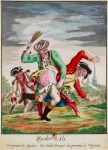
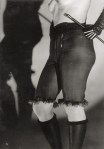
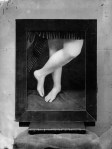
Ernst Schertel (1884 – 1958) was a multifaceted German figure: a writer, historian, scholar in religious studies, and specialist in the occult. He was also a dance pedagogue, an early promoter of nudist culture, a liberal free thinker, and a researcher of human sexuality with a particular interest in paraphilia, fetishism, and sadomasochism.SpankingArtWiki & Wikipedia




Early Life, Education, Career and Contributions
Schertel studied history and philosophy, earning his Ph.D. cum laude in 1911 with a dissertation titled “Schellings Metaphysik der Persönlichkeit” at the University of Jena. His academic prowess was evident early on, setting the stage for his later contributions to various fields.
Progressive Education and Dance Pedagogy
After completing his first novel, Die Sünde des Ewigen oder Dies ist mein Leib (1912/1913), Schertel began his career as a teacher. He worked at the progressive Freie Schulgemeinde Wickersdorf. Here, he taught German, ancient history, and religious history. Concurrently, he developed his own dance pedagogy. He incorporated music he composed himself. He also used techniques such as hypnosis, incense, and alkaloids. These methods promoted a liberated approach to the body and sexuality.
Following his departure from Wickersdorf—due to his progressive views on homosexuality—Schertel established his own dance schools to continue his methods.
Nudist Culture and Erotic Research
In the 1920s and 1930s, Schertel became a central figure in Germany’s Nacktkultur (nudist culture) movement. This movement had strong ties to the fetishistic and BDSM cultures of the time. His work during this period was both pioneering and controversial.
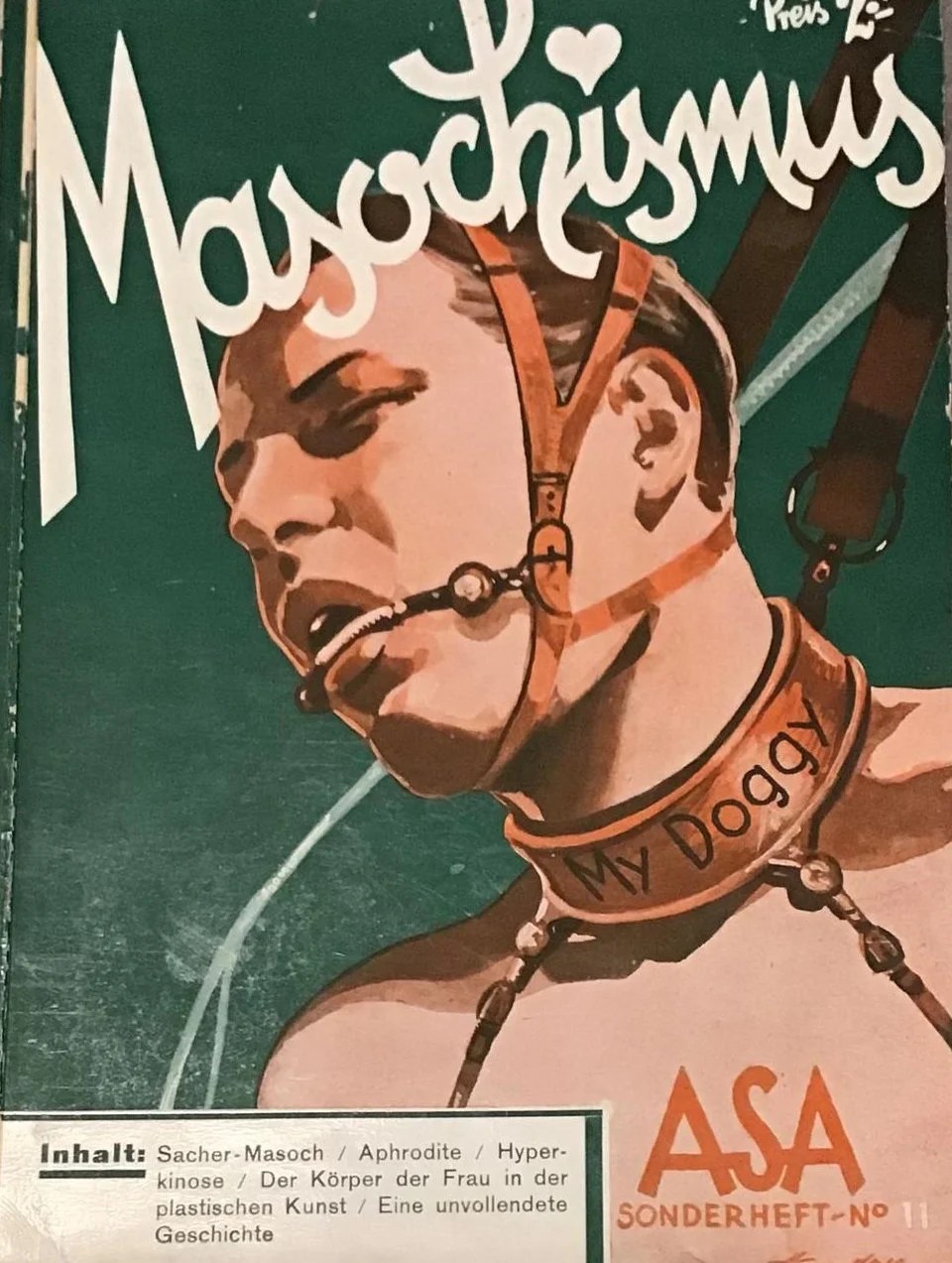
In 1926, Schertel began intensive work as a researcher, writer, and publicist. He published two magazines, Soma and Asa, which focused on erotica and the occult. Additionally, he authored several books under Parthenon-Verlag in Leipzig, many of which included nude photographs taken by Schertel himself.
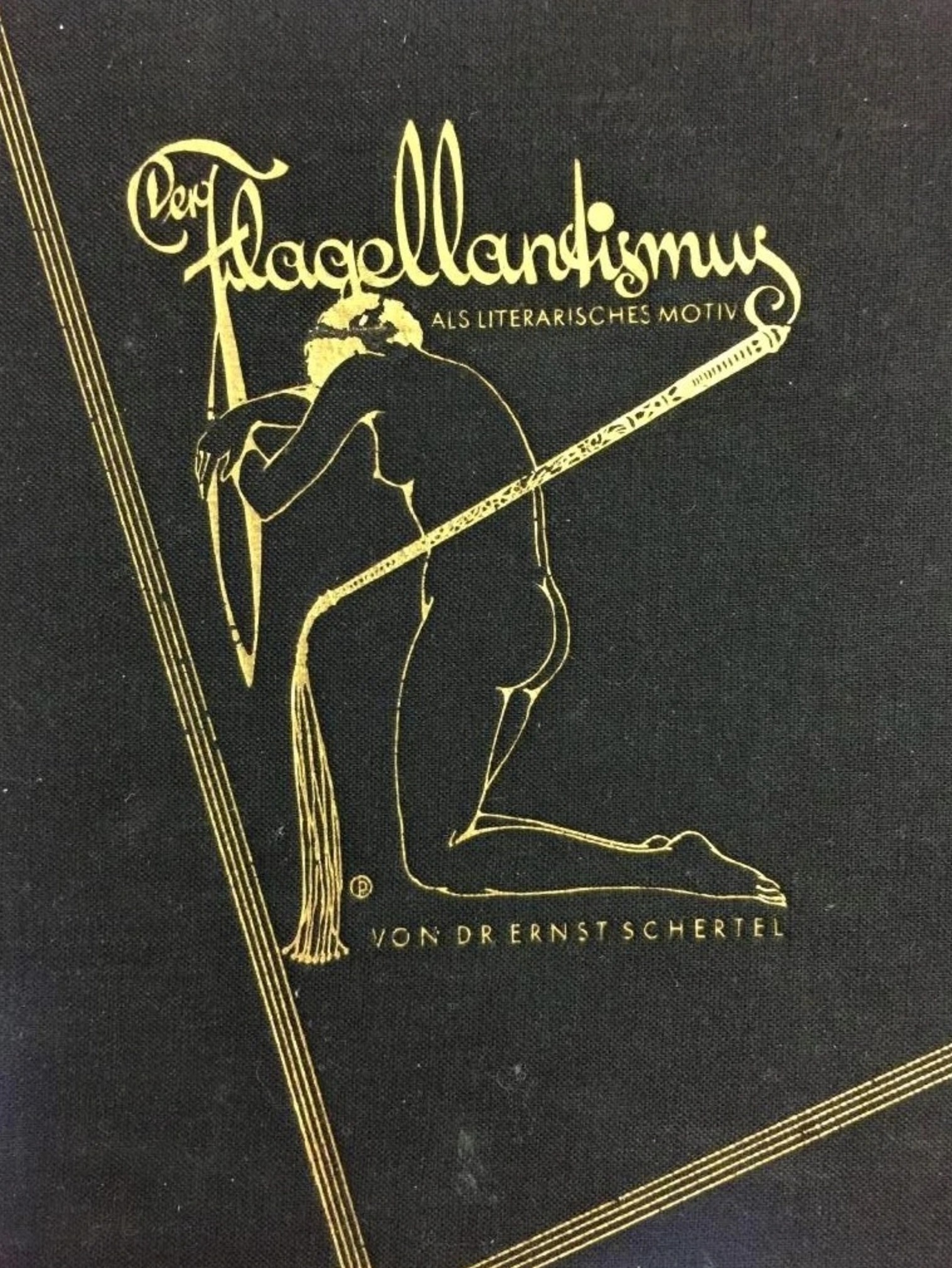
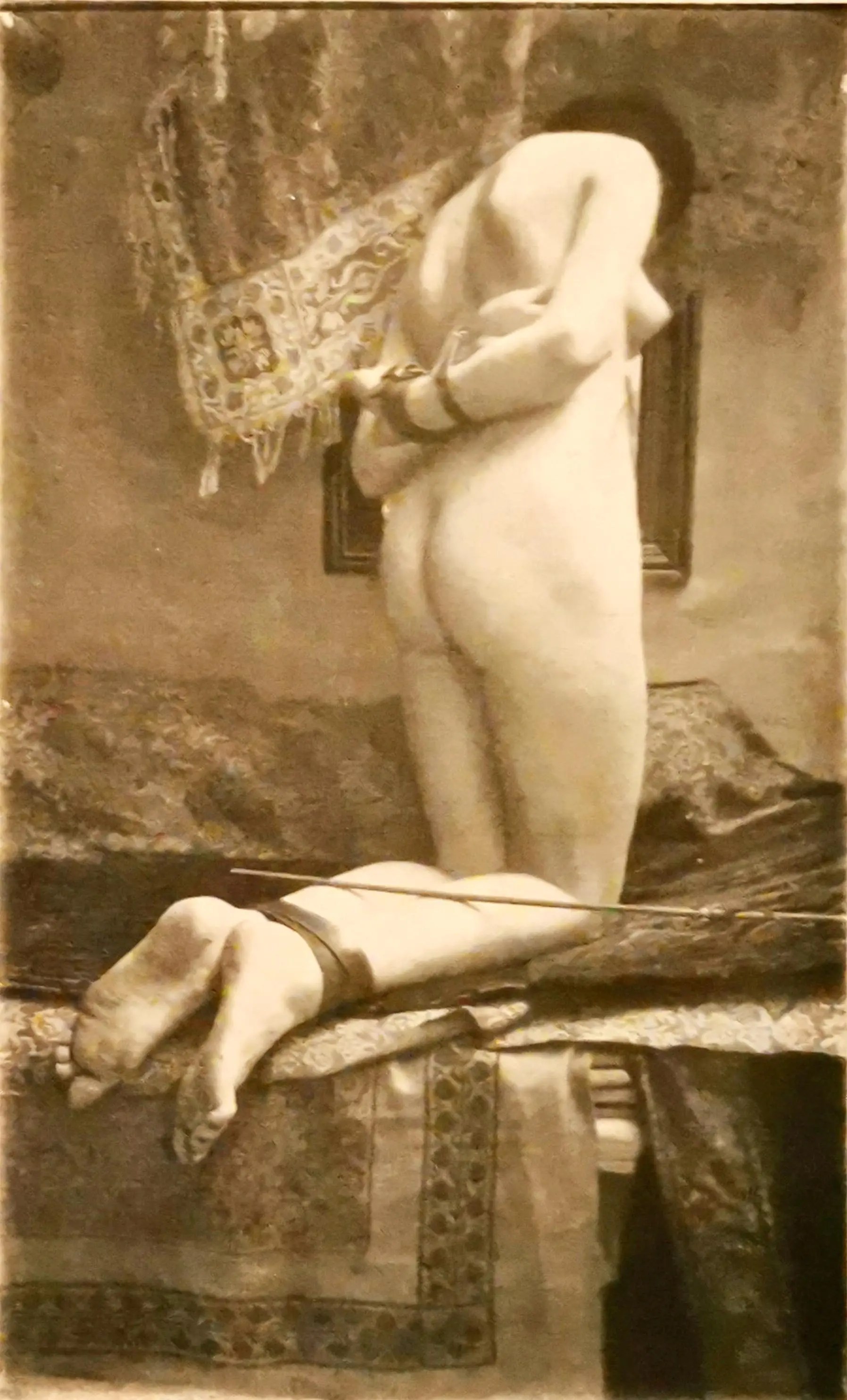
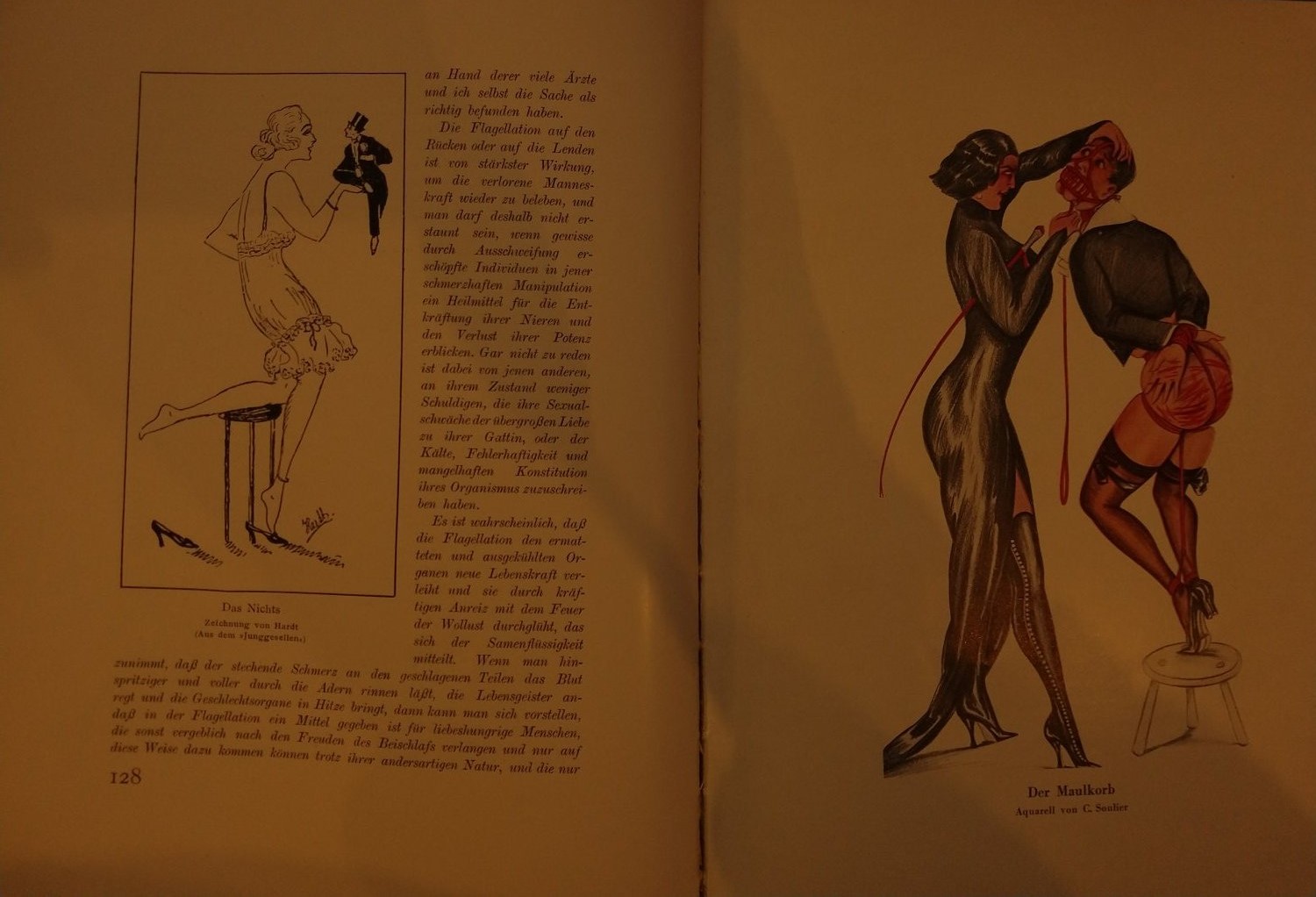
Parthenon-Verlag was a key player in disseminating Schertel’s work. It was described as “perhaps the most daring and erotically conscious promoter of Nacktkultur until 1933.” From 1929 to 1932, he published his magnum opus, Der Flagellantismus als literarisches Motiv, a detailed exploration of the motif of flagellation (with a strong focus on spanking) in art and literature.
Notable Publications
Schertel’s extensive body of work includes:
- 340 mal “Thema eins” in Wort und Bild. Sitte und Sünde. Eine Sittengeschichte im Querschnitt (1930, reprint in 1967)
- Der Flagellantismus als literarisches Motiv (1929–1932)
- Der Flagellantismus in Literatur und Bildnerei (1957)
- Der Komplex der Flagellomanie (1930, reprint in 1970)
- Flagellantismus und Gesetz. Eine Kampf- und Verteidigungsschrift (1931)
- Der erotische Komplex. Untersuchungen zum Problem der paranormalen Erotik in Leben, Literatur und Bildnerei, Pergamon (1932, reprint ca 1970)
- Fetisch und Fantasie (1933, reprints ca 1968 and 1980)
During this period, Schertel, alongside Parthenon-Verlag and supported by figures like Magnus Hirschfeld and Fedor von Zobeltitz, fought against the censorship of erotic subjects in publications. He corresponded with prominent psychoanalysts such as Sigmund Freud and Wilhelm Stekel and delivered speeches at conferences.
Der Komplex der Flagellomanie
One of Schertel’s most notable works, Der Komplex der Flagellomanie, explores the psychology behind flagellation. Originally published in two volumes in 1930 (and reprinted in a single volume in 1970 with inferior reproduction quality), the work is richly illustrated with black-and-white drawings and photographs. Schertel wrote this alongside Der Flagellantismus als literarisches Motiv, and the two works share much of the same material and theories.
Asa Magazine
Asa Magazine, published from 1901 to 1903, was one of the first periodicals to openly discuss topics such as sadomasochism, fetishism, and other forms of alternative sexuality. The magazine provided a platform for intellectual discourse on these subjects, often featuring articles, essays, and illustrations that explored the psychological and cultural aspects of sexual practices.
The magazine’s name, “Asa,” is derived from the German word for “he-goat,” which was sometimes used as a symbol of virility and sexual freedom. Asa Magazine played a crucial role in the early history of BDSM and fetish culture by providing a space for open discussion and exploration of these topics. Its contributions helped lay the groundwork for future research and understanding of alternative sexual practices.



Influence of WWII
Schertel’s scientific and publicistic activities came to an abrupt halt in 1933 with the rise of the Nazi regime. He fled to Paris but returned to Germany in 1934, where he was arrested on charges of publishing obscenity. He was sentenced to seven months in prison, and all of his works, along with those of Parthenon-Verlag, were placed on the index of forbidden media by the Nazi government.
In 1937, the University of Jena revoked his doctorate. Until the end of the Nazi era, Schertel earned a living as a lecturer and proofreader of “harmless” fiction.
After World War II, Schertel, then 61 years old, resumed writing but with less success and primarily on esoteric topics and religious history. His attempts to publish anything explicitly sadomasochistic failed due to the prudish climate of post-war Europe. However, he managed to publish a revised edition of his magnum opus under the title Der Flagellantismus in Literatur und Bildnerei (1957). This new edition was only available by subscription for personal and scholarly use, not for the general public.
Schertel passed away on January 30, 1958, from a heart attack.
Legacy
Schertel was one of the first individuals in history to take a serious scientific interest in spanking literature and art. In the 1920s, he tirelessly collected material on this subject, sorting and categorizing it to develop his own theories explaining the various observed characteristics and phenomena.
While Schertel’s scientific conclusions are often considered merely “semi-scientific,” his greatest contribution was his fearlessness in publishing explicitly sexual and paraphilic subjects despite the looming threat of social and legal repercussions. His largely objective discussion of the BDSM/spanking culture of his time, coupled with his fight for free speech and artistic expression, helped these cultures and their artistic and literary expressions achieve broader acceptance in parts of society.
Little is known about Schertel’s private life, and it is unclear whether he himself was a fetishist, sadomasochist, or spanking enthusiast. His books maintain a distant and analytical perspective, though the intensity of his research into these subjects suggests a strong personal interest.
Ernst Schertel’s legacy endures as a pioneer in the study of BDSM and fetishism. His courage in exploring and publishing on taboo subjects has left an indelible mark on the history of sexual research and culture. For those interested in the intersection of art, literature, and sexuality, Schertel’s work remains a vital resource and a testament to the power of intellectual curiosity and freedom of expression.