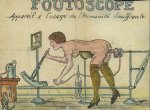
The story Venus in Furs (originally Venus im Pelz) is a tale that quickens the heart of many FemDom enthusiasts. The book was written by Leopold von Sacher-Masoch and is his most famous work. The story is part of a series titled Das Vermächtniß Kains (The Legacy of Cain). Venus in Furs was included in Love, the first part of this series, published in 1870.Various elements such as female dominance, sadomasochism, and character inspiration are strongly drawn from Sacher-Masoch’s own life. Wanda von Dunajew, the central female character in the novel, was inspired by Fanny Pistor, an emerging literary writer. The two met when Pistor contacted Sacher-Masoch (using the fictitious title Baroness Bagdanoff) to seek suggestions regarding her writing style.
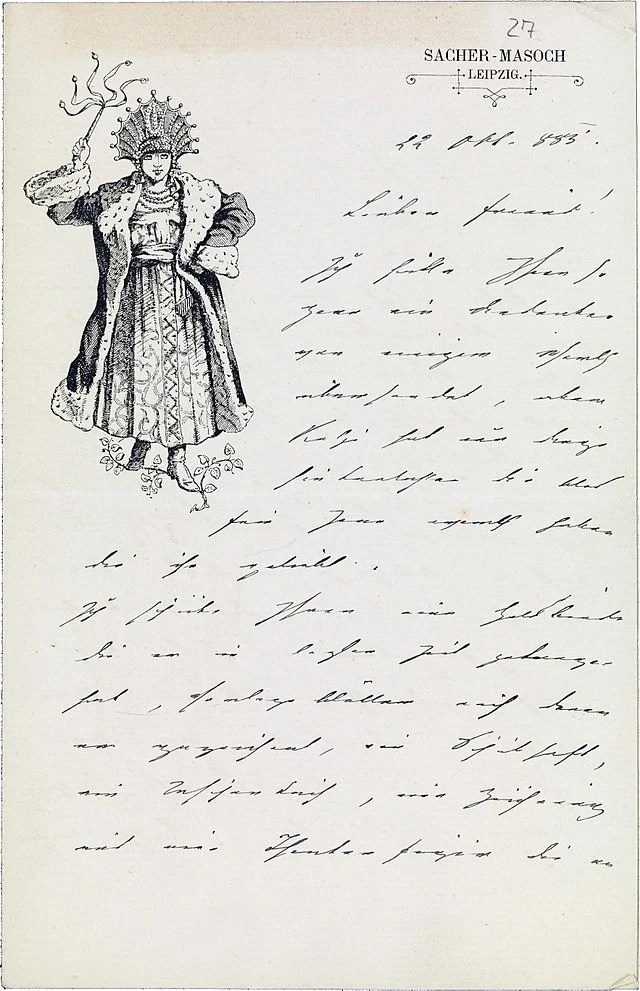
For my vintage BDSM art website, I conducted research into illustrations used for this story. This led me to discover a letter written in 1883 by Sacher-Masoch, featuring a sketch on the letterhead of a dominant woman holding a whip.Vintage Bdsm Art
Illustrated books (all art can be viewed on Vintage Bdsm Art)
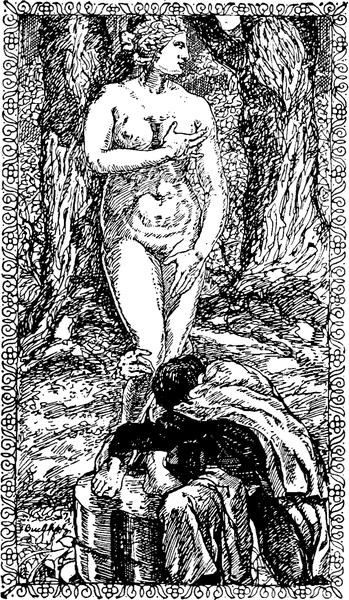
- Venus im Pelz (1920/1921) with illustrations by Fritz Bucholz
- Xiega Balwochwalcza (1920) illustrated by Bruno Schulz. (it’s mentioned Xiega Balwochwalcza was Schulz’s interpretation for Venus in Furs)
- Venus in Furs (1928) was illustrated by Charles Raymond
- In 1954 Suzanne Ballivet illustrated Venus aux Fourrure
- Salvator Dali also created illustrations for Venus aux Fourrures published in 1969
The story revolves around a man who dreams of conversing with Venus while she wears fur. The nameless narrator shares his dream with a friend, Severin, who advises him to free himself from his fascination with cruel women by reading the manuscript Memoirs of a Suprasensual Man.This manuscript tells the story of a man, Severin von Kusiemski, who becomes so obsessed with a woman (Wanda von Dunajew) that he asks to become her slave. He encourages her to humiliate him. Initially, Wanda does not understand his request, but after amusing herself with him for a while, she discovers that the benefits of this dynamic pique her interest, and she embraces the idea, while simultaneously blaming Severin for leading her to it.Severin describes his feelings during these extraordinary moments as supersensual. Severin and Wanda travel to Florence, and along the way, Severin adopts the name of a Russian servant, ‘Gregor,’ stepping into the role of Wanda’s servant. Wanda treats him very harshly and hires a trio of African women to dominate him.The relationship reaches a crisis when Wanda meets a man to whom she wishes to submit, a Byronic hero known as Alexis Papadopolis. By the end of the book, Severin, humiliated by Wanda’s new love, loses his desire to submit to her any longer.
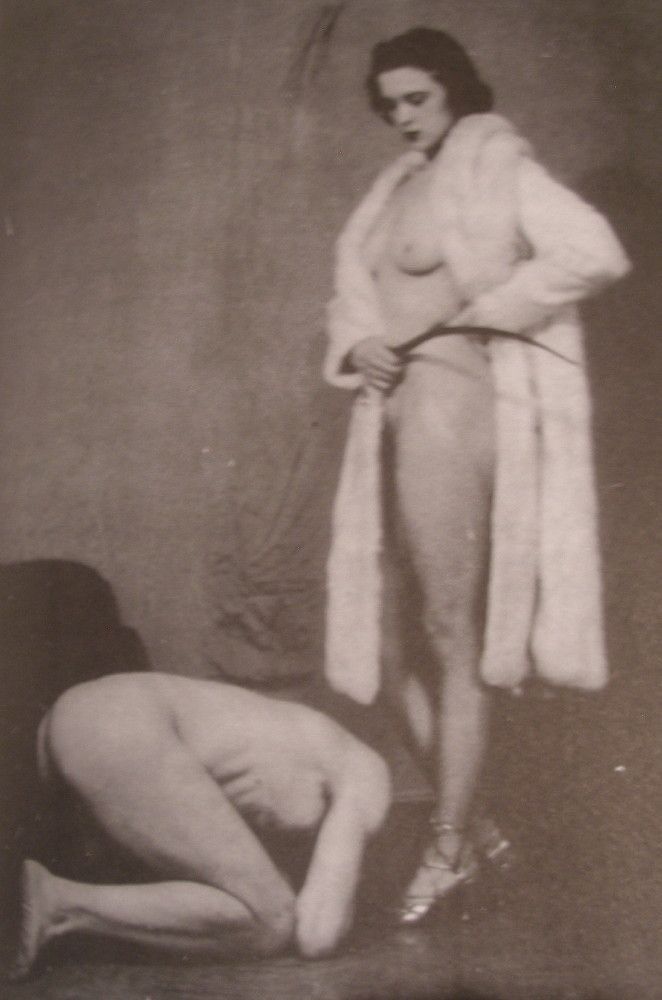




Venus in Furs inspired theater and filmmakers:
- In 1967, The Velvet Underground released their debut album (The Velvet Underground & Nico), featuring the song “Venus in Furs,” which references several plot twists from the story.
- In 1967, Joseph Marzano released a film starring Barbara Ellen.Vintage Fetish & Fashion
- Massimo Dallamano released the Italian film Venere in pelliccia in 1969, previously leased in Germany under the title Venus im Pelz (1969).
- In 1985 the German movie Verführung: Die grausame Frau was released
- A stunning black-and-white version was released in 1995 by Maartje Seyferth and Victor Nieuwenhuijs.IMDB
- In the drama film Velvet Goldmine (1998), a fictional band named Venus in Furs performed.
- Steve Tanner adapted the story for the theater, premiering in 2004 at the Sacred Fools Theater Company as part of the ‘Get Lit’ series.
- The English Doom Metal band Electric Wizard included a song titled “Venus in Furs” on their album Black Masses (2010).
- David Ives, inspired by the story, released a play set in modern times in 2010, premiering at the Classic Stage Company in New York with Nina Arianda and Wes Bentley as leads.
- In 2013, Roman Polanski used the story (under the original French title La Vénus à la fourrure) for a film, based on Ives’ play. The film premiered at the Cannes Film Festival in 2013 and won the Best Director award in January 2014.
- Steven Severin, co-founder of the band Siouxsie and the Banshees, adopted the name Severin from the character in Sacher-Masoch’s novel.