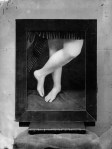
Giacomo Casanova (1725 – 1798), the infamous 18th-century Venetian adventurer, is synonymous with seduction, intrigue, and a life lived on the edge. His memoir, Histoire de ma vie (Story of My Life), is more than just a recounting of romantic conquests—it’s a vivid window into the Enlightenment era, brimming with wit, audacity, and a touch of roguish charm. For readers of this blog, this literary gem offers a thrilling blend of history, personality, and unapologetic storytelling.
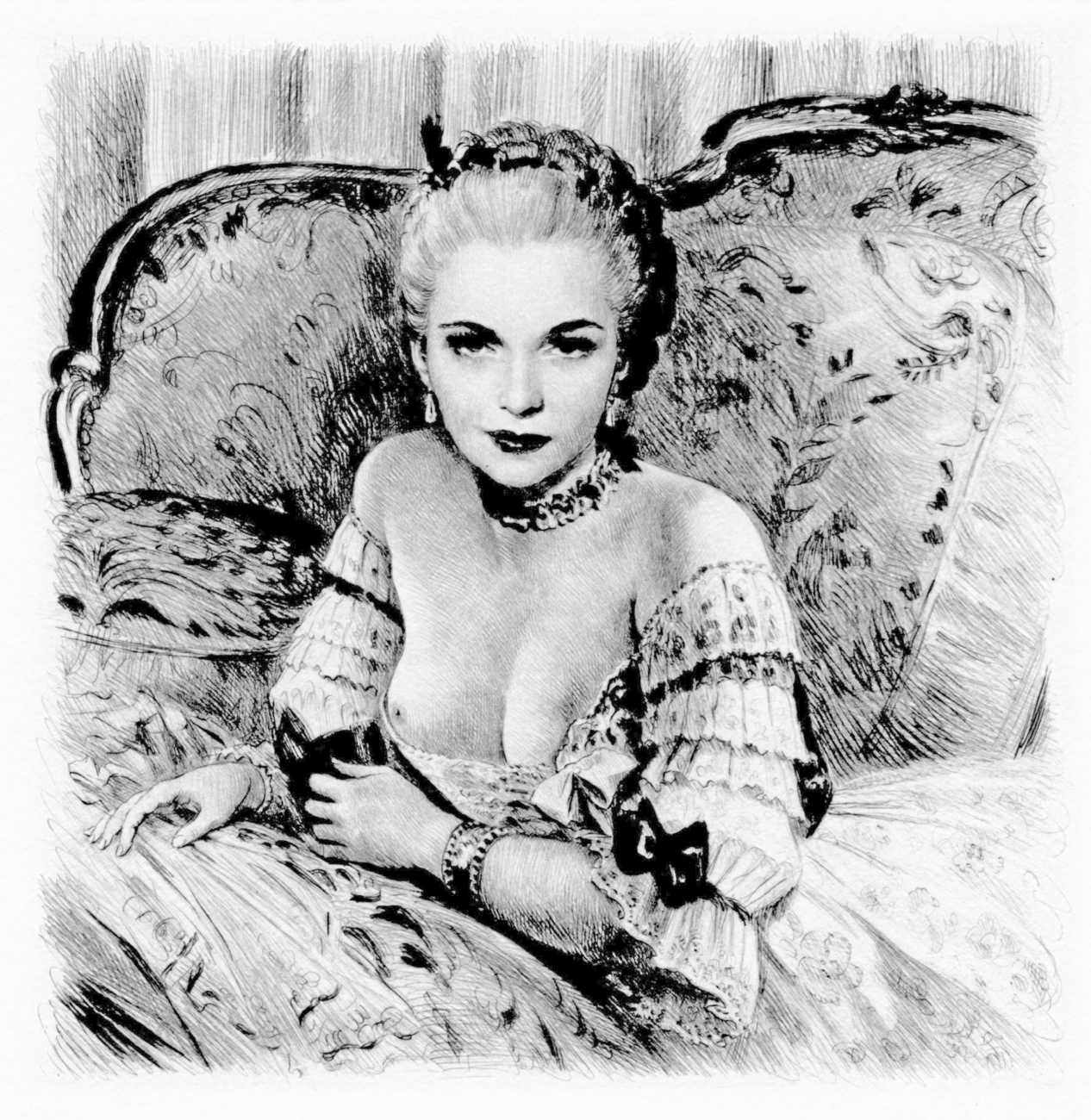
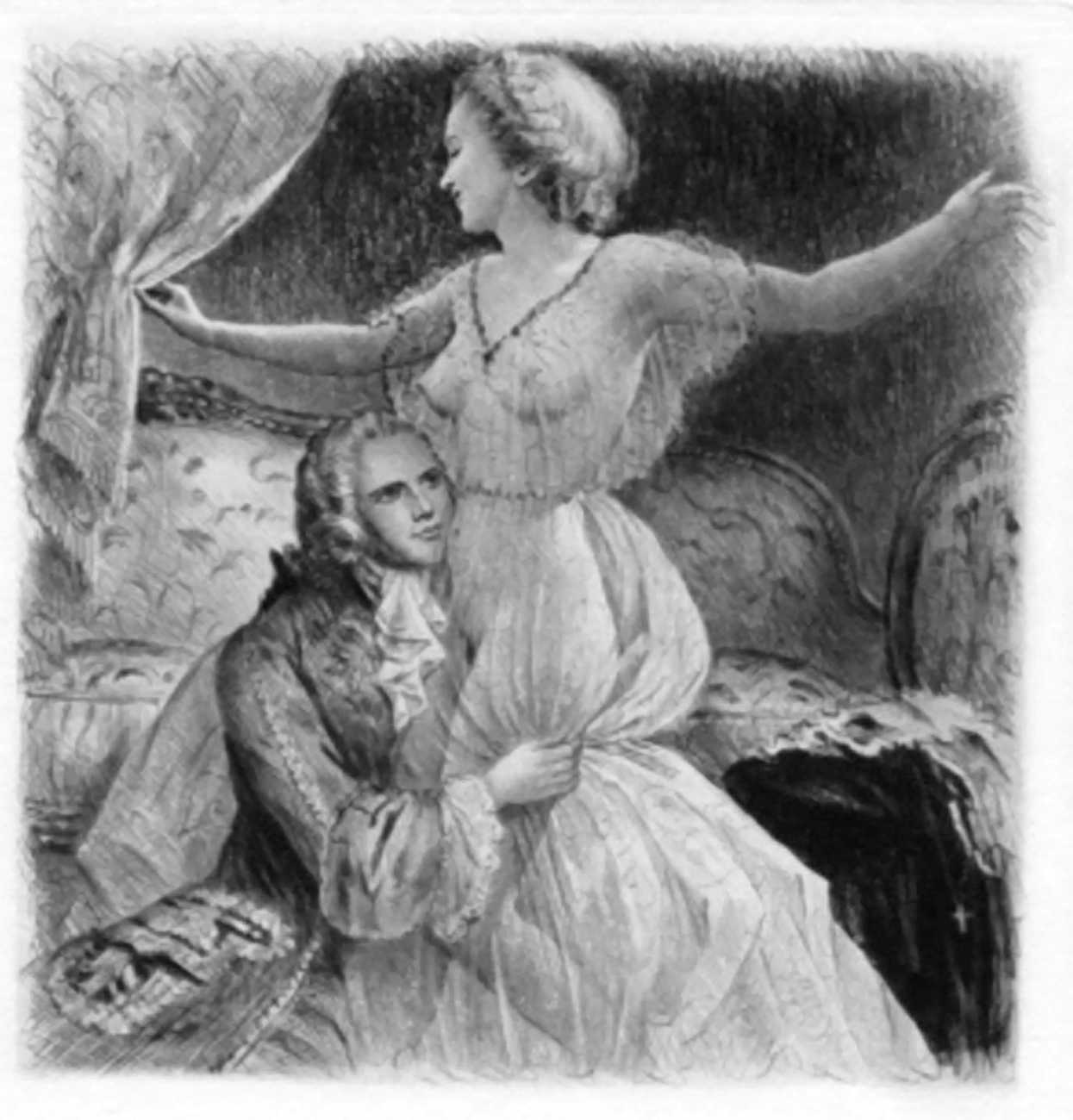
The artwork above was shared by me on FetLife in 2018, this time I want to do a little more then just share an artwork.
So let me enlighten you with some more insight about Casanova and his memoir.
Giacomo Casanova was a man of many faces: libertine, gambler, writer, spy, and even a sometime alchemist. His memoir, written in French and spanning twelve volumes, chronicles his adventures across Europe’s courts, salons, and bedrooms. Casanova, who often misrepresented himself as an aristocrat, used a variety of pseudonyms, including Baron or Count of Farussi (his mother’s maiden name) and the invented title Chevalier de Seingalt.
After he began writing in French, following his second exile from Venice, he often signed his works as “Jacques Casanova de Seingalt. In his autobiography, Casanova reports encounters with popes, cardinals, and monarchs, as well as with major intellectual and artistic figures such as Voltaire, Goethe, and Mozart.
The most notorious aspect of Casanova’s career are his many complicated sexual affairs with women, stretching from his early adolescence to his old age, which he described in detail in his autobiography. As a consequence of this, Casanova’s name has become a byword for a male seducer and libertine, like “Lothario” or “Don Juan”. Wikipedia
What makes the memoir stand out is Casanova’s unfiltered voice. He writes with a disarming honesty, detailing not only his triumphs but also his failures, imprisonments, and moments of vulnerability. Whether he’s escaping from a Venetian prison or charming his way into a noblewoman’s heart, Casanova’s storytelling is as seductive as his reputation suggests.
That must have been inspiring for artists who created illustrations to be published in his endlessly republished memoirs.
Casanova’s memoir isn’t just a relic of the past—it’s a story that speaks to universal themes. His relentless pursuit of pleasure, his defiance of convention, and his knack for reinvention resonate with modern readers navigating their own quests for identity and meaning. Beyond the scandalous tales of seduction, Histoire de ma vie is a meditation on freedom, ambition, and the human condition.
Une aventure d’amour à Venise with illustrations by Gerda Wegener (1886 – 1940), published in 1927HonestErotica

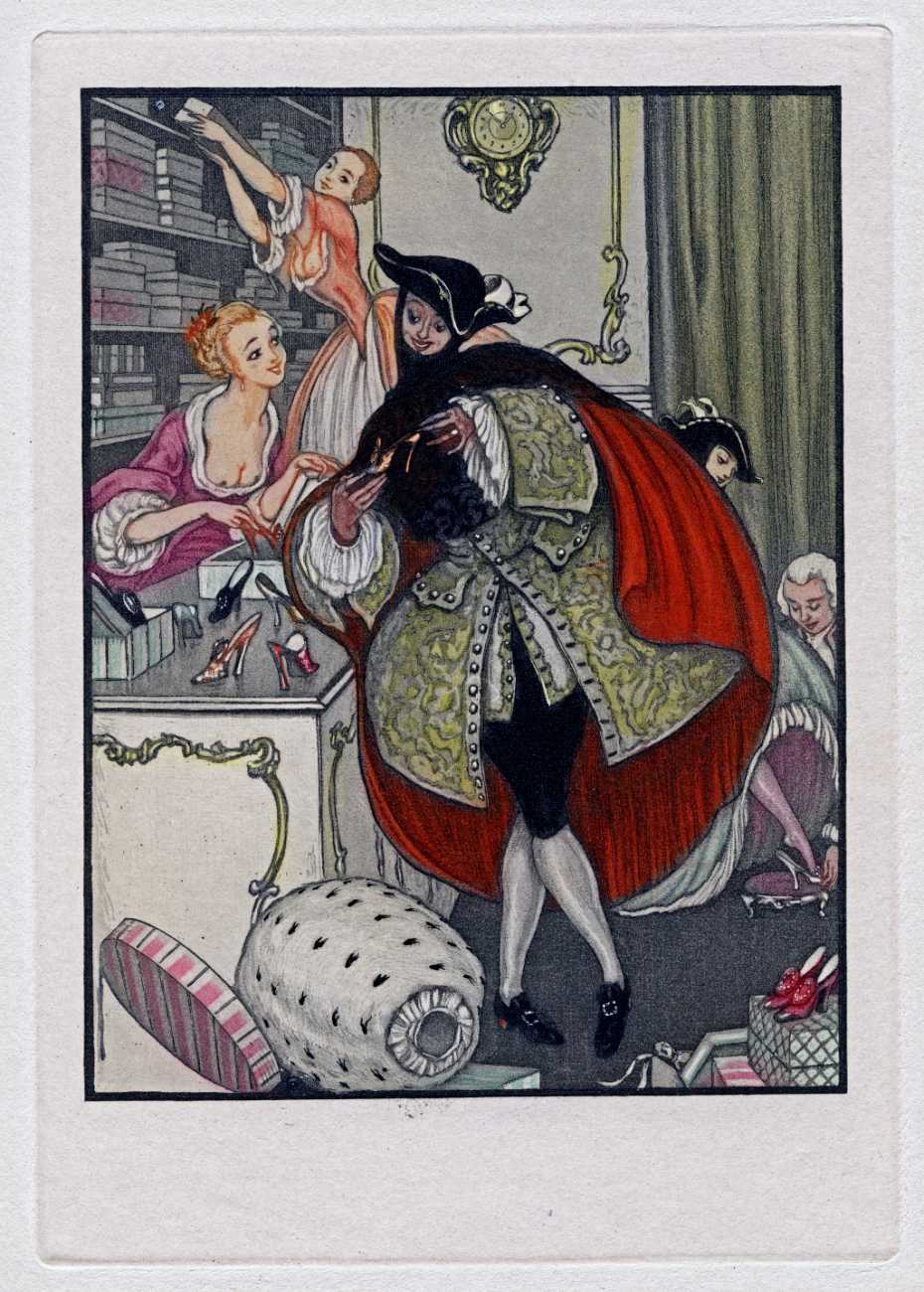

Mémoires de Casanova with illustrations from Auguste Leroux (1871-1954), published in 1931HonestErotica


Mémoires de Casanova with illustrations from André Collot (1897 – 1976), published in 1932HonestErotica


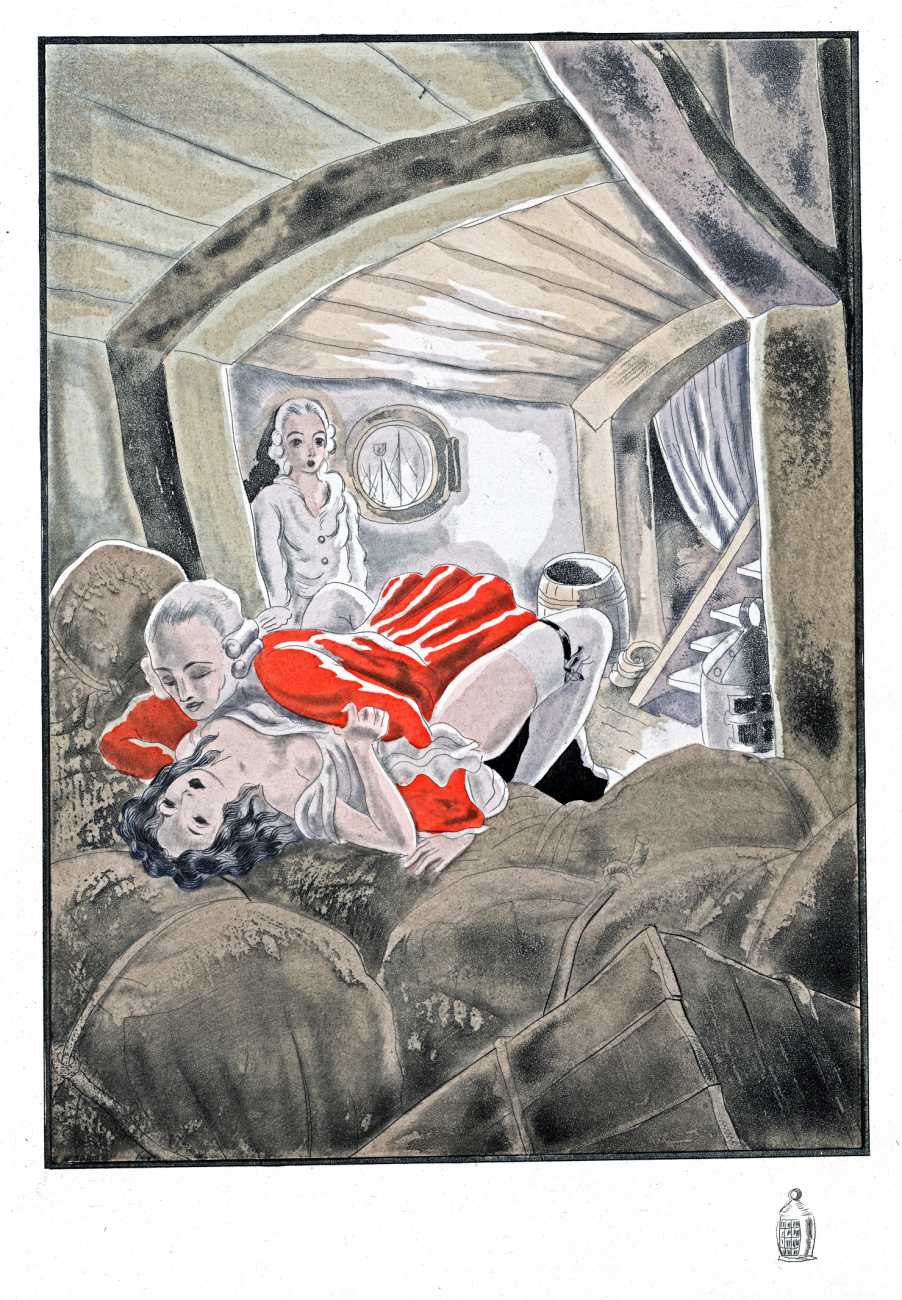
Mes amours à Venise with illustrations by Paul Emile Becat (1885 – 1960), published in 1954HonestErotica