In the early 20th century, when scientific studies of sexuality were still often overshadowed by morality and censorship, a remarkable work appeared in 1913 from Verlag Albert Langen in Munich: Die Weiberherrschaft in der Geschichte der Menschheit.
This richly illustrated book (two main volumes plus a supplement) examines the history of female dominance (in German “Weiberherrschaft”) across the centuries. It combines historical analysis with an impressive collection of images, largely drawn from the private collection of Eduard Fuchs. While earlier posts on this site delve into pioneers such as Ernst Schertel or classics like Venus im Pelz, Die Weiberherrschaft offers a broader cultural-historical perspective: a visual and documentary foundation for the fascination with femdom themes in the history of BDSM.
Eduard Fuchs: Collector and Historian
Eduard Fuchs (1870–1940) was no ordinary writer. As an autodidact, Marxist cultural historian, caricaturist-collector, and political activist (he was imprisoned several times for his socialist writings and was involved with the Spartacus League and the early KPD), he built one of the largest private collections of caricatures, erotic art, and satirical prints. His best-known works (Illustrierte Sittengeschichte vom Mittelalter bis zur Gegenwart, Geschichte der erotischen Kunst, and Die Frau in der Karikatur) all demonstrate the same approach: a materialist, illustrative treatment of sexuality and power relations. Die Weiberherrschaft is not a purely literary work; the idea, concept, and text come from co-author Alfred Kind, but the hundreds of text illustrations and 90 plates (often erotically charged caricatures and artworks) were carefully selected and supplied by Fuchs himself. The book functions as a visual archive of matriarchal motifs, dominant women in myths, history, and popular culture.
Walter Benjamin, who knew Fuchs personally and devoted an essay to him in 1937, aptly called him “der Sammler und der Historiker” (the collector and the historian). In Benjamin’s view, Fuchs was a pioneer of a materialist approach to art: someone who, by collecting and ordering, revealed the hidden structures of culture.
The Structure and Content of the Work
Die Weiberherrschaft in der Geschichte der Menschheit does not confine itself to fiction, erotic fantasy literature, or isolated case studies. Instead, it presents a sweeping cultural-historical panorama that demonstrates how the theme of female rule – Weiberherrschaft – has been a persistent and recurring element in the human imagination across millennia. Alfred Kind traces this motif from ancient goddesses and legendary Amazon societies, through powerful female figures in medieval chronicles and courtly traditions, all the way to satirical and erotic caricatures of the 18th and 19th centuries. By doing so, the work frames female dominance not as a marginal aberration or modern invention, but as a deep-seated cultural archetype that reflects fundamental tensions in gender and power dynamics.
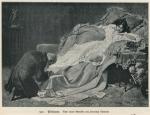
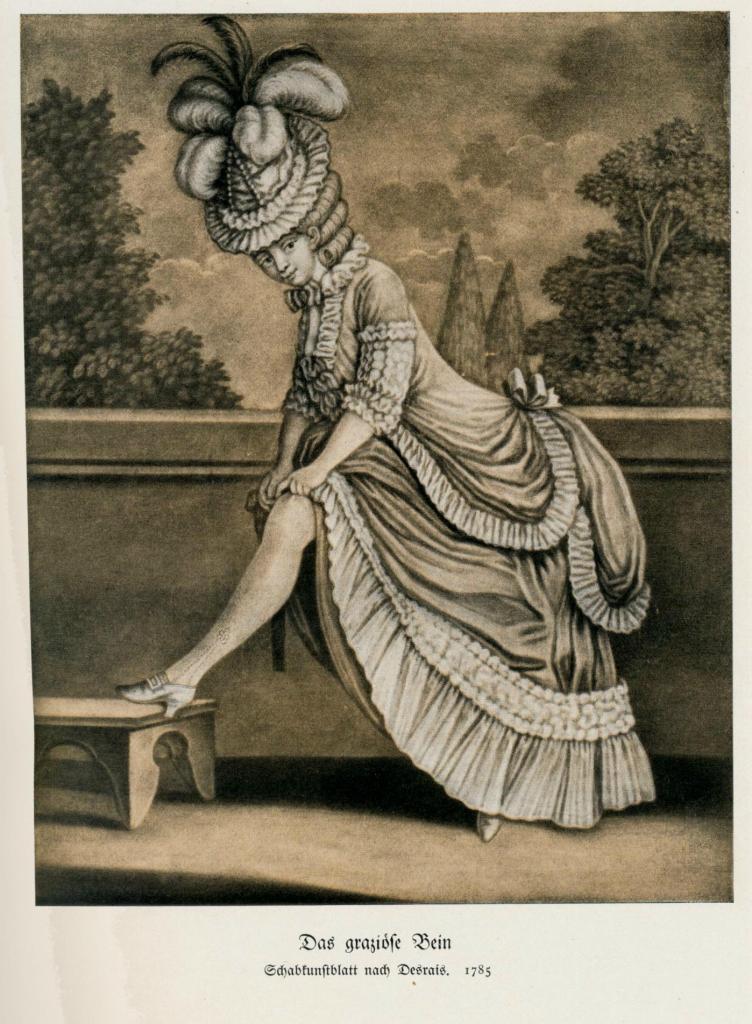
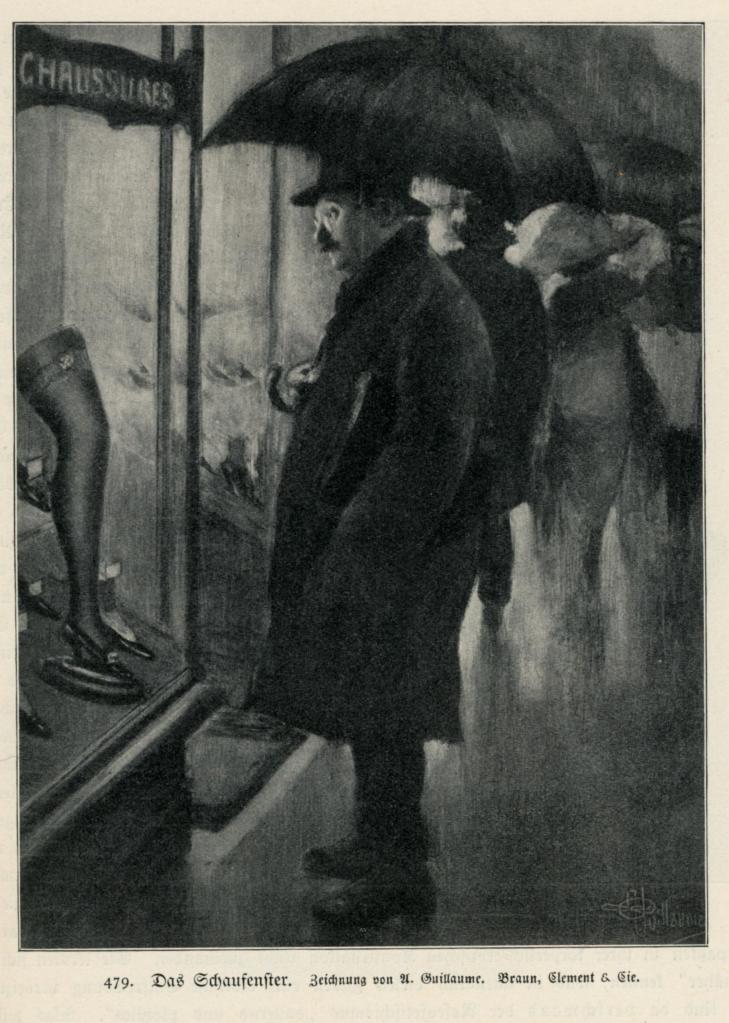
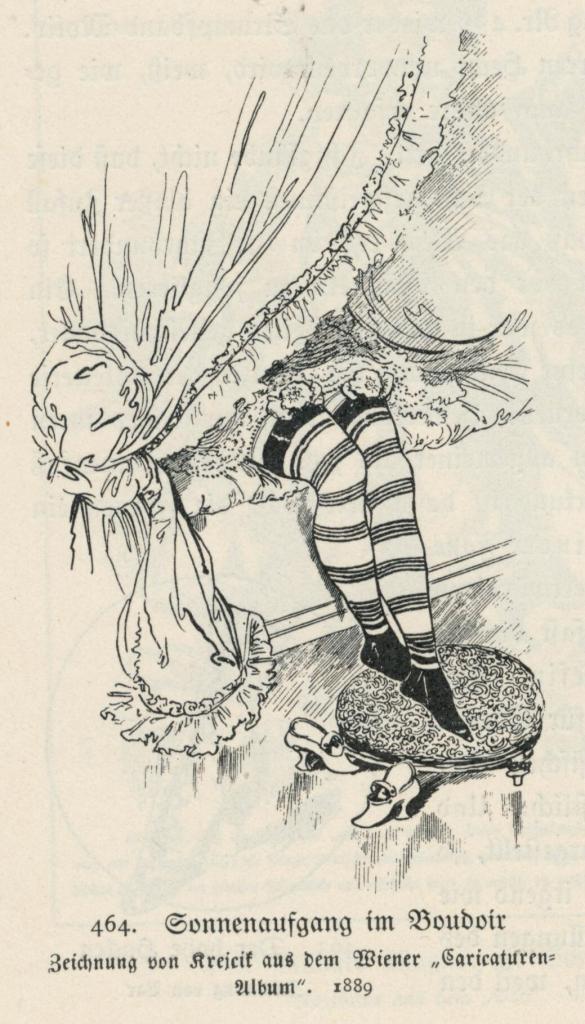
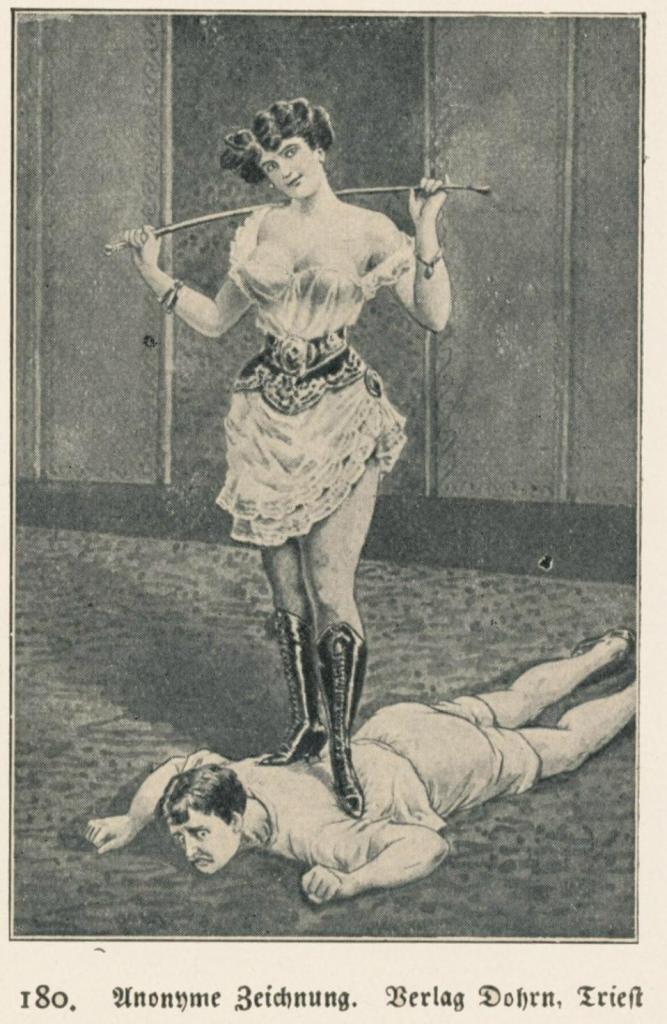
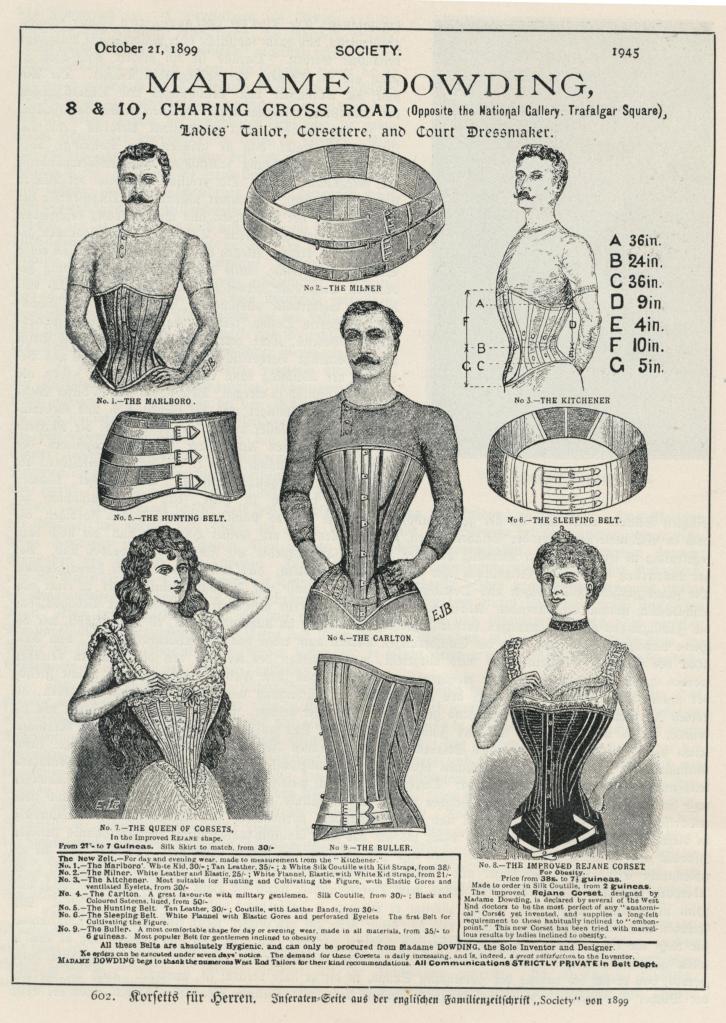
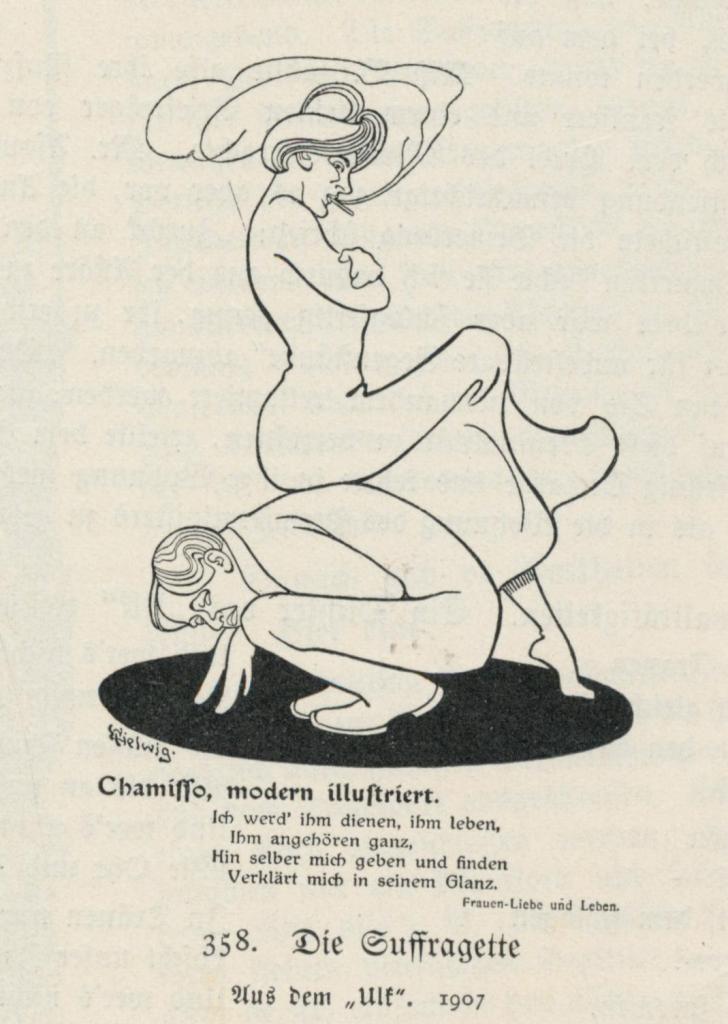
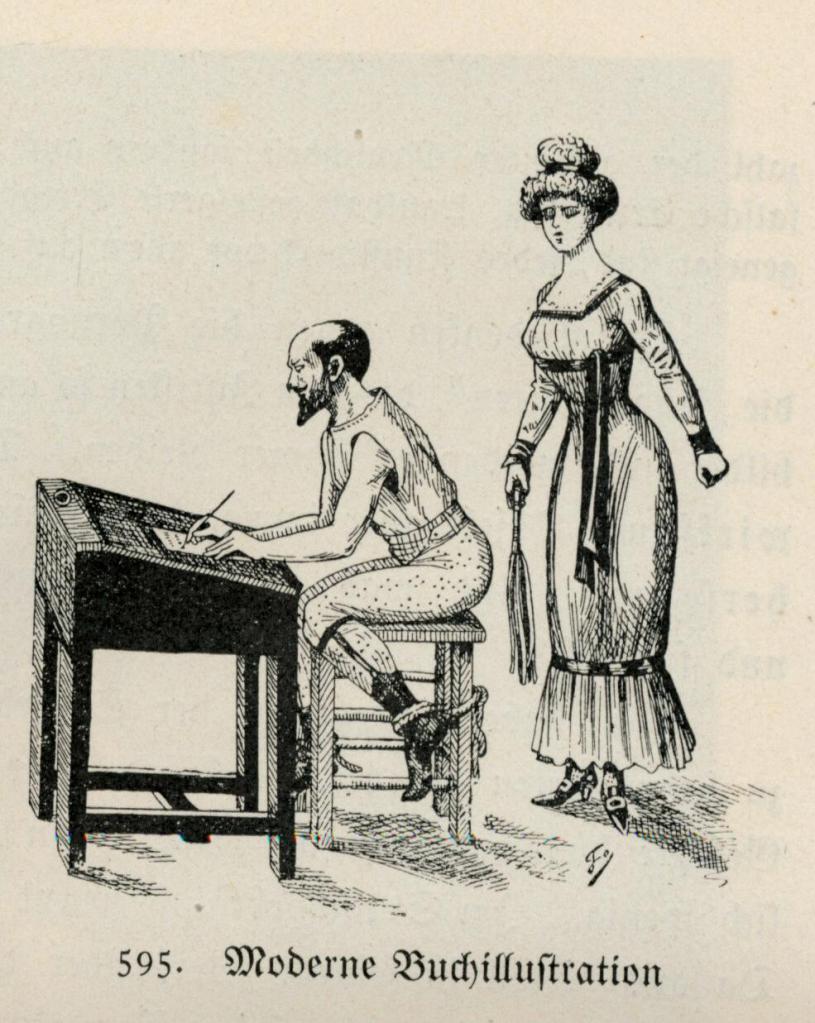
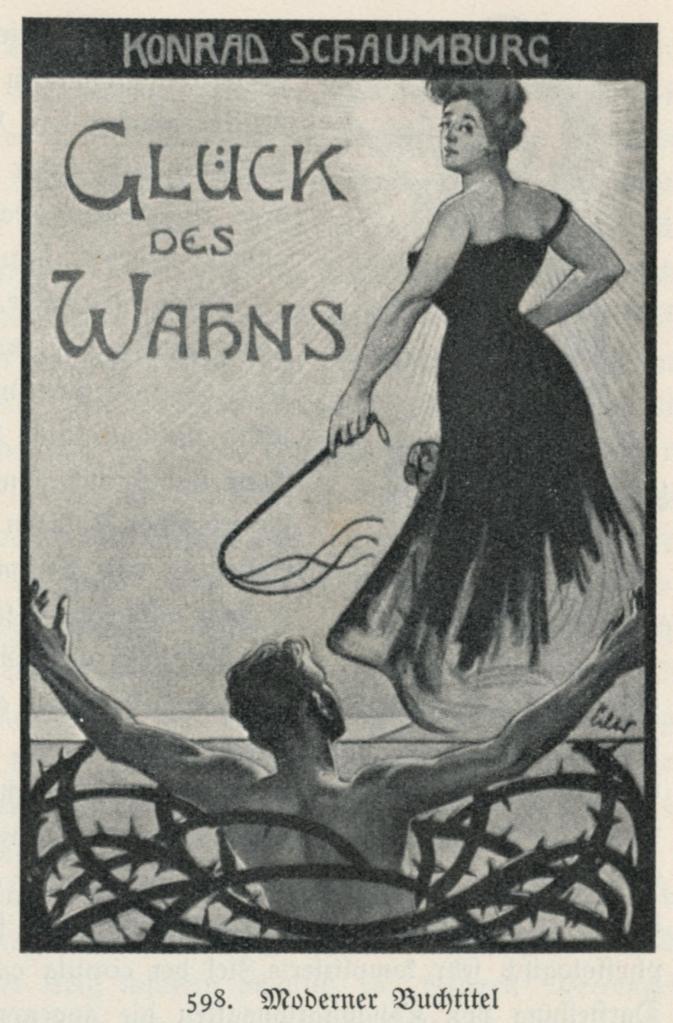
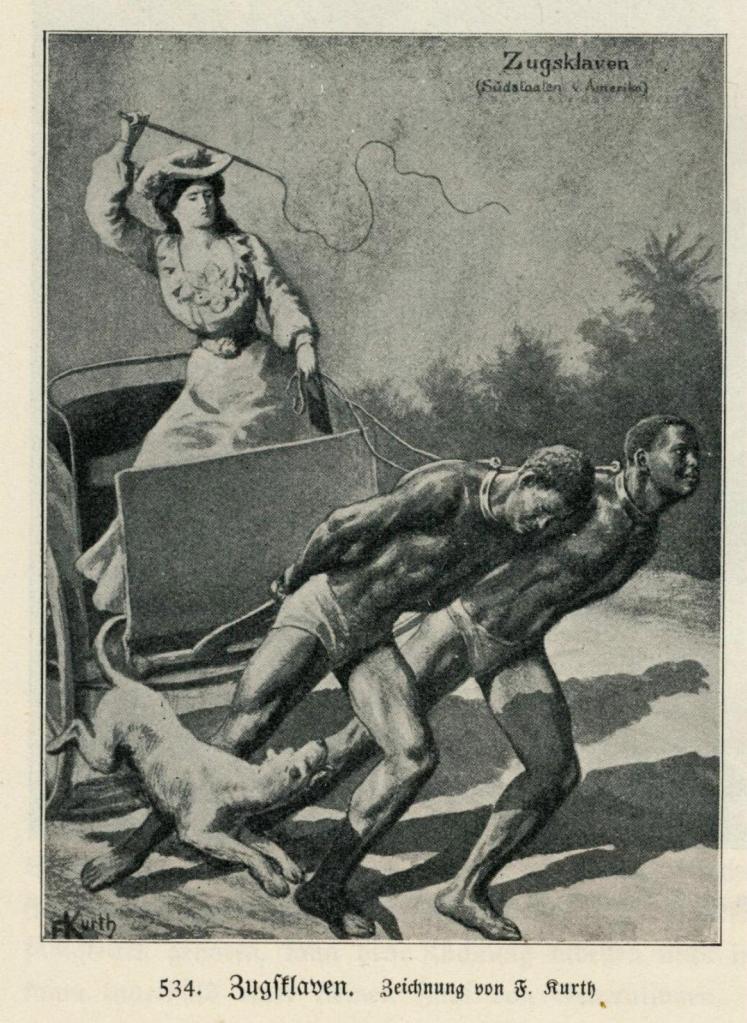
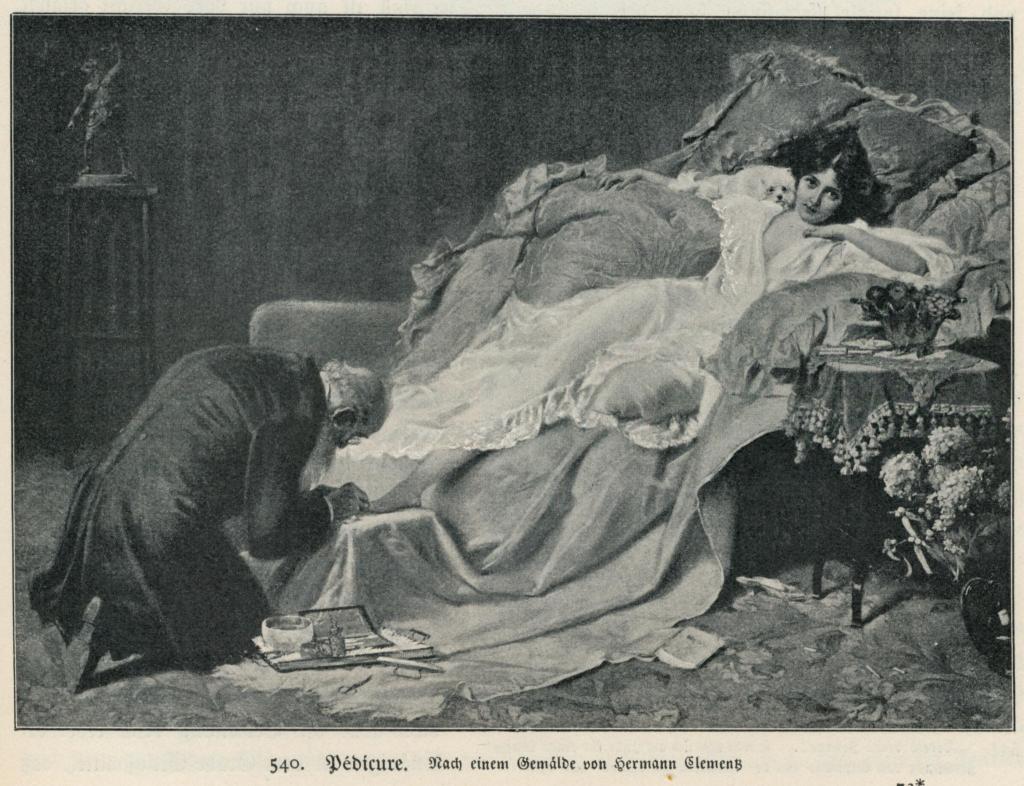
The hundreds of carefully selected illustrations, drawn primarily from Eduard Fuchs’ renowned private collection, form the heart of the publication. These images frequently heighten the erotic dimension of the subject matter: scenes of flagellation, ritualized submission, playful or serious power exchange, foot worship, and various fetishistic elements appear time and again. Such motifs are depicted in mythological contexts, historical anecdotes, folk art, and satirical prints alike. Precisely these visual and thematic elements, the interplay of dominance and submission, corporal punishment, and eroticized authority, would later move to the foreground in early 20th-century BDSM-related literature and sexological discourse, as seen in the writings of Ernst Schertel, in discussions around flagellantism, or in the case studies compiled by researchers such as Wörenkamp and others working in the emerging field of sexual science.
Kind’s textual analysis complements the visual archive by emphasizing the continuity of these drives beneath changing social and moral surfaces. Rather than treating female rule as a purely political or feminist question, the book explores its psychological and erotic undercurrents, presenting it as part of a broader spectrum of human sexual expression that transcends specific historical periods or cultural boundaries.
Alfred Kind: The Textual Foundation
While Eduard Fuchs provided the extensive visual material for Die Weiberherrschaft in der Geschichte der Menschheit, the conceptual framework, structure, and written text were the work of his co-author Alfred Kind (1876–1927). Kind was a German sexologist and cultural historian with a keen interest in the psychological and historical dimensions of sexuality. He approached the subject from a materialist and comparative perspective, aiming to demonstrate that certain sexual drives and power dynamics, including those involving female dominance, were remarkably consistent across cultures and eras.
In the 1913 edition, the publication explicitly states that “Idee, Entwurf und Text … stammen … von Alfred Kind. Die Illustrationen sind … von Eduard Fuchs besorgt worden.” (The idea, concept, and text originate from Alfred Kind. The illustrations were provided by Eduard Fuchs.) Kind’s prose forms the analytical backbone of the work. One of his most characteristic passages underscores the unchanging nature of core sexual psychology:
The inner sexual character of man is almost unchangeable and incapable of transformation. What changes are only the forms of expression of so-called sexual morality permitted in public life at any given time – forms which, by silent agreement, are often understood to mean sexual immorality… If we thus reveal the inner psychology of these drives, it will be recognized that they are the same in all times and places. As far back as human society reaches, we see sexual acts appearing in the same variations and with the same quality.
Alfred Kind
This view allowed Kind to frame female rule (Weiberherrschaft) not as a fleeting social anomaly, but as a recurring archetype deeply embedded in human culture, from ancient mythology and historical accounts to erotic caricature. Kind had previously contributed to sexological discourse and was at one point considered for co-authorship on other pioneering works in the field (such as with Magnus Hirschfeld), though that collaboration did not materialize. His partnership with Fuchs combined rigorous textual analysis with a rich visual archive, resulting in a unique hybrid publication that remains valuable for anyone studying the historical roots of femdom and BDSM-related themes.
Visual Archive of Female Dominance
What distinguishes Die Weiberherrschaft from purely academic works is the abundance of visual material. Fuchs used his collection not as decoration, but as evidence: the images demonstrate how societies throughout the centuries were fascinated by the reversal of patriarchal norms. The book thus touches on paraphilias and sexual power dynamics long before the term “BDSM” existed. For contemporary researchers and enthusiasts, it offers a treasure trove of primary sources showing that femdom is not a modern invention, but a deeply rooted cultural archetype.
Relevance to Historical BDSM Literature
In an era when many early erotic and sexological publications were lost or banned, Die Weiberherrschaft serves as a rare preserved visual document. It fits seamlessly with the other historical titles in this category: it provides not only context, but also inspiration for artists and collectors. Those who wish to delve deeper can consult the complete work (including the illustrations) via the Internet Archive, for artlovers I recommend the collection being shared on Vintage Bdsm Art.