Exploring Bondage and Exploitation in 1960s Cinema
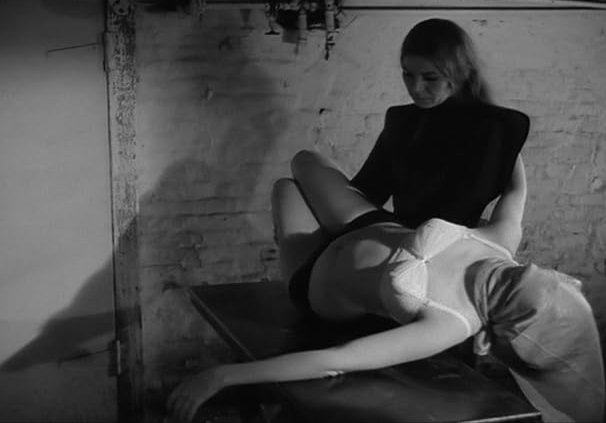
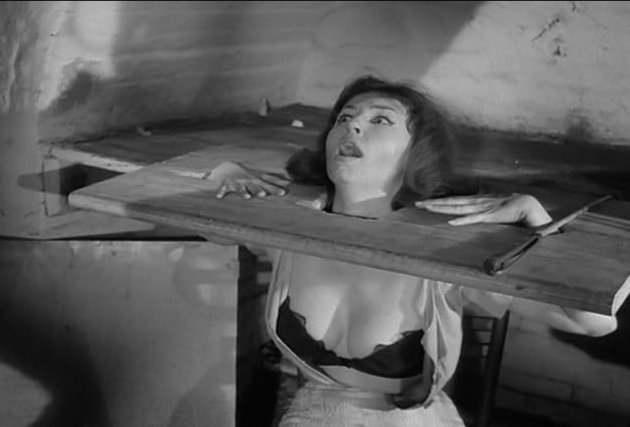
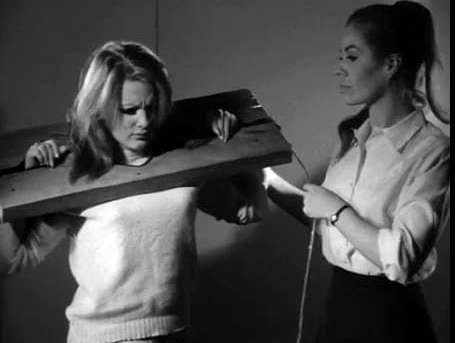
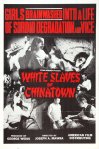
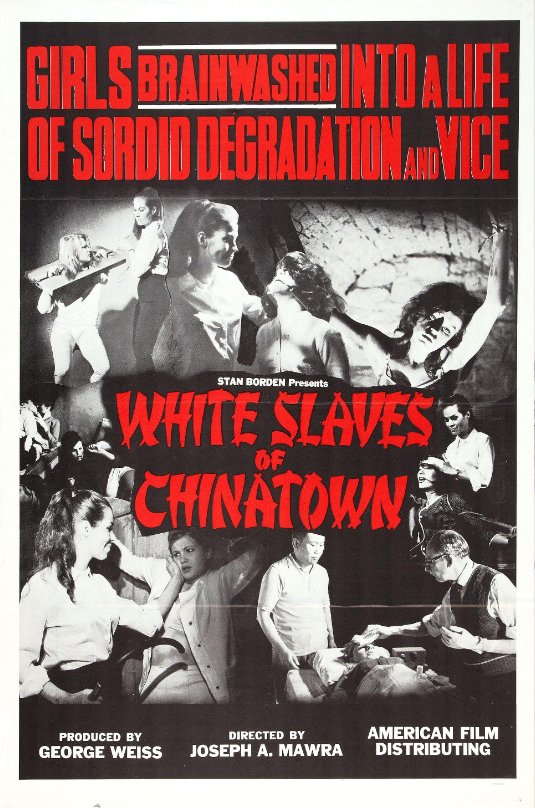
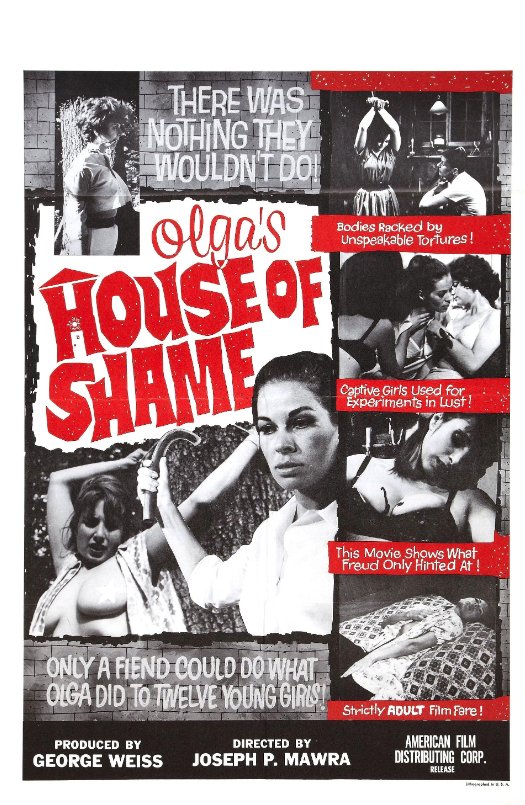
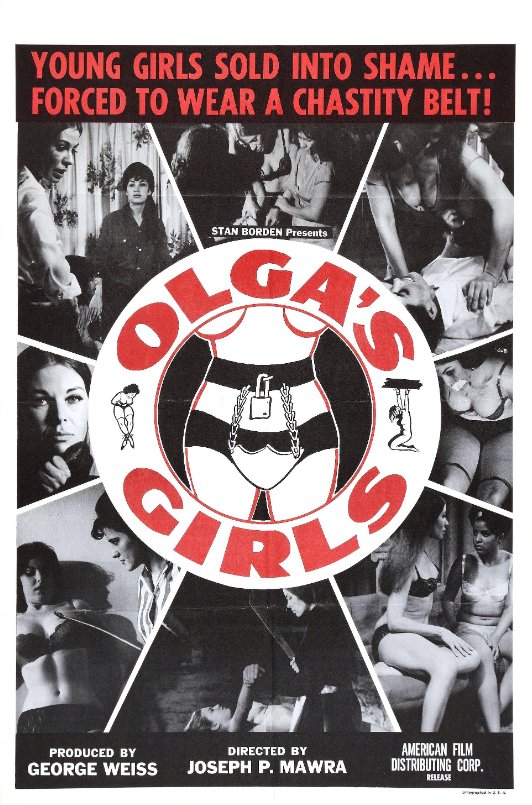
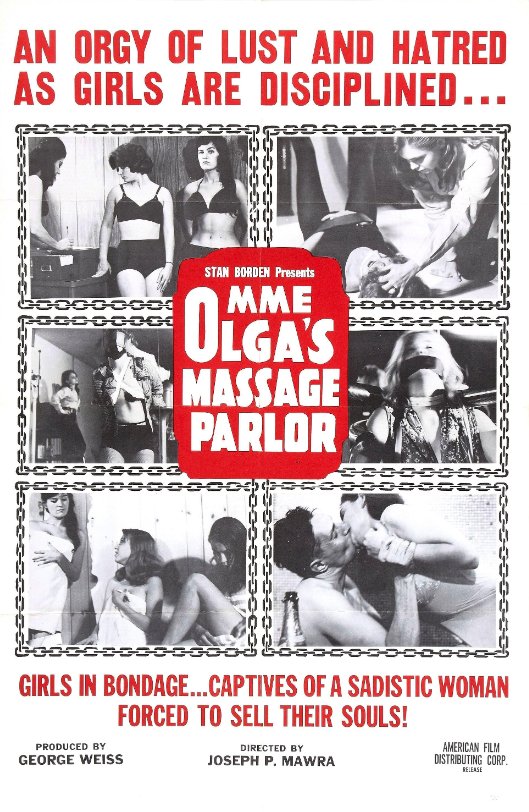
In the mid-1960s, director Joseph P. Mawra crafted a quartet of notorious cult films centered on Olga, a ruthless sadistic criminal who doubles as a drug-runner and brothel madame. The sensational titles alone were designed to draw crowds: White Slaves of Chinatown (1964), Olga’s House of Shame (1964), Olga’s Girls (1964), and Mme. Olga’s Massage Parlor (1965).
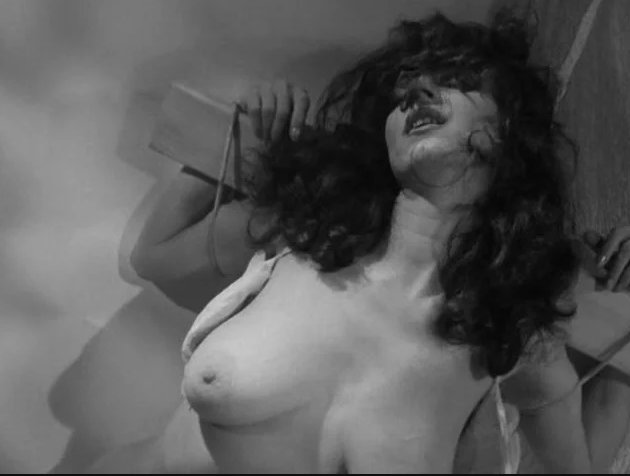
Yet the content pushed far beyond mere titillation. These black-and-white exploitation pictures brimmed with themes of bondage, torture, sexual violence, and forced drug addiction, suggestive rather than graphic, but shocking enough for their era to land them in repeated obscenity busts.
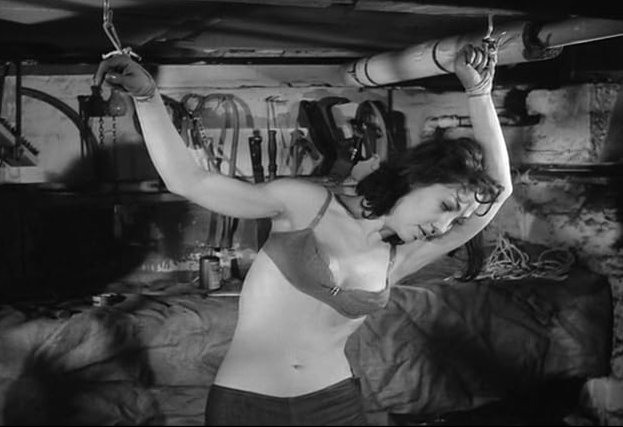
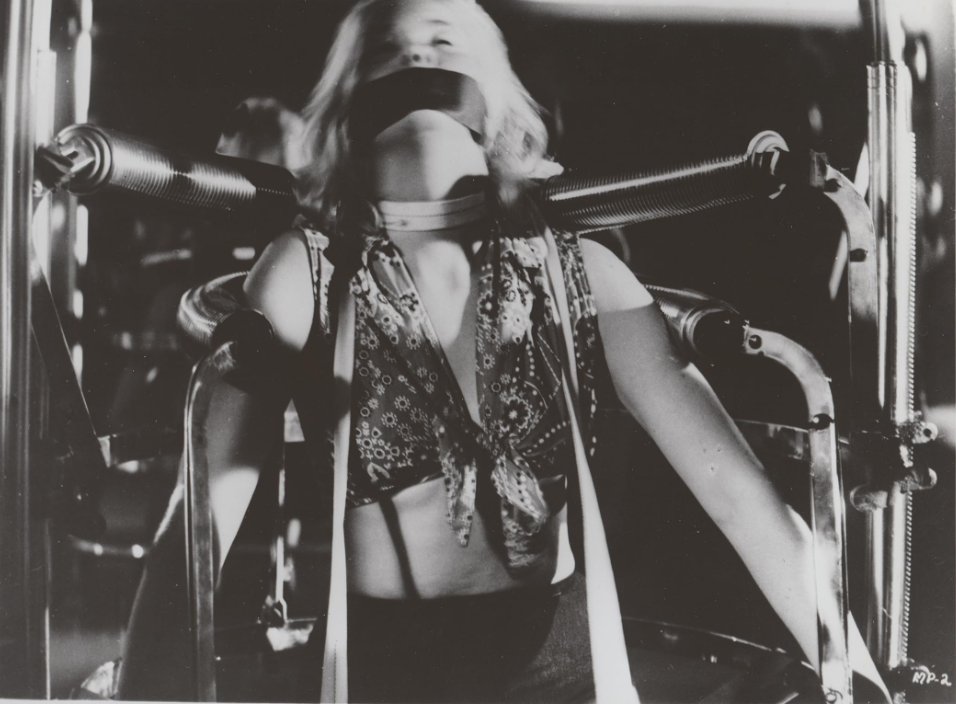
What set the series apart was its raw visual style: striking cinematography featuring disorienting camera angles, innovative low-budget setups (often improvised devices for S&M scenes), and a complete absence of on-screen dialogue. Instead, chilling voice-over narration drove the story, amplifying the eerie atmosphere. At the center stood Audrey Campbell’s commanding performance as Olga: cold, photogenic, and utterly dominant, making her one of the earliest iconic dominatrix figures in grindhouse cinema.
Produced by George Weiss (the same man who had backed Ed Wood’s Glen or Glenda?), the films were shot on shoestring budgets in just 4-5 days each, using small crews, real New York locations like Chinatown tunnels and basements, and a handful of models and dancers cast from trade ads.
They thrilled and outraged audiences in equal measure, premiering in seedy 8th Avenue theaters before facing raids and legal battles that stretched all the way to the U.S. Supreme Court. As Mawra later reflected in his only major interview.
We went to court several times… We waited until the U.S. Supreme Court heard these obscenity cases and made a judgment that it was not pornography. If these cases had been lost, we’d have been fighting it forever and maybe would have had to go to jail
Joseph Marwa in the Rialto Report
The rulings helped dismantle old censorship barriers, fueling the broader sexploitation boom. Today, these gritty, unapologetic films endure as key artifacts in BDSM and exploitation history: raw glimpses into 1960s underground taboo cinema.
Plot Overviews and BDSM Elements
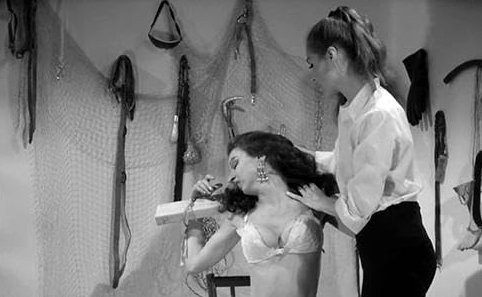
White Slaves of Chinatown introduces Olga as a sadistic overlord exploiting young women through drugs and bondage in underground lairs. The film’s title was initially altered due to protests from Chinese civic groups, highlighting its controversial edge. Olga’s House of Shame expands on her brothel operations, featuring scenes of whipping and restraint that echoed emerging BDSM aesthetics in media.
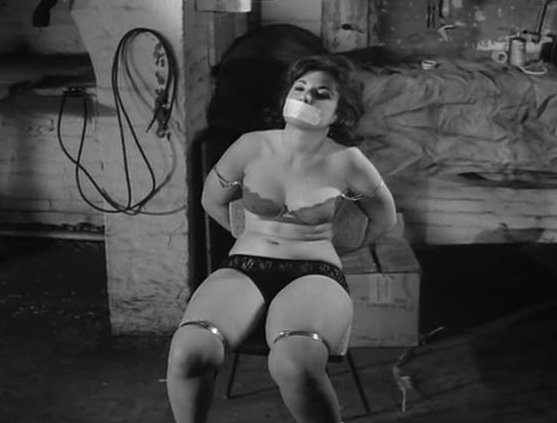
In Olga’s Girls, the focus shifts to Olga’s recruitment and torment of captives, with heavy emphasis on psychological domination and physical punishment. The final installment, Mme. Olga’s Massage Parlor, relocates the action to a facade of legitimacy, where massage services mask deeper layers of abuse and control. Across the series, actress Audrey Campbell’s portrayal of Olga—cold, commanding, and photogenic—became iconic, influencing later depictions of dominatrix figures in fetish art and film.
These narratives, devoid of scripted dialogue and reliant on post-production voice-overs, prioritized visual storytelling of taboo acts, making them precursors to more explicit BDSM-themed works in underground archives.
Behind-the-Scenes Production Insights
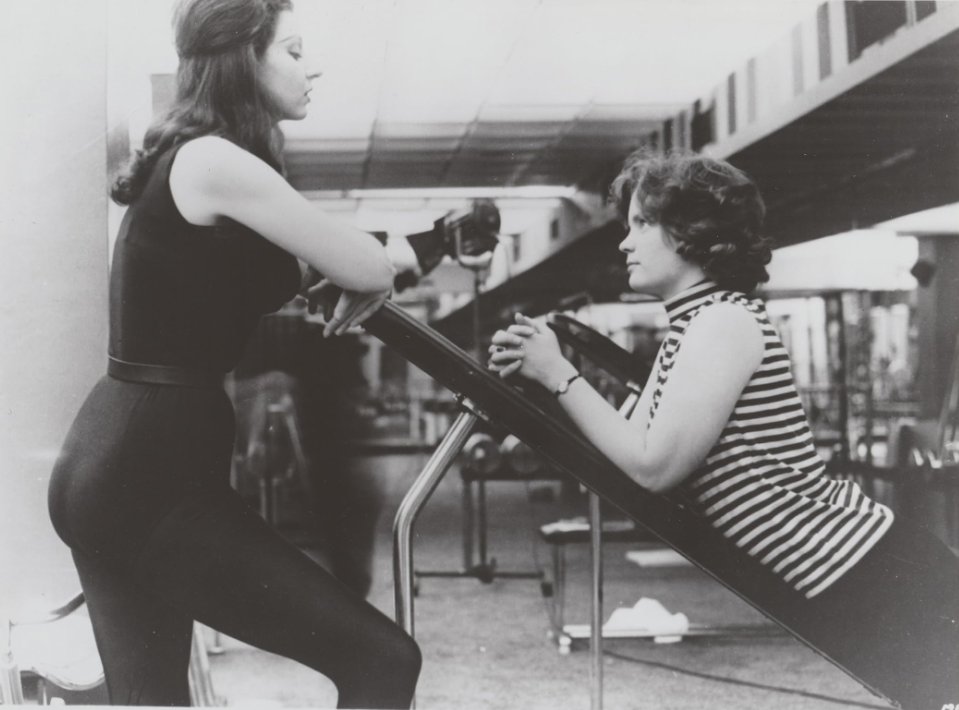
Joseph P. Mawra, a Queens-based joke writer with no formal training, entered filmmaking through editing gigs and partnerships with producer George Weiss and distributor Stanley Borden. Each Olga film was shot in just 4-5 days on shoestring budgets, using small crews and locations like Manhattan warehouses and a Jersey barn studio. Actresses, often models or dancers cast via trade ads, included notable figures like Alice Denham (a Playboy Playmate and literary acquaintance of Norman Mailer) and Brenda Denaut (mother of the Arquette acting family).
Mawra handled directing, writing concepts, editing, and trailers for flat fees, experimenting with camera angles due to financial constraints. As he reflected in a recent interview, the low-budget approach allowed creative freedom: “We developed the style as we went along. Due to the low budget I could experiment and try things out… In a strange sort of way, it gave me good experience. It was like a film school where I could try things out.”
Olga’s House of Shame
Olga’s Girls
Cultural Impact and Legacy in BDSM Archives
The Olga series faced obscenity charges, leading to U.S. Supreme Court rulings that deemed them non-pornographic, paving the way for broader sexploitation distribution. Despite lacking nudity, their intense themes of sexual violence and bondage shocked audiences and achieved commercial success through rapid theater releases. Mawra, who initially distanced himself from the films, later marveled at their cult status enduring over 50 years.
In the context of BDSM art history, these films represent an early cinematic exploration of sadomasochistic power dynamics, akin to the flagellation motifs in literature or bondage photography by pioneers like Irving Klaw. They remain valuable artifacts for understanding the evolution of fetish representation in media, preserved in archives for their raw, unpolished insight into 1960s underground culture.
Sources & Recommended:
The Rialto Report
Woman in Prison Films
WebArchive