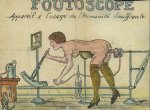
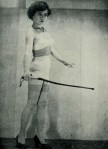
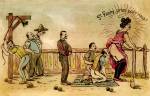
Der Flagellantismus als literarisches Motiv (Flagellantism as a Literary Motif) is a pioneering, multi‑volume study by German author, occultist, and early sexologist Ernst Schertel (1884‑1958). Issued in four volumes between 1929 and 1932 by Schertel’s own Parthenon Verlag in Leipzig. The work stands as one of the most thorough early scholarly investigations of flagellation, specifically the erotic excitement generated by whipping or being whipped, as a recurring theme across literature, visual art, and psychology.
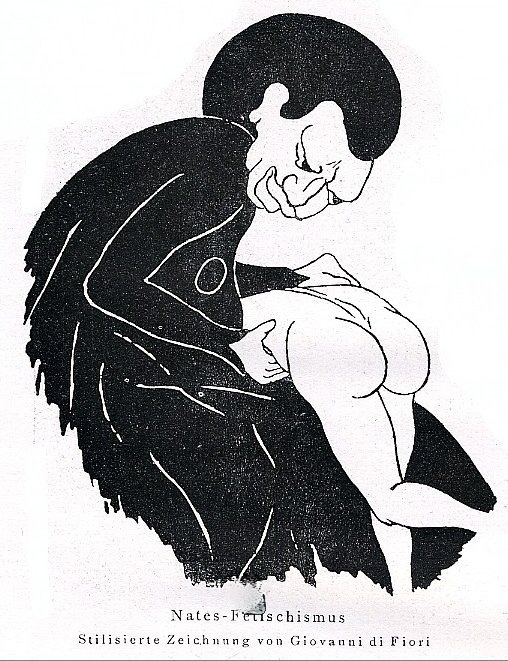
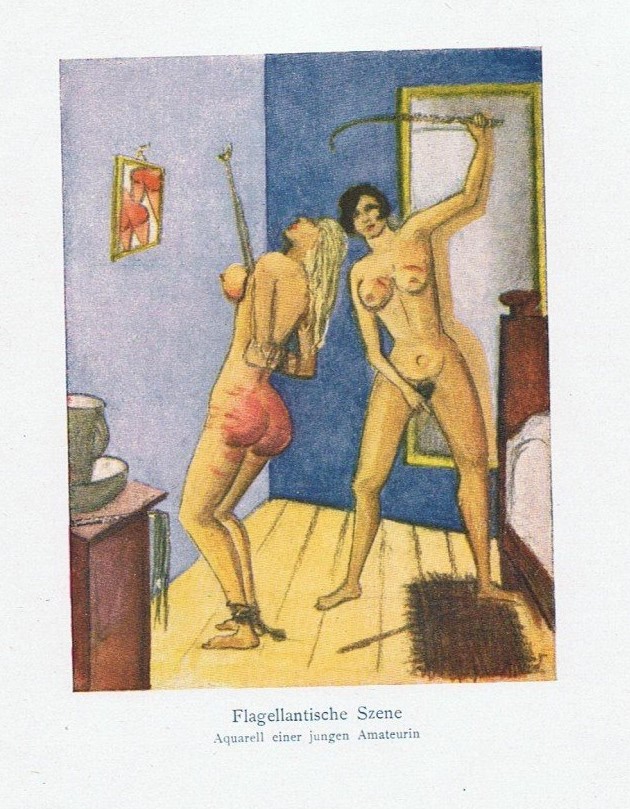
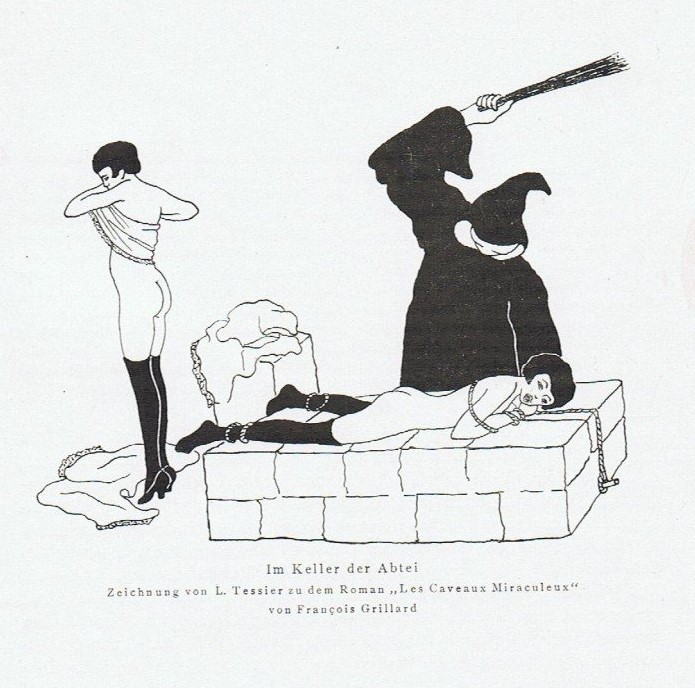
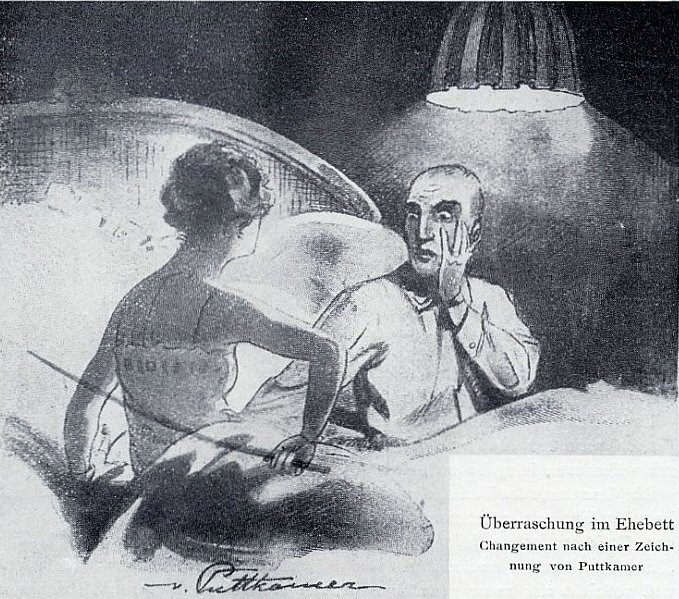
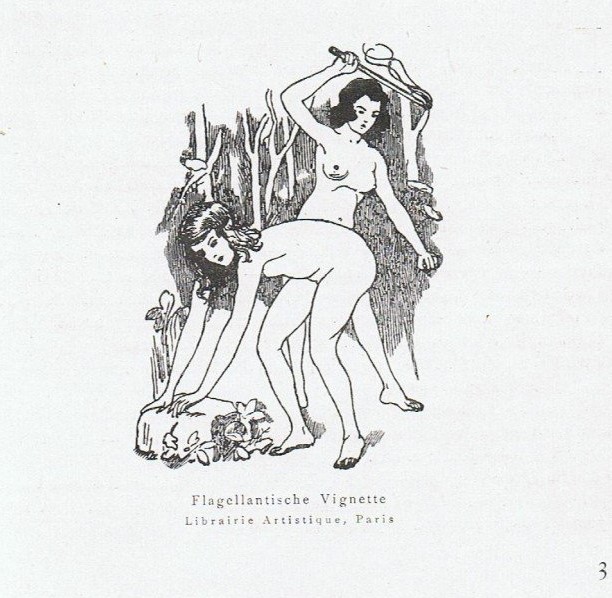
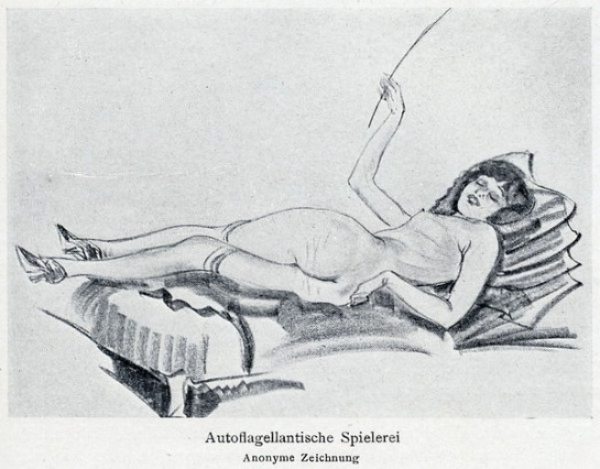
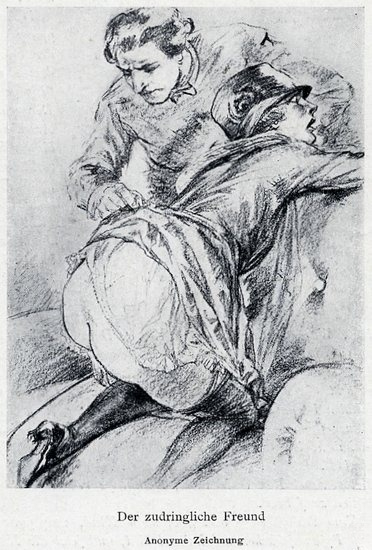
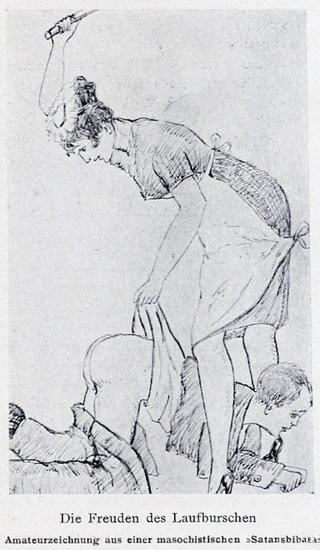
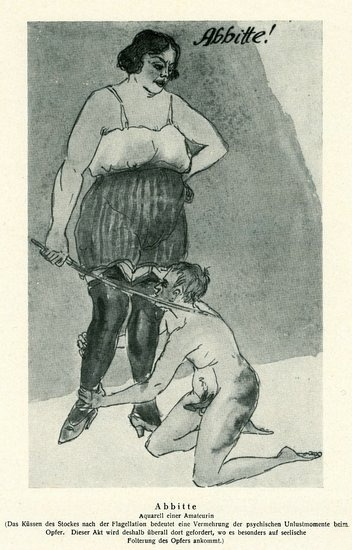
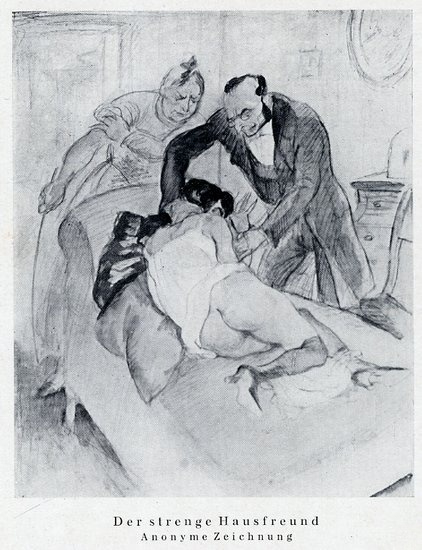
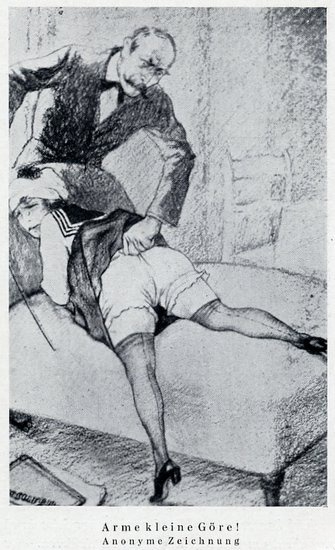
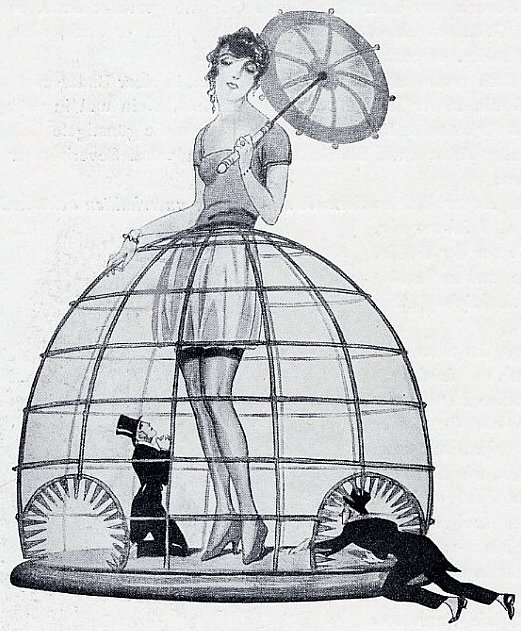
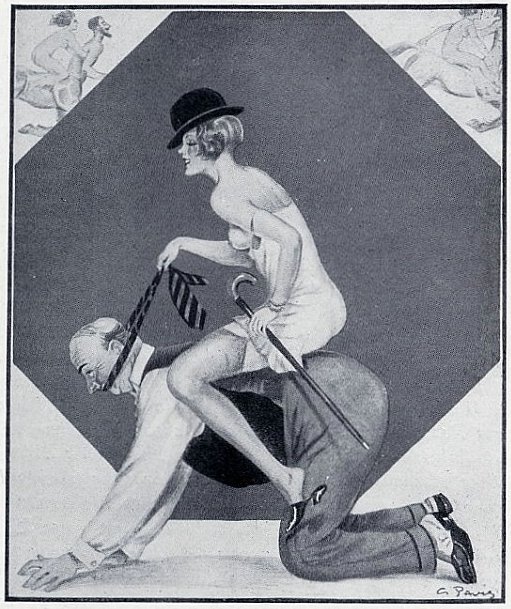
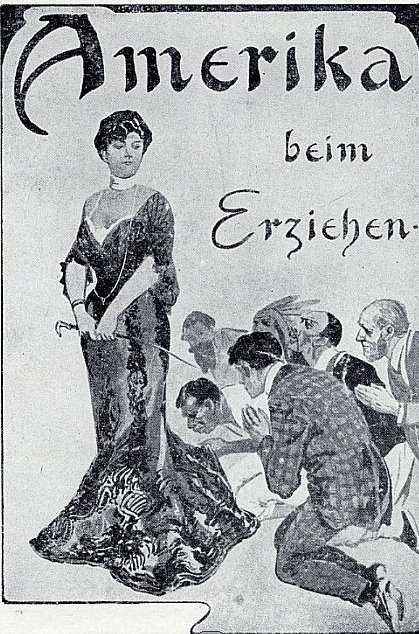
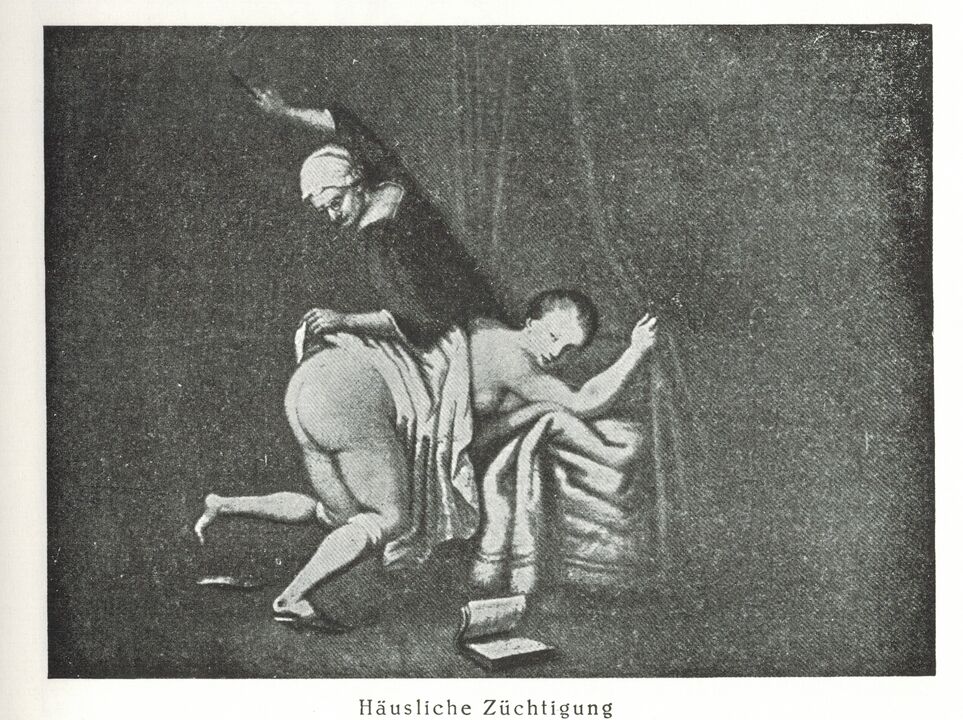
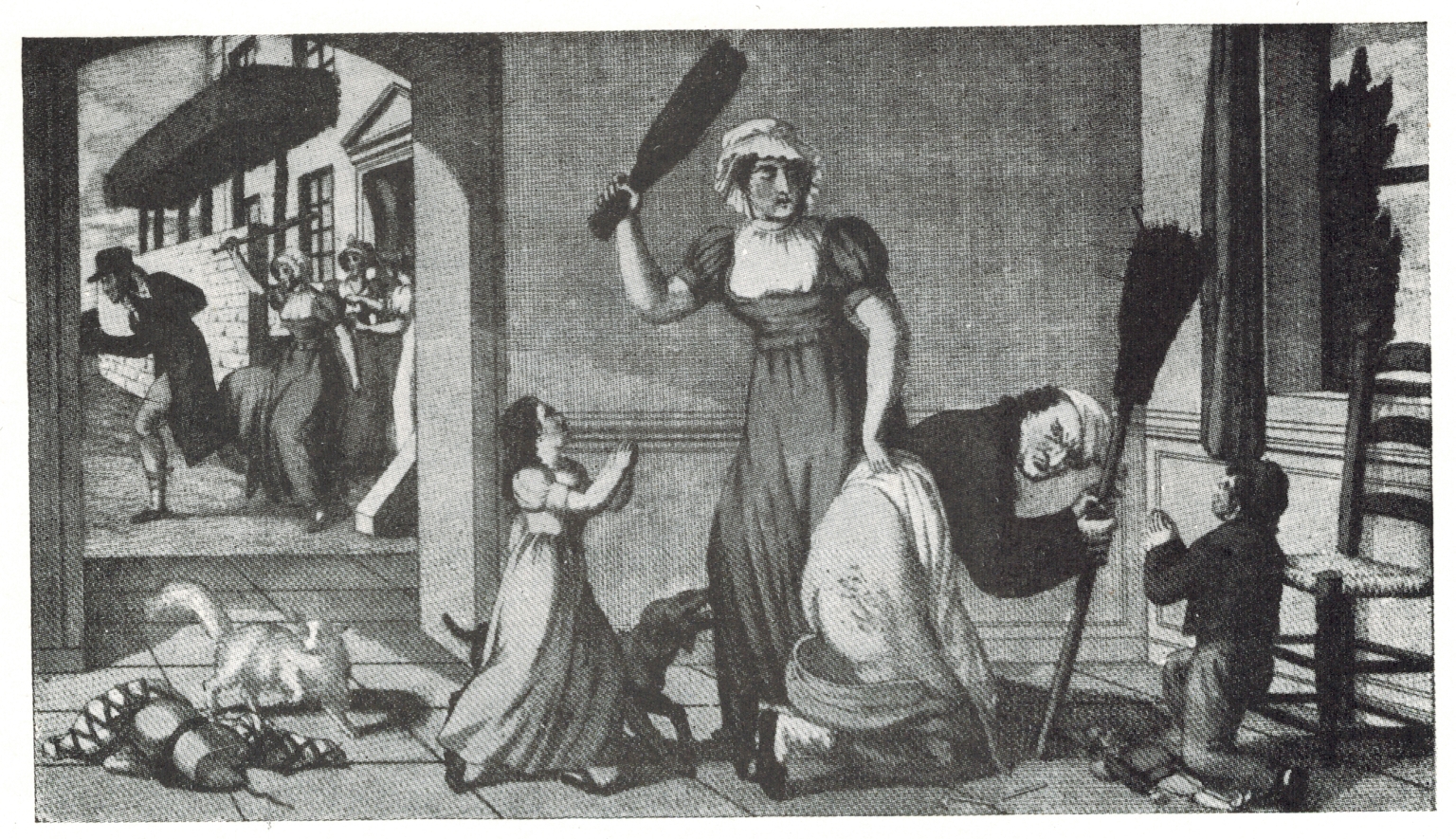
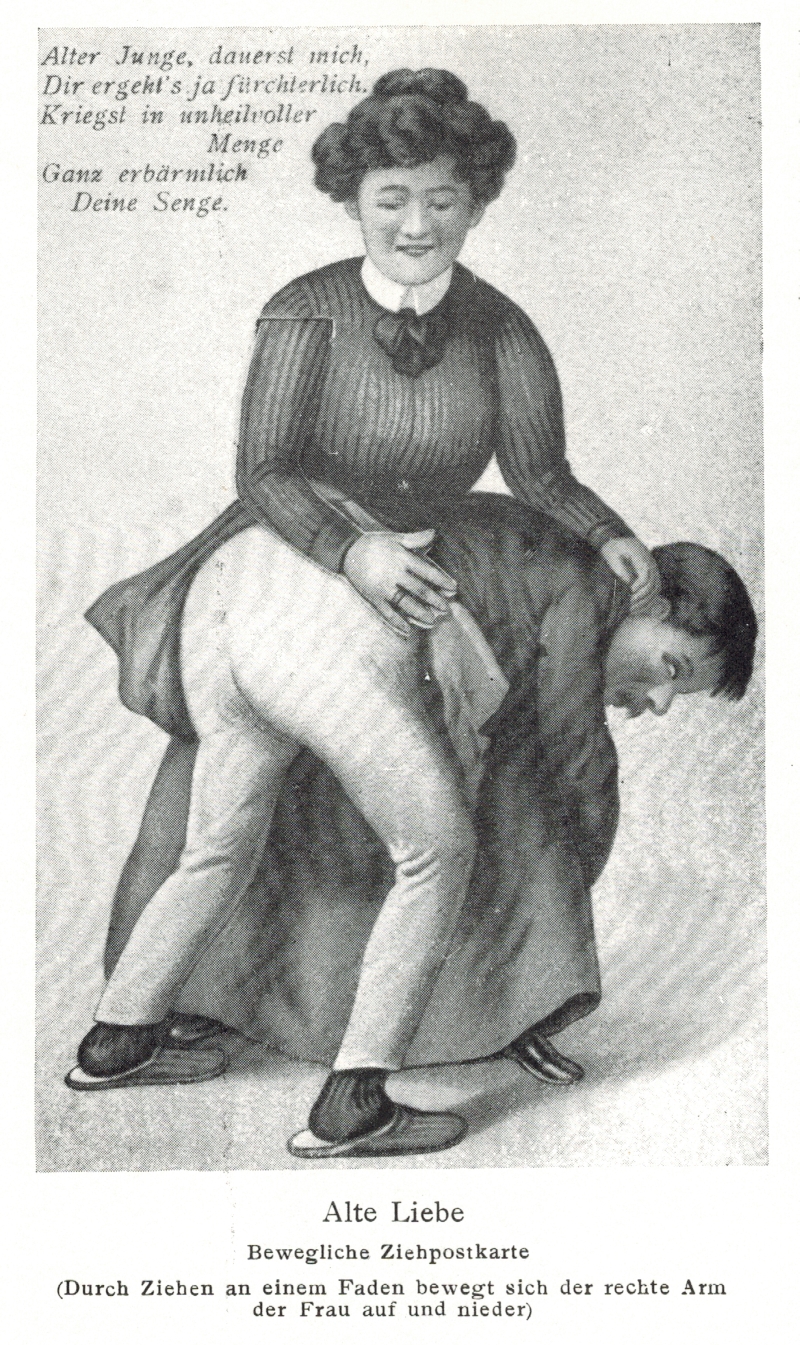
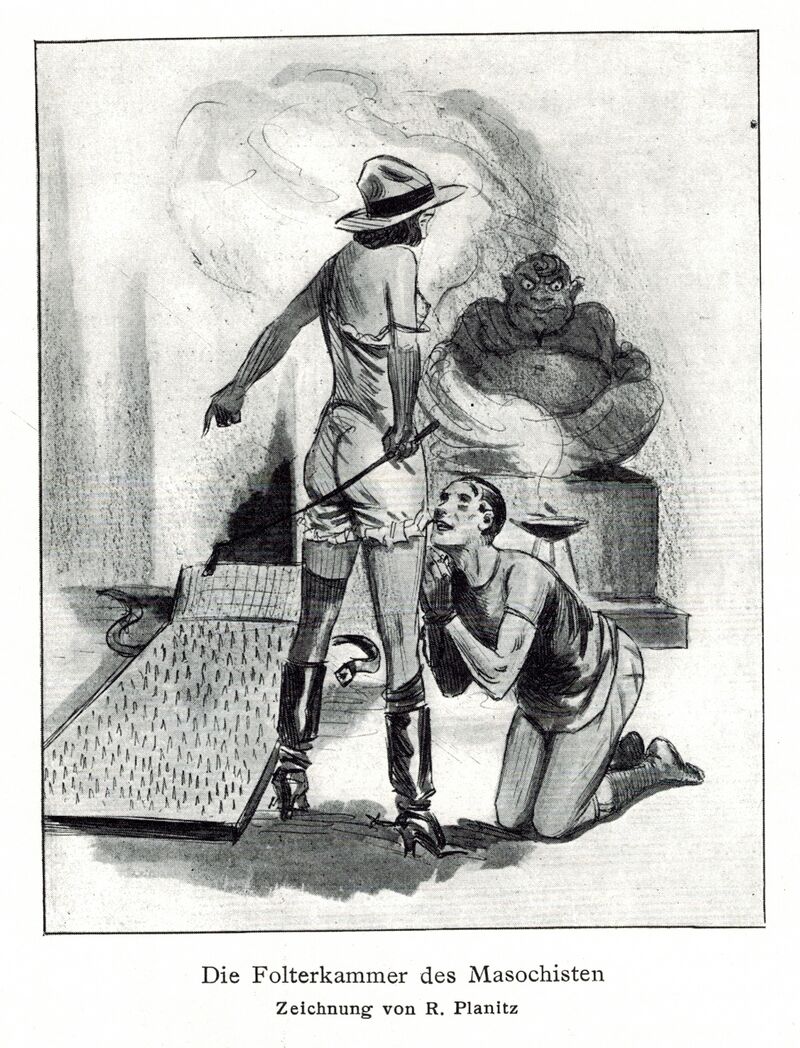
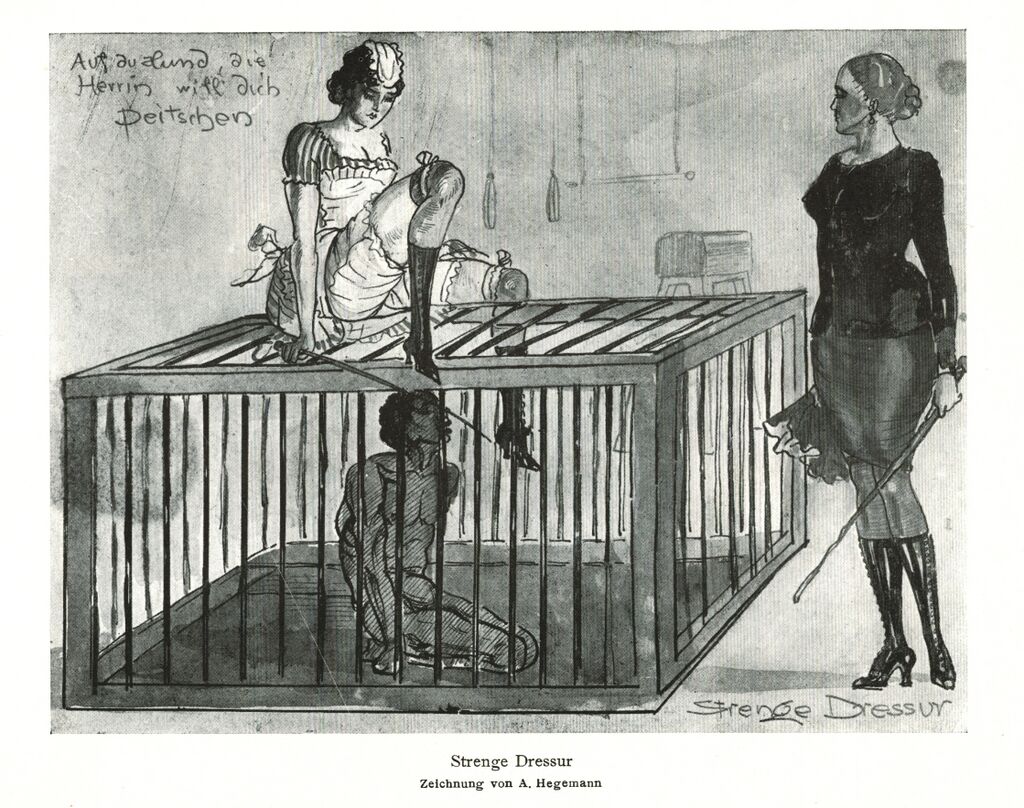
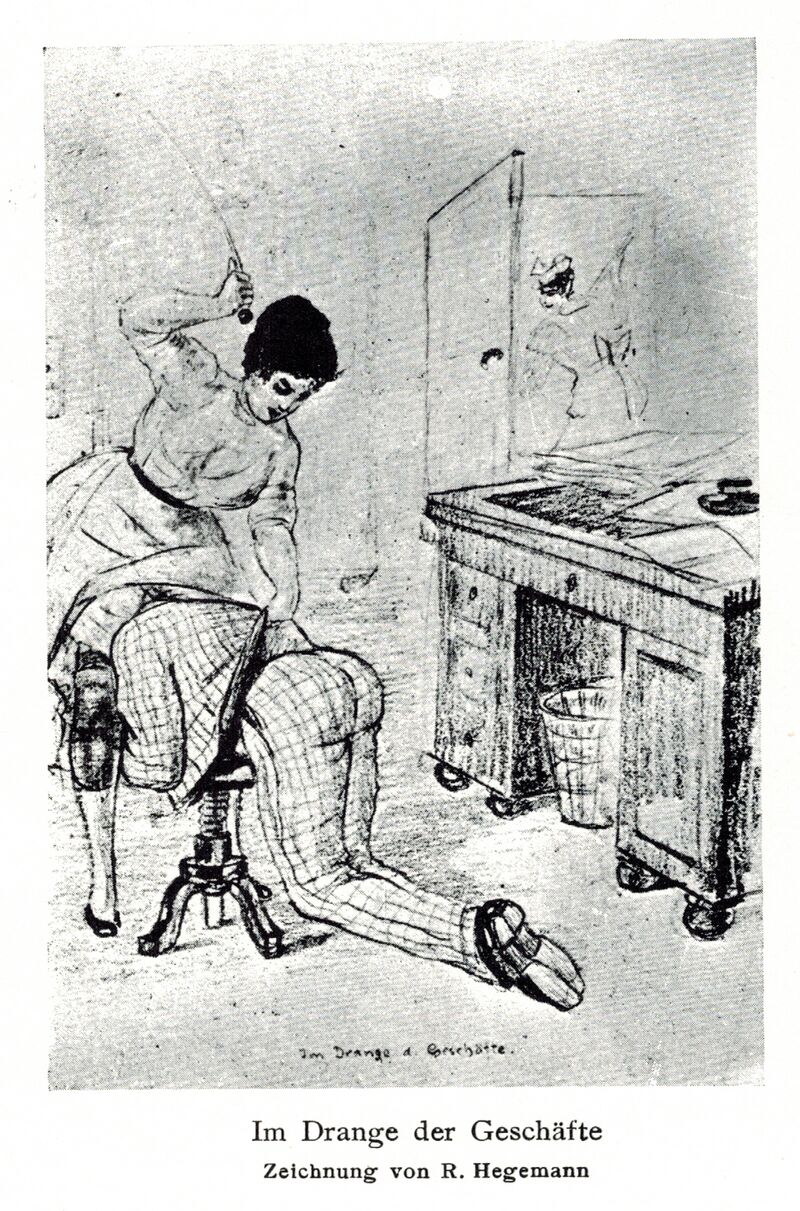
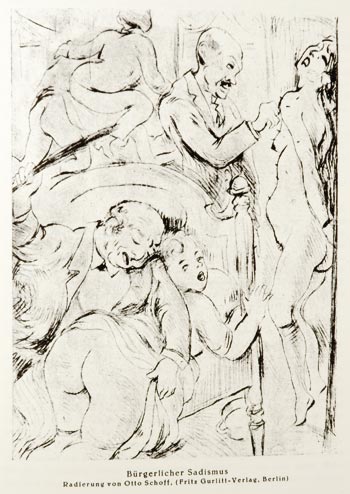
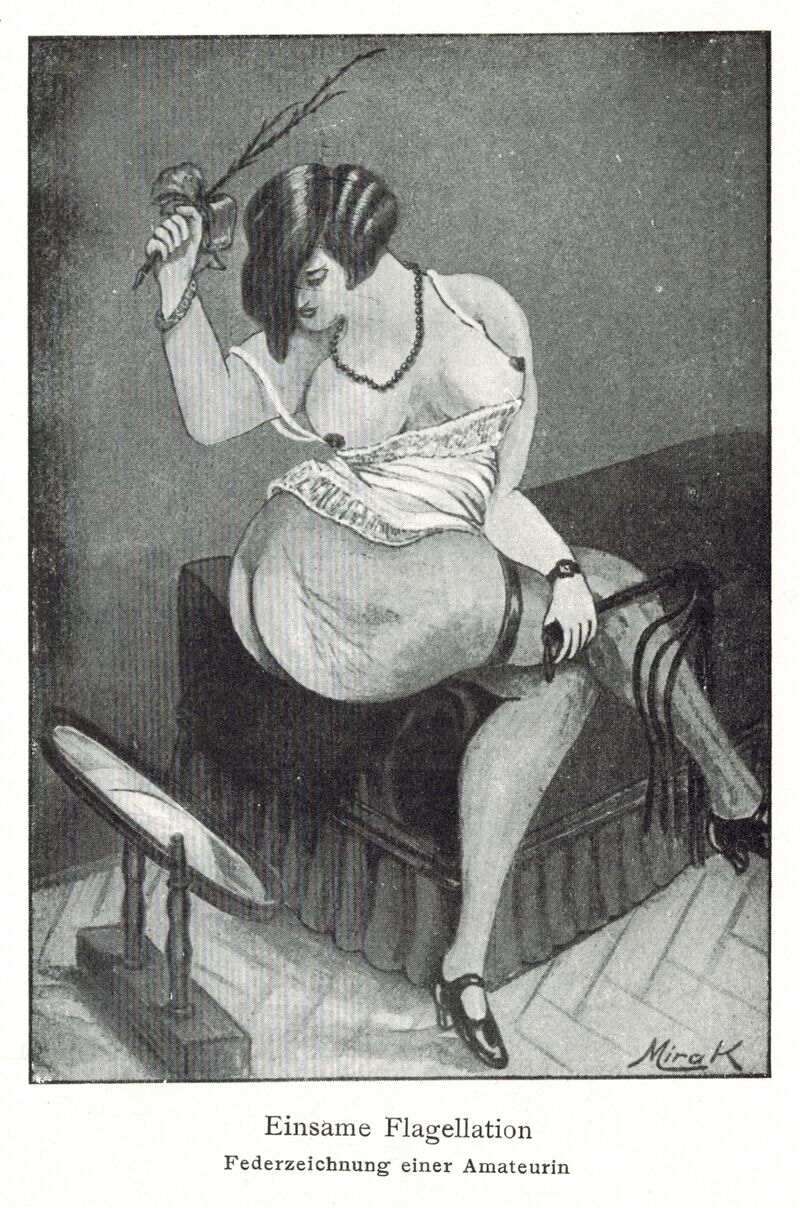
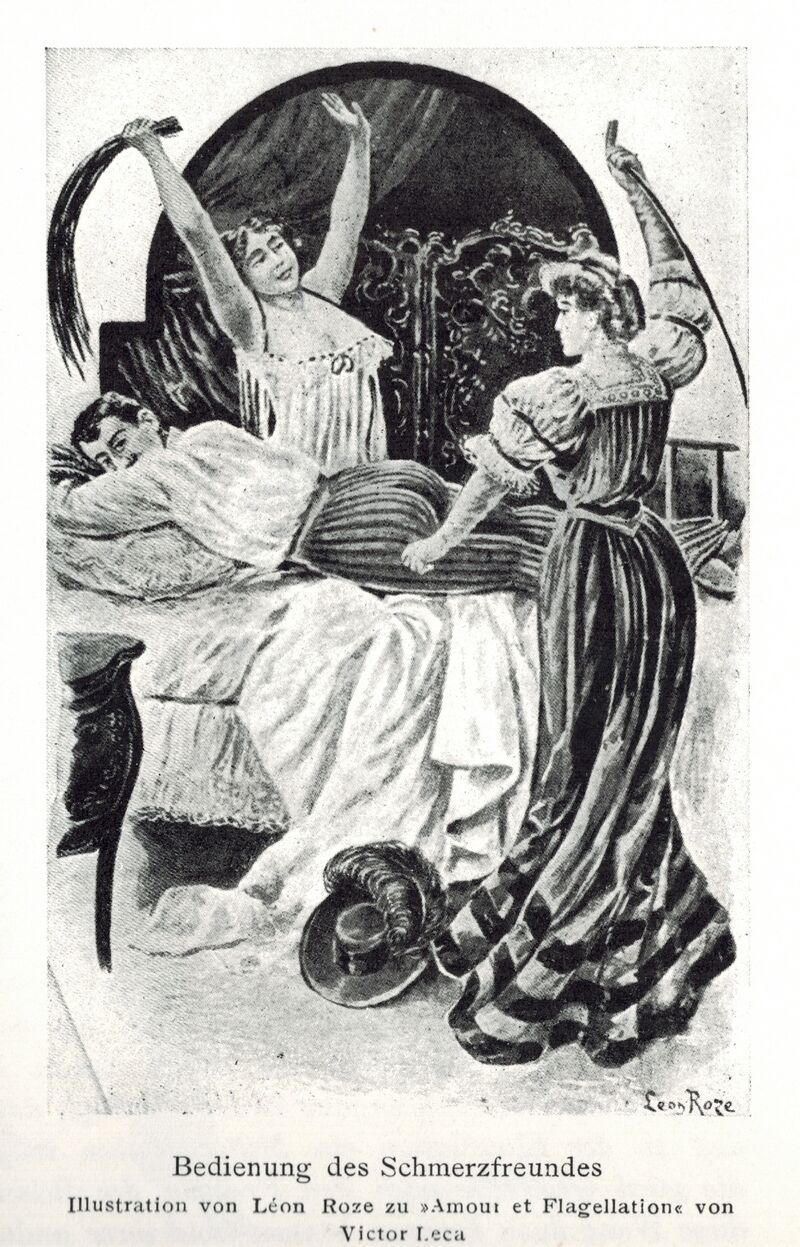
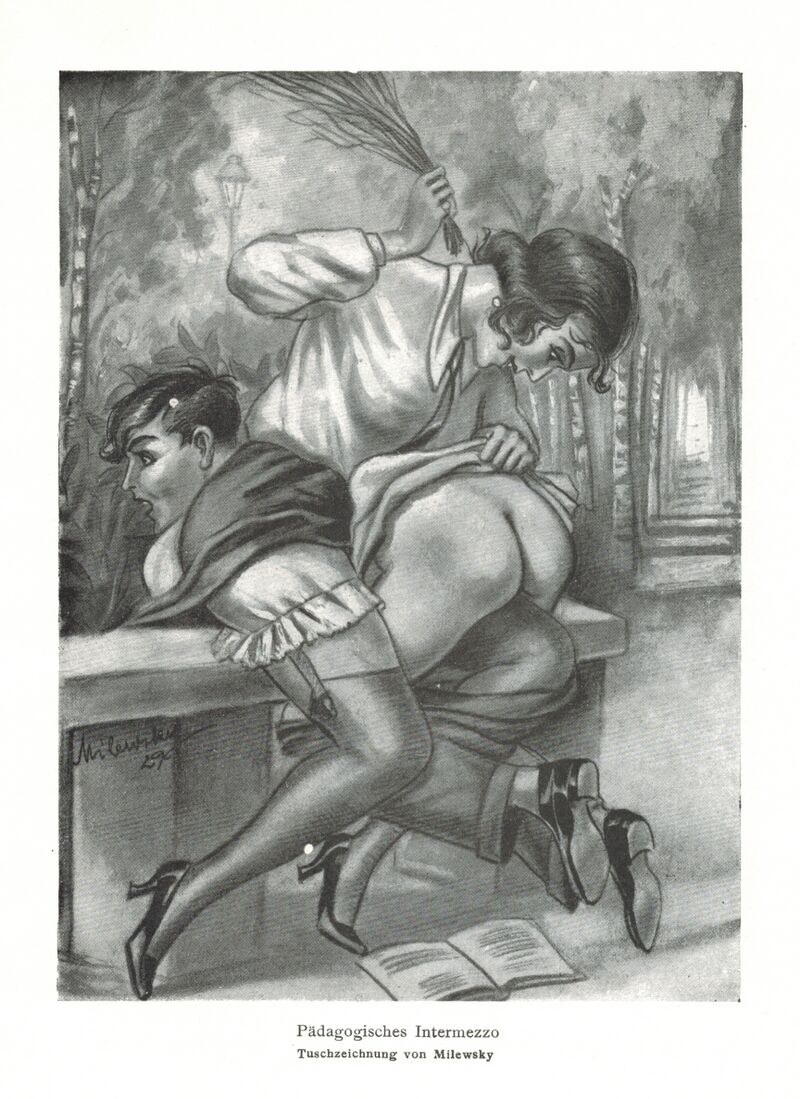
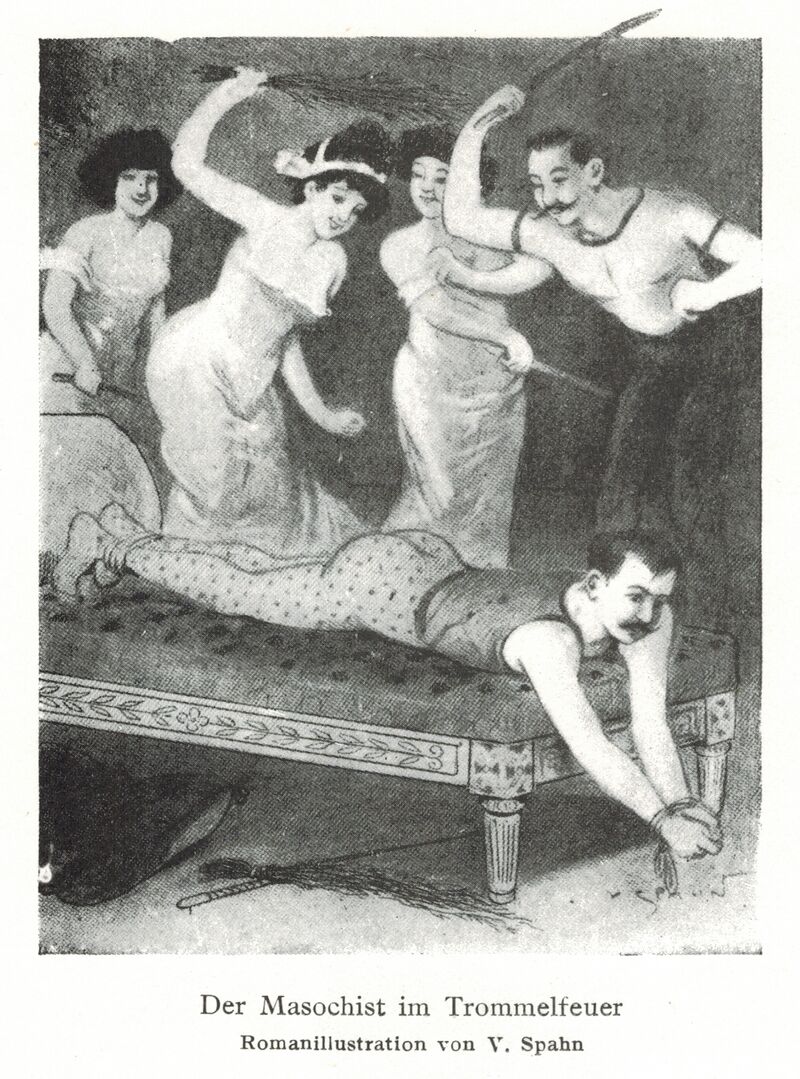
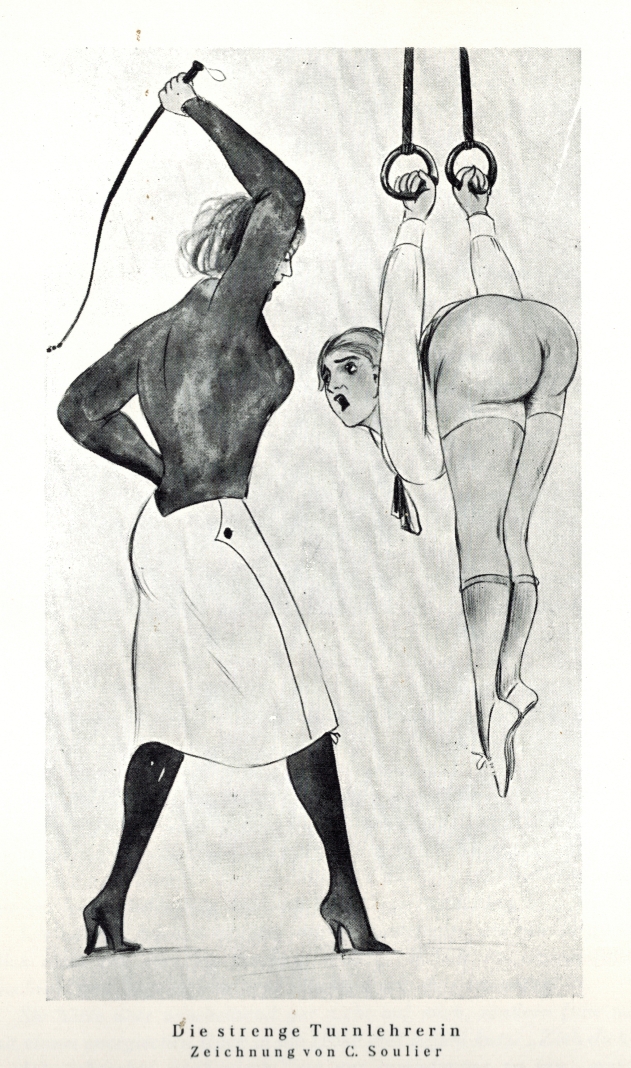
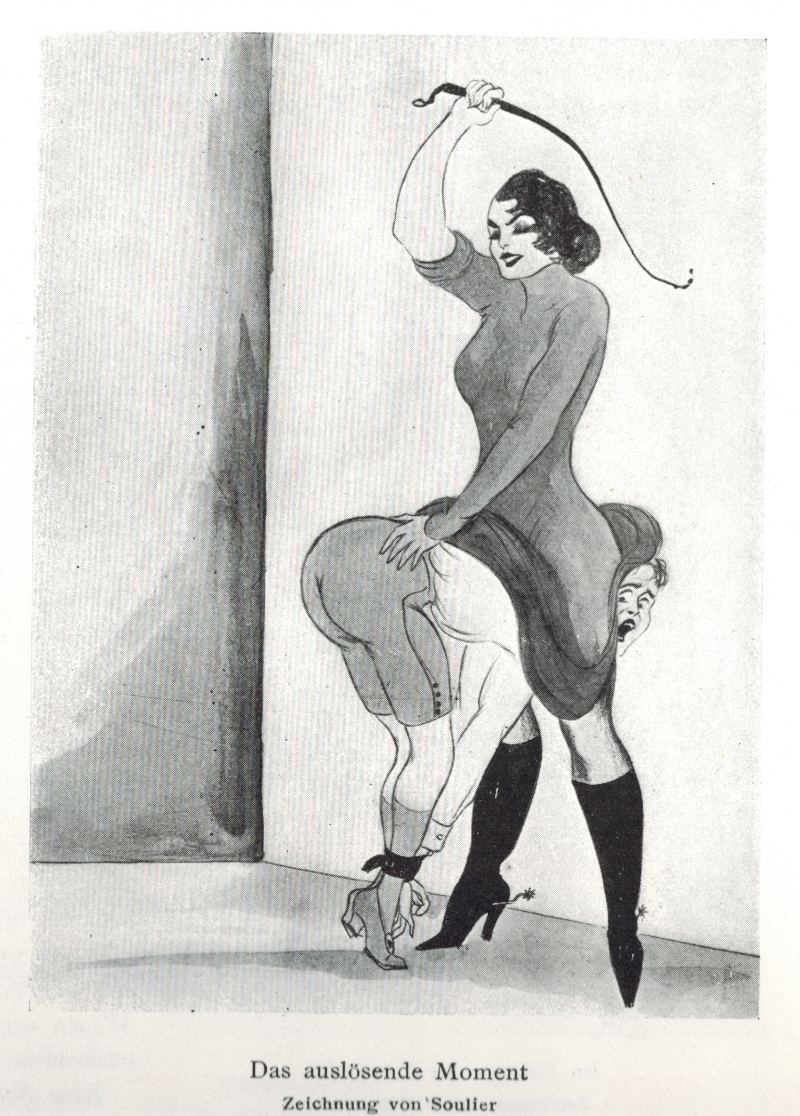
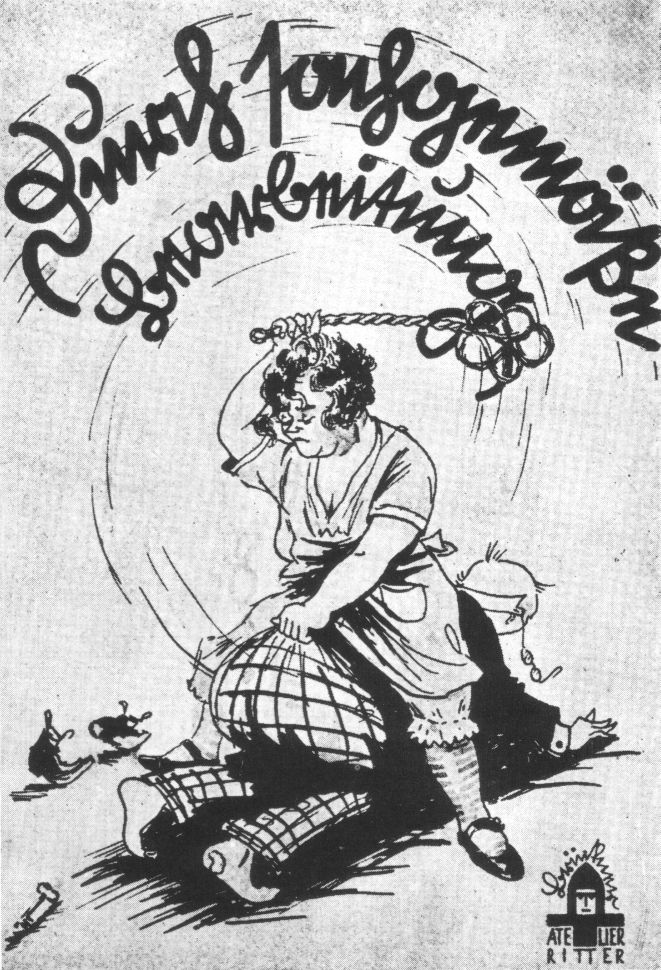
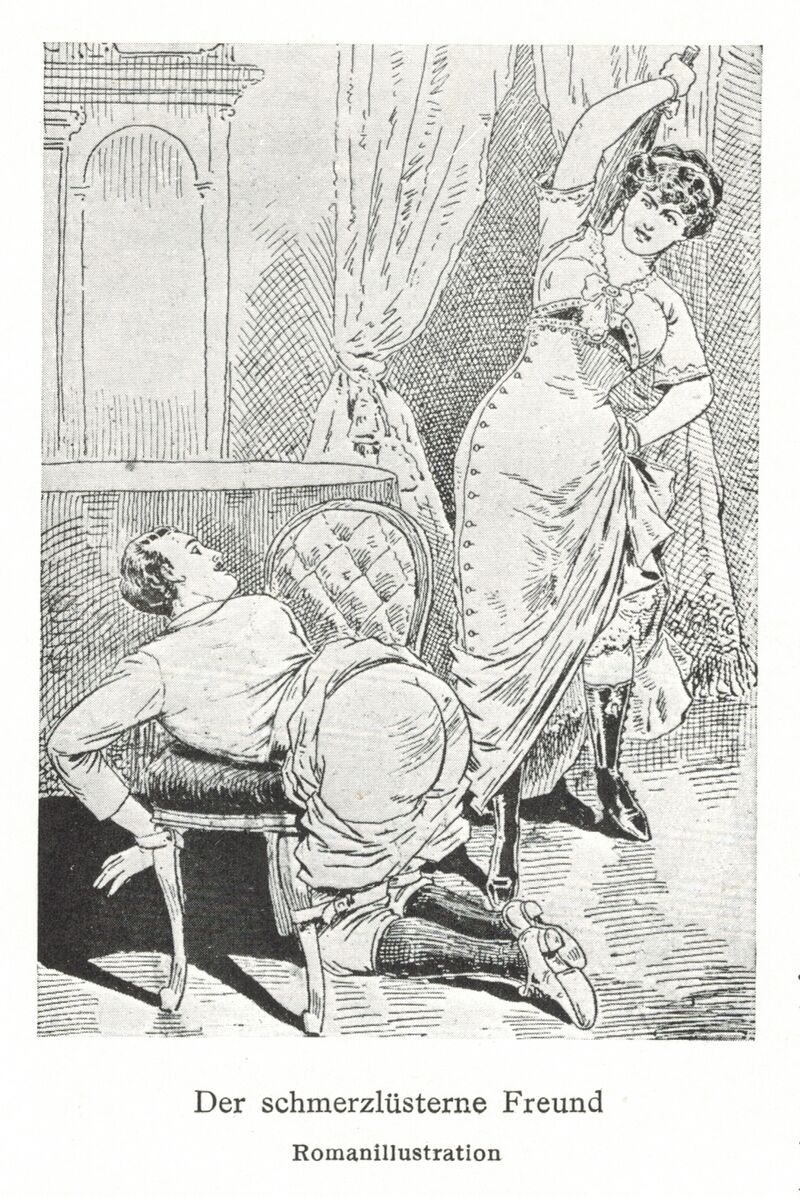
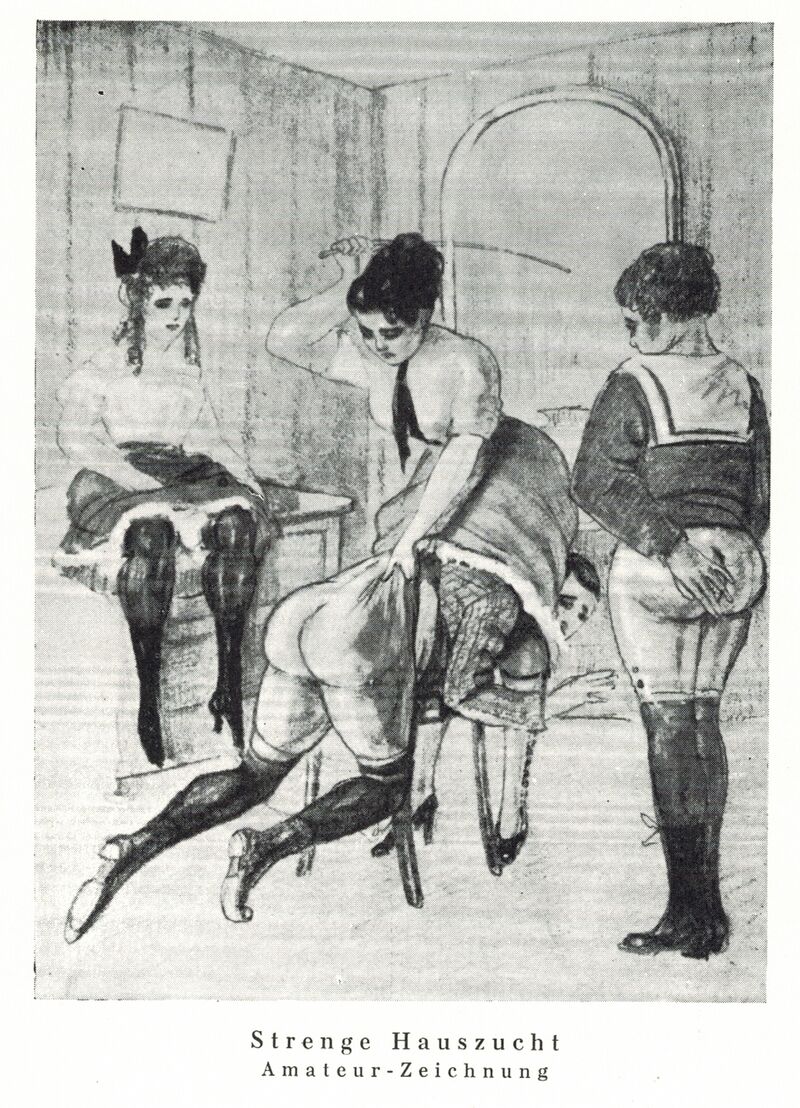
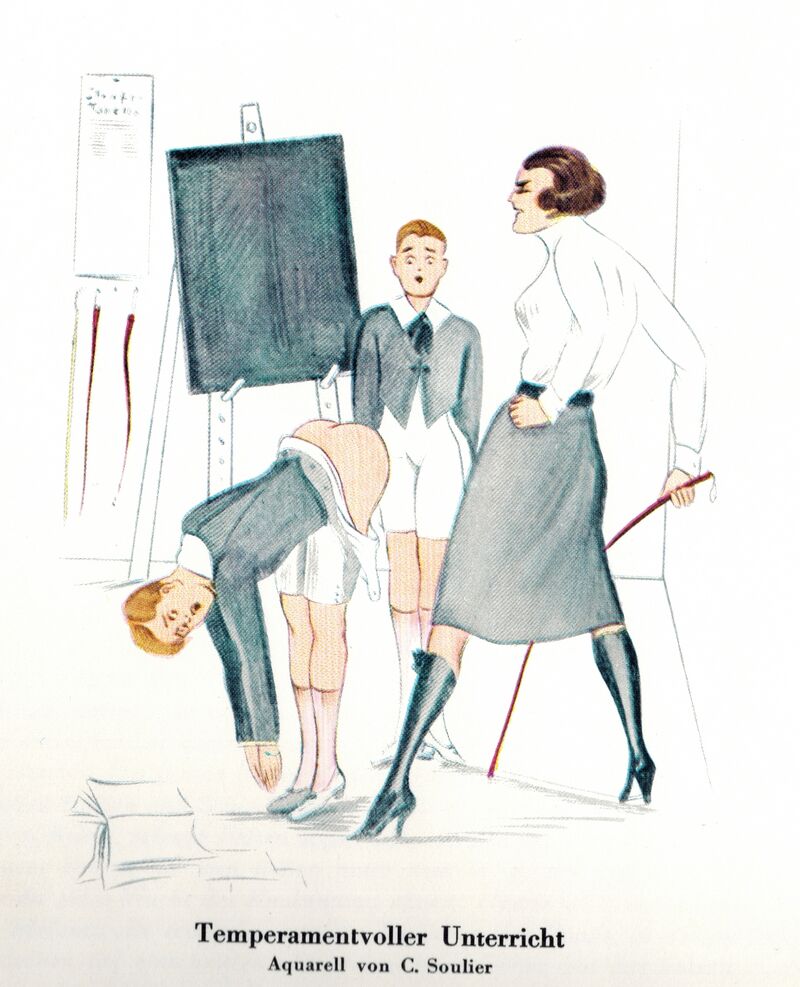
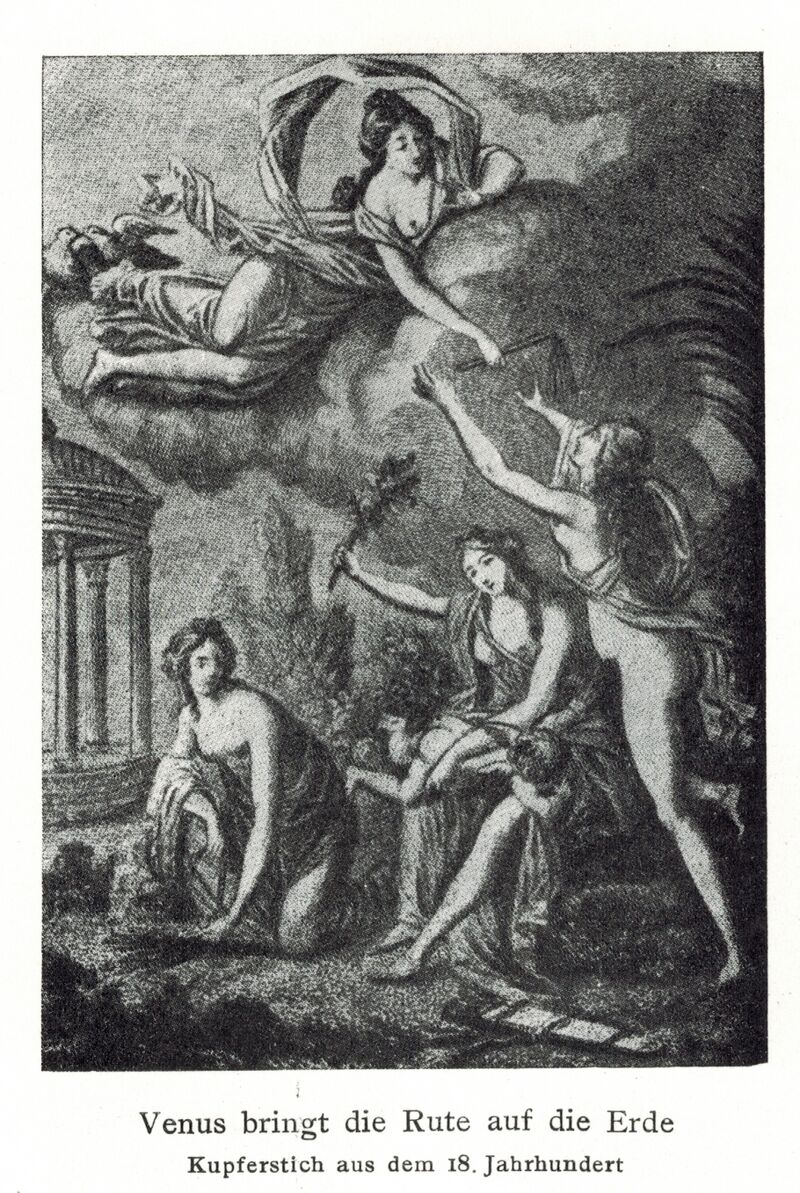
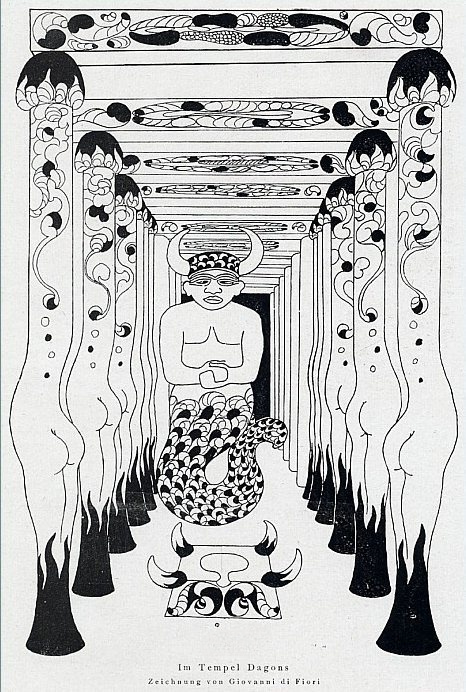
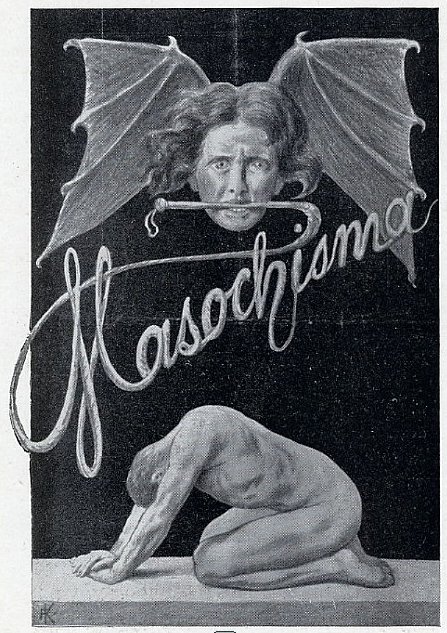
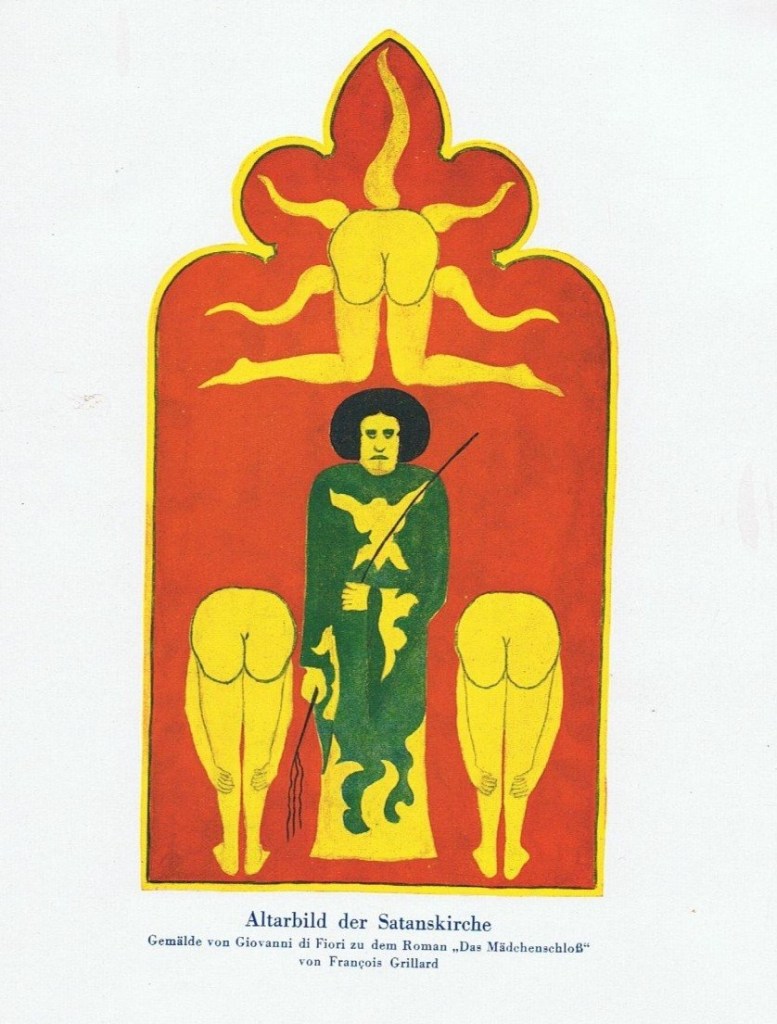
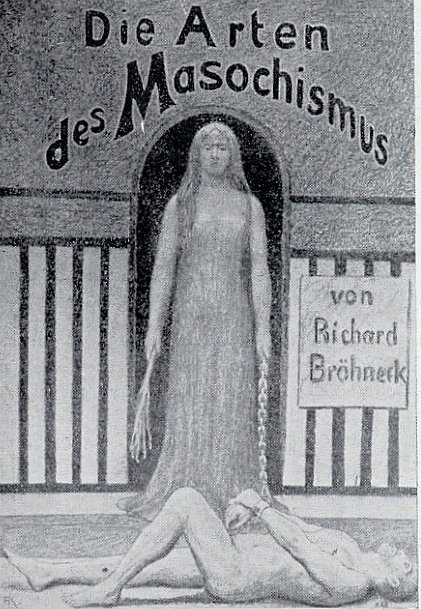
The series is lavishly illustrated with historic drawings, photographs, and plates (some in colour). It follows the motif from its ancient origins through the libertine novels of the 18th and 19th centuries, noting the influence of the Marquis de Sade and Victorian‑era writers. Published during the sexually permissive Weimar Republic, the book sparked controversy; authorities confiscated copies, prompting Schertel to publish a defensive pamphlet in 1931 entitled Flagellantismus und Gesetz.
Schertel did not view flagellation merely as a physical practice, but as a symbol of self‑discipline, spiritual purification, and suppressed desires. In this way, his work serves as a bridge between anthropology, psychology, and literary criticism.
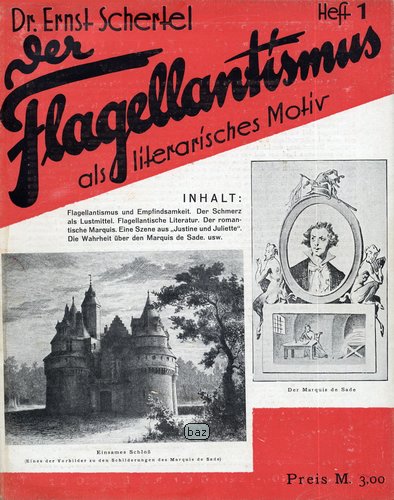
The Four‑Volume Masterpiece
- Volume I (1929): Origins of the Motif
Schertel begins with the roots: ancient myths, Christian penitential practices, and the medieval flagellant movements. He describes how flagellation was used in religious rituals as a means of cleansing sins, for example by the flagellants during the 14th‑century plague who roamed towns and whipped themselves in order to achieve collective catharsis. - Volume II (1930): The Motif in Libertine Novels of the 18th and 19 Centuries
Here Schertel dives into the world of erotic literature, drawing on influences from the Marquis de Sade and Victorian authors. He analyses how flagellation appears in works such as Sade’s Justine or anonymous Victorian pornographic texts as a metaphor for power dynamics and forbidden desire. This volume highlights how the motif blurs the boundaries between pain and ecstasy. - Volume III (1931): Psychological Interpretations
Schertel turns to the psyche, inspired by Freud, Jung, and the concept of the “inner compulsion.” He argues that flagellation is deeply rooted in unconscious drives, a symbol of the struggle between Id, Ego, and Superego. This volume is especially relevant for modern BDSM discussions, as it presents flagellation as a therapeutic outlet for suppressed emotions. - Volume IV (1932): Artistic Representations
The final volume is devoted to visual media: engravings, photographs, and coloured plates that illustrate the theme. Schertel showcases historical artifacts ranging from Renaissance art to early‑20th‑century photographs, demonstrating how artists have used flagellation to explore societal taboos.
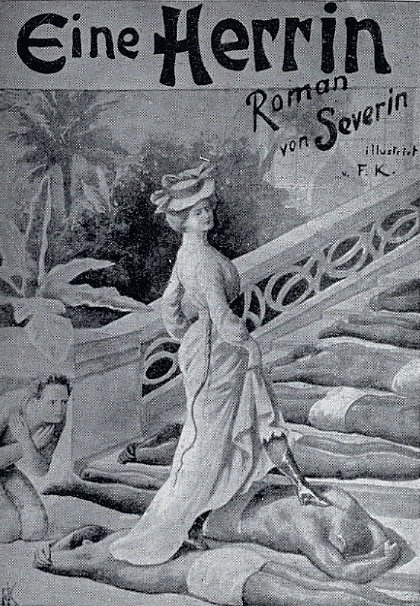
Historical and Cultural Context
To understand Schertel’s work, we need to consider the context:
- Medieval Flagellants (1348‑1350)
During the Black Death, groups organized themselves as “flagellants,” traveling across Europe and publicly whipping themselves to appease God’s wrath. Schertel sees this as an early form of collective psychotherapy, a blend of masochism and spiritual ecstasy. - Weimar Germany (1919‑1933)
The 1920s in Germany were marked by sexual liberalism: cabarets, nudist culture, and avant‑garde literature flourished. Schertel’s book fit perfectly into this atmosphere, but it attracted censorship. Authorities seized copies for “obscene content,” which led to his defensive pamphlet. - Nazi Suppression (from 1933)
After the Nazi Party’s seizure of power, the work was suppressed; original editions consequently became extremely rare. An expanded twelve-volume edition did not appear until 1957. This censorship extended to Schertel’s broader oeuvre, including his occult writings—ironically, despite Hitler personally annotating Schertel’s Magie: Geschichte, Theorie, Praxis years earlier. In 1923, Schertel sent a dedicated copy to the then-emerging Hitler (around the Beer Hall Putsch time), who made 66 annotations, underlining ideas about willpower, demonic forces, and creating “new worlds” through inner strength. These resonated with Hitler’s worldview, making it a bizarre footnote in occult history.
Conclusion
Ernst Schertel’s “Der Flagellantismus als literarisches Motiv” offers a unique, historically grounded perspective on a theme that stretches from medieval acts of penance to contemporary BDSM culture. Despite the controversies and the limited availability of the original editions, the work remains a valuable resource for scholars, writers, and art enthusiasts seeking to understand the complex relationship among body, mind, and literature.
Schertel’s book is a milestone: it legitimizes flagellation as a cultural phenomenon, not merely as a deviation. For collectors, writers, and enthusiasts it provides inspiration, from historic illustrations to psychological insights. If you’re looking for originals, check antiquarian bookstores or digital archives; reproductions are available, but nothing beats the original.
Recommended: The Works of Dr. Ernst Schertel, Wiki on Spanking Art Wiki
Artists featured in gallery below: